
Hello!
I hope your 2026 is going well. For my part, I’m taking a few weeks off from writing to focus on reading for pleasure, playing video games, and watching TV. I even repaired the broken speaker in my old DSi XL so that I could finally finish The Legend of Zelda: Spirit Tracks properly (I love the relationship between Zelda and Link in this one. They’re such a good team).
I also attended the inaugural session of TBR Conference, a writing and publishing conference near Boston, as a speaker. The sessions were practical, thoughtful, and useful, and the overall vibe of the conference was so friendly and positive. If you are a writer, I definitely recommend the next session.
I have two things to share with you for the month.
Being a speculative fiction writer comes with a lot of insecurities. In our market economy, we’re supposed to be “productive.” There’s a price for everything, and we are valued insofar as we get paid for what we do.
But I don’t cure diseases; I don’t invent anything useful; I contribute very little to the GDP; I don’t grow food or clean your home or greet you with a smile at the counter. I’m paid to make up stories about the future.
“Why should anyone pay you for that? How is that productive?” a skeptical public may well ask.
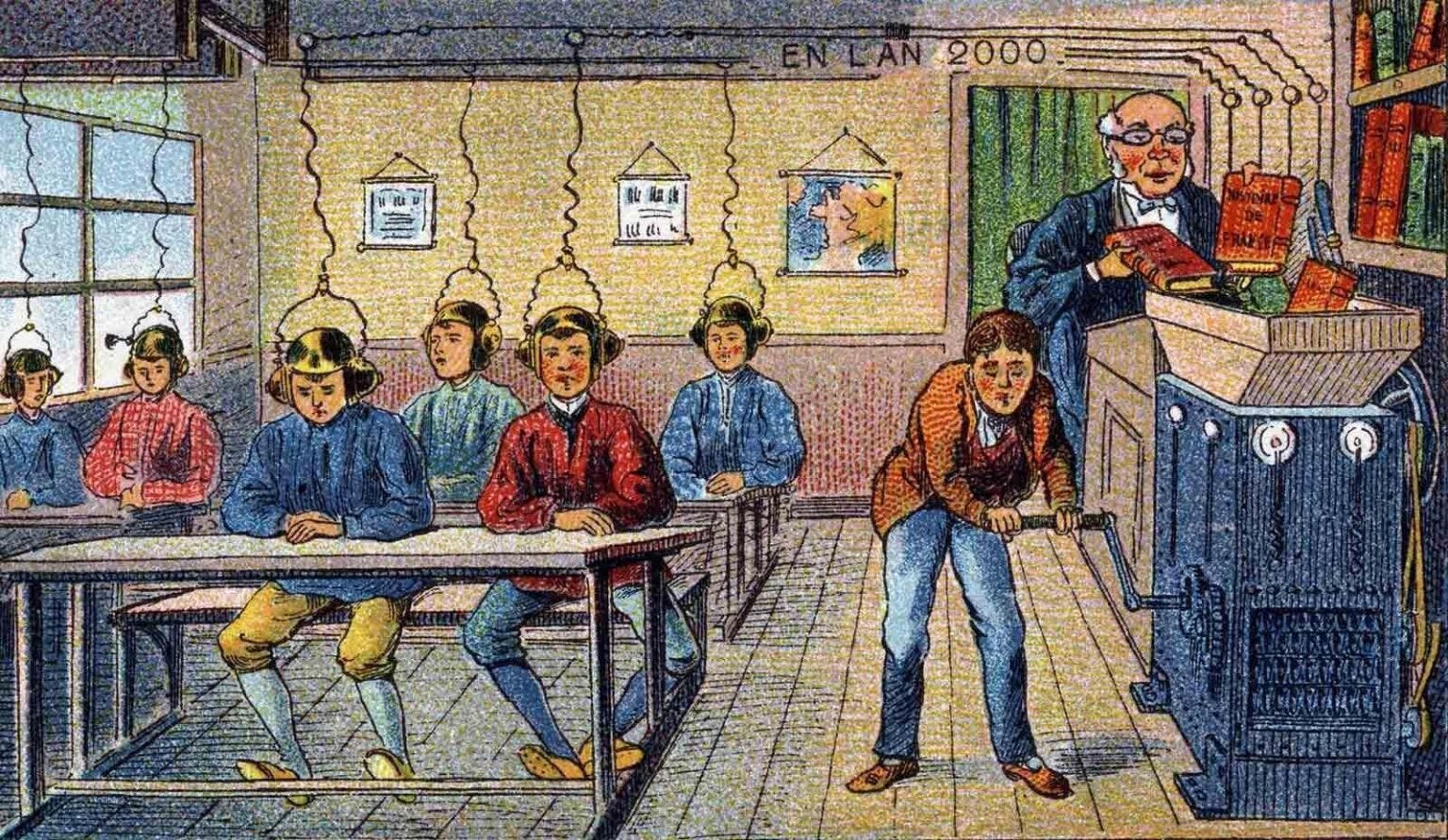
One answer some have settled on is that SF writers “predict” the future. The “negative” version of this story casts SF writers as prophets of doom, warning us of the dangers of technological or social change, with our dystopian visions intended to steer us away from the wrong path. The “positive” version of this story has SF writers inspiring the inventors and scientists of the next generation, our utopian visions sparking a desire for space exploration, virtual reality, and artificial consciousness, leading to actual technological breakthroughs.
However, I don’t find this answer particularly convincing. Besides my constitutional aversion to any instrumentalist justification for art, the fact is, science fiction writers are not very good at predicting the future (either positive or negative). I don’t think science fiction has much to do with the future, at all.
If you want to find out what I think science fiction actually is about, you can read my essay for Reactor Magazine: “Why Science Fiction Can’t Predict the Future (And Why That’s a Good Thing)”
Special thanks to Claire Webb and Christina Orlando for their editorial input on drafts of this essay.
Sangita Chandra, who produces“Chronicle” for WCVB ABC TV 5 Boston, recently featured Katherine Hall Page, author of the wonderful Faith Fairchild mysteries, and me on her show. I had a fantastic time talking to Sangita about Julia Z, ubiquitous surveillance, AI, and the American Dream. You can see the video on WCVB’s website or on YouTube:
As always, thank you for your support, and may the new year bring you much joy.
Comments
Nothing yet. Say the first thing.
Sign in to join the conversation.