
August 12, 2026
Empty hummingbird feeders overnight. That can mean only one thing. The nectar bats have returned from Mexico.
Well, it is August. The month of caging feeders.
I refill the hummingbird feeders after my negligence last night. The birds scold me from the trees with their silence—six species now—as August leans in and waves of migrating wings crash upon the yard. Mostly rufous and broad-billed hummingbirds, adults mixed with their spastic offspring. An inflation matched by the price of sugar.
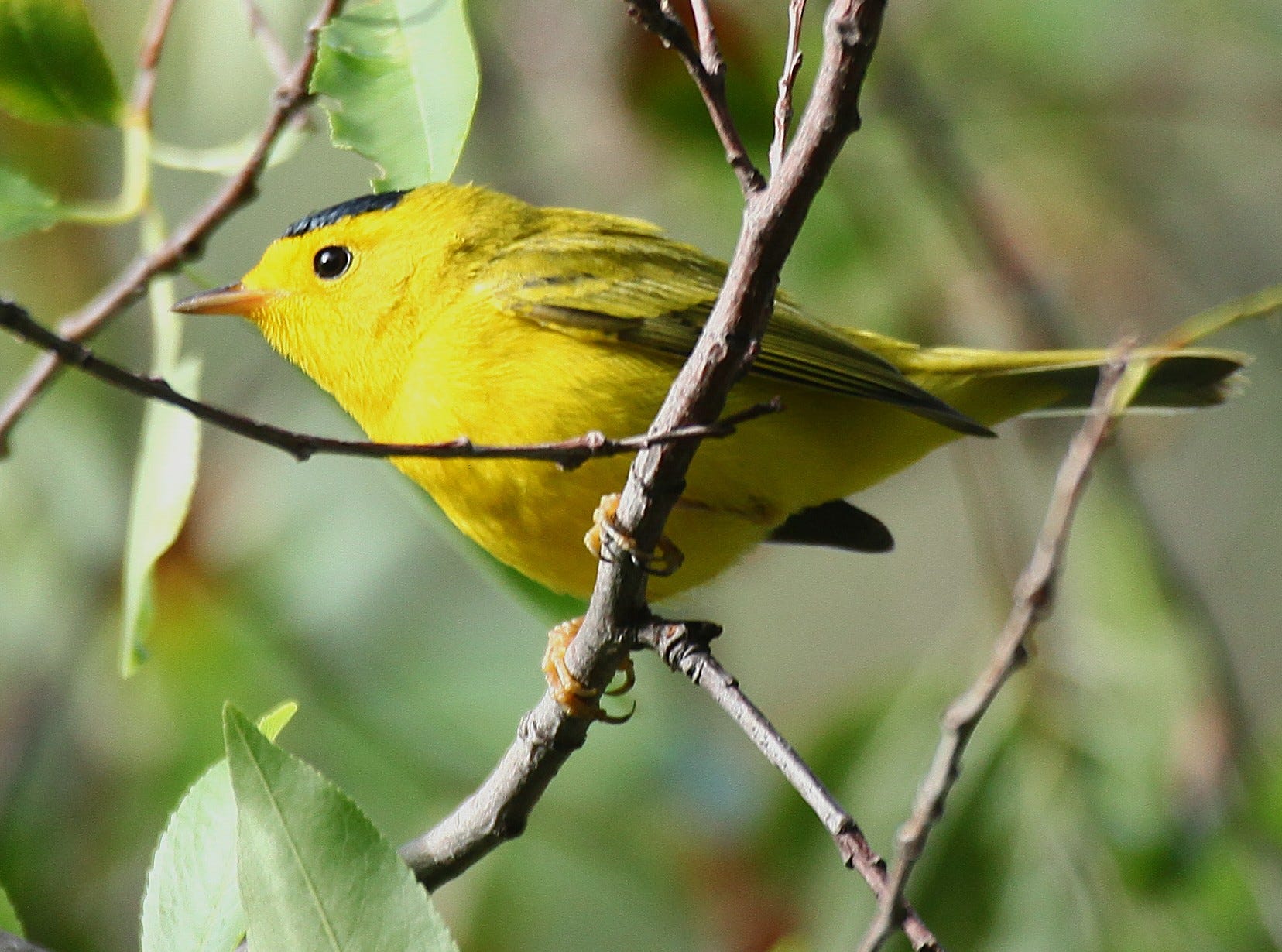
And the fall warblers: Black-throated grays and Wilson’s needle leaves for caterpillars while Hutton’s vireos sing from the chokecherry tree. No one comes to the fountain for water.
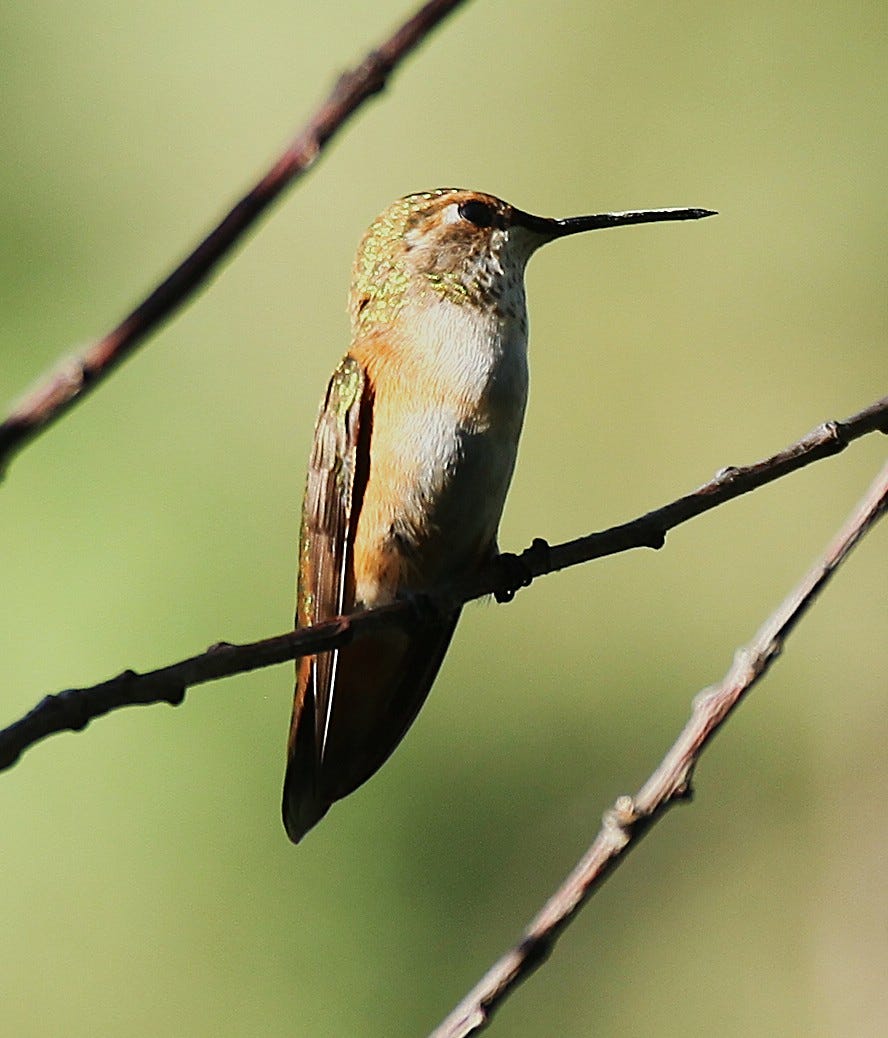
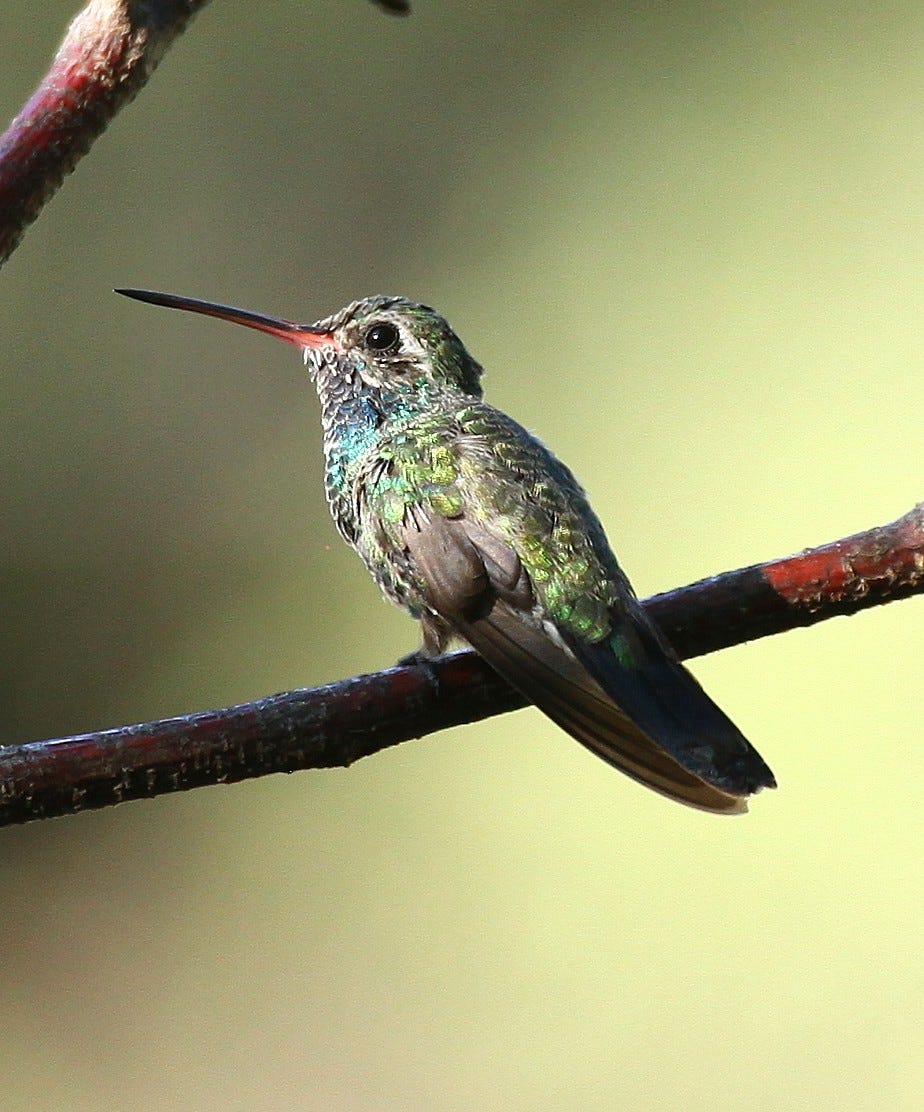
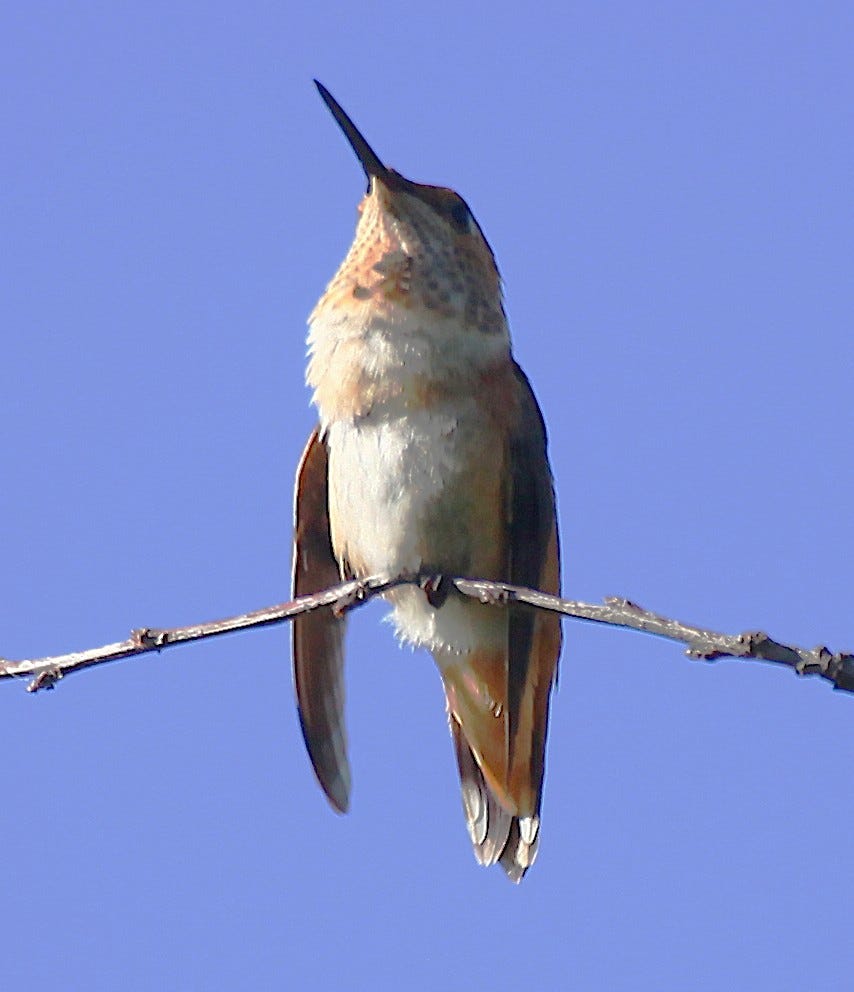
But August is the month of caging feeders. The long tongues of nectar-feeding bats— Leptos and Choeros—snake the ports all night, draining the sugar water by morning. The wife insists at least one feeder remains unguarded by the cylinders of garden fencing. She says I’m biased toward the hummingbirds and enjoys watching the bats’ aerobatics from the bedroom window. I enjoy opening the window and feeling them swirl around my head in the darkness on soft fluttering wings.
One quarter of all mammals on the planet are bats. The number bends the mind, which tells me that nature likes to go with what works, especially if it involves wings. (Hummingbirds alone number more than 360 species.) Of Arizona’s 28 species of bats, two feed on flower nectar rather than insects, thousands of them trailing agave and yucca and cactus as the plants bloom in a northward rush out of Mexico.
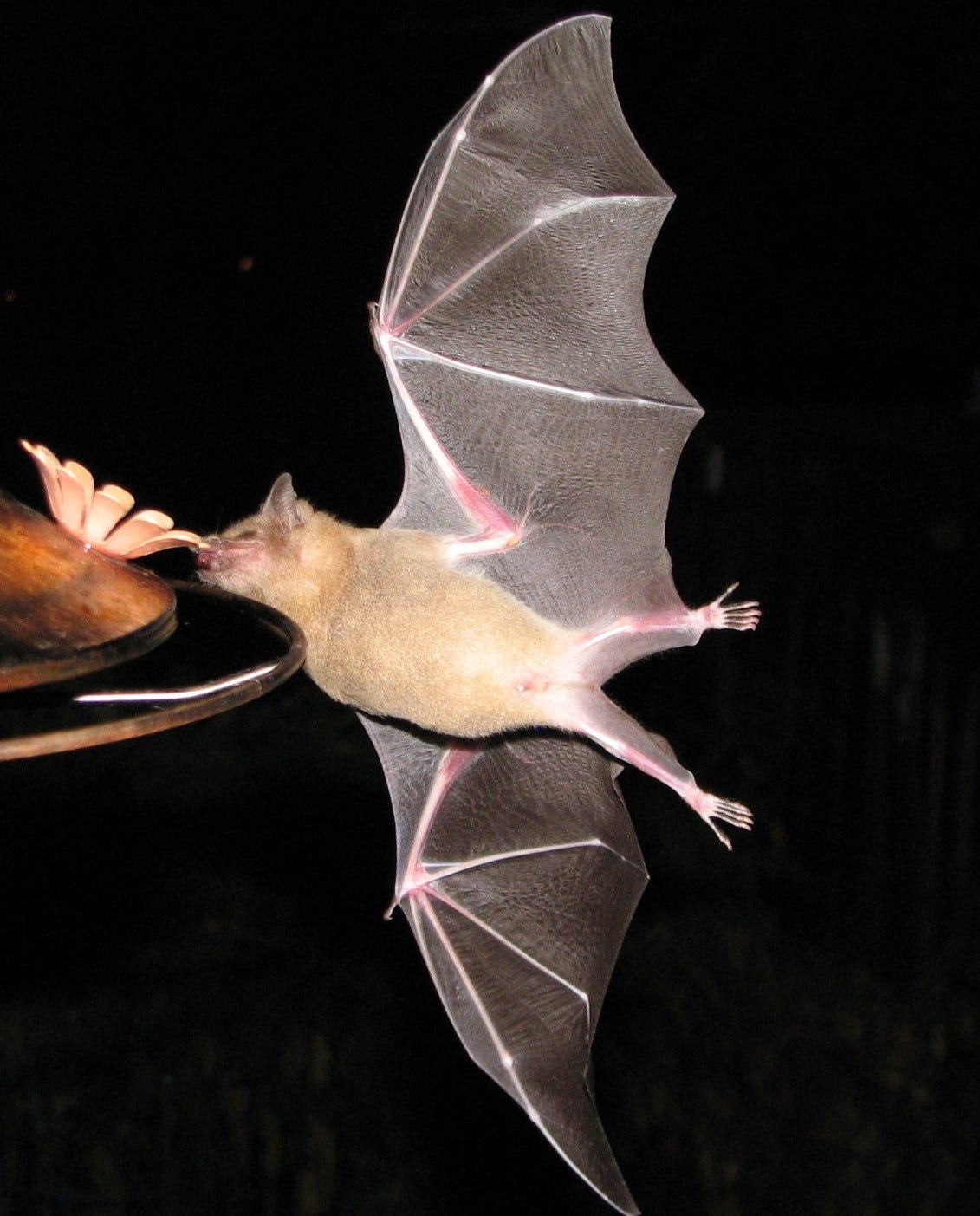
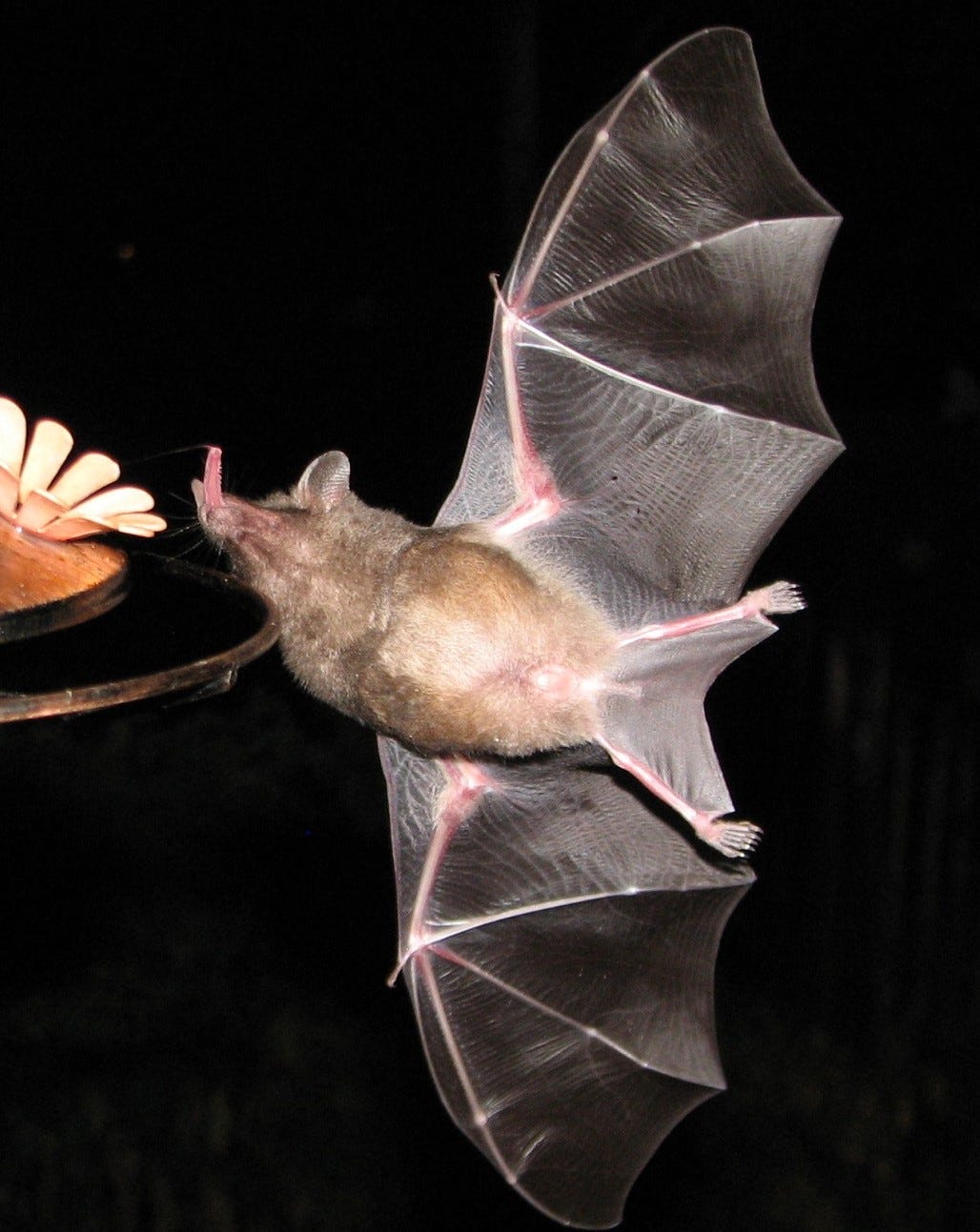
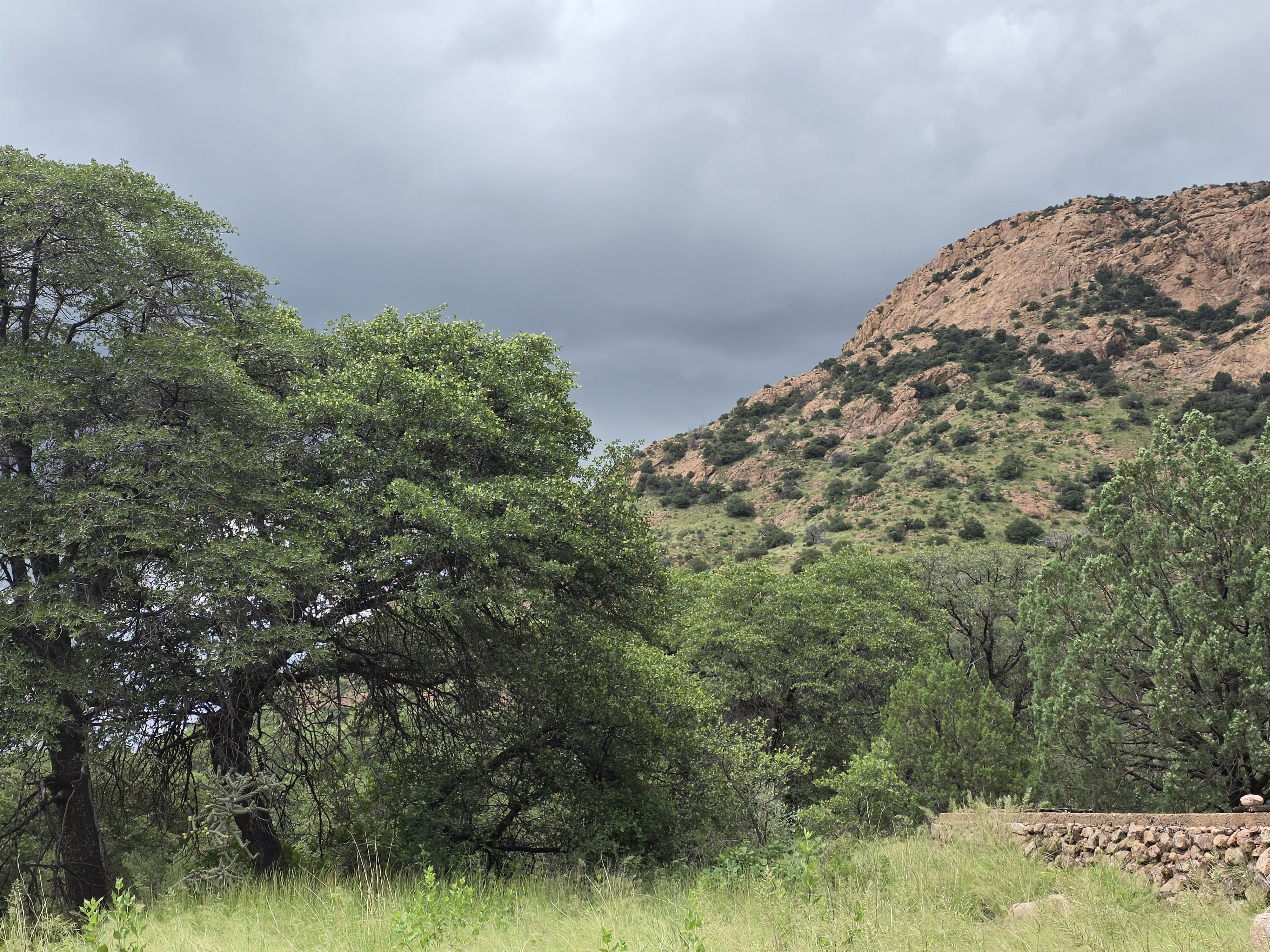
Last night I watched the bats feed after a terrific thunderstorm lit up the canyon and dumped .78 inches of rain in half an hour. Even at more than eleven inches for the monsoon (and grass twice that height), every deluge is still glorious.
This morning, I down Advil with hot coffee. My back is stiff and my arms ache after three days of cutting grass with that hateful tool. The gas-powered weed whacker. That quintessential sound of summer.
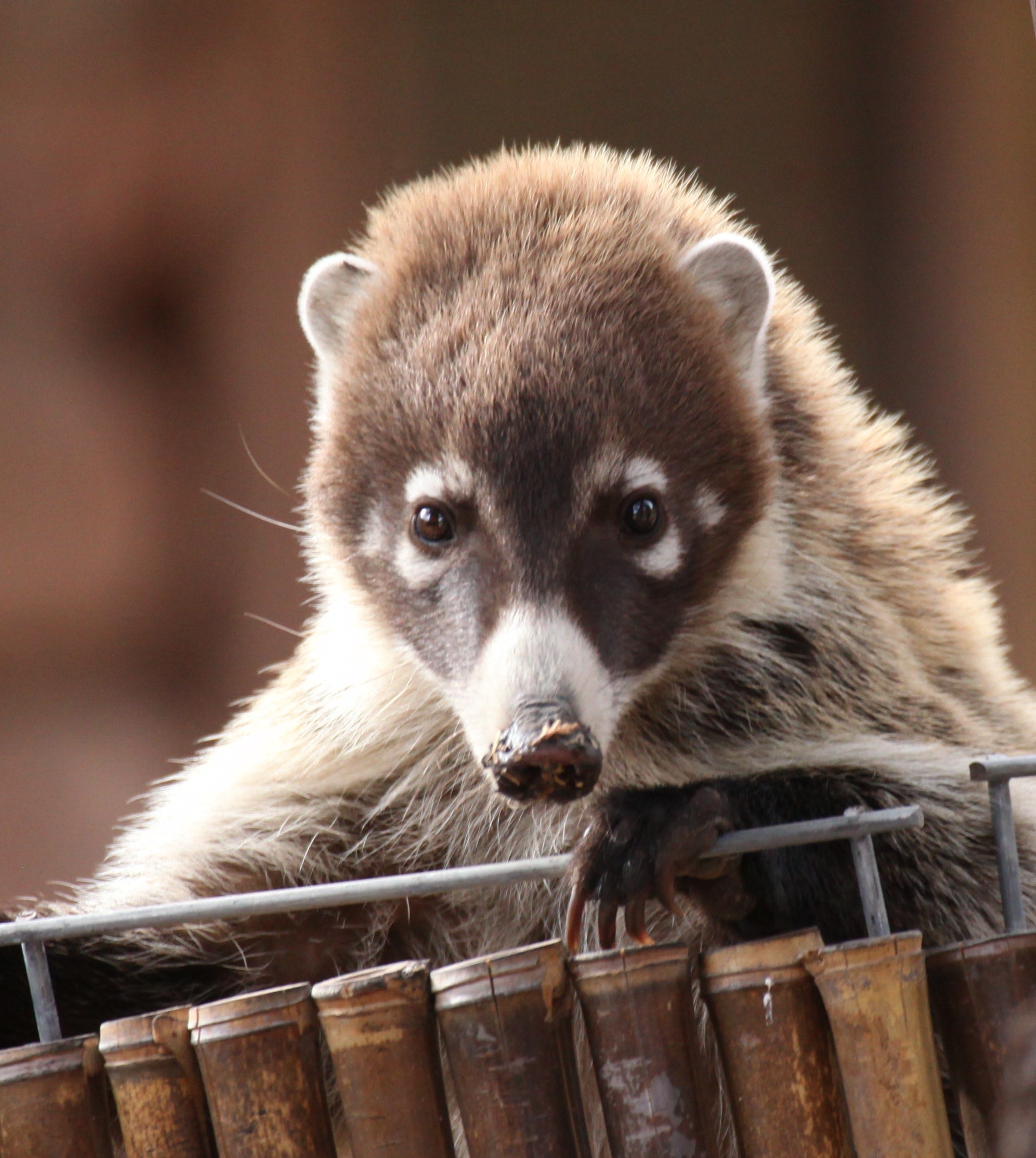
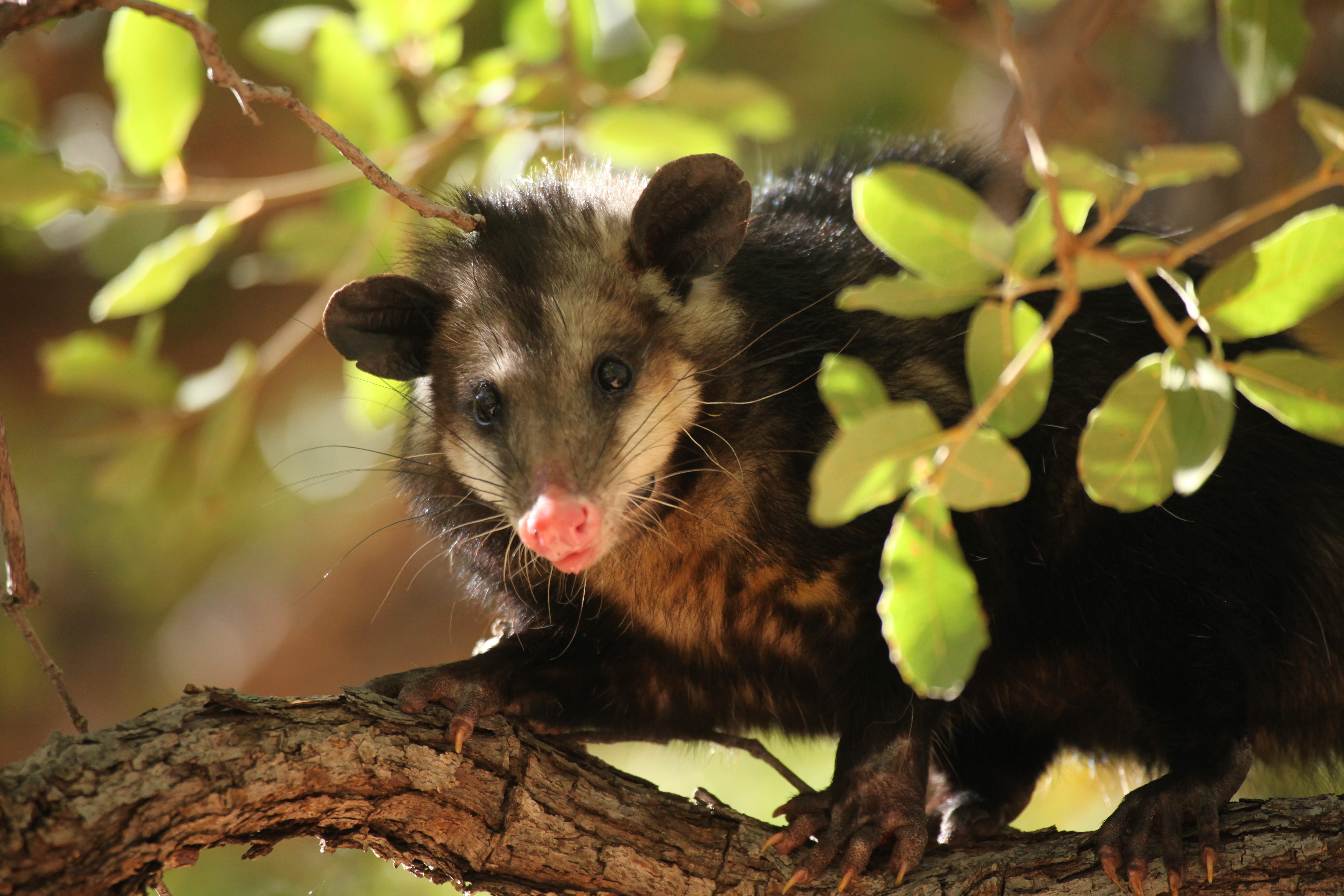
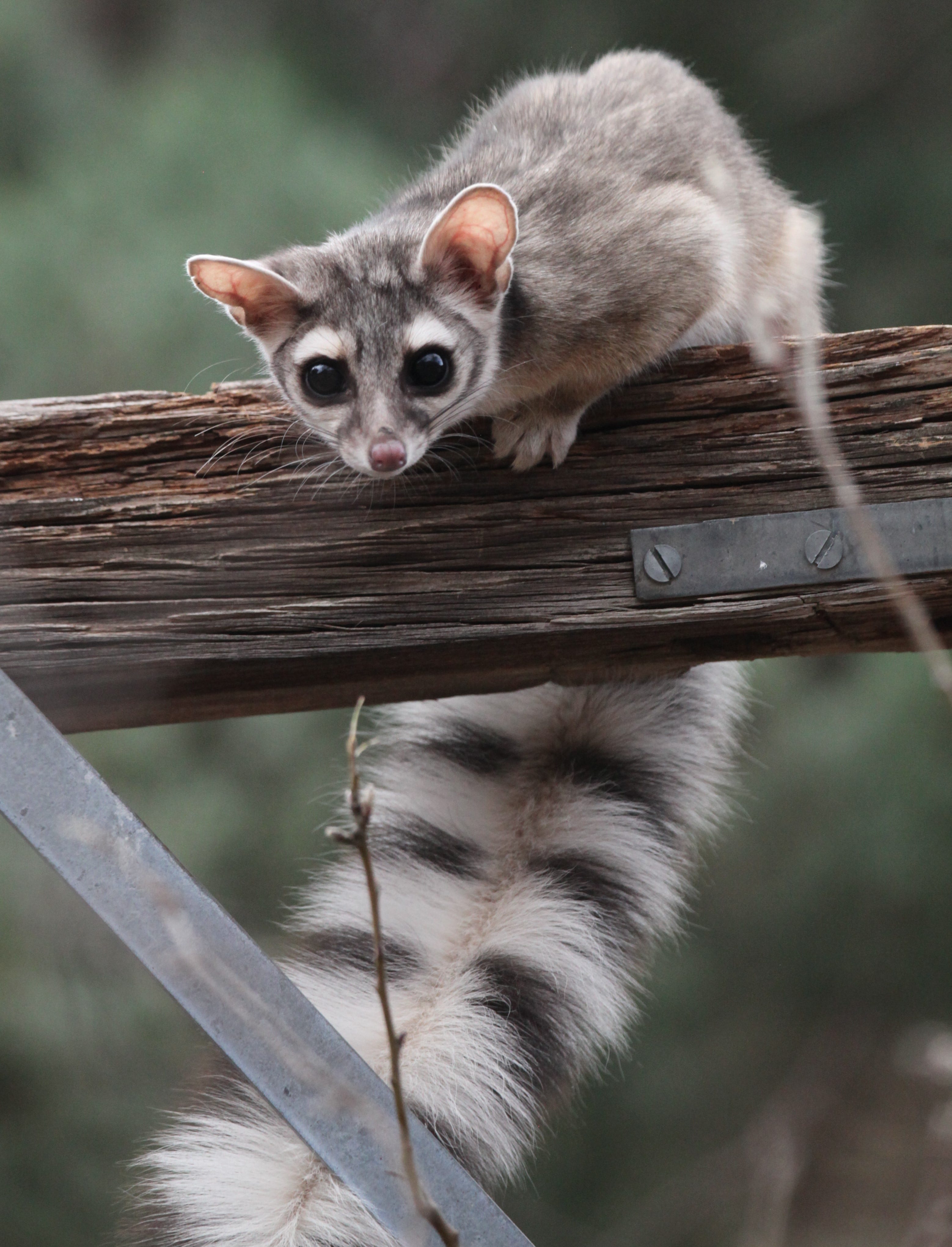
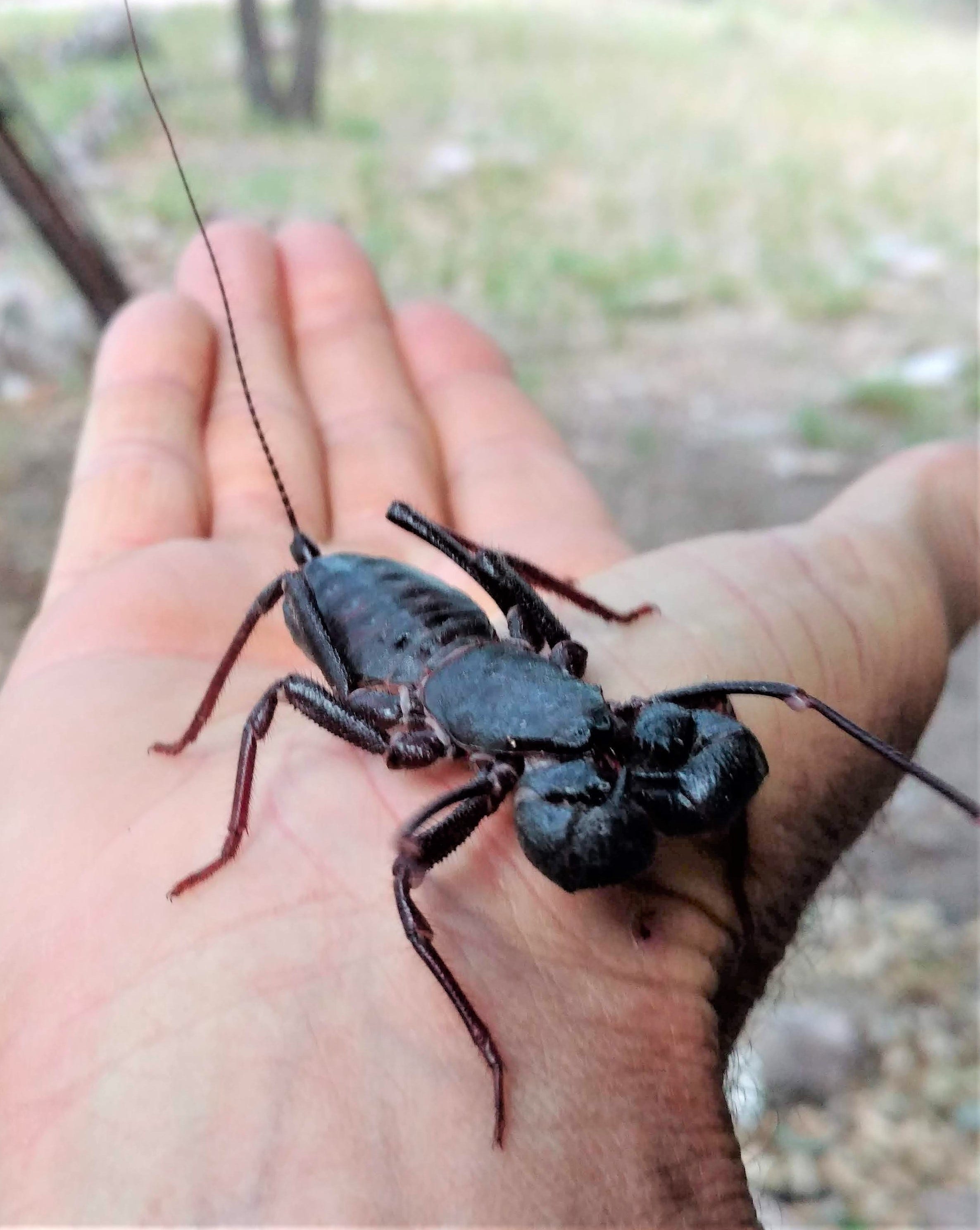
I add the bats, both species, to iNaturalist, an online community platform that allows people from university researchers to citizen scientists to share, identify, and discuss their nature observations. My list for the Mule Mountains now contains 127 observations of 100 species. From mammals like bears and opossums to birds and reptiles, plants and invertebrates. Lately, I’m attempting to add as many species as possible, this being the best monsoon season in the 18 years we’ve lived in this canyon.
And, we’re one month away from the first bioblitz in the Mule Mountains.
I blame my oldest daughter, the wildlife biologist, who started it—30 scientists, researchers, naturalists, and volunteers camping on the property to conduct wildlife surveys for three days and nights. The Mule Mountains bioblitz—a large-scale inventory of every plant and animal in the range. The international nonprofit, Greater Good Charities, through their Biodiversity & Conservation Program, is organizing the feat.
The son-in-law and I will set up an outdoor kitchen and feed them—for that I can only blame myself. Recipes anyone?
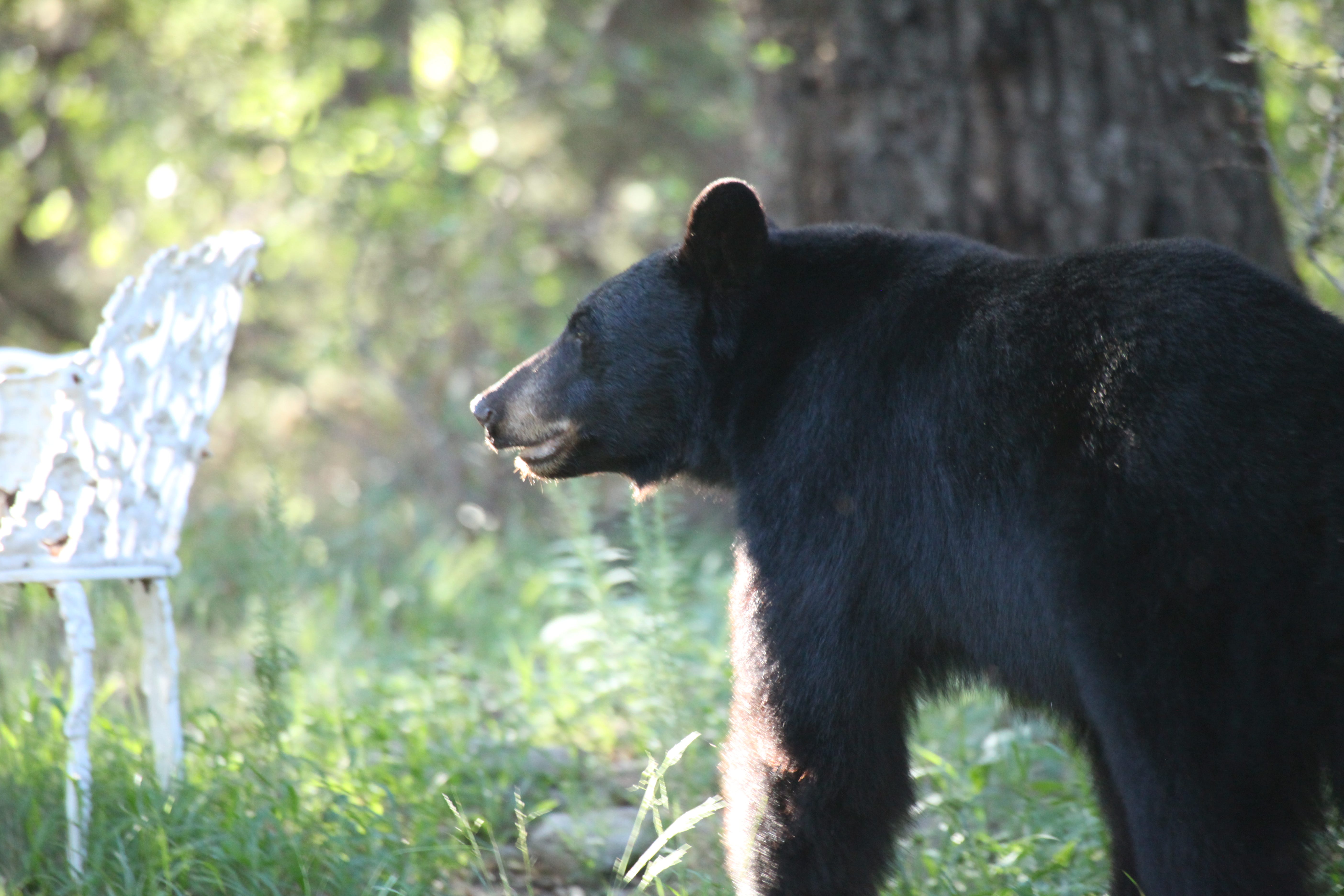
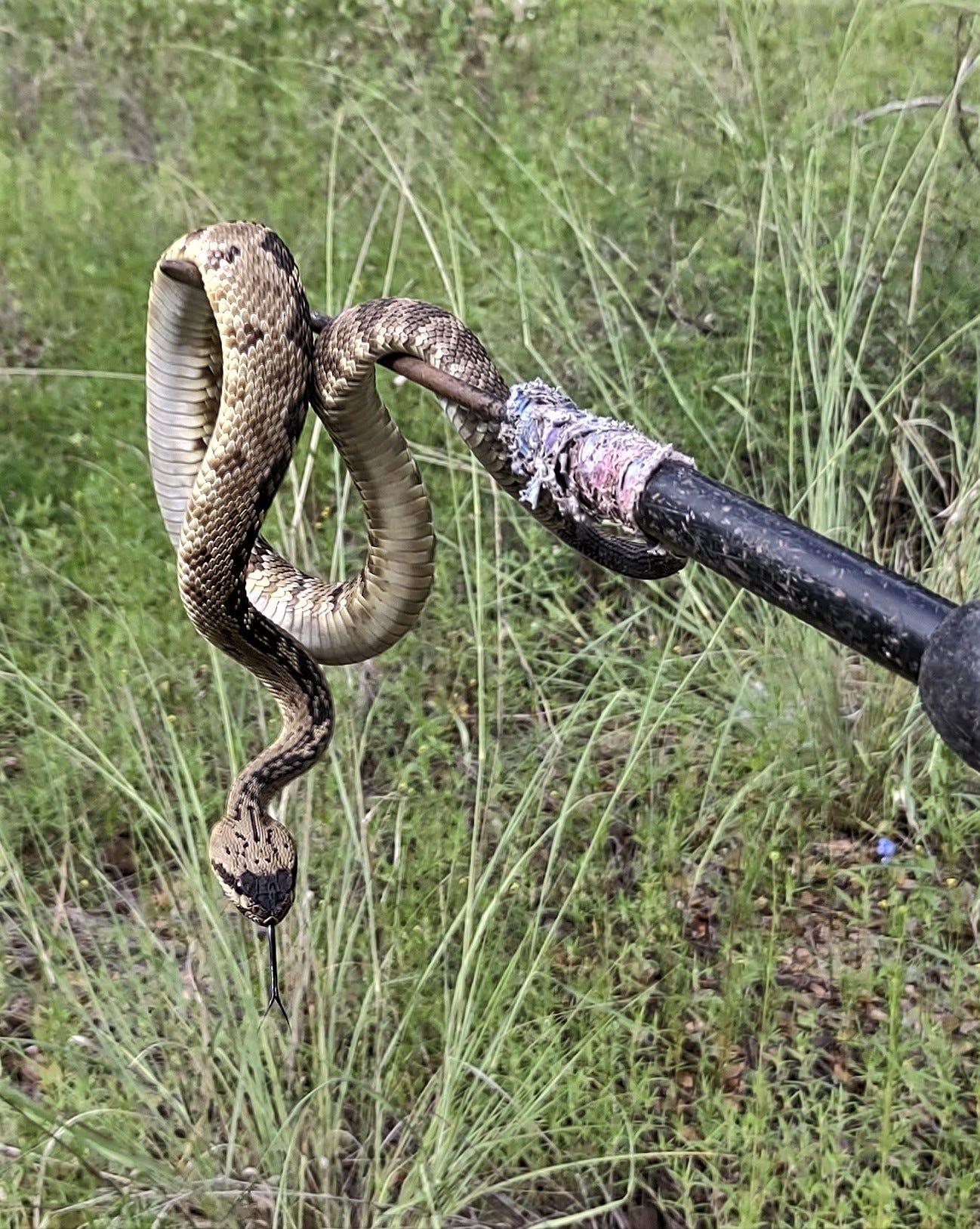
I have mountain lion, bear, rattlesnake, possum…and toad.
Oh, and sugar-fattened bat.
Thanks for reading! More to come—especially the hummingbirds!
No posts
Comments
Nothing yet. Say the first thing.
Sign in to join the conversation.