
July 8, 2026
Something unexpected. Improbable. Impenitent. More feathered absurdity and astonishment.
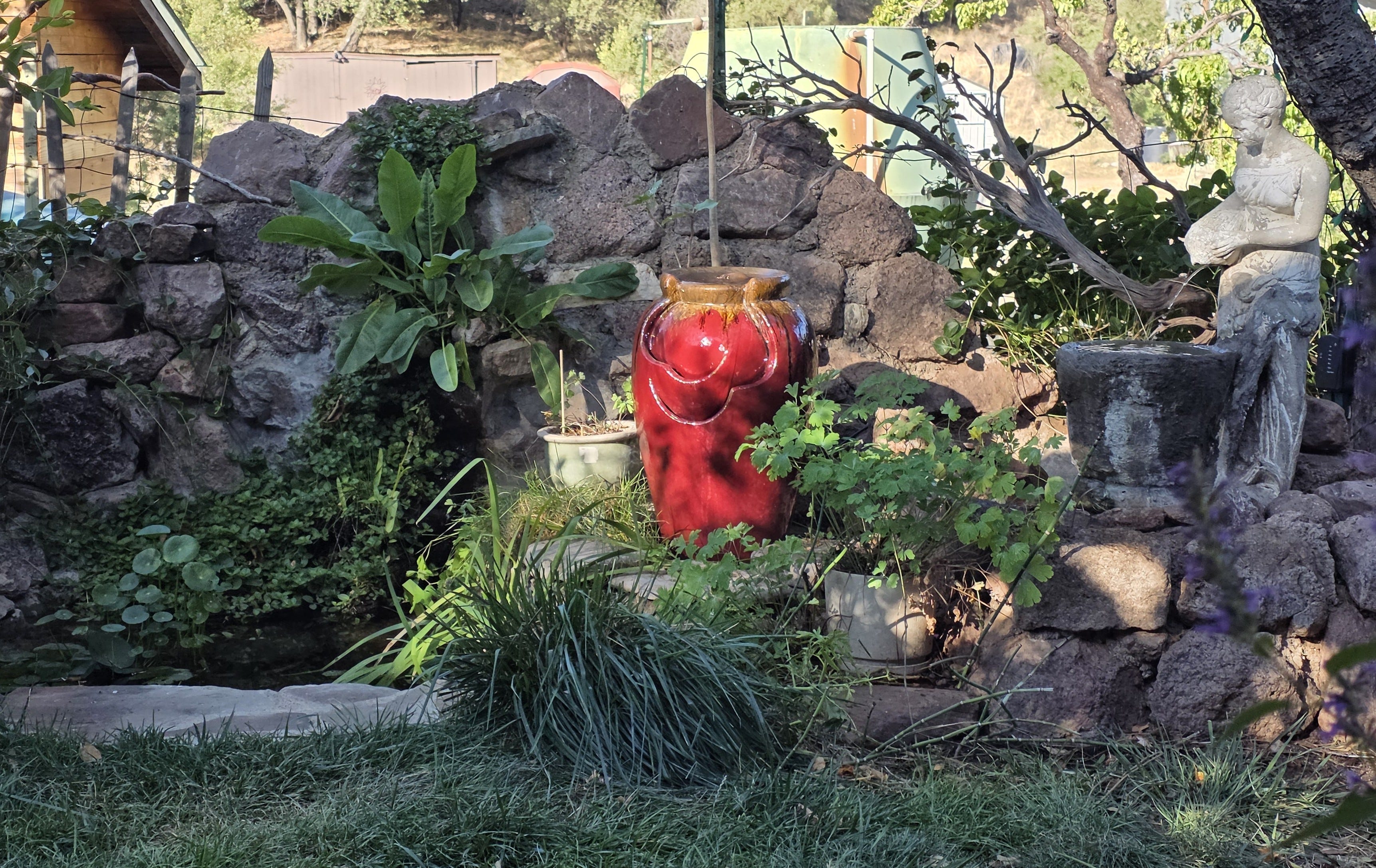
Early this week, as I stood in the yard admiring the trickling fountain, a new bird materialized at the pool. Warbler-like. A late yellow-rump? I thought at first. But this one was mostly black—black head, back and whitish belly…then I saw the orange flanks and wingbars. American redstart!
I turned to the table for my camera and the table sat empty. Shoot! I’d left my camera on my desk. I rushed through the house to retrieve it, and when I returned the bird flew into the apple tree. I snapped three quick shots before the redstart disappeared. I waited an hour, camera in hand, but the bird never showed again.
I had proof—barely. But enough for a rare-bird confirmation on eBird. A male American redstart, species #183 for the yard.
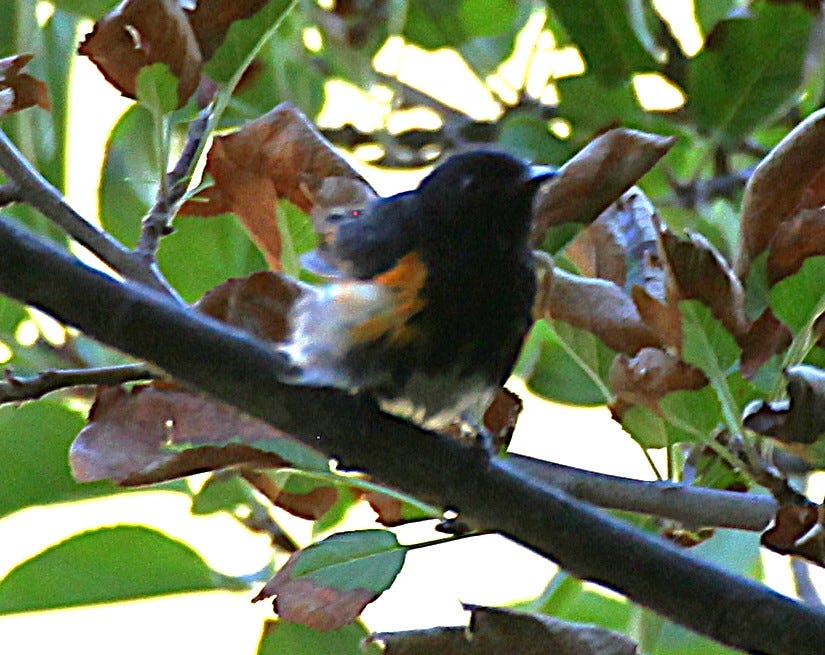
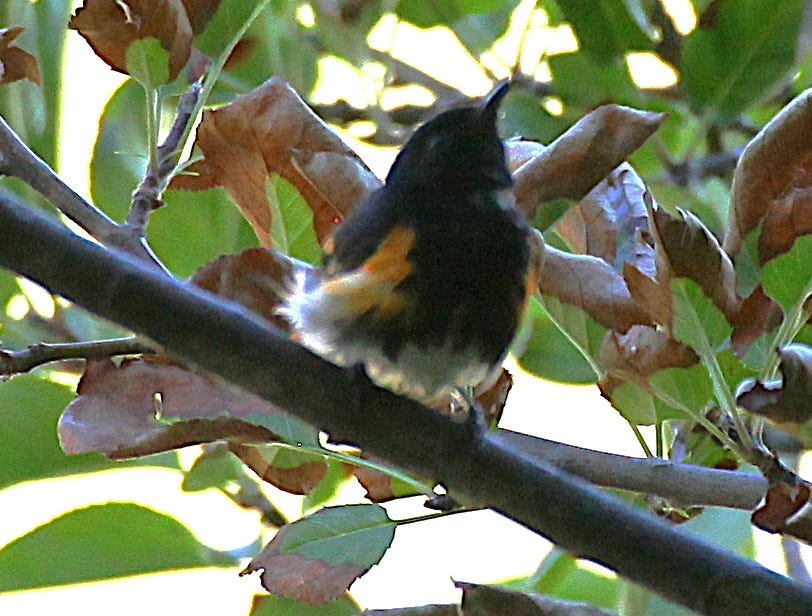
Any new bird to the yard, after 182 species, is going to be a rarity. But this American redstart was the only one reported in the county—in fact, the only one reported in the state. The only American redstart in Arizona. A rarity among rarities.
After I posted a photo of the bird to Facebook, a friend asked how many rarities I have reported from my yard (thanks, Dawn!). Good question. I had to do my research (thanks, eBird!). Since 2020, when I started this Substack project in my PJs, I have documented 29 species considered rare for southeast Arizona, some of them more rare than others.
Among the purple finches and painted buntings, the Lucifer and Allen’s hummingbirds and yellow-billed cuckoos—and counting backward from the American redstart—here are the previous rare birds down to the rarest of all, a bird never before seen in Arizona (and only seen by me):
Northern Saw-whet Owl, February 27, 2026. It was dark. But you can find my recording of the owl at https://ebird.org/checklist/S304647857
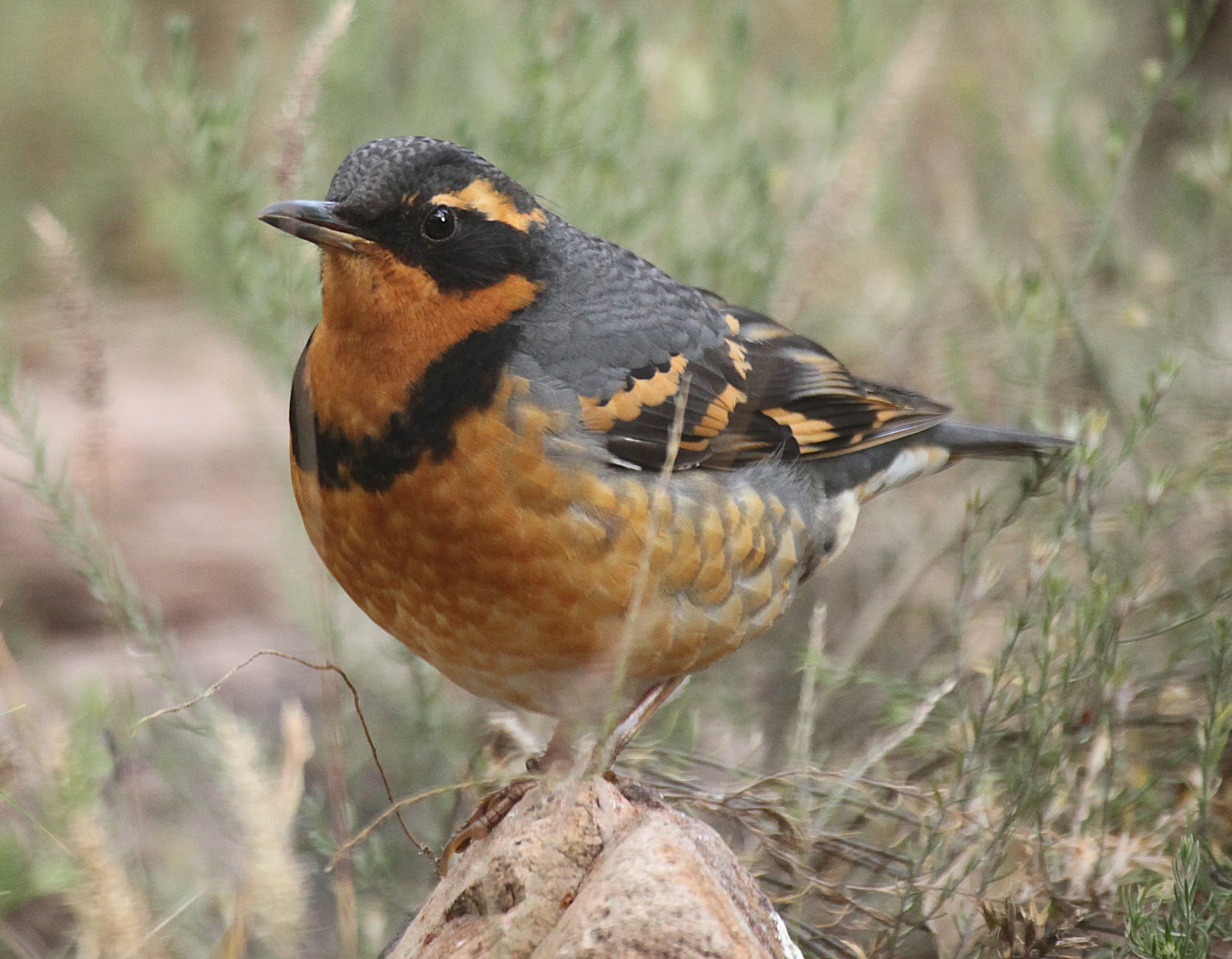
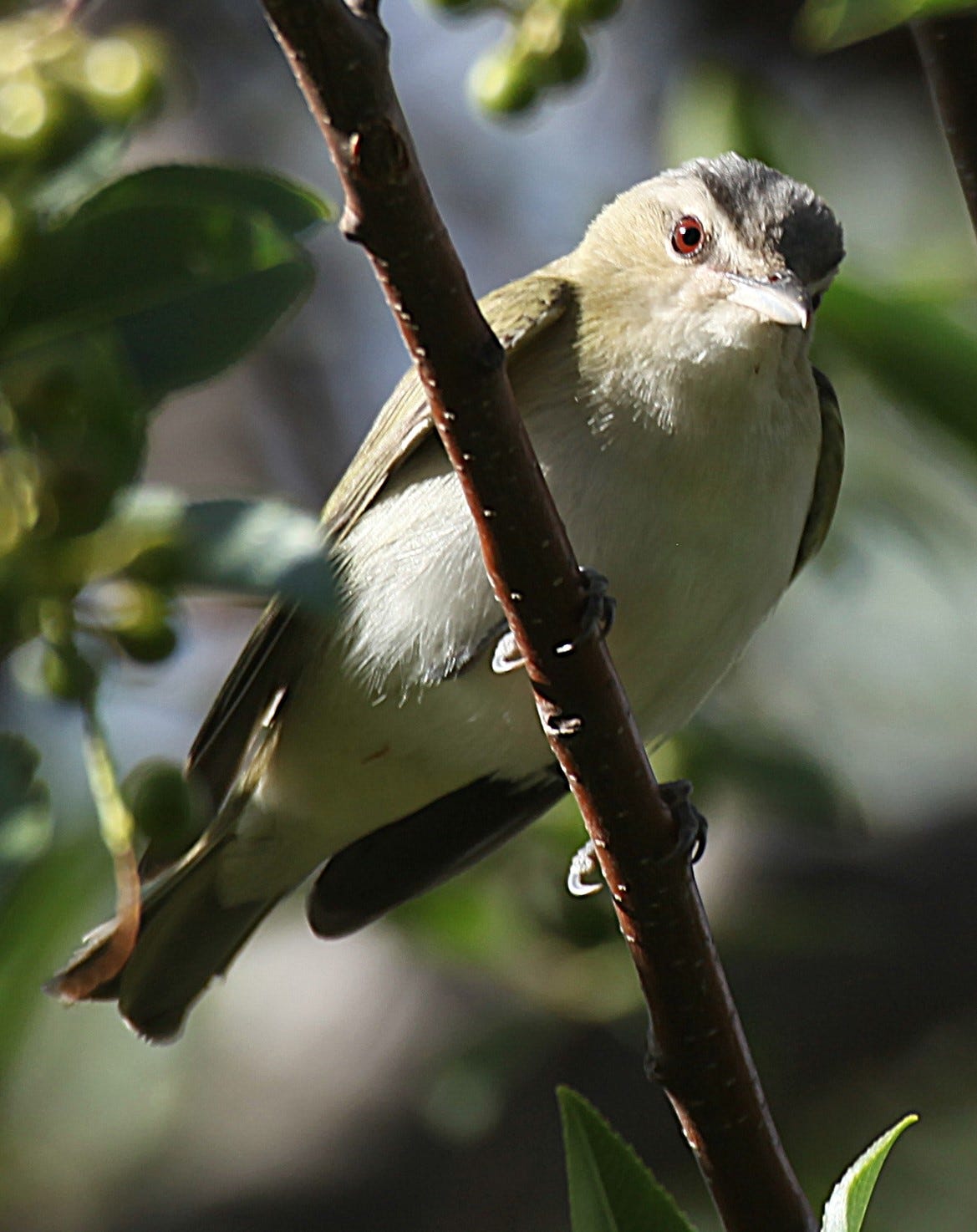
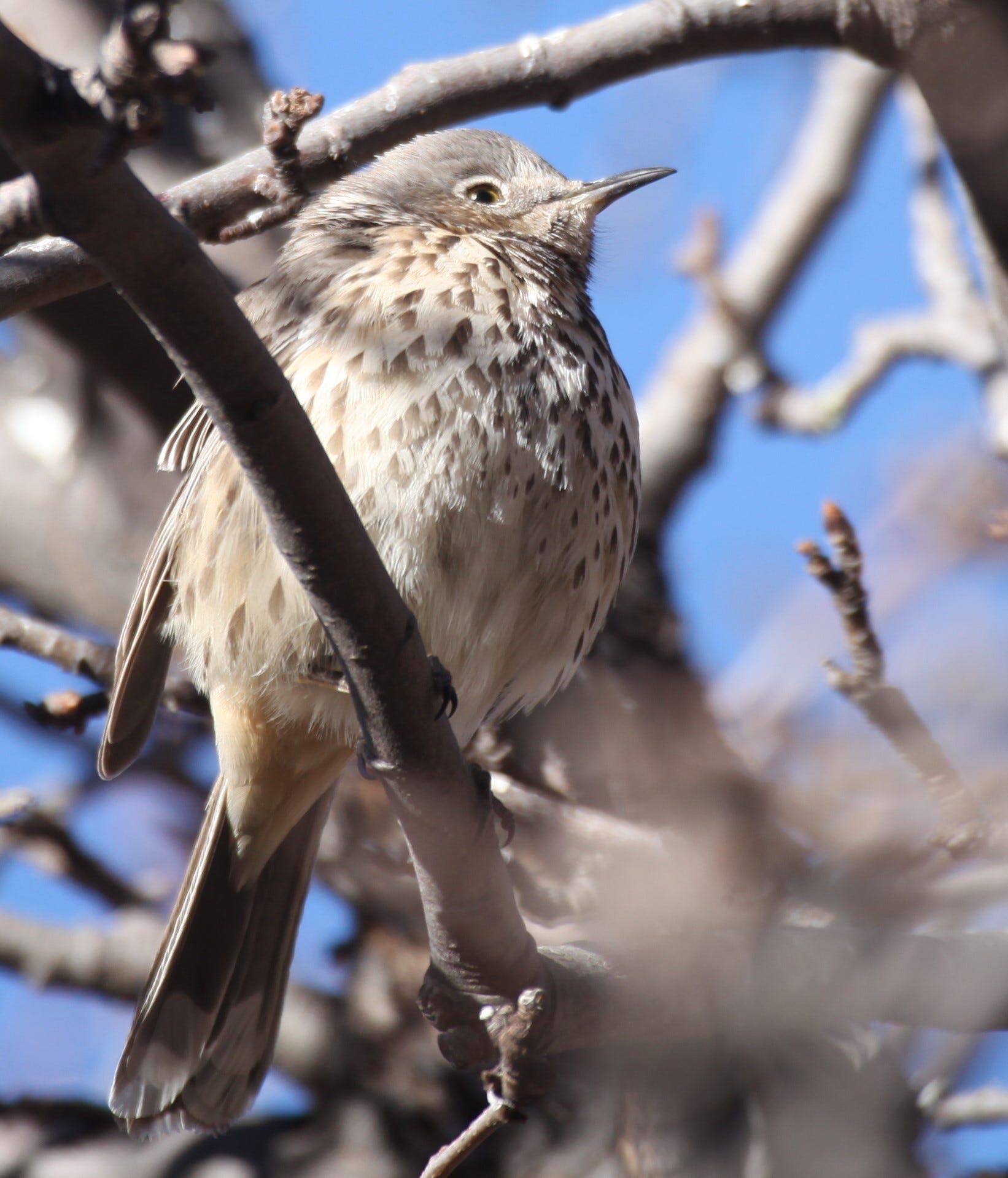
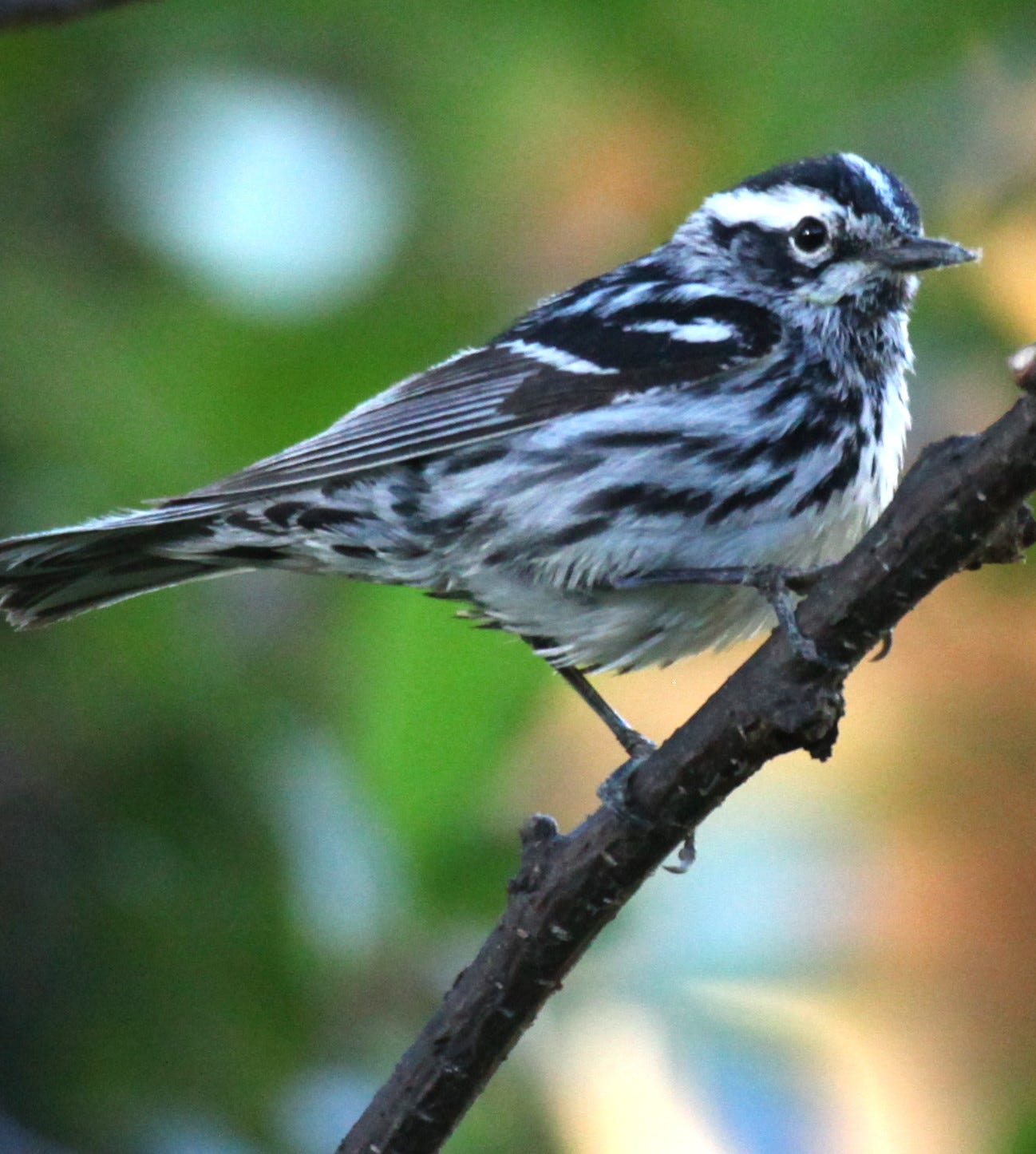
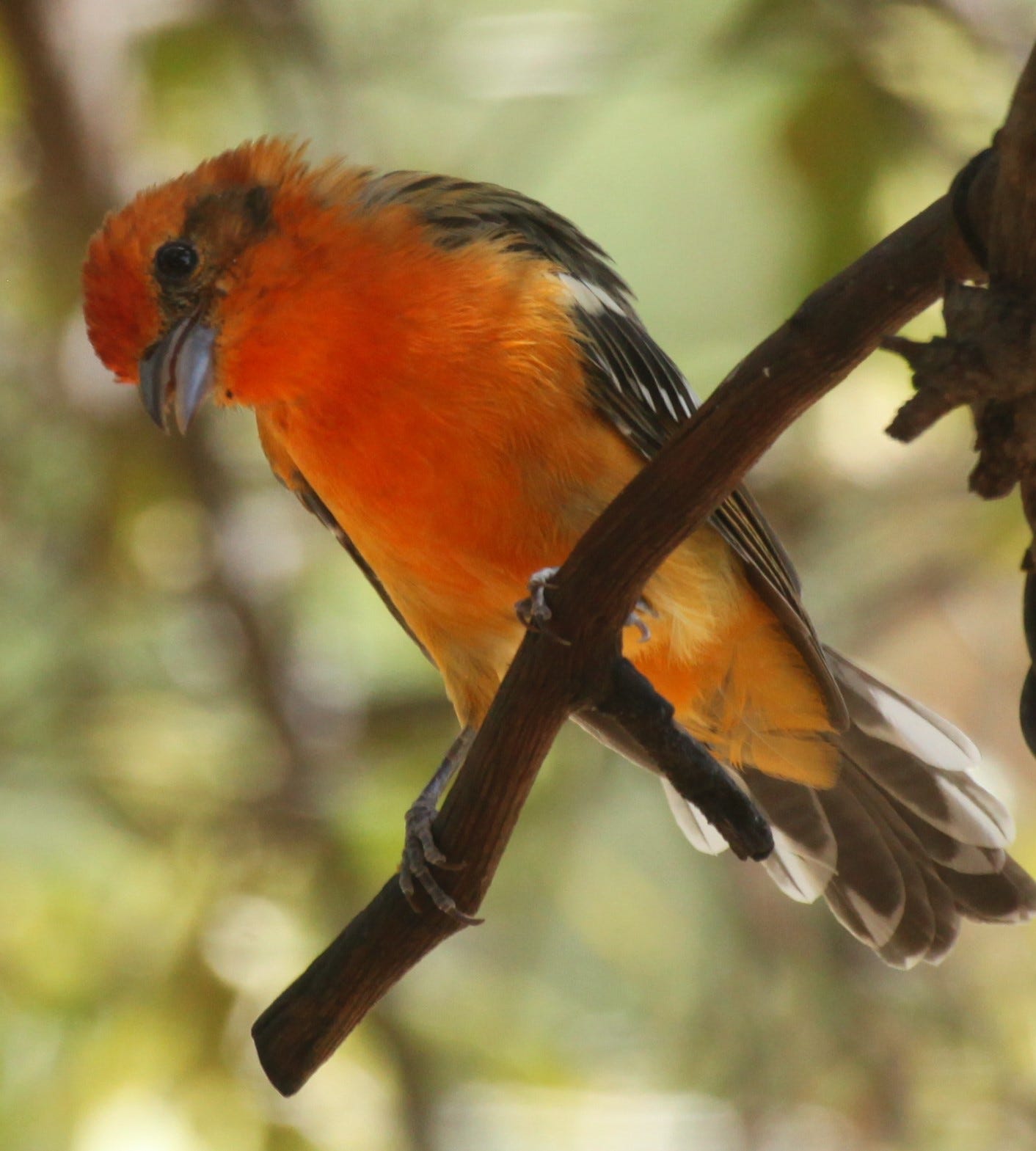
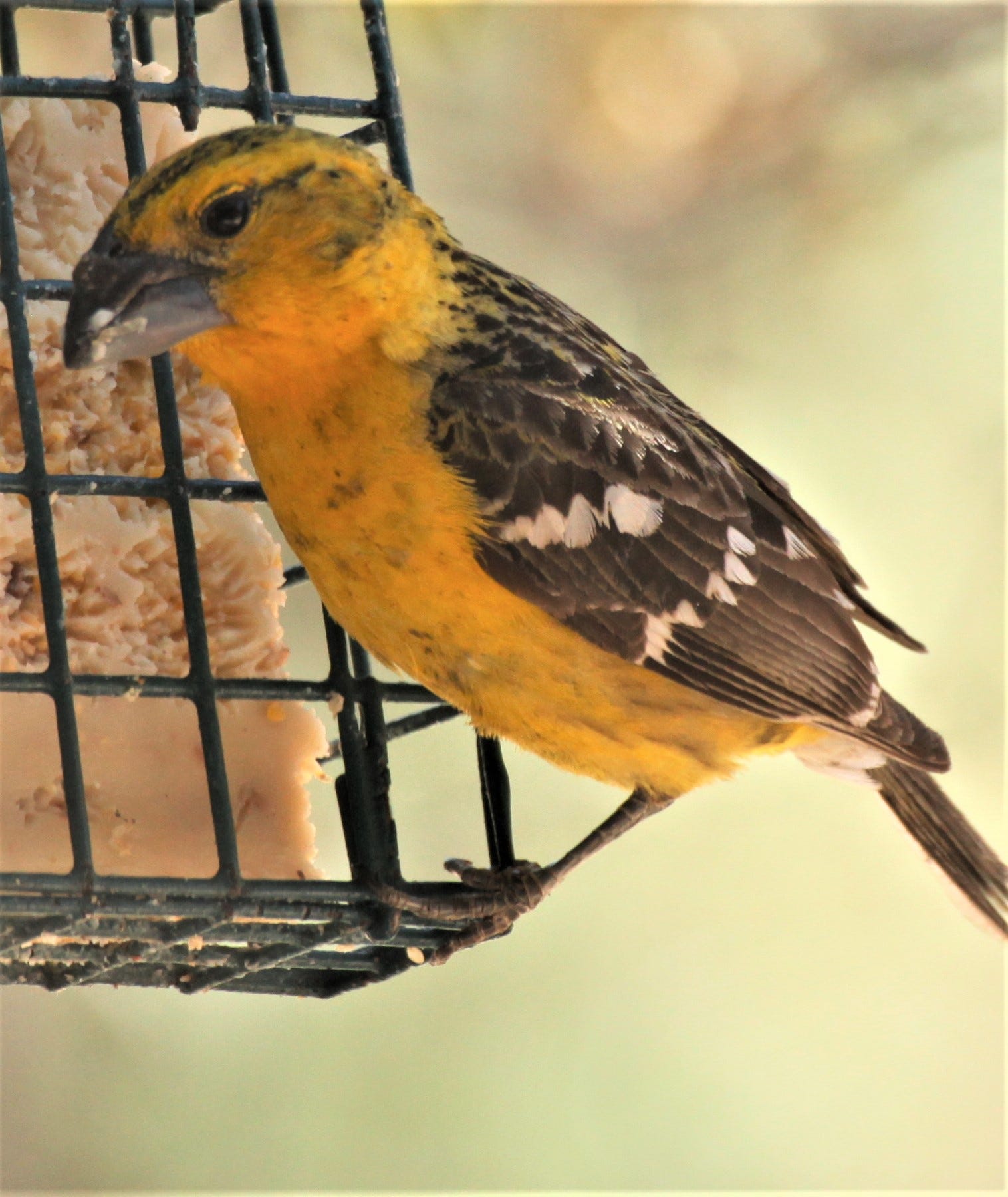
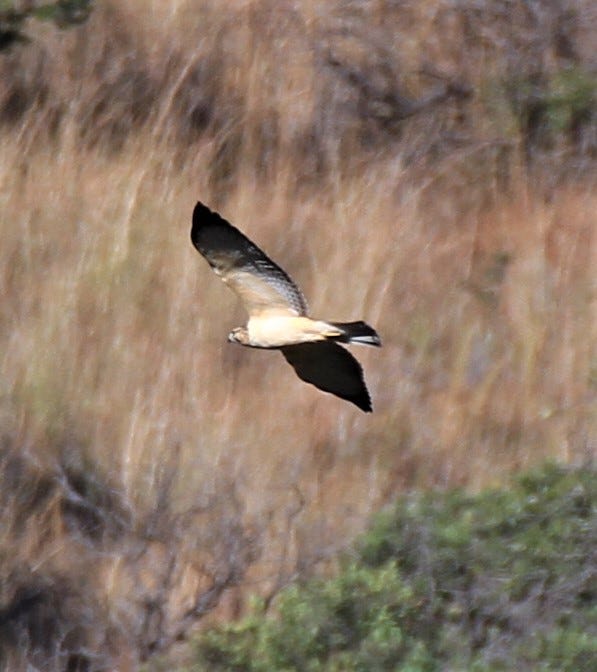
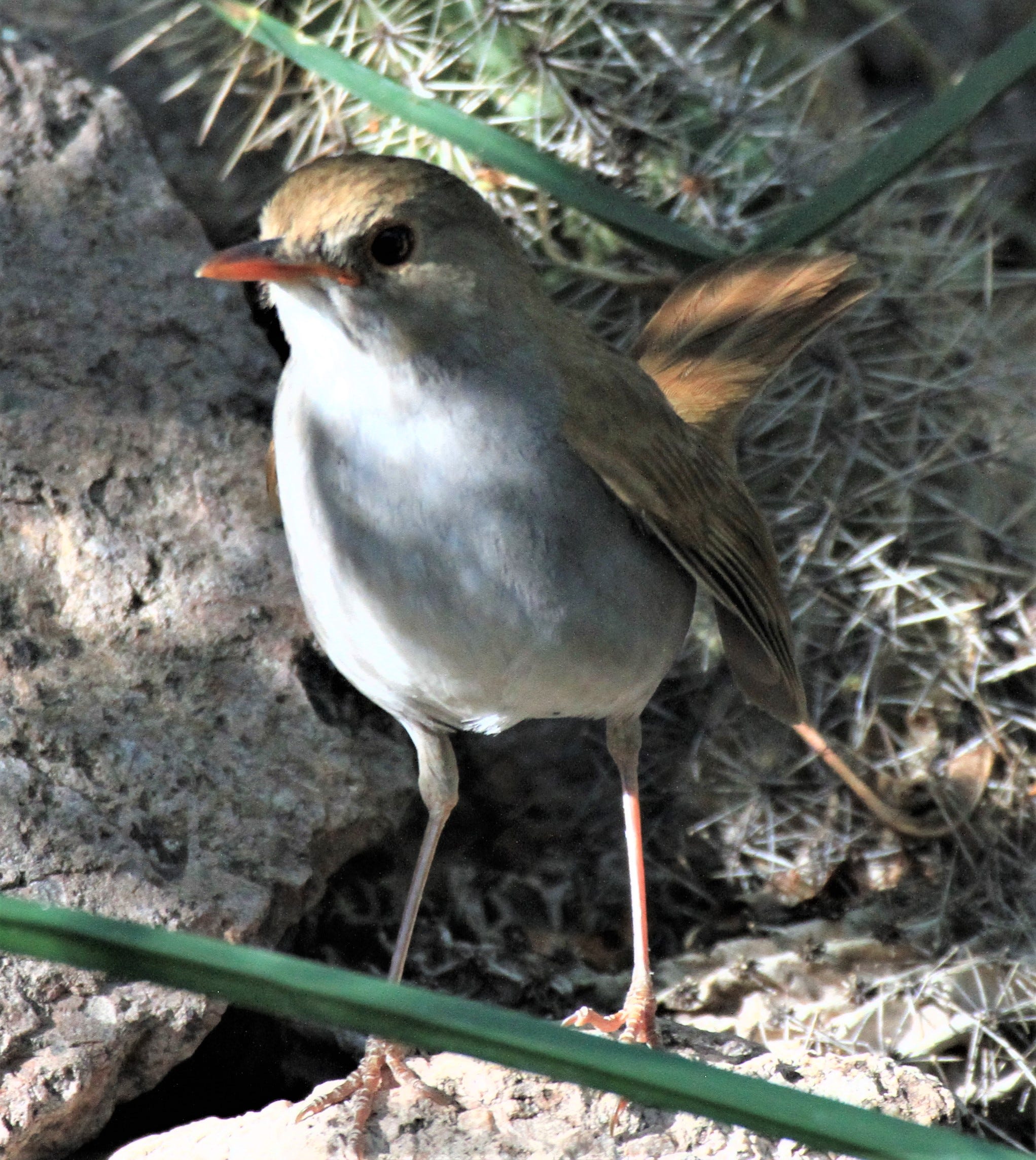
Who knows what rare bird is next? I’ll be watching—thanks for reading!
No posts
Comments
Nothing yet. Say the first thing.
Sign in to join the conversation.