
Is the power to imagine and act on our ideas becoming a privilege in the world today?This is a genuine enquiry and one I haven’t fully worked out, it’s a discussion not an answer.
It’s easy to equate imagination with creativity or culture or the arts, and whilst they form part of what I’m exploring here, its not the whole view. There’s also an entitled position that we can take, one that assumes that people with less income, less formal education or different lifestyles are somehow less imaginative than those with money, power, and voice. I absolutely disagree with that but at the same time I do believe there is an access issue driving a level of disparity. The creative resilience people show in marginalised and low-income communities demonstrates not only is imagination universal, but also, like water, it will always find a way to flow out.
There are some big factors that help power our imagination and its access to these that I feel is becoming more of a privilege in modern life. They are becoming monetised, commoditised and placed out of reach.
Boredom is an imaginal training ground and many studies are starting to show how vital it really is for us to be bored. Day dreaming, coming up with ways to not be bored, translating experience and sensory signals into meaning, connecting ideas, all these brain states are vital to imaginal health. Being in a chronic state of flight/fight/freeze doesn’t leave much room for boredom, does it?
Having time, money and opportunity for self-care and mental wellbeing is becoming rarer. The wellness economy is booming, yet in some places in our society basic healthcare is sadly lacking. When you’re constantly trying to survive you are scanning for threat, imagination quickly becomes catastrophising and optimism gives way to a sense of impending doom. Instead of our imagination empowering us it can quickly lead us down a black hole.
We are more nature deprived than we realise - transport, access, green spaces and safety are all barriers to equality when it comes to nature connection. Nature is a space to recharge, to see yourself in something greater, to experience awe and wonder. Without it we sit inside technologically driven systems, continuously iterating and regurgitating.
We drift away from the seasons, from food sources, from wildlife and this thins the soul. When we swap a sunrise for a reel of a sunrise, we’re swapping our direct sensory experience for a mere reflection. We forget how to imagine and assimilate ‘sunrise’ into our lives, instead we passively watch as someone else tells us about it.
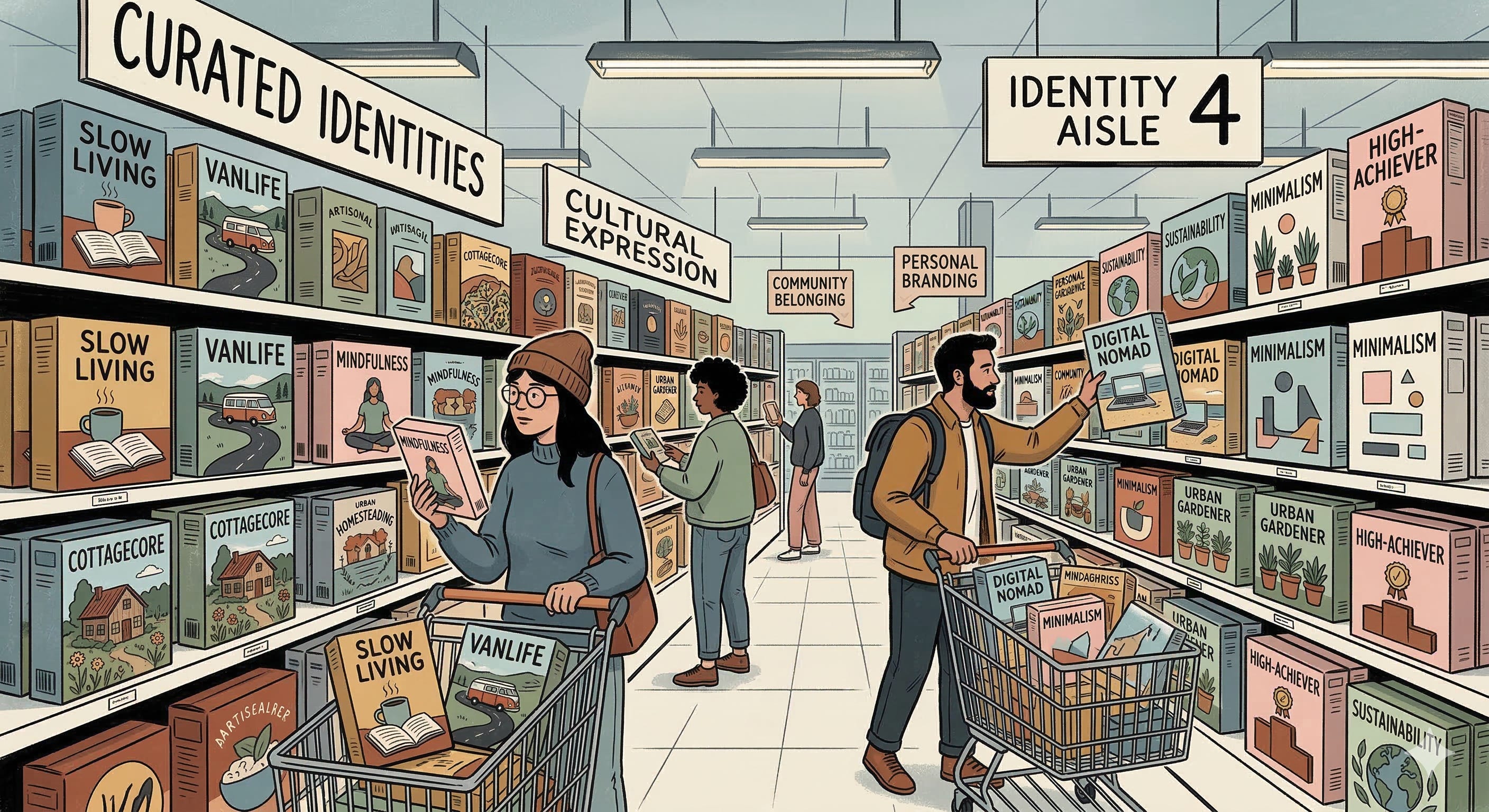
Culture means so many things and there’s a tendency to think about it as ‘high’ culture, created by the few for the many (or the many with money). Access to our own cultures - authentic, rooted and celebrated - is giving way to a homogenised version of the world. This rush to be the same decreases our tolerance and learning of one another. It stops us continuing and evolving culture as a practice. It tempts us to buy or subscribe to a culture. People find their tribe and create barren bubbles of reference and imagination is left to entropy.
Art might not be everyone’s cup of tea, but stand in front of a large visually arresting canvas and just feel the shift in your body. It happens, it’s proven.
Because imagining is one thing, believing you can change your circumstances is another. People in rigid systems often have imagination but no permission structure to act on it. They are kept down by class structures, kept quiet in bureaucratic workplaces, made to fit in within authoritarian political landscapes and slowly disconnect from uninspiring education systems.
Constant screen-based stimulation leaves no cognitive space for imagination
Let’s not forget too that our increasingly algorithmic culture rewards conformity and sameness. It breeds familiarity over novelty and the constant screen-based stimulation leaves no cognitive space for imagination. Our passive consumption replaces active meaning-making. How do you feel after 30 mins of scrolling versus 30 mins of dancing? Exactly.
Imagination itself isn’t a privilege but the conditions that allow imagination to flourish might be.
Are we outsourcing imagination to tech, media, and influencers? Are we losing the muscle of imagining for ourselves? Is imagination a human right? And what kind of society protects imagination?
I’ll be exploring these questions in my research into imagination this year. If you have ideas and thoughts on the state of our imagination I’d love to hear from you.

Comments
Nothing yet. Say the first thing.
Sign in to join the conversation.