

Welp, this is it. The final issue of the KC Downtown Loop. Hard to believe it’s been two and a half years since I started publishing. Time has flown, and I’m looking forward to what’s next (whatever that may be).
I have so many people to thank for their support, but special thanks to my long-time friend Joe Nichols and to my wife Karen Gettinger for believing in the concept and giving me the opportunity to pursue it.
Beyond that, I am so grateful for the support of The Loop’s Founding Subscribers: Terence and Marsha Arredondo, Karin (Erickson) Bradford, Henna and Steve Fuller, Chris Gahagan, Bob and Susan Hiatt, The Kiwinda-Tinsley Family, Todd and Donna Martin, Jane Reed and Mark Patterson and a couple of Founding Subscribers who asked to remain anonymous. I’ll never forget your generosity or your advocacy.
And, of course, thanks to all who signed up for paid subscriptions. Your support helped pay the bills and keep The Loop rolling these past 30 months. Thank you, thank you, thank you.
Thanks, too, to the free subscribers — I know many of you served as advocates and ambassadors for The Loop, sharing emails, re-posting links, telling friends and associates about what we were doing, and I appreciate that so much.
Finally, big thanks to the folks at the Kansas City Public Library, Missouri Valley Special Collections, who provided so many visuals and information for The Loop — either by me researching their historic treasures, or by them assisting me with questions.
As I sign off, I invite everyone to follow me on social media. I’ll be keeping @kcdowntownloop as The Loop on Instagram, but the same handle on Twitter will likely turn more personal and less exclusively about Downtown. (I’m hoping Bluesky takes off so we can all ditch Twitter some day soon.)
My Linktree page provide paths to all my websites and social accounts, including my Penguin Park merchandise page and my freelance video production, editorial, and visual design business, Radial Drift Studio.
I’m grateful for this experience and for the chance to meet or reconnect with many of you. It was a dream realized, and you all made it happen.
Thank you.

No prizes or praises (for now), just a trivia question to test your Downtown knowledge….
Q. What was “The Kansas City Blitz,” which started around 1953?
A. See the answer near the bottom of this issue.

Levi Harrington, hearing gunshots while awaiting a political meeting in a West Bottoms saloon, went outside to view the commotion. Despite eyewitnesses saying he looked nothing like the shooters, at least one man in the vicinity claimed Harrington was suspicious and accused him of shooting a police officer who had just been killed.
Harrington was taken into custody by police, and before long the crowd in the West Bottoms transformed into a mob. At the same time, the actual culprit in the murder, George Grant, was also taken into custody nearby, unbeknownst to most in the vicinity. While the police attempted to transport Harrington to a jail near the City Market, the angry white mob — now in the hundreds — followed and eventually overtook the officers on the Bluff Street Bridge, where they put a noose around the innocent Black man’s head, threw him over the bridge, and shot him repeatedly. No one was ever convicted of his murder.
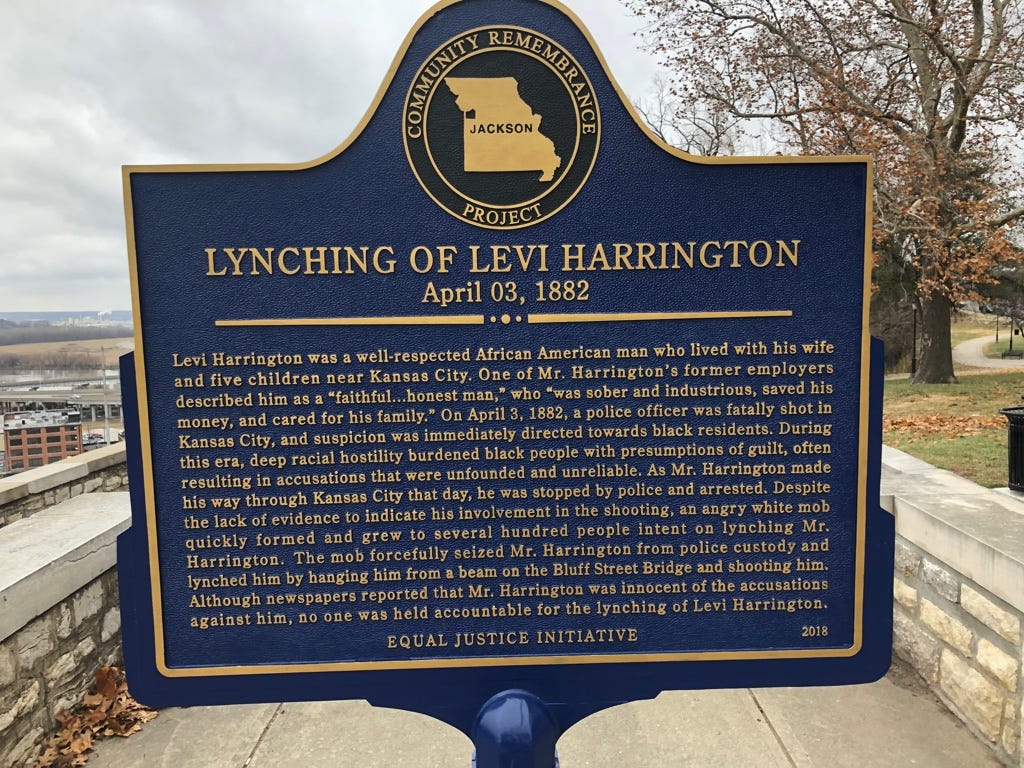
Harrington’s lynching — some reports say he was only 23 years old— was just one of 60 such racially motivated murders against African-Americans that occurred in Missouri between 1877 and 1950. A memorial plaque documenting Harrington's lynching was erected in Downtown’s Case Park in 2018. It was defaced in 2019 and destroyed in 2020 before the memorial plaque was restored, once again telling the tragic story of Levi Harrington for generations to follow.
Around 8 p.m. on Wednesday, April 5, 1950, two of Kansas City’s best-known and most notorious gangsters — Charles Binaggio and Charles “Mad Dog” Gargotta — were shot at close range and killed inside the First District Democratic Club at 716-718 Truman Road (about halfway between Holmes and Charlotte). Graphic photos of how the bodies were found do exist, but I’ll let you decide if you want to do a search online for those or not.

Oddly, although residents of the Como Hotel above the club heard several gunshots that evening, apparently nobody called the police, and the bodies weren’t discovered until about 4 a.m. the next morning (which is probably why many sources mistakenly claim the duo was killed on April 6). Binaggio was slumped in his chair with four gunshots from close range to his head. Gargotta appeared to have tried to escape near the front door with one shot penetrating the back of his head seemingly from some distance. He also had three additional bullets in the head from closer range.
Binaggio was infamous for taking over the Kansas City underworld a few years after Tom Pendergast lost power in the late 1930s and Johnny Lazia was killed in 1934. Charles Carollo had served as KC’s mafia boss from 1934 until he went to prison in 1939. So, in October of that year, with Gargotta as his enforcer, Binaggio took full control of KC’s local crime syndicate. It was reported that Binaggio and Gargotta built a gambling racket that grossed as much as $34.5 million a year (about $448 million in today’s dollars).
The pair’s murders were never solved, but several plausible theories exist. One thought is that the mafia had been upset with Gargotta for testifying — and naming names — before a grand jury. Another possibility is that Binaggio didn’t succeed in his attempt to expand the gambling racket in Missouri, thus disappointing and angering mafia bosses in bigger cities to whom payments would have been owed (e.g. Capone’s Chicago outfit or the New York families).
One thing seemed pretty certain though: The killers were likely not motivated by robbery. According to the St. Louis Post-Dispatch, Binaggio “was still wearing his expensive, diamond-studded wristwatch” and “Gargotta had $2,041 in his pockets….” when the bodies were found.

I’ve already voted. I sadly cast a “no” vote.
It seems unimaginable to me that the Royals (and Chiefs) could be so incompetent, entitled, arrogant, and deceptive as to turn me — a decades-long fanatic for a Downtown stadium — into a “no” vote.
More than a decade ago I caused a stir on social media when I posted to Facebook this amateurish, Photoshopped image of my dream Downtown Kansas City stadium. I still love the image and what it represents, even if it (apparently) wasn’t ever a realistic location.
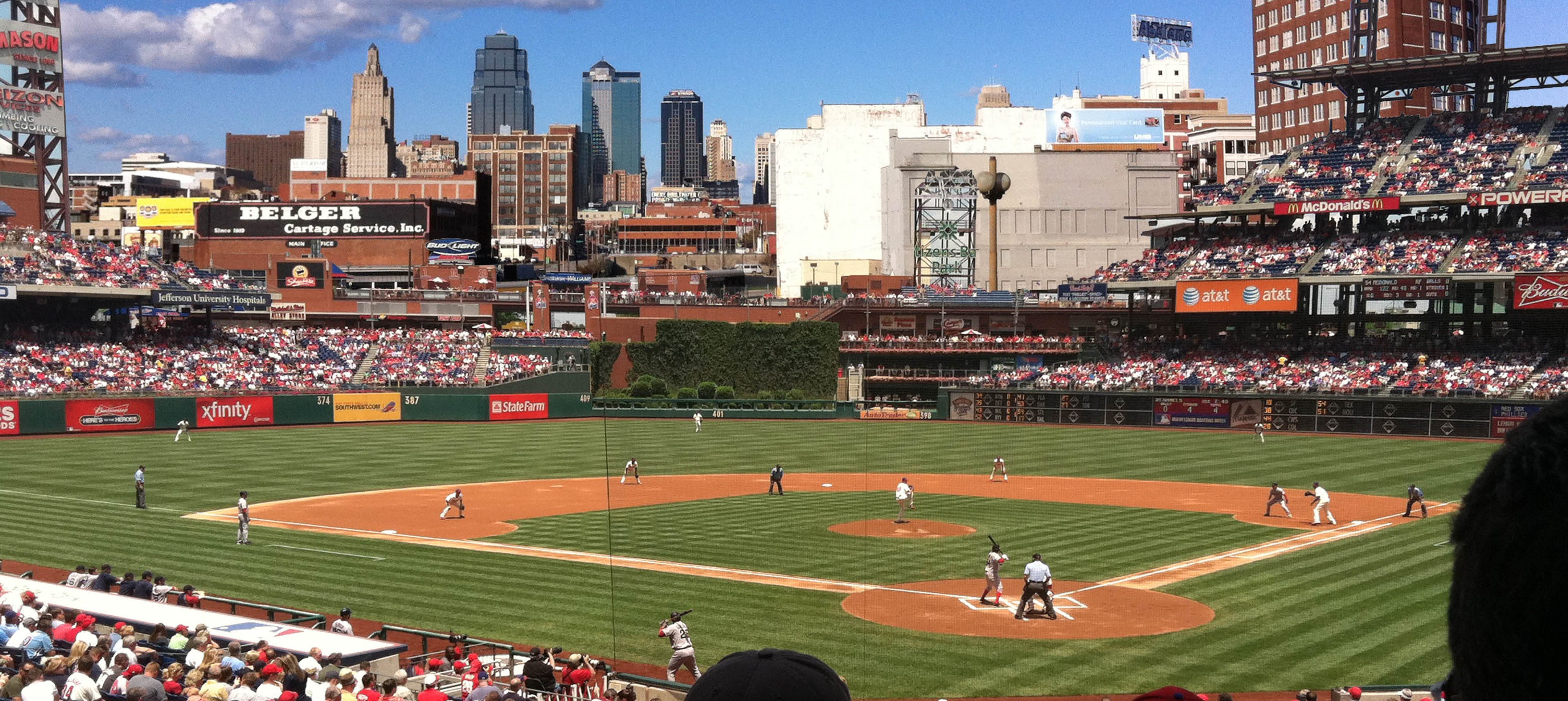
A local sports radio station re-posted the image and it seemed that all of Kansas City Facebook (and beyond) had an opinion. In my mind, something like this image would be the perfect setting for Royals baseball in our increasingly vital Downtown, and nothing anyone would say or do could change my mind.
Or, so I thought….
…
Over the past few months, I’ve gathered and read tons of documents, articles, and opinions (and viewed a few videos)— and then I started writing a ridiculously long article about why I would be voting no in this election.
Never in a million years did I think that I would take that position regarding my beloved Downtown stadium concept.
However, I’m tired of the lack of information, deception, and threats. I’ve got stadium fatigue. I’m ready to move on, no matter how the election turns out.
So, instead of laying out a long-winded argument that will persuade no one — especially in this last issue of The Loop — just suffice it to say … I voted no.
And that sucks.

Meanwhile, in a corner of Downtown that required no displacement of businesses or homes, the Kansas City Current NWSL soccer team recently opened the world’s first stadium built specifically for a women’s professional team.
Co-owners Angie and Chris Long and Brittany and Patrick Mahomes privately funded the $120 million riverfront stadium, using only $5.5 million in tax credits from the state of Missouri.
The first-ever match on March 16 was sold out with 11,500 fans who got to see the Current hang on for a 5-4 win over the Portland Thorns.


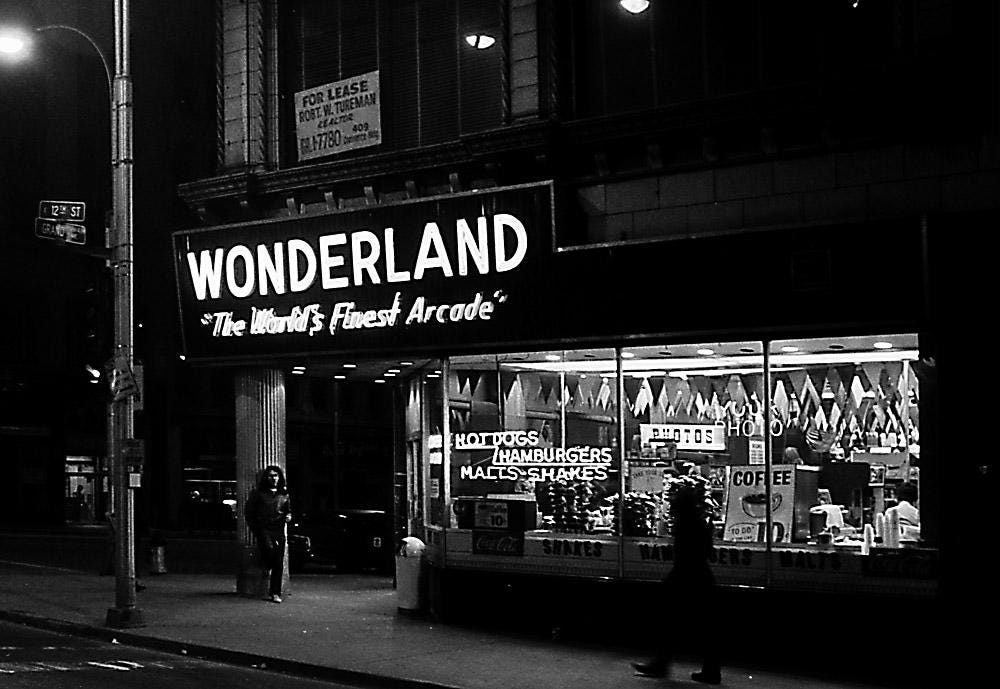
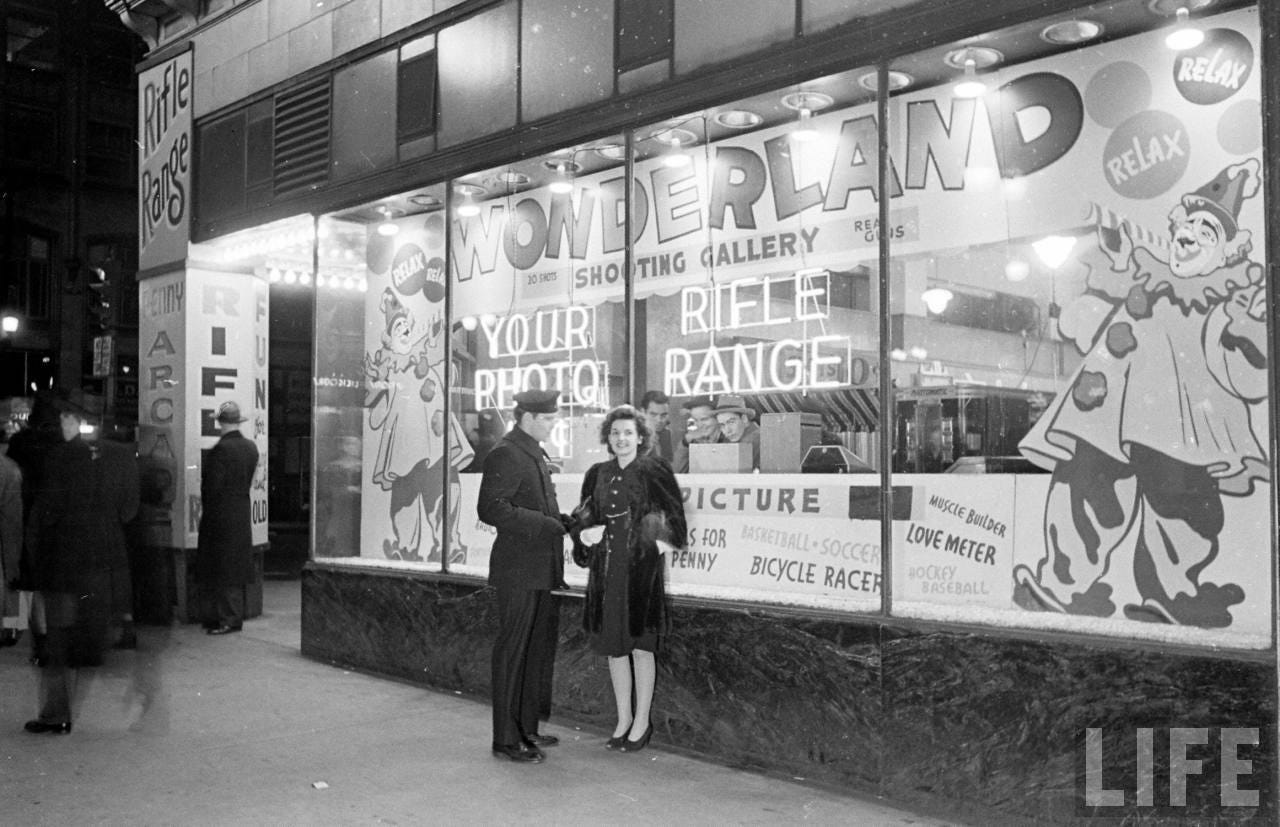
For the last Links section of The Loop, I think I found a doozy. It’s an article from May 2018 written by a woman named Cat DeSpira who writes as “Retro Bitch.” Her bio locates her in the Pacific Northwest. Here, DeSpira writes about Kansas City’s Wonderland Arcade, located from 1941 to 1982 in what is today the NAIA headquarters at 1200 Grand.
Wonderland Arcade opened in June of 1941 in the Bonfils Building at 12th and Grand. The arcade was owned and run by Zor Gershon (1892-1959), investor and business partner of The United Amusement Company, Producer and Director of Resident Theater, owner of Business Music Inc and a direct relation to modern day actress Gina Gershon. Zor Gershon owned and ran Wonderland Arcade from 1941-1955. Read more about him and this storied venue at the link below:
LINK: Wonderland Arcade: 40-Years of Historic Photos Reveals More Than Initially Meets the Eye

Bringing you some of the most interesting properties for sale or lease in and around Downtown Kansas City….
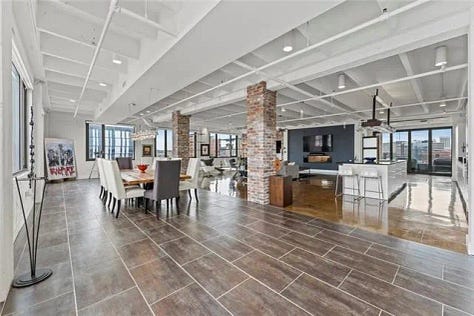
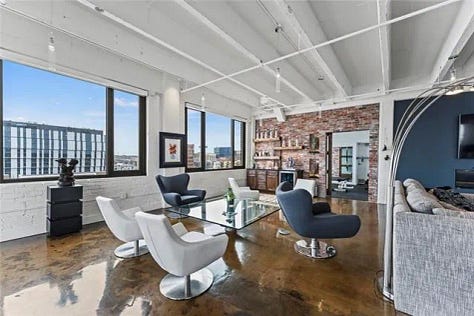
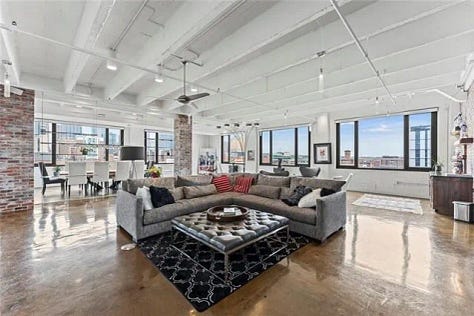
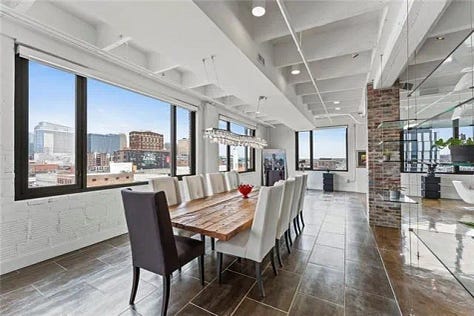
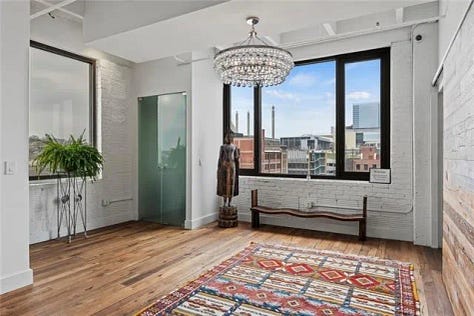
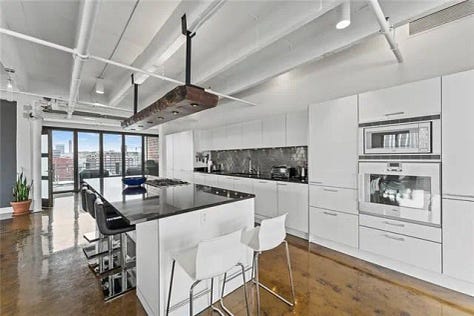
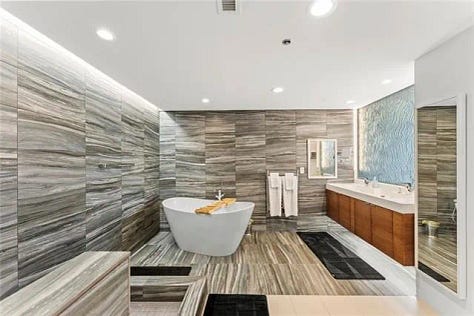
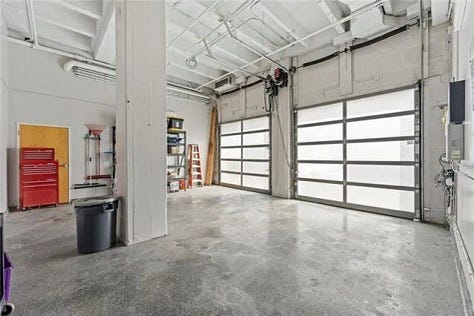
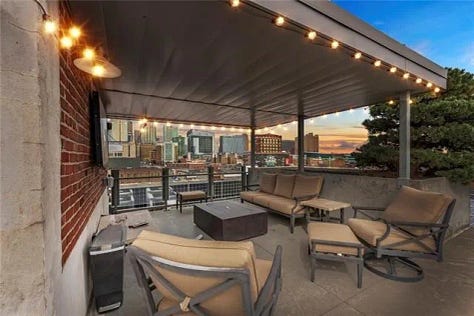
Property presented by: Christina Boveri
Brokered by: Boveri Realty Group LLC
Price: $1,800,000
See the property online here
Homes and buildings featured in The Loop are not necessarily recommendations or endorsements, but rather illustrations of interesting properties for sale or lease in the vicinity of Downtown. Properties may or may not remain available at time of publishing.

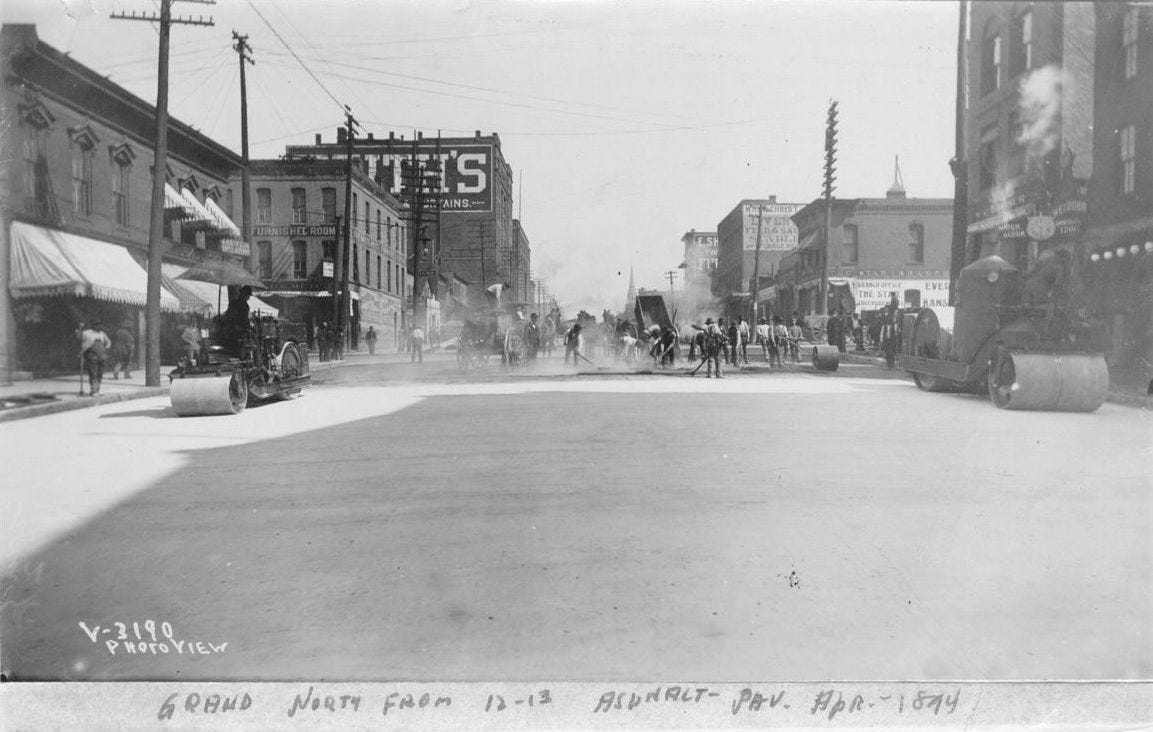


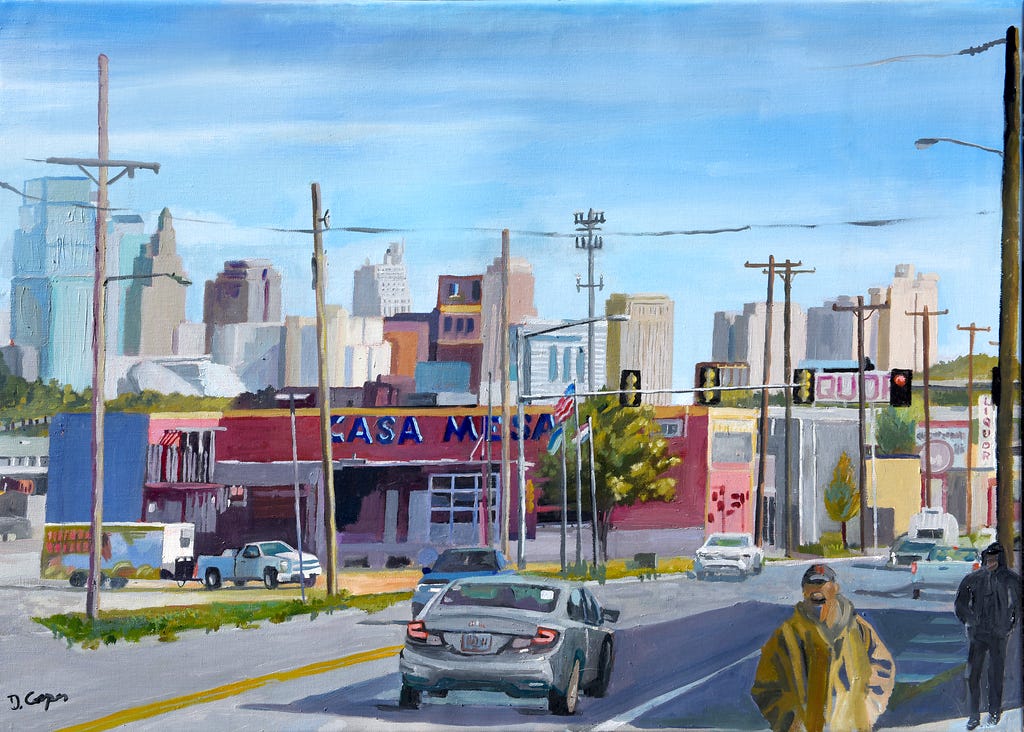

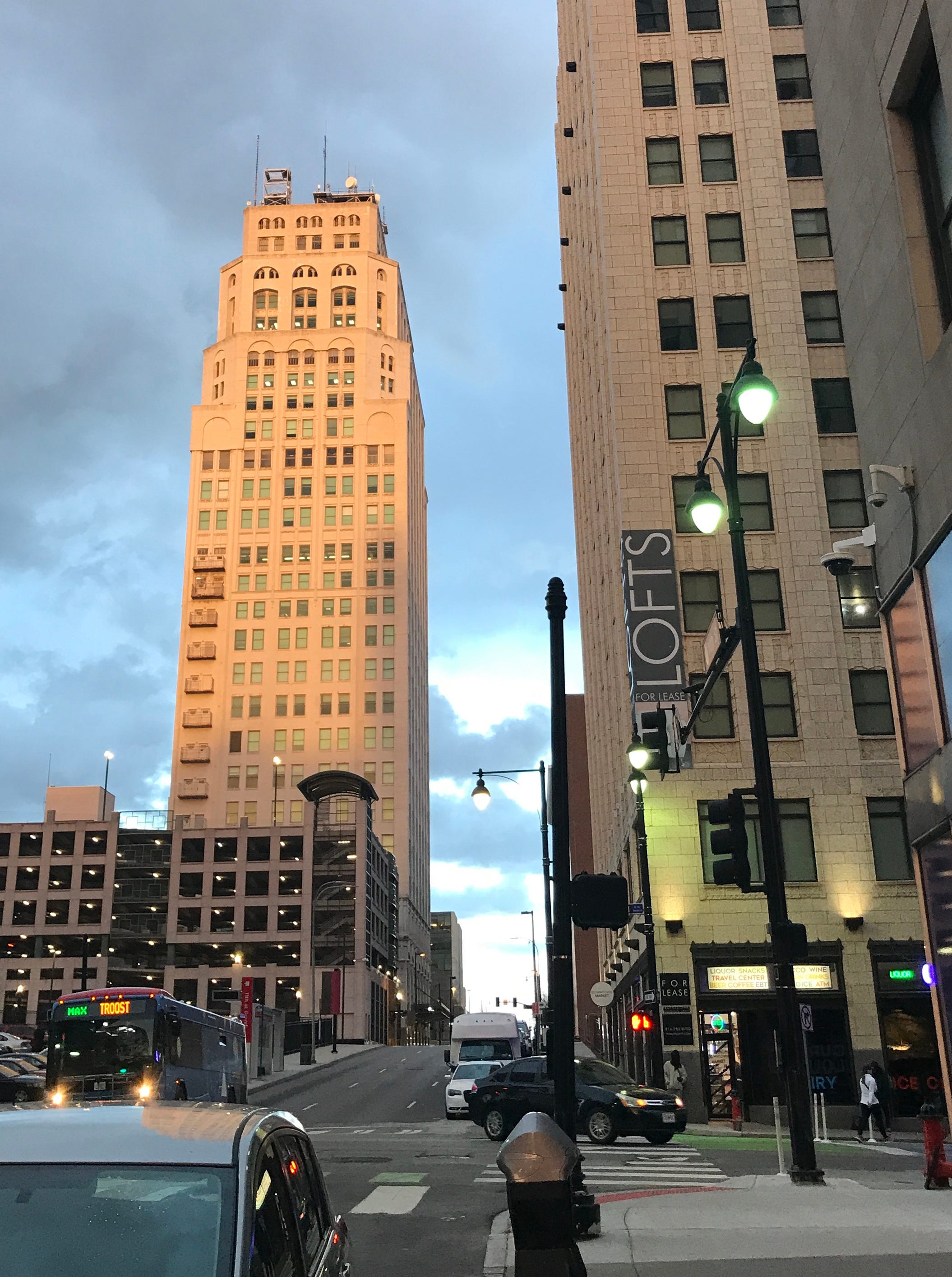
Not a single image for this last issue, but instead a collection of images taken during the week of March 25-30, 2024.
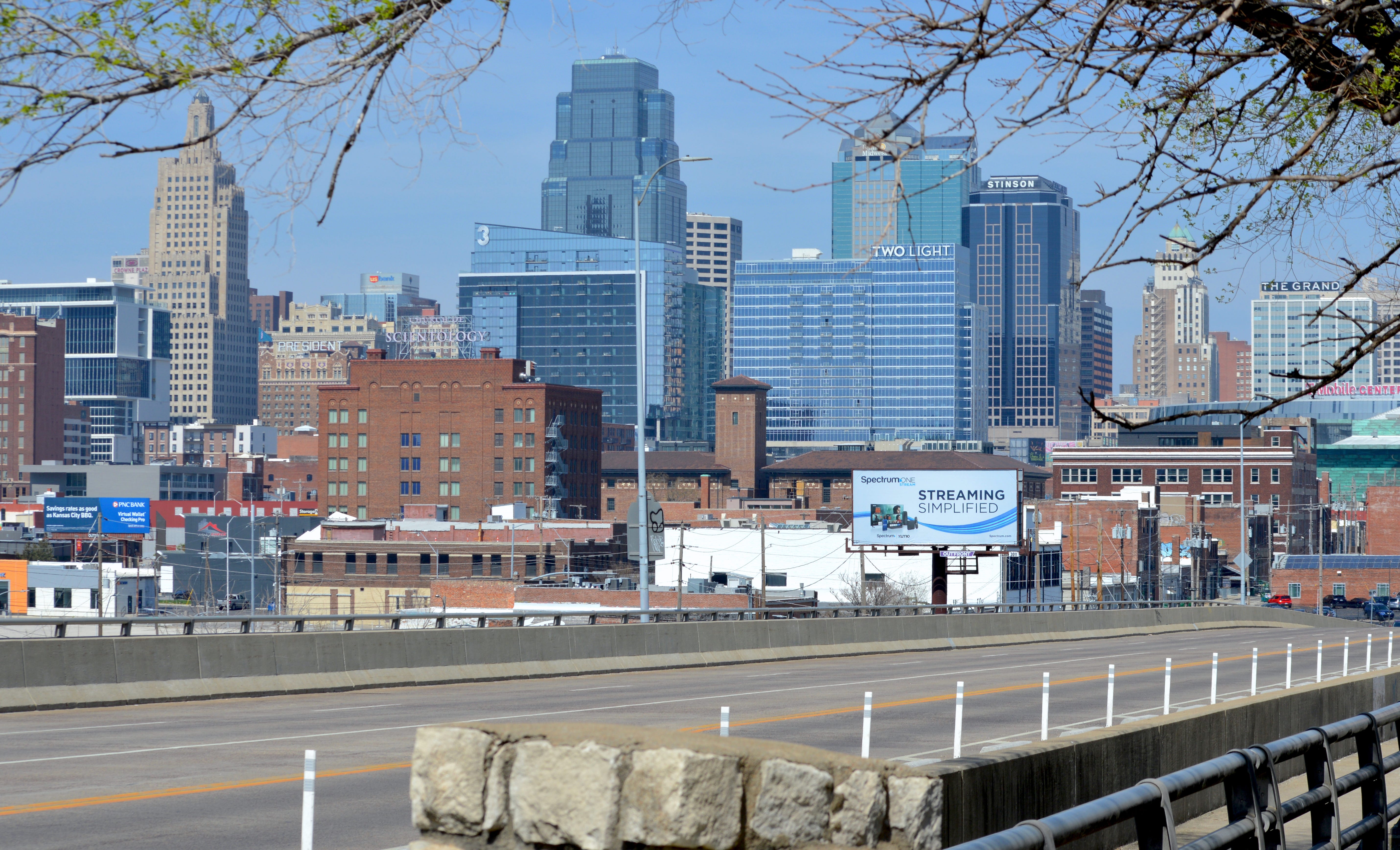
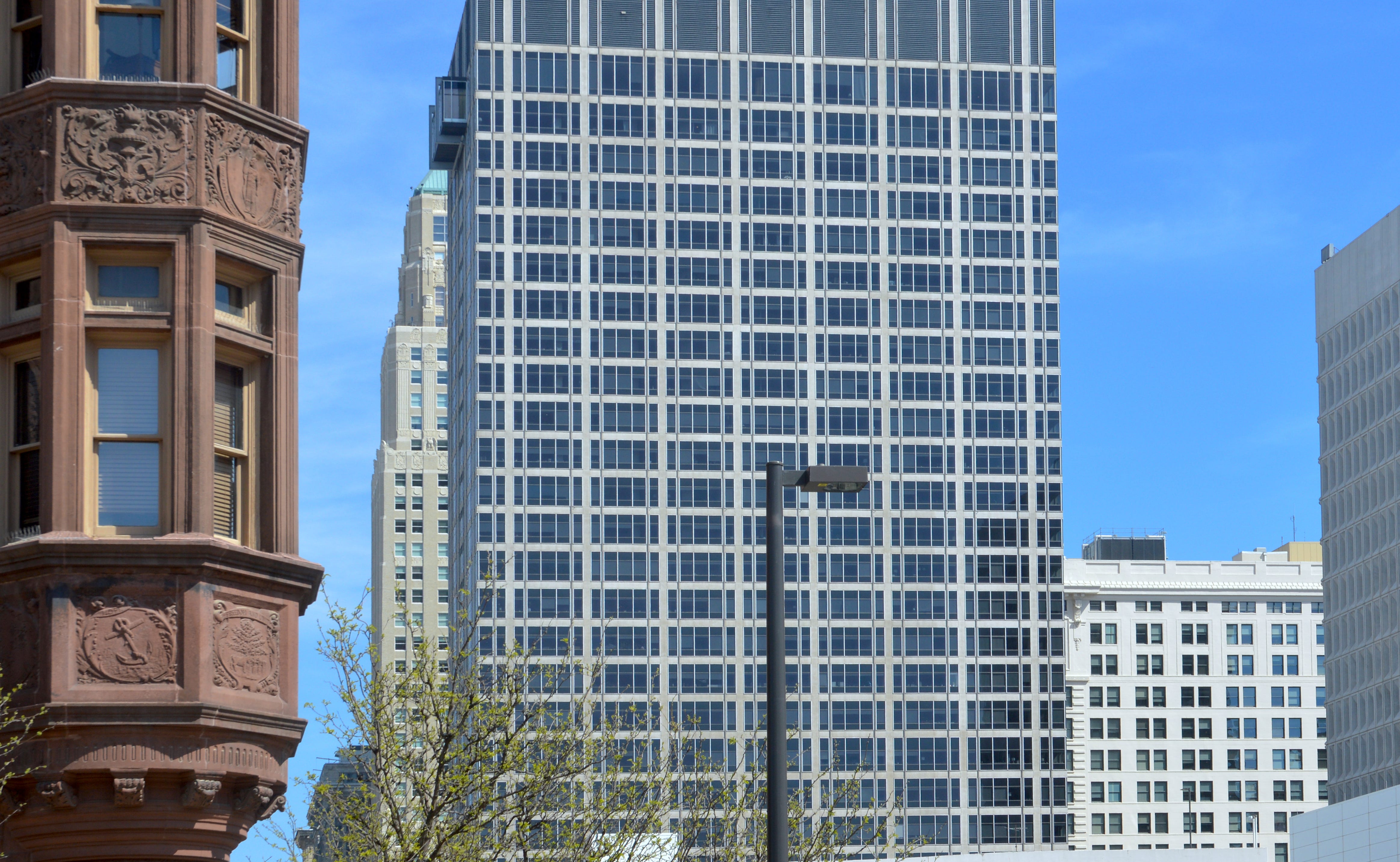
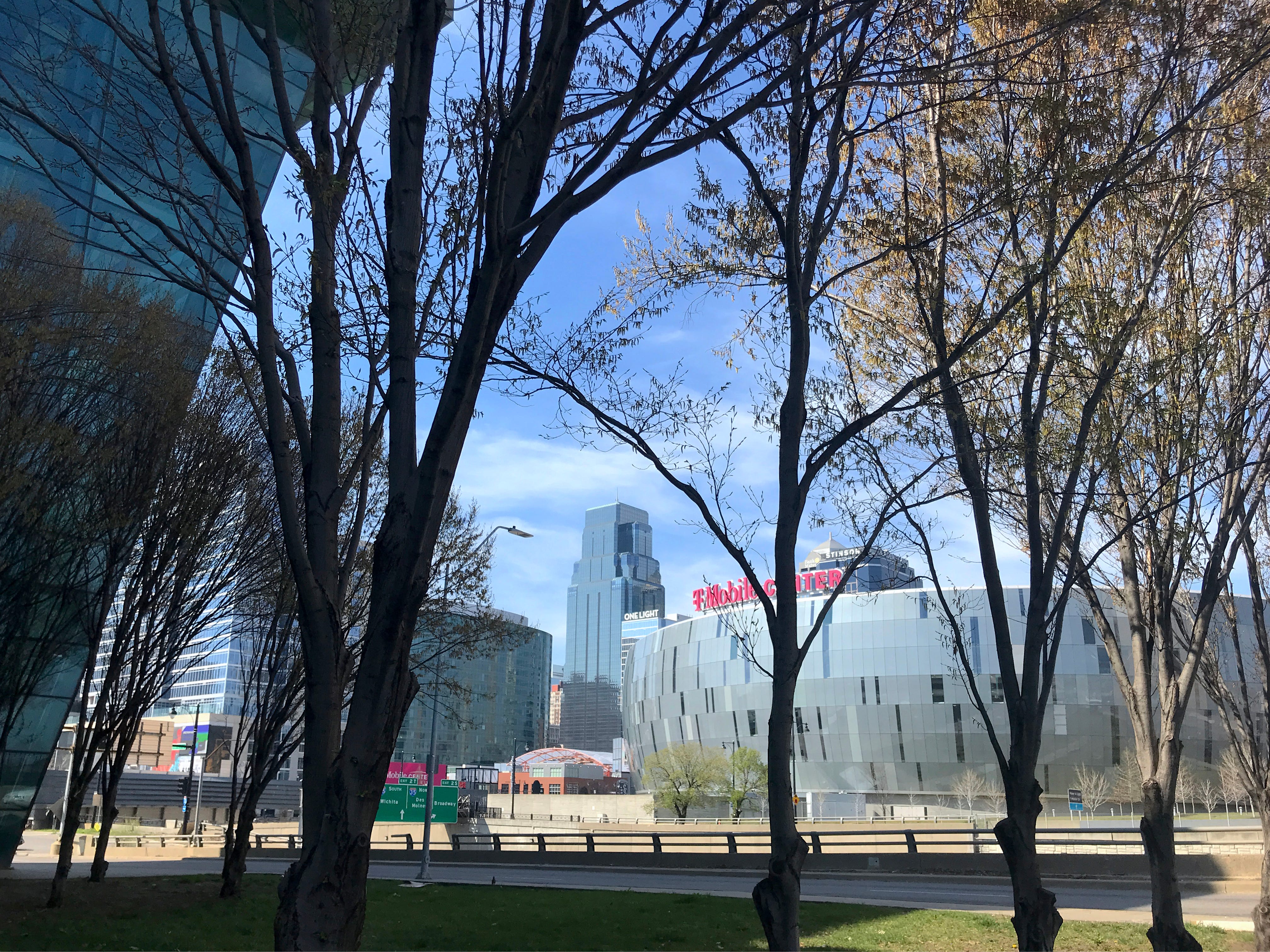
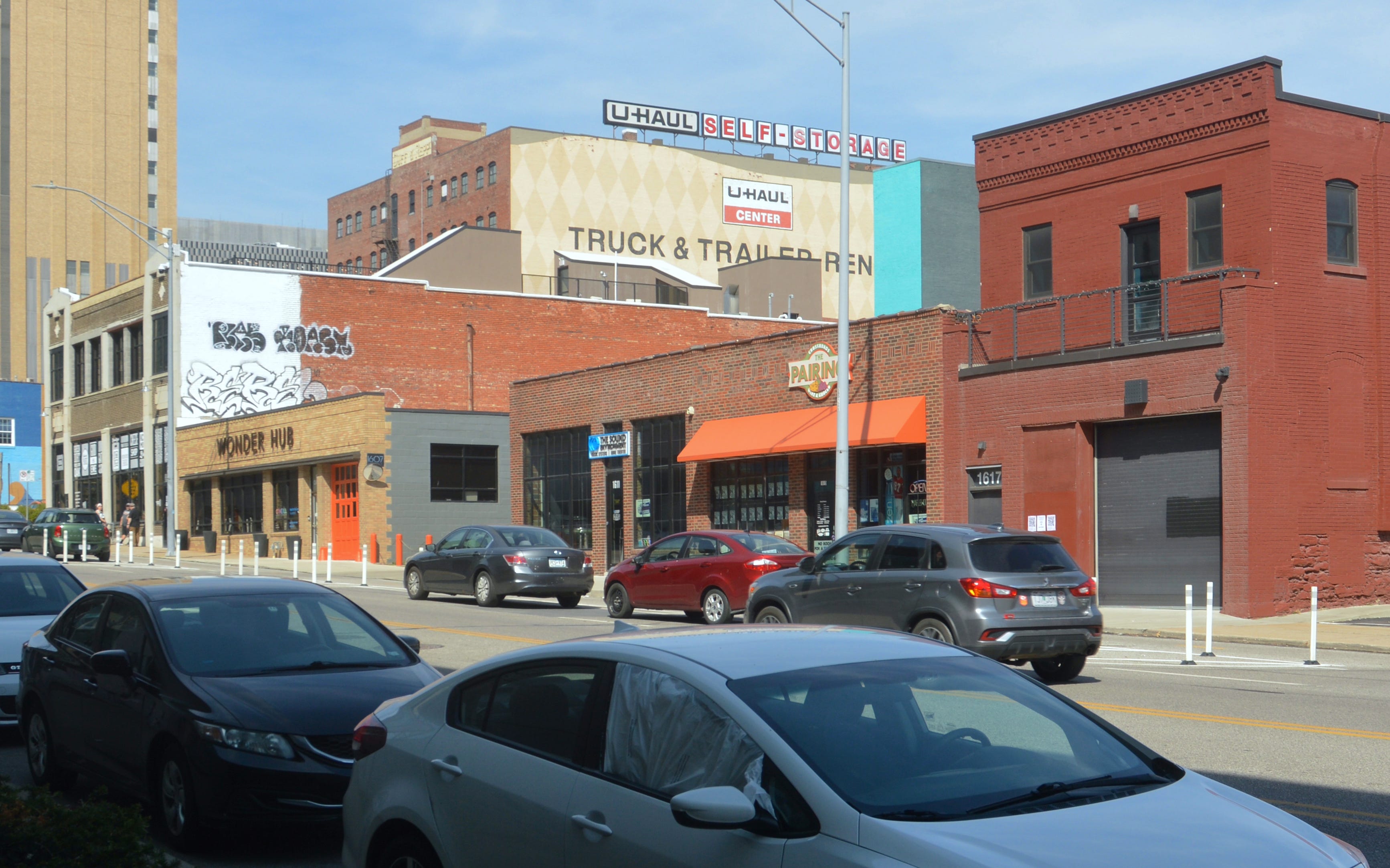

Answering the question “Who are all these people and where are they going?”, The Loop brings you a list of some of the biggest events happening Downtown each week. Please give a friendly Downtown-Kansas City welcome to audiences and attendees of….
1st - 7th
PNC Broadway in Kansas City presents Clue, April 2-7 at Kauffman Center
First Friday, April 5 in the Crossroads Arts District
First Friday Weekend, April 4-7 in the Tower East KC neighborhood
First Friday Weekend, April 5-7 in the West Bottoms district
Kansas City Symphony presents Ravel’s Bolero, With Foley’s Soul Bass, April 5-7 at Kauffman Center
Harlem Globetrotters, April 6 at T-Mobile Center
Asics Show Me National Qualifier (volleyball), April 6-15 at the Kansas City Convention Center and HyVee Arena
Dan + Shay, April 7 at T-Mobile Center
8th - 14th
Kansas City Symphony presents Free Happy Hour Concert, April 9 at Kauffman Center
Kane Brown, April 11 at T-Mobile Center
Kansas City Symphony presents Harry Potter and the Deathly Hallows™ Part 2 in Concert Film + Live Orchestra, April 11-14 at Kauffman Center
Downtown KC 2024 Annual Luncheon, April 12 at Kay Barnes Grand Ballroom
Croce Plays Croce 50th Anniversary, April 13 at Kauffman Center
15th - 21st
Wheel of Fortune LIVE! April 17 at Kauffman Center
2024 NCVF Volleyball Championships, April 18-20 at Bartle Hall
AJR, April 19 at T-Mobile Center
Brett Goldstein: The Second Best Night of Your Life, April 19 at Kauffman Center
Kansas City Symphony presents Jeffrey Kahane Plays Beethoven’s Fourth Piano Concerto, April 19-21 at Kauffman Center
311, April 20 at Grinders KC
22nd - 28th
Substation Design Solution Industry Consortium, April 22-25 at Bartle Hall
Kansas City Symphony presents Simply the Best: The Music of Tina Turner, April 25 at Kauffman Center
APWA North American Snow Conference 2024, April 28 - May 1 at Bartle Hall
29th - 30th
WWE Monday Night Raw, April 29 at T-Mobile Center
For a more exhaustive list of everything happening Downtown, go to the VisitKC events page and use the “regions” function to search for Downtown, Westside/Southwest Blvd, West Bottoms, River Market, Power & Light, Crown Center, Crossroads, 18th & Vine — or anywhere you want to go in the KC Metro
For live Kansas City Jazz performances, visit LiveJazzKC.com

Q. What was “The Kansas City Blitz,” which started around 1953?
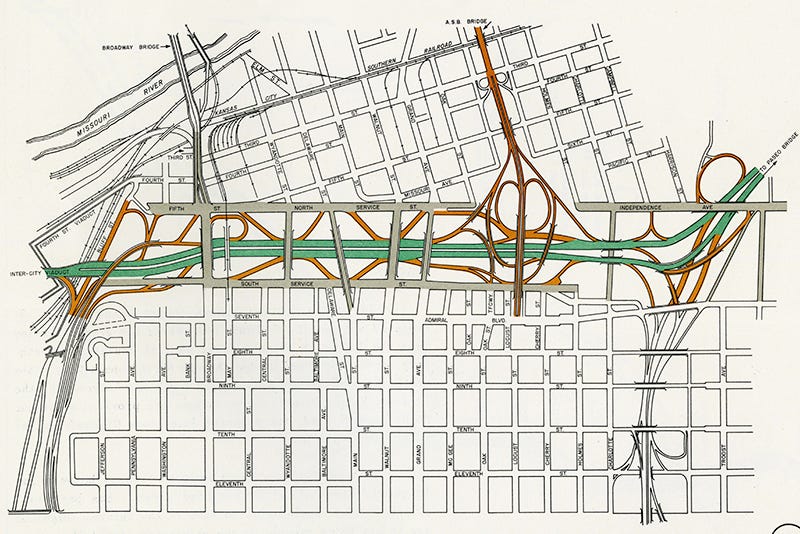
A. According to Kansas City Star reporters and Kansas City Public Library researchers in a 2019 KCQ article, the “The Kansas City Blitz” was the nickname given to the bulldozing of what was likely hundreds of buildings between Independence Avenue and 6th Street in order to make way for the North Loop. The Intercity Freeway — “The Loop” — was formally dedicated on Oct. 7, 1957.

Write to: tips@kcdowntownloop.com or contact The Loop via social media
Kevin Worley, Co-Publisher/Editorial
Joe Nichols, Co-Publisher/Business


Very, very special thanks to these generous folks:
Terence and Marsha Arredondo
Karin (Erickson) Bradford
Henna and Steve Fuller
Chris Gahagan
Bob and Susan Hiatt
The Kiwinda-Tinsley Family
Todd and Donna Martin
Jane Reed and Mark Patterson
Anonymous
Anonymous

Comments
Nothing yet. Say the first thing.
Sign in to join the conversation.