
This is a section of the newsletter The Curious Kat. Follow along as I write novel #4. If you join me here, you’ll be taking a deep dive into the psychology of drafting long form fiction. Who knows, the process may surprise you. What comes easily and what is hard? What kinds of choices am I making and why?
Do you know what a “soft morning” is?
The other day, instead of lying in bed scrolling, I got up and sat in the sun on my deck with a hot cup of coffee. This summer there are an insane number of bunny rabbits in the woods and I watched them hopping about for a while.
Then I opened the New Yorker and read a short story by Zadie Smith called “The Silence” (you should be able to read it there for free). I must confess the fiction in the New Yorker often leaves me cold, but not this story.
This is how it begins:
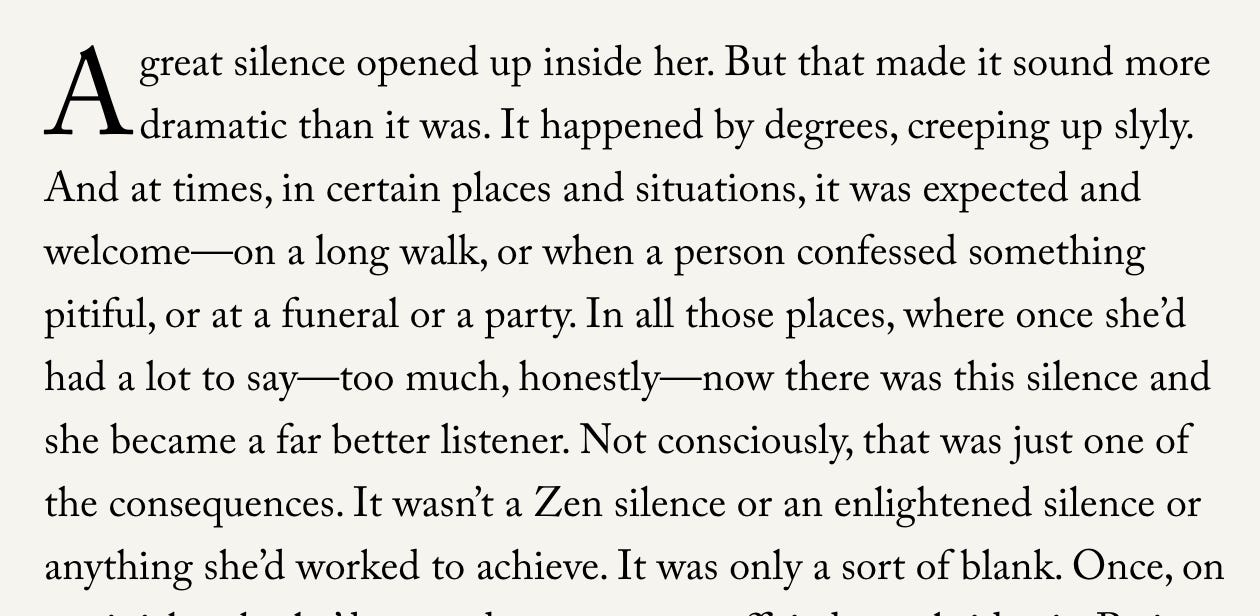
Right away I was intrigued. I thought, Hmmm, that’s familiar.
In the past year, I’ve caught myself not wanting to talk. Or, to be more specific, wanting to be silent. As I read I wondered, is this because I’m a woman of a certain age, and so is the narrator?
And thus I was hooked.
Who is the woman? Why is she silent? And what happens because of her silence? The more I read, the more I realized how much courage it takes to discover something you want, to grasp it and not let go despite all you might lose as a consequence.
“The Silence” has no direct dialogue and a lot of backstory. You could say it breaks EVERY SINGLE rule about “good writing,” especially any rule AI might generate for you.
What makes it dynamic are the mysteries it contains, the unanswered questions I found so compelling. I wanted to know… I needed to know. While it’s not an exciting plot, it made me think about immigrants, women, work, marriage, children, sex, travel, desires, intelligence. It was small and big at the same time. It was easy to read, simple, yet contained myriad ideas layered within that simplicity.
Summer is a time of reading — dozens of manuscripts and applications need to be processed for my job at the Key West Literary Seminar. Submissions for scholarships. Short stories from anonymous writers seeking to “emerge” and fiction from dozens upon dozens of novels-in-progress. We give out quite a few different awards and my favorite one is for emerging writers. The three winners of that award are given ten days of literature and fun in Key West, with the goal of celebrating their work and boosting their careers. It’s a big deal.
But what makes for good writing? What makes one new writer worthy of winning a prize or a scholarship, but not the other? Even after seven summers, I still face the same conundrum: how to choose.
How random it is when someone makes it to round #2 or round #3, or becomes a finalist or a winner! Even though we’ve set up a solid scoring system and engage readers of all different backgrounds and ages, the reactions to a piece of writing are utterly dependent on the individual taste, mood, and inclination of the reader.
It’s not about skill or perfection. It’s about evoking something — a feeling — that seems relevant in some ineffable way. To you — the reader at that moment in time.
You’d be surprised how many submissions receive wildly disparate scores. One reader will think it’s the best story in the batch (20 = guaranteed to make it to the next round!) whereas another will give the same piece a score of 3 (= a disastrous effort, FAIL!).
This is where I come in.
I love reading these submissions — the ones that elicit both love and hate. Usually, writing that scores 13 or 14 across the board (out of 20) is pretty good: well written and fairly interesting.
But that’s a death knell. No one admires “fairly interesting.”
For the paradoxical submissions (as I think of them) I read the comments from the reviewers — here I’m looking for genuine enthusiasm — and then I read the excerpts and make up my own mind about them. I take this very seriously because I want to be fair. But being “fair” isn’t actually possible.
The only thing that matters, in these instances, is what I think and feel as I’m reading those pages.
It’s fun being the one who can tip the scale. I’m always reminded that, ultimately, no one is looking for specific prowess with craft: we all just want to be moved. And personally, I’m always delighted when that happens unexpectedly.
Zadie Smith wrote “The Silence” in response to a short story by Grace Paley that evoked a certain domesticity and simplicity that she found moving. In her imagination, Paley is the kind of writer who, if she spotted you pacing the streets bitching about how hard writing is, would say to you: “Please. Is it working down a coal mine? It is not. What to write about? Look around you! Nothing but people every place you turn! So write!”
Smith found this inspiring and so do I.
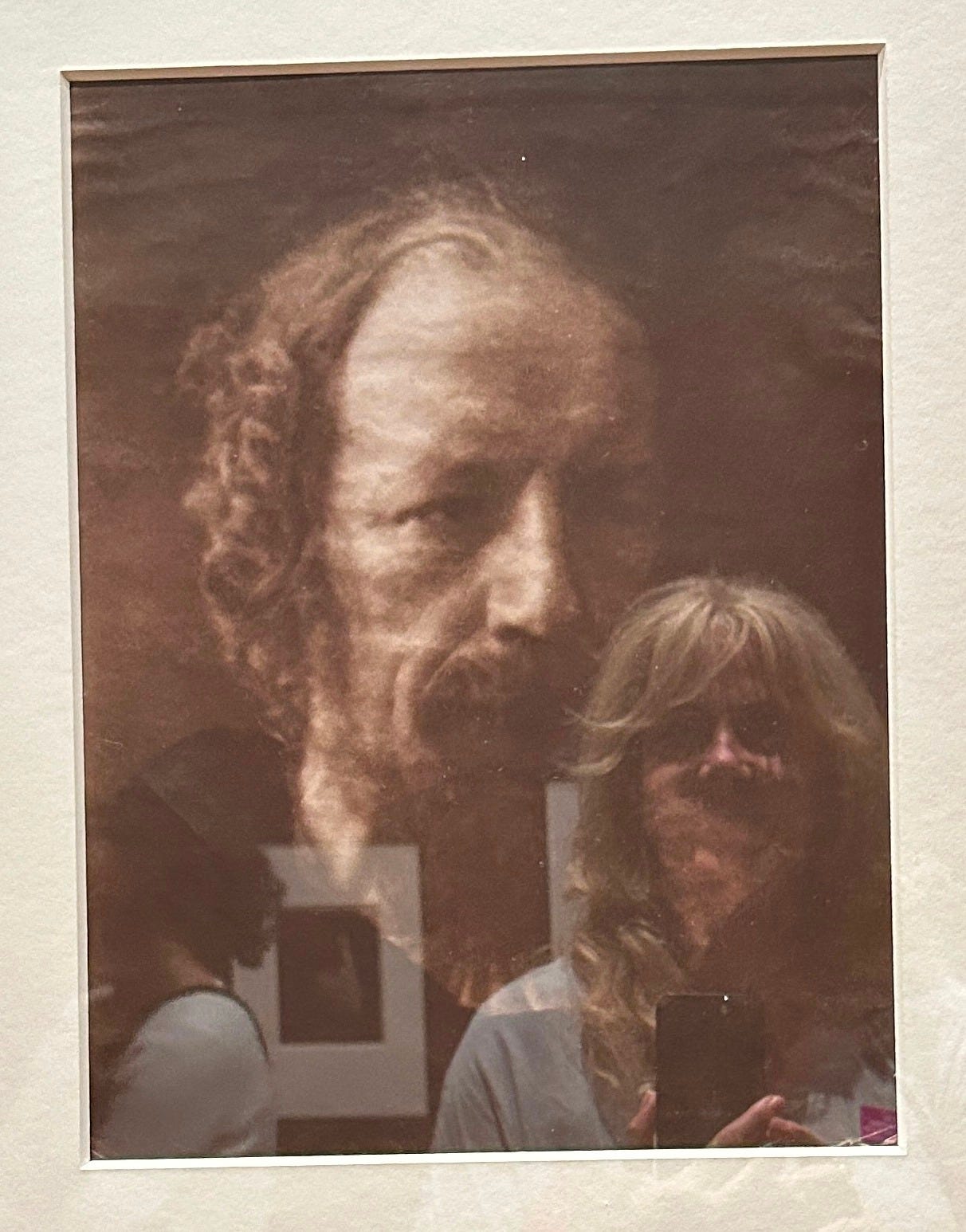
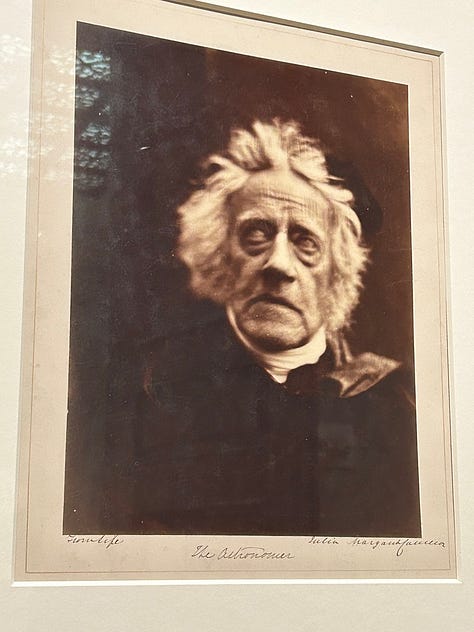
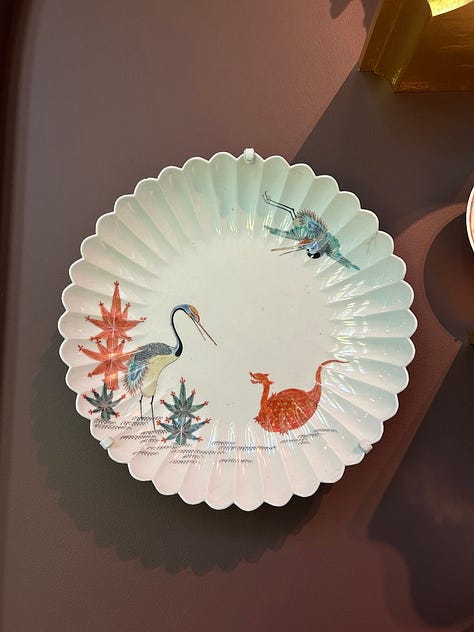
This weekend, I was in New York city for 24 hours. I went to the Morgan Library (where I was entranced by Julia Margaret Cameron’s photography), the newly re-opened Frick, a documentary on shochu liquor at the Japan Society, and MOMA.
As always, it was astonishing, exhausting and reinvigorating.
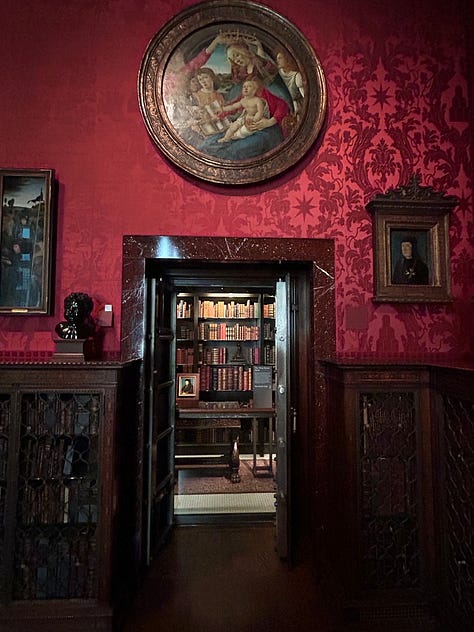
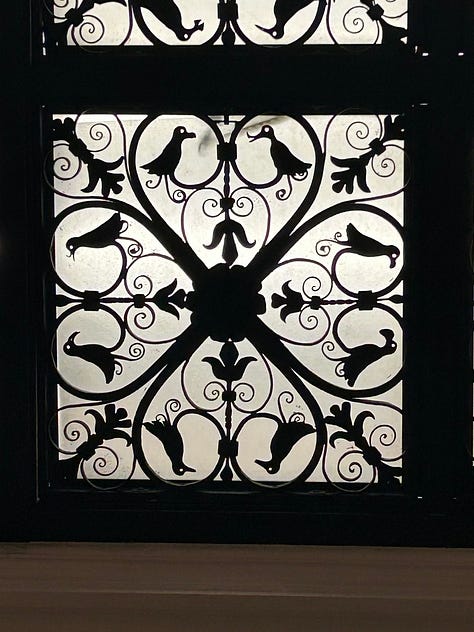
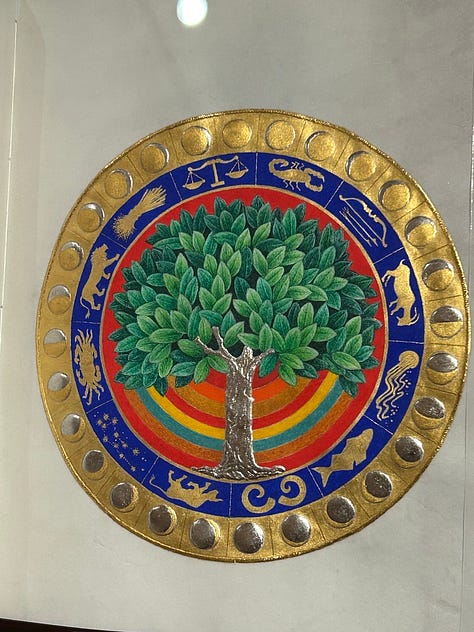
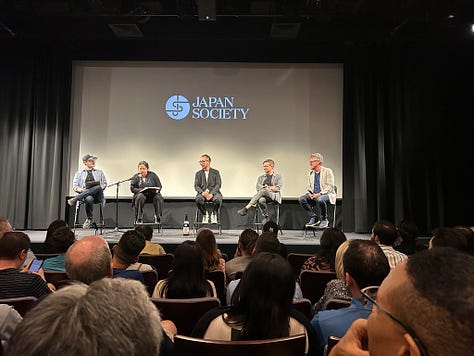
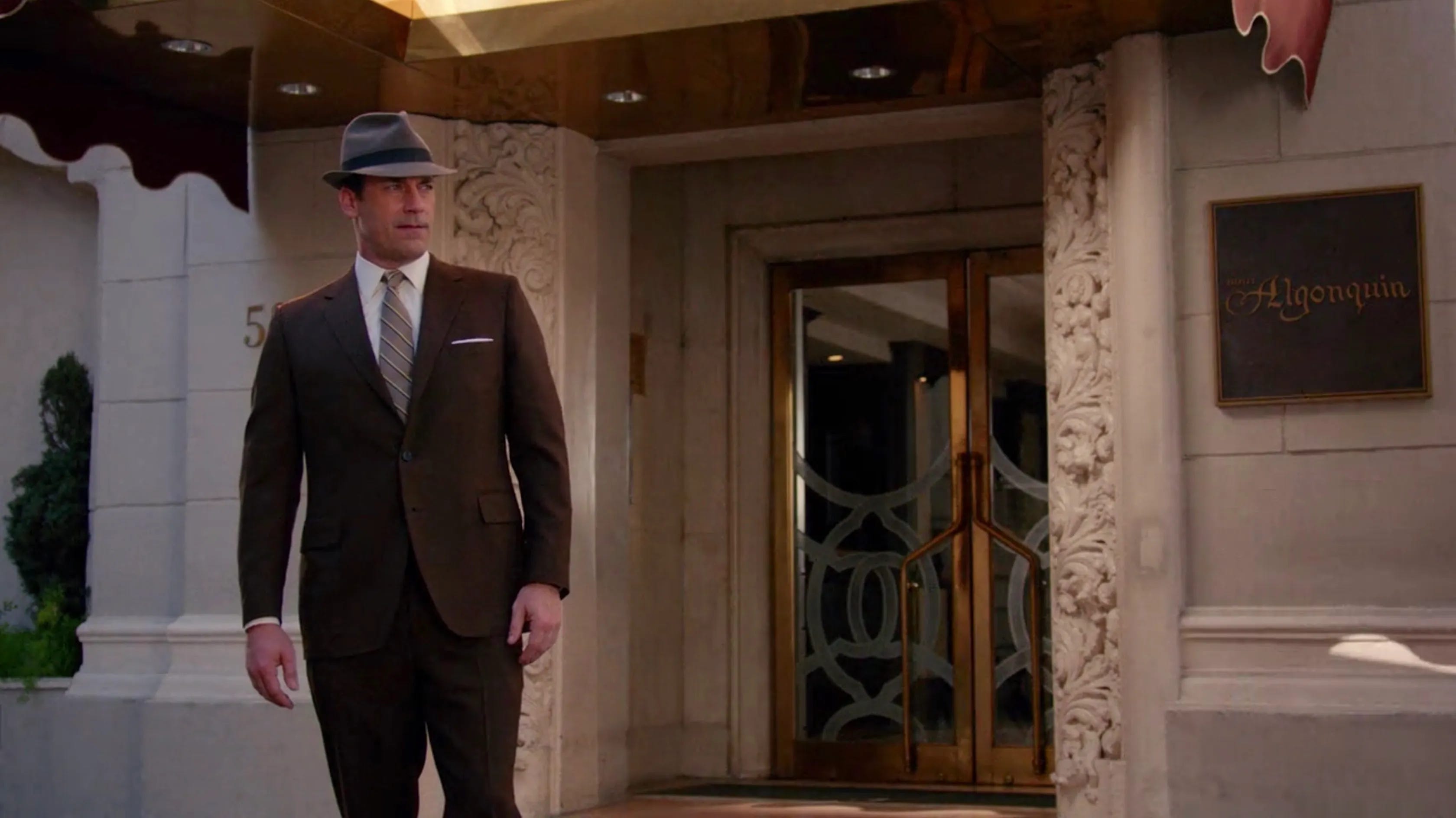
… and in a sweet little coincidence, I stayed at the Algonquin Hotel in midtown, which has a storied literary history.
I didn’t even know this — I’d simply recognized the name from an episode of Mad Men, my favorite TV show of all time. Such is the joy of serendipity.
Comments
Nothing yet. Say the first thing.
Sign in to join the conversation.