
This monthly missive is a way for me to make connections with people interested in art and creativity in order to inspire a more satisfying and thoughtful daily life. I’m an author and editor, always on the lookout for inspiration.
She sat opposite me, her short hair freshly washed, the curls all topsy turvy like scattered petals. The sun shone directly on her face; I thought: Sheila, you look radiant! She was scarfing down a sandwich and some coffee. In that moment, I saw the seven year old girl inside the 85-year old body.
It was the last morning of her life but no one knew it, of course.
Since my mother in law died about two months ago, I’ve been thinking a lot about the moment of death. How it often comes so unexpectedly. A peak moment — perhaps the most important few minutes of our lives, even — that is (mostly) out of our control. It can be good, as Sheila’s was, but it can be bad, too, through no fault of our own. It’s a humbling experience.
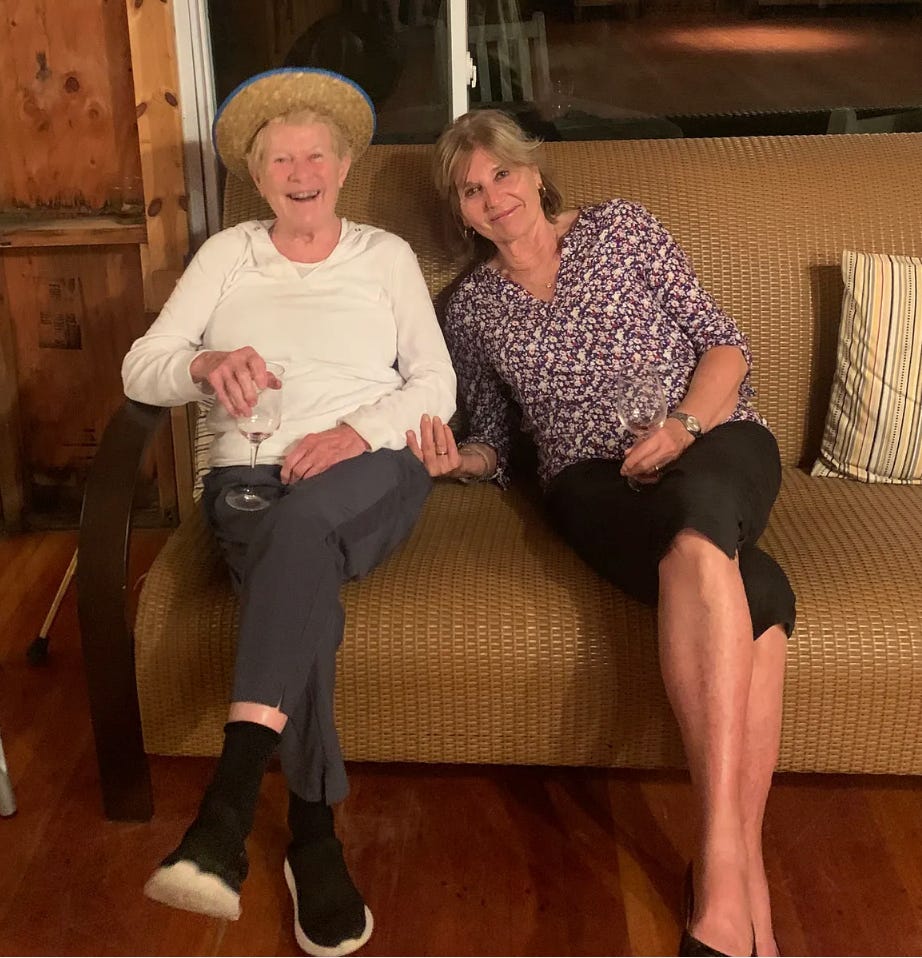
That image of her at my breakfast table comes back to me all the time.
It makes me think of light and curiosity and beauty — which leads me to remember the value of rich in-person conversations and that remaining open to possibility is the key to happiness. Sheila was always open and curious. That energy is contagious.
Here’s an IG reel of British artist Anthony Eyton (age 101), shot by his daughter Sarah. He’s got three oil paintings going all at once and he jumps from one to the other and back again.
This comment caught my attention just as much as the bright colors did: “I just put a dab on that Indian one, actually, because I… I see things and… it’s a thing of the moment and I just want to do it.”
Surely this is the essence of being an artist: doing something instinctively without knowing why.
There’s an interplay going on, a slow exploration, a trusting of the eyes and the gut. It’s magic.
For creatives, a constant focus on productivity (or the marketplace, or profitability, or relevance) saps the spirit. Being calculating is not always helpful. We need to trust our guts, do that thing just because we want to: sounds so easy but it’s one of the hardest parts of being a writer.
The thorniest question I’ve had to grapple with in my creative life is how to be ambitious and create meaningful work while allowing for serendipity and staying open.
I was asked to contribute a short story to a noir anthology in which each story is based on a particular neighborhood of Key West.
Oh fun! I thought. Why not!
A few days later I started to freak out.
I write novels, not short stories! I’m not familiar with the noir genre. The deadline is in two months and I have a huge edit to undertake and a conference to get going. I HAVE NO TIME, TALENT OR EXPERIENCE WITH THIS AND, SERIOUSLY, WHAT THE HELL AM I DOING????
I picked a neighborhood called the Truman Annex, a downtown area right by the sunset pier where a defunct Navy base used to be. It was developed into upscale housing in the late 1980s.
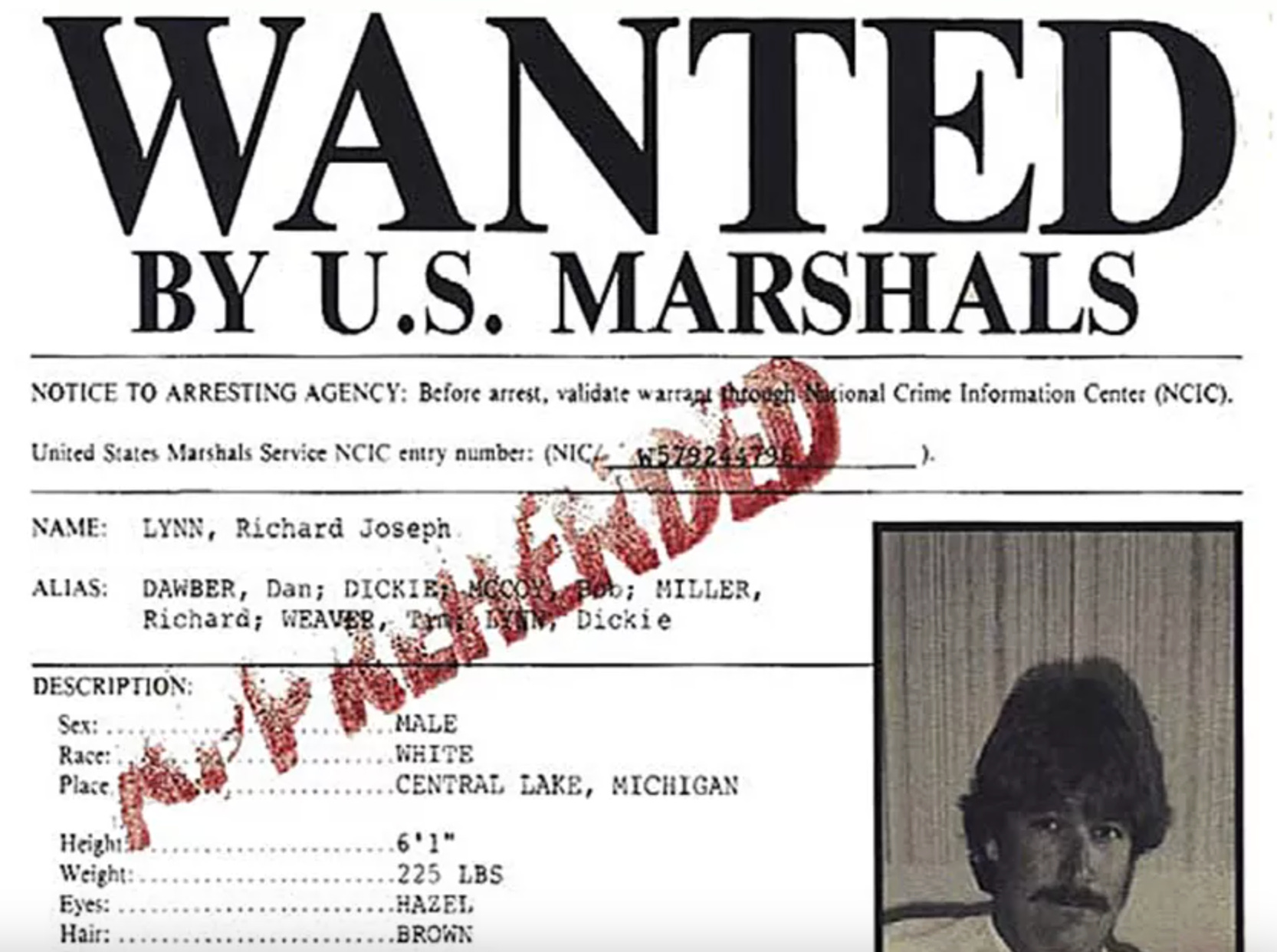
Key West was the wild west back then. In 1974 the Naval Station closed (it was too small for modern submarines) and Key West fell on hard times (again). The waters were rampant with unchecked drug runners. During the time Castro allowed Cubans to leave the island in droves, as many as 5,000 refugees arrived in Key West in one day.
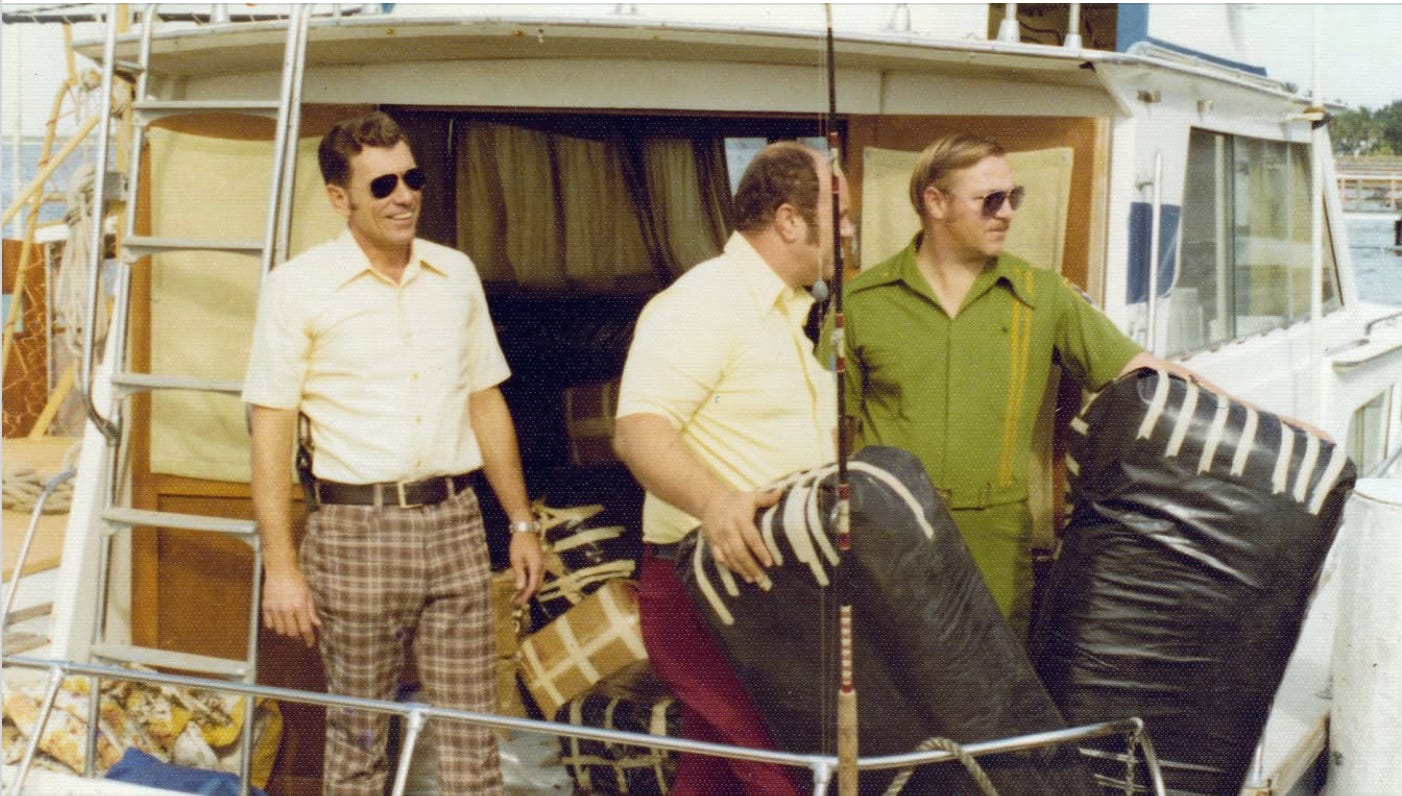
Key West 1970s— Key West was a ghost town, dogs sleeping on Duval Street. The navy left town. The main occupations were shrimping and smuggling— maybe one in the same. 50 cent draft beer at Sloppy’s, sex and rock & roll at The Bull. And the Full Moon was THE late night spot. You’d find a smuggler and a DEA agent buying one another rounds. One day you’d be on a bike with bent rims and the next tooling around in a Porsche 911… don’t you wish you were there?1
Thinking about the history of this island, I started to get excited about my short story. I also considered the idea of rage and how energizing expressing rage would be.
And now I see a woman with acrylic nails and panty hose, sweating in the summer sun, watching the houses in the Annex go up. What’s she up to? Where does she work? The construction site is a mess. Massive trees are being chopped down and endless concrete is laid over their deep roots. Renewal, decimation, desire, rage. It’s all there in that one scene.
Noir stories have evil protagonists and dark themes. There are no happy endings. Won’t it be fun to write something really different?
So I’m trying to stay open. I’m thinking of Sheila, my mother in law. I’m remembering that good art involves taking risks and having fun.
I read more books in the last two months than I read the entire year before that. Hooray! I read these three in quick succession — each about Germany during and after the war — and it was a fascinating contrast.
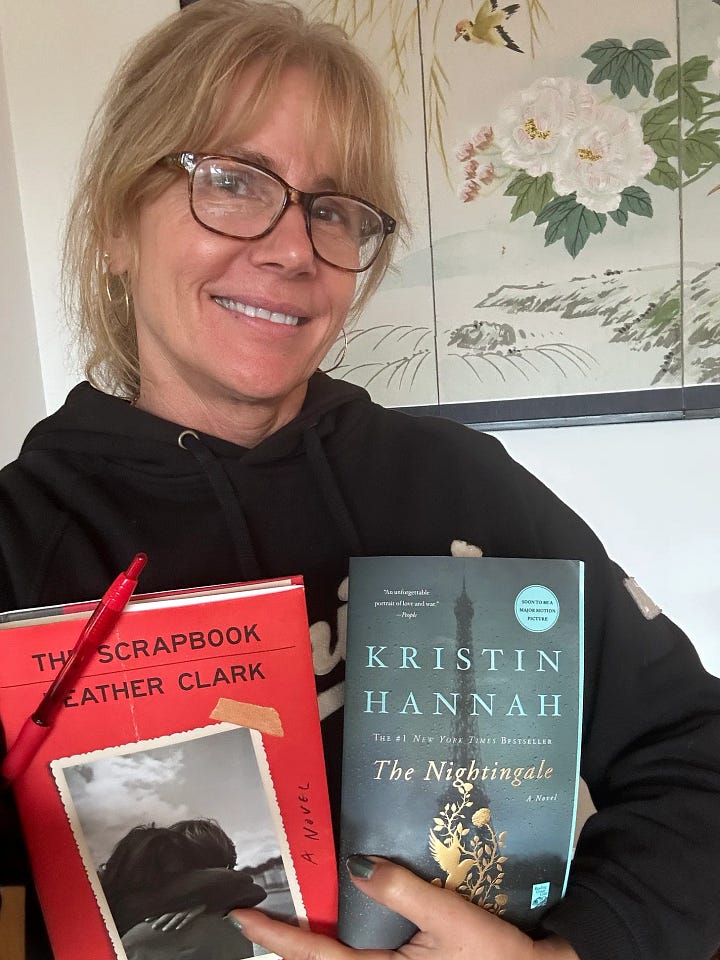
The Scrapbook was spare and didactic, aiming for a literary take on memory and the legacy of war, and The Nightingale was slow and indulgent (and a little clichéd) exploring what happens to people when they’re forced to give up everything they ever counted on.
Those two were both problematic yet enjoyable. I’d recommend The Srapbook by Heather Clark over The Nighingale by Kristin Hannah (though almost two million readers would beg to differ).
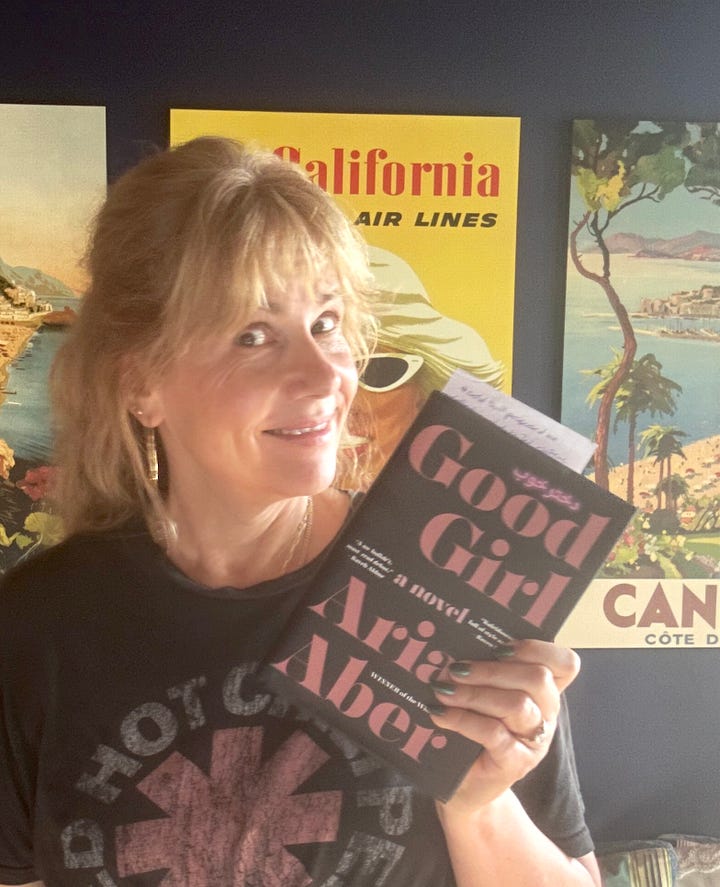
I also read Good Girl by Aria Aber and I’m loving it. Published by an imprint of Random House called Hogarth, it’s more literary than the others (=better writing and less plot). It’s a coming age story about a young woman born to Afghan immigrants in Berlin in the early 2010s.
Other than the gorgeous language, what’s most striking to me is how I’m okay with this 19-year old protagonist indulging in all sorts of extremely questionable behavior because she so fiercely yearns to be free of cultural constraints. It’s the perfect book to read if you’ve never quite understood the writerly admonition that your protagonist must really really want something in order for readers to give a damn.
It’s also eye opening about the immigrant experience. Many years ago I travelled to Pakistan and visited a tribal area next to an Afghan Refuge Camp (where I was bullied into firing a knock-off Kalashnikov, which I did with a terrified smile plastered on my face). I am learning new things about a city — Berlin — that I know reasonably well and have written about. THAT, in a nutshell, is the magic of books.
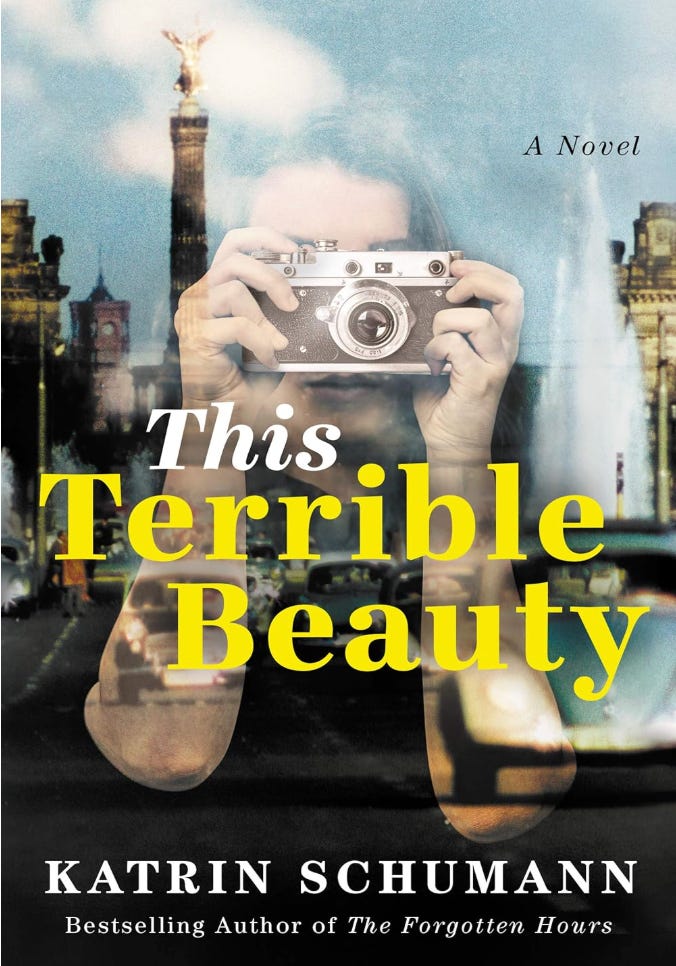
Incidentally, a few weeks ago as I was sitting in Sheila’s house thinking about having to empty it out and who would live there next, I picked my novel This Terrible Beauty off her shelf.
Wow, I thought. I wrote this. It was a good feeling. You can read about the book here.
Have a friend who might like this post? Go ahead, send it to them :)
https://konklife.com/key-west-1970s-hosted-by-local-legends-tony-fat-yaniz-rebecca-balcer-richie-gomez/
Comments
Nothing yet. Say the first thing.
Sign in to join the conversation.