
Why do we so often stay stuck even when we know what we want?
I think it has to do with the identity gap.
One thing I’ve noticed over the years is that every meaningful creative expansion I’ve personally gone through has required letting go of a version of myself that once felt familiar and safe.
The interesting thing is that the change rarely starts on the outside. It usually starts with a growing sense that the identity you’ve been living from is no longer fully able to hold where you want to go next.
I’ve experienced this several times throughout my life. (I wrote about this more in my previous post on turning creative vision into lived reality.)
There was a time when I primarily identified as a music educator. Teaching music was at the centre of my professional life, teaching singing existed on the side, and my own artistry was something that existed at the periphery.
Then artistry gradually started asking for more space. Singing, performing, creating, and developing my own artistic projects became impossible to keep at the periphery of my life. At the same time, a shift happened from music educator to vocal pedagogue. Deepening my understanding of how the voice works became a path into questions of expression, creativity, identity, and human development that stretched far beyond vocal technique itself.
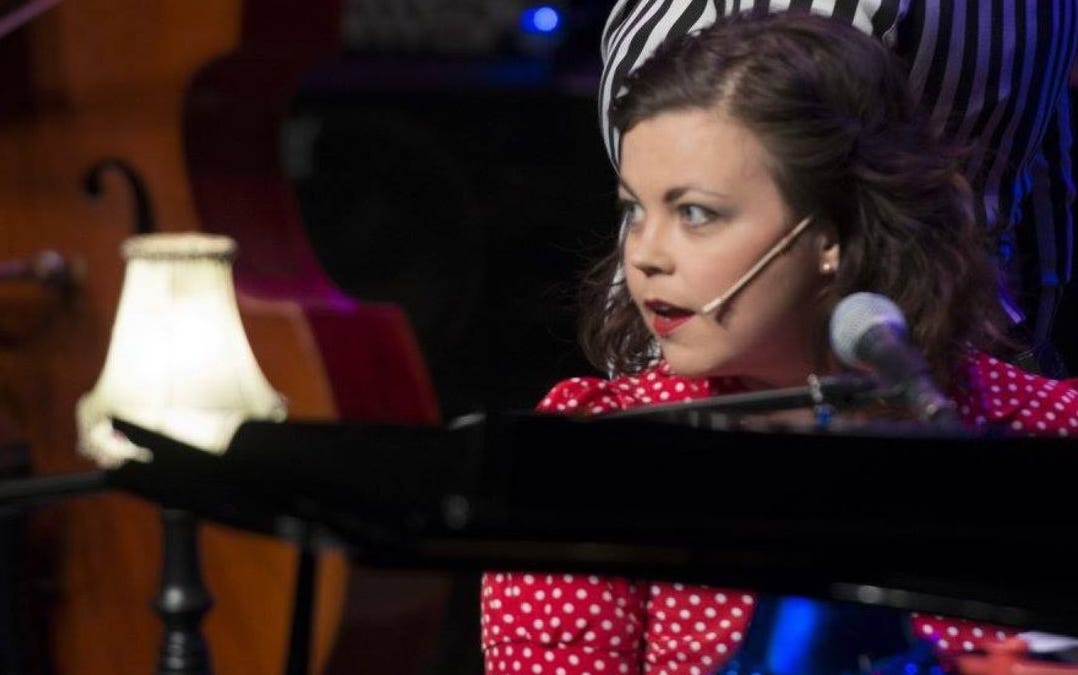
Each time an identity shift was underway, there was a period where the old identity still fit well enough to stay. I gradually started moving from music educator to vocal pedagogue and artist. From the outside, very little looked wrong. I was teaching music in an elementary school, teaching singing in a youth theatre school, and performing with my own band.
The challenge was that I increasingly found myself with one foot in the old version of my life and one foot in the new. Part of me was already moving towards what wanted to emerge next, while another part was still organising my decisions, priorities, and sense of self around who I had been.
That in-between space can be surprisingly confusing, because you know enough to realise you’ve outgrown something, while not yet knowing exactly what will replace it.
One of the most recent times I found myself in that in-between space was when I decided to leave the life I had built in The Netherlands and move back to Finland.
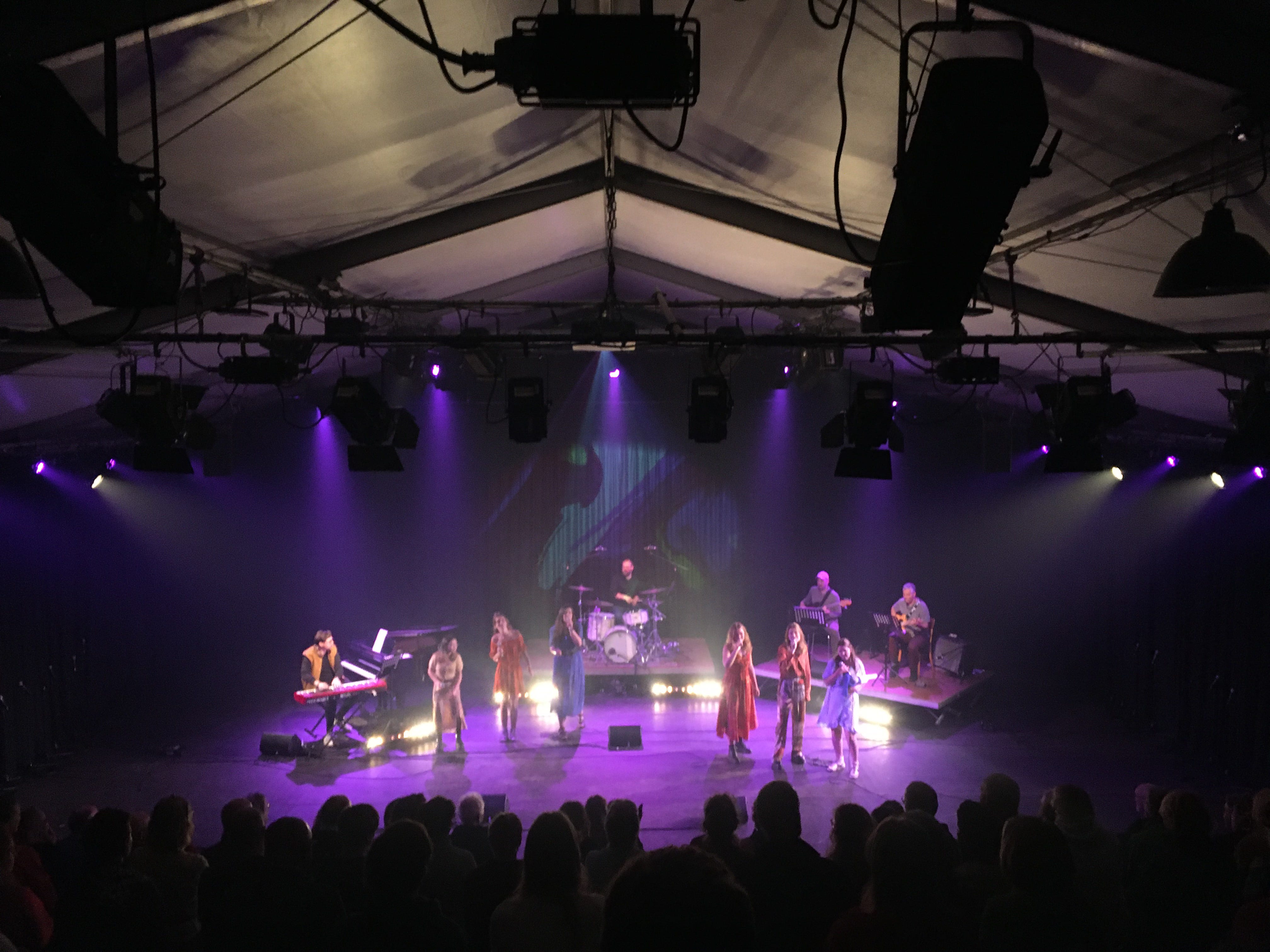
On paper, there was very little reason to leave. I had built a life there over many years, along with a large professional network and a career that was a combination of my private teaching and coaching studio, freelance work, and a teaching position at a university for the performing arts. That role had once felt like a dream job. It was meaningful work, and I loved teaching the next generation of music theatre makers. The teaching position also came with stability, credibility, and a professional identity that was easy to explain to other people.
There was nothing wrong with the job. And there was nothing wrong with my life in The Netherlands. But increasingly, I had the sense that I was being asked to grow beyond the version of myself that had built that life. Part of that was geographical. I had a strong feeling that I needed to change locations in order to grow creatively, because I would keep repeating the same patterns if I stayed in the same place.
But part of it was also another identity shift that had quietly been unfolding for years. I was slowly outgrowing the identity of being primarily a singing teacher and vocal coach.
Supporting artists in their creative process, projects, and bigger life questions had gradually become a larger part of my work. I found myself increasingly drawn to the deeper questions underneath creative work itself: vision, direction, creative process, and how artists build lives that can sustain what they want to create.
The move itself wasn’t the identity shift, it was one consequence of it. Finland started calling me back, and at some point the decision became surprisingly clear. As the saying goes, “When you know, you know.”
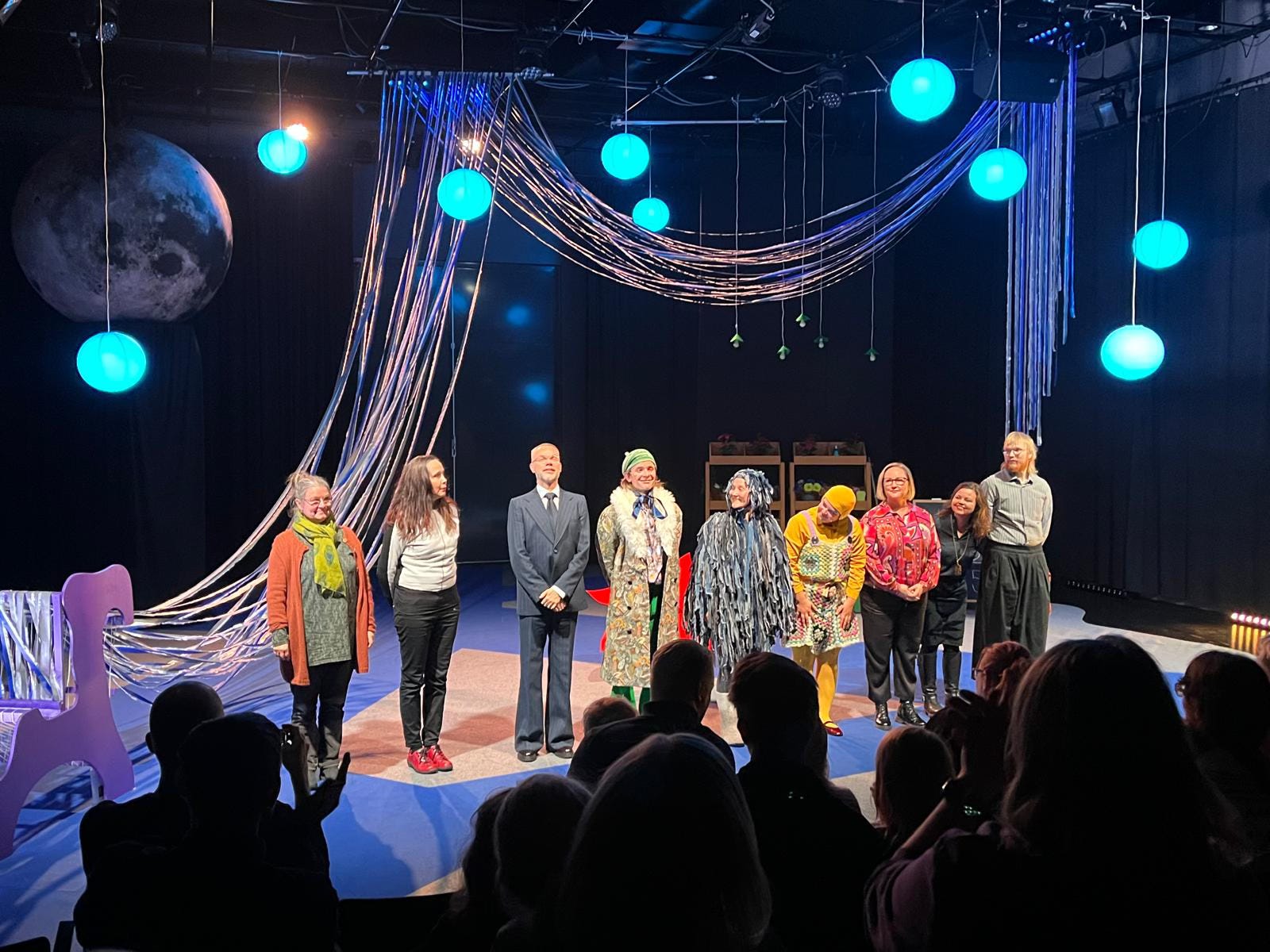
The difficult part wasn’t deciding to leave. In many ways, that decision felt surprisingly clear. The difficult part was trusting the decision before I knew exactly what would replace it. I wasn’t moving towards another job offer or a clearly mapped-out future. I was moving towards a possibility I couldn’t fully see yet.
The old identity had already started loosening its grip, but the new one hadn’t fully revealed itself. There was direction, but not certainty.
And I think that’s often what makes these transitions challenging. We tend to hope that growth will arrive with a complete roadmap. That we’ll know exactly who we’re becoming before we’re asked to take the first step.
But in my experience, it rarely works that way.
I think many artists know this territory.
We often assume that clarity will remove uncertainty, but sometimes the deepest clarity arrives alongside uncertainty. You know something needs to change. You know you’re being called forward. And yet you can’t fully see where the path leads.
Sometimes growth feels less like moving confidently towards a destination and more like standing between identities: no longer fully at home in the old one, and not yet established in the new.
One example that feels especially present right now is a singer-songwriter I’ve been working with this spring. She is both a vocal coach and an artist, and for a long time the vocal coach identity has been the more dominant one in how she organises her time, energy, and decisions.
The vocal coach identity shows up in subtle daily patterns:
It is easier to sit down and work on the coaching practice than it is to sit down and do creative work, or work on things related to artistic projects and career development.
It is more familiar to prioritise other people’s creative development over her own artistic output. This is something many teachers and coaches in the performing arts recognise. We love teaching. We love supporting others. But sometimes it becomes easier to invest in other people’s creative lives than our own.
My client’s artistic identity as a singer-songwriter is not absent. It’s very much alive. But it has required more intentional space in her life.
This is not about choosing one identity over another. It’s about allowing both identities to take up space. The artist and the coach. The creator and the supporter.
What becomes very clear in this process is that identity does not shift through insight alone. It shifts through repetition: through what we consistently return to, and what we stop abandoning when it feels unfamiliar or uncomfortable.
And this is because identity is not just something we call ourselves. It lives in action, and is revealed through what we repeatedly return to:
The decisions we make when nobody is watching.
The priorities we default to under pressure or time constraints.
The habits we fall back into when things get busy.
The boundaries we do or do not hold around our creative time.
What we consistently choose to move towards, and what we keep postponing.
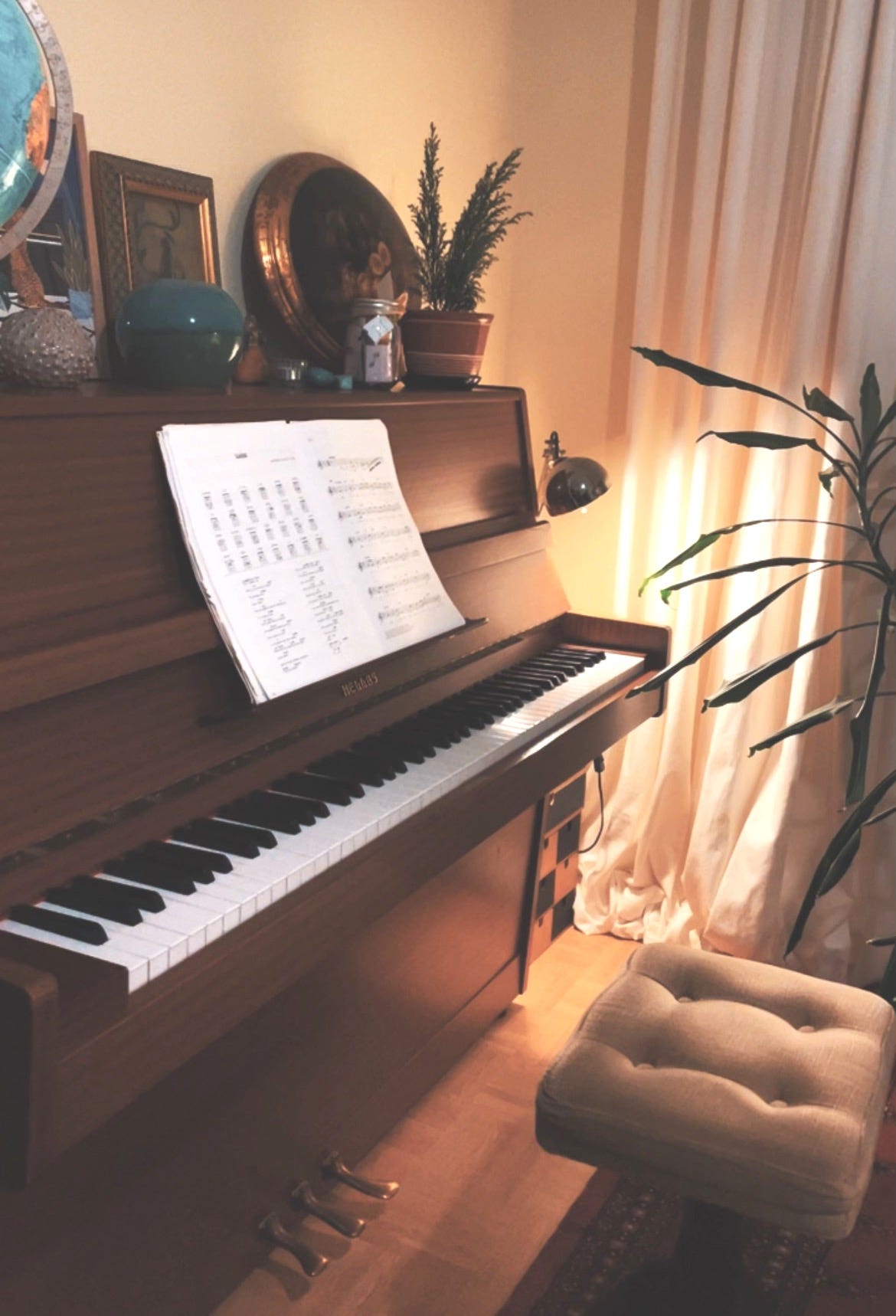
The question for my client was not whether or not she is an artist.
Of course she is!
The question was how much space that identity was allowed to take up in her lived reality.
So over the past months, part of our work has been very practical: not just exploring artistic direction, but actively reorganising how she relates to her time, energy, and creative priorities. In other words, practicing what it means to take her own artistic work just as seriously as the work she does for others.
What happens when the identity that brought you here is no longer the identity that can take you where you want to go next?
I think this is where many artists get stuck: because part of them is still organised around who they have been, while another part is already trying to grow into who they are becoming.
Perhaps the real work is learning to recognise when an identity has become too small for where life is asking us to go next.
What about you?
What part of your life is still organised around who you’ve been, rather than who you’re becoming?
If you’re new here, you might want to start with: Turning creative vision into lived reality.
If you’re curious about my work, you can read more about me here.
No posts
Comments
Nothing yet. Say the first thing.
Sign in to join the conversation.