
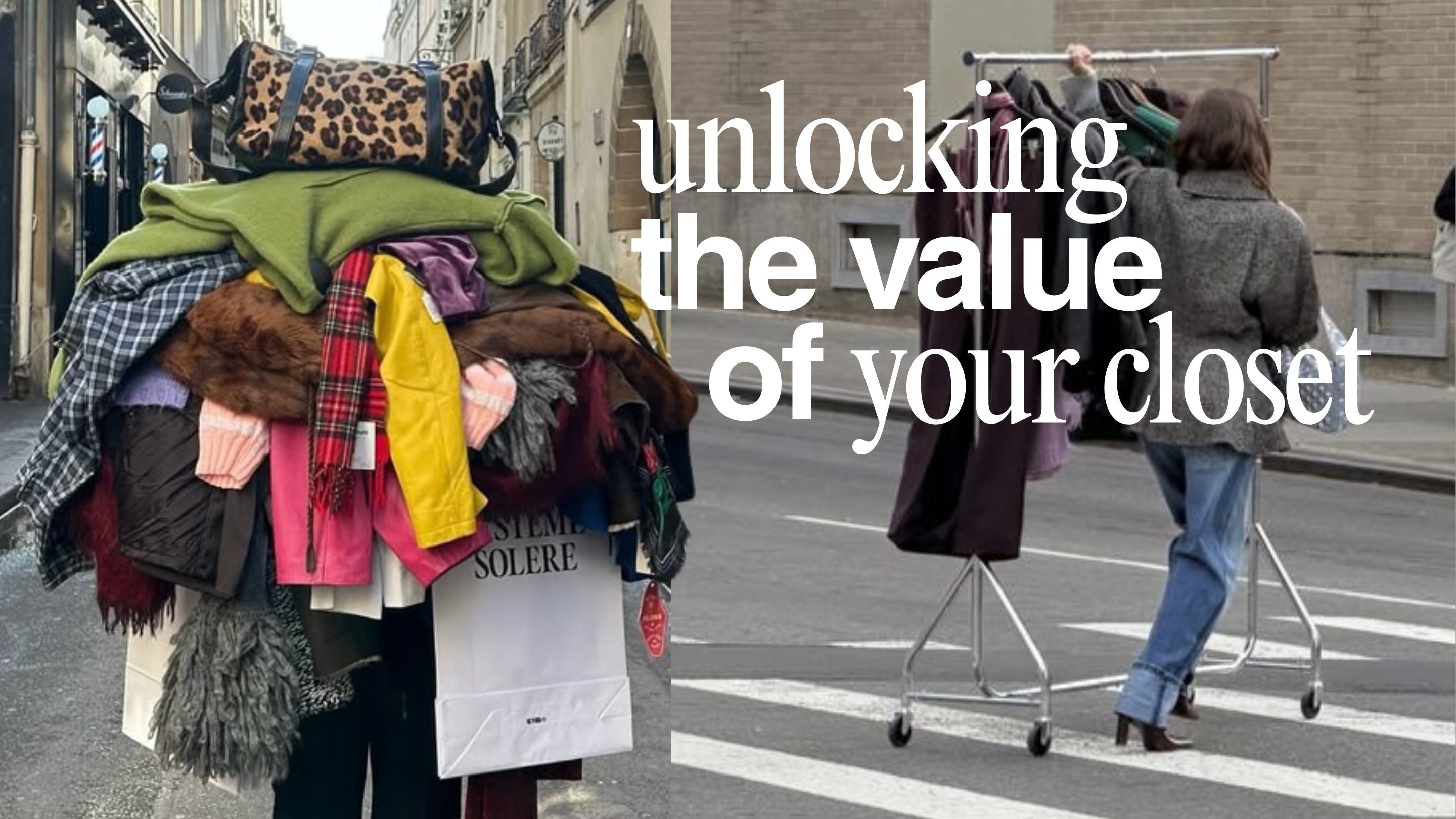
For a little over a year, I’ve noticed a major shift in how I buy products. It’s not necessarily how many products I buy (my UPS and FedEx delivery people may disagree), but the types of questions I ask myself prior to purchasing a product. Prior to this shift, my shopping was primarily tied to specific events. Trip coming up? I bought a new dress (maybe two). Wedding? New shoes, obviously. Business trip to NYC? That meant buying a new wardrobe. I didn’t buy out of need; I purchased based upon the moment or event I was buying for. Looking back, I realize that this is incredibly common. Fashion is now heavily linked to events, and social media has certainly contributed to this. We see someone wearing a great outfit, save it, buy something similar, wear it once, and then repeat the process.
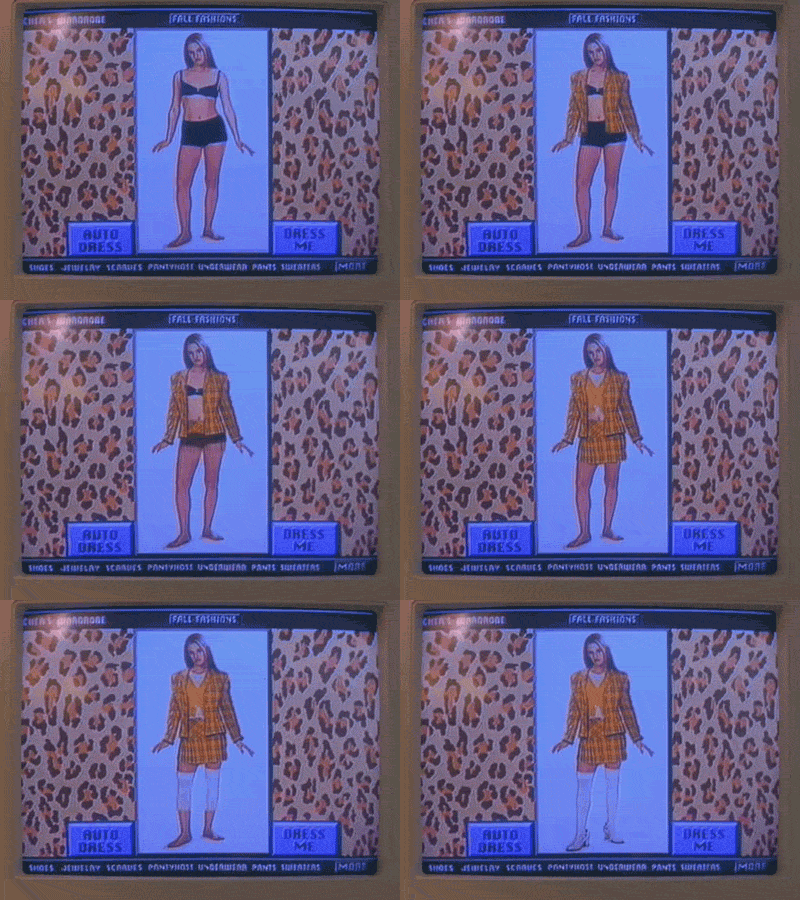
Working with Reva was the first experience that challenged this way of thinking. If you’ve followed my journey, you know we had two closet sessions together (I’ll link them below so you can watch). I left both sessions with a newfound appreciation for what was already in my closet. I expected her to tell me what to get rid of and what to buy next. Instead, she showed me how much I had been overlooking. A blazer that I thought I had worn out looked completely different with jeans instead of trousers. Dresses that seemed only suitable for vacation transformed into everyday outfits with different shoes. This was not just organizing; it was about gaining more value from what I already owned.
That idea stayed with me even after those sessions ended. I realized that the best shoppers aren’t always those with the biggest wardrobes. They are the ones who know how to maximize what they already own. Since then, I’ve made fewer impulse buys (ok, ok, I’m still working on that) and focused more on investing in pieces that I truly believe I will wear repeatedly.
My perspective around my closet changed around the same time I joined Button as an advisor. For those not familiar, Button is creating an AI-powered digital closet by pulling your purchase history from your email, automatically organizing everything you own, and then making it incredibly easy to resell pieces across marketplaces like eBay, Poshmark, and Depop). We often view clothing as a depreciating asset. We buy something, wear it, and subconsciously think it loses value each time it leaves the hanger. I don’t believe that’s always the case. The value of a piece is not just about its initial price; it’s about everything that happens afterward.
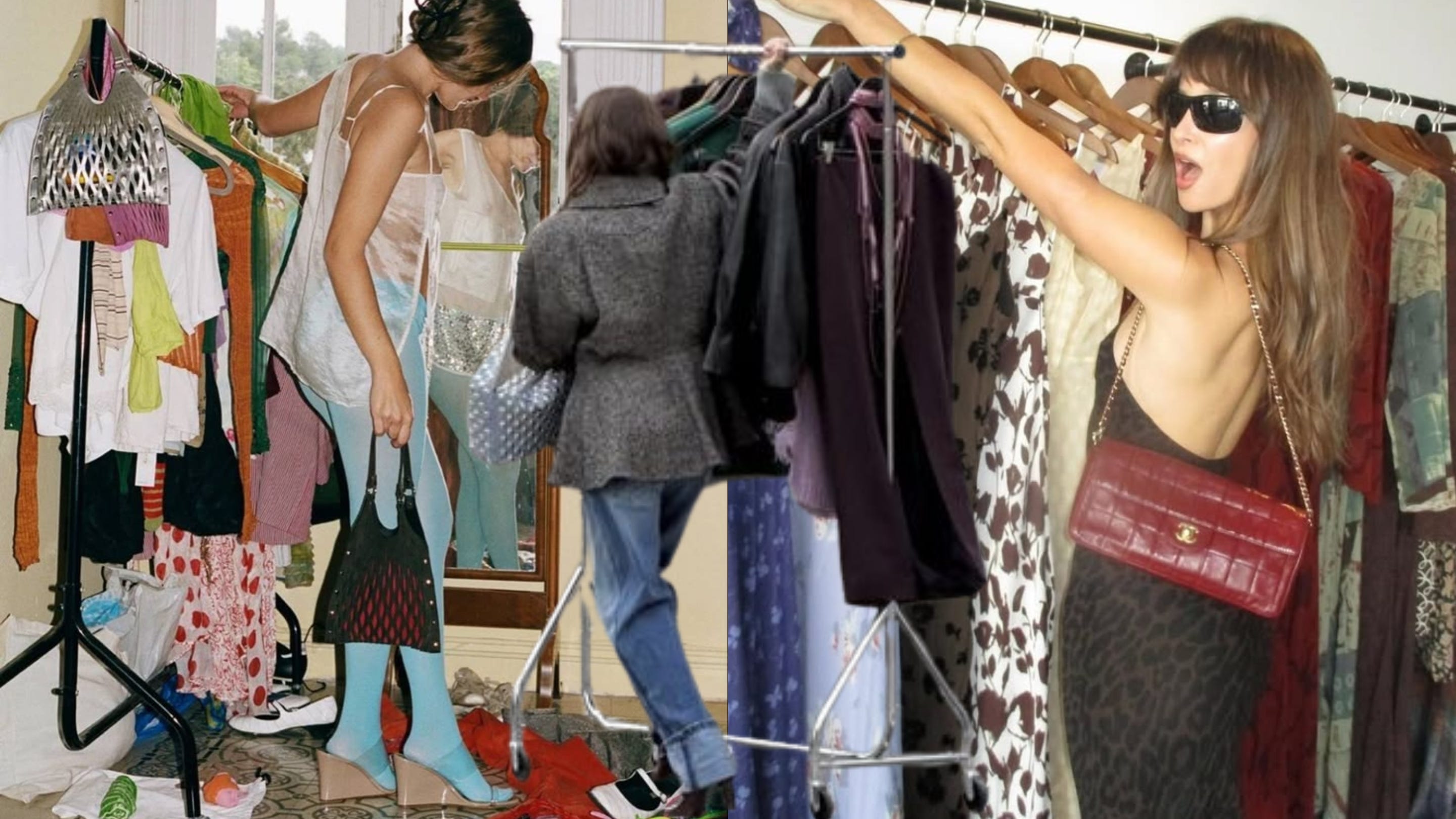
I’ve started to see every purchase as having a longer lifespan than just the initial sale. Maybe I wear a dress to a wedding this summer, style it differently for a vacation next year, and pull it out a few years later for another event. Perhaps it gets resold to someone who has been seeking that exact item. Maybe it’s rented out for a special occasion. Maybe one day, Ruby decides to steal it from my closet. The key point is that buying something doesn’t have to mark the end of its story.
This mindset feels like a natural progression from what I learned. Reva encouraged me to think about how to make the most of my wardrobe’s potential: finding new ways to wear the pieces I already had instead of constantly searching for new ones. Button has expanded on that idea by encouraging me to think about maximizing the utility of those same items. Both have totally changed my approach to assessing purchases. I’m no longer just asking if I love something enough to buy it. I’m asking if it’s a piece that can continue to provide value, whether through different styling options, passing it along, reselling it, or just keeping it in use for years rather than months.
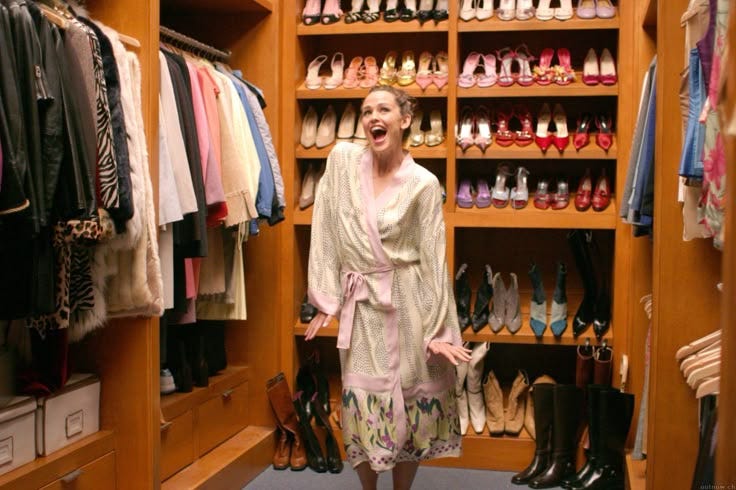
One of the aspects I enjoy most about advising Button is that it has pushed me to see fashion in a new light. Before meeting Button’s founder Molly and the advisory team, I mostly viewed the fashion cycle as buy, wear, and then eventually resell if I remembered to. What Button is creating focuses on a much broader idea: helping people understand what they own in the first place. Honestly, most of us are not very good at that. I couldn’t confidently say how many white dresses I own, which handbags I’ve used most over the last three years, or which pieces in my closet have held their value. Yet, collectively, many of us have thousands of dollars tied up in our wardrobes.
The more I think about this, the stranger it seems. We track our investments. We monitor our home values. We know what’s in our checking accounts. But for many women, their wardrobe is one of the largest collections of personal assets they have, and we rarely consider it beyond getting dressed in the morning. That’s starting to change. With resale, peer-to-peer rental, digital closet platforms, AI styling, and authentication technology, fashion is entering a new era where ownership matters as much as shopping.
I don’t think the takeaway should be that everyone should start renting out their closets. What intrigues me is the broader change in mindset. For years, the question was simply, “Should I buy this?” Now, I find myself asking, “How much life can this have?” These are very different questions, leading to very different purchases.
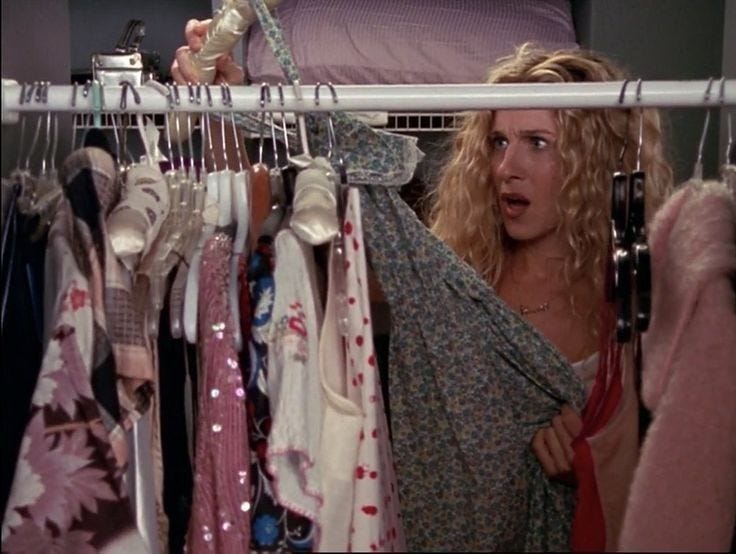
Now, before I buy something, I’m not just thinking about whether I’ll wear it to the next event. I’m considering if it’s versatile enough to style in five different ways. I’m wondering if it’s timeless enough that I’ll still love it in five years. Does it have resale value? Is it something Ruby might want to borrow from my closet twenty years from now? Ironically, asking these questions hasn’t made fashion less fun. If anything, it has deepened my appreciation for the pieces I choose because I know they will have a lasting place in my wardrobe instead of becoming another forgotten purchase.
Maybe this is why the concept of “circular fashion” interests me so much. The idea is not only related to reselling, renting, and using technology. Rather, it is about how we can take better care of the items that we currently possess. While there will always be an emotional connection to fashion (which is why so many of us find it so enjoyable), I believe we are entering a time where women are becoming increasingly aware of the items they purchase. Women are looking for quality pieces that are built to last; they want items that will evolve with them and continue to provide value well beyond the time of their initial purchase. This is a much more engaging way to approach the purchasing decision than simply asking “what’s new this season?”
Comments
Nothing yet. Say the first thing.
Sign in to join the conversation.