
It was 6am on a Tuesday in the summer of 2014 and I was on a train from Irvine, California to downtown LA, just like every other week day. I had a job working at a mediation & arbitration firm and it was the first truly stable “grown up” job I ever had.
After graduating in 2008 in the midst of a massive recession, I held many, many part time jobs: Latin tutor, barista, retail at Anthropologie (yes I spent all the money I made on clothes), front desk at a yoga studio, yoga teacher. I worked in the vitamins & supplements department at a health food store. I repped herbal supplement companies.
So, I felt incredibly grateful to have a full-time job where I felt like I was doing something meaningful (alternative dispute resolution is pretty cool!). I liked my co-workers. The company was fantastic. I had PTO! A 401k! A healthcare plan!
AND I desperately missed academic life. It had been 6 years since graduating from college with my BA in history and while I had received a handful of certifications in my quest to more deeply understand alternative healing modalities, it wasn’t the same as getting completely absorbed in your research, attending an inspiring lecture, or the sense of satisfaction you get from outlining an argument and writing the paper.
I missed that.
Once upon a time, I had planned on pursuing a PhD in medieval history and sitting on the train at 6am with the sun coming up I wondered…why can’t I do that now? What’s actually stopping me?
Turns out, something really big was stopping me, but I’ll get to that in a bit…
When I got home that day, I dug out my old Wheelock’s Latin (iykyk) figuring it was the best place to start if I had any hope of impressing the medievalists with whom I wanted to study. The benefit of commuting on a train for 3 hours a day is that you get to make good use of that time, so I decided to claim that 3 hours a day for Latin and scholarship of the Middle Ages.
As you may have guessed, that routine didn’t last long. A couple months later, I transferred to the office closer to my home, my 3 hour train commute went down to a 1 hour driving commute and it’s pretty hard to transcribe and translate Latin while driving on the 405. I fell out of the habit and convinced myself I would never get in anywhere. So, I stopped.
Looking back, I realize three important things:
I could have absolutely been accepted somewhere to pursue a PhD, but I talked myself out of it because I was afraid of what it would mean if I failed.
Even at 28 I still wasn’t ready for the level of commitment a PhD would require. I was still fantasizing about what it meant and what it looked like to conduct and come up with original ideas about your research.
I wasn’t willing yet to inconvenience myself in order to get what I wanted.
That last one is a big one and has been a pattern for as long as I can remember. But something about becoming a mother, maybe learning how to re-mother myself, has helped me see it for what it is: fear of failure. Fear of important people in my life saying “I told you so” and having to live with the knowledge that it had now been proven that I couldn’t do it.
I think there’s another piece to all of this too. I think a part of me believed I couldn’t do a PhD and get married. I couldn’t do a PhD and have a family. I couldn’t do a PhD and be a good mother. I’d have to choose. And the fear of failure revealed a deeper fear: the fear of being alone.
So I put it all aside. I got the other certifications (because of course I still had to prove to myself that I was good at things), I started a business, I fell in love, we started a family, and in the midst of all of that, I realized the permission to pursue something I care deeply about can’t come from anyone else.
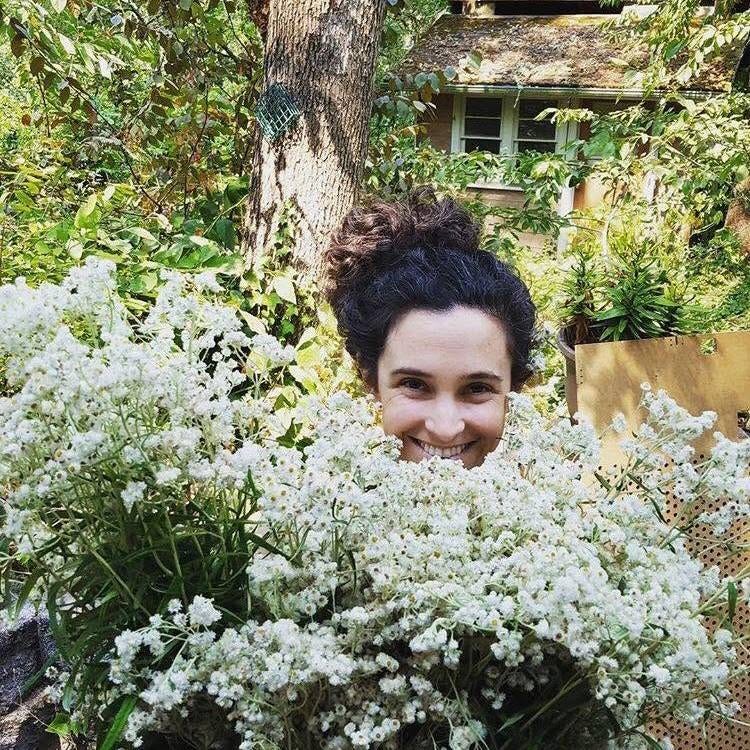
Nearly two years ago, after dabbling in historical research as it pertained to herbal medicine and writing ebooks for Wild Grace, and after reading about this new writing platform called Substack, I decided I would dedicate a chunk of my time to research and writing about my research. I figured even if no one read it, at least I’d have a place to think out loud and maybe I’d find a few folks who were history nerds like me.
I decided to try on a new label: independent researcher.
Someone who’s unaffiliated with a university but who conducts their own research for a variety of reasons. I wasn’t sure what would become of this new title I had taken on, but for the first time in a very long time, I felt that “nervous-excited” feeling you get when you know you’re onto something that’s just right for you. I knew that after being drawn back into history countless times, I could no longer turn away from it or deny that it was incredibly meaningful for me for reasons I couldn’t yet verbalize.
There was one problem though.
Did I remember how to do research? It had been a long time since I had written a research paper or dug through the library for pertinent secondary sources or stalked those secondary sources for the primary sources they site.
It had been a long time since I had had to make meaning from the books I was reading. What if I didn’t have anything intelligent to say?
That fear stopped me for about 10 seconds before I realize I didn’t care. I mean, I did care. A lot. But at this point I knew I needed to push through and figure all of that out. Funnily enough, I knew that I would push through and figure it out. Something inside me knew I had grown through the angsty 28 year old that thought she didn’t have what it takes.
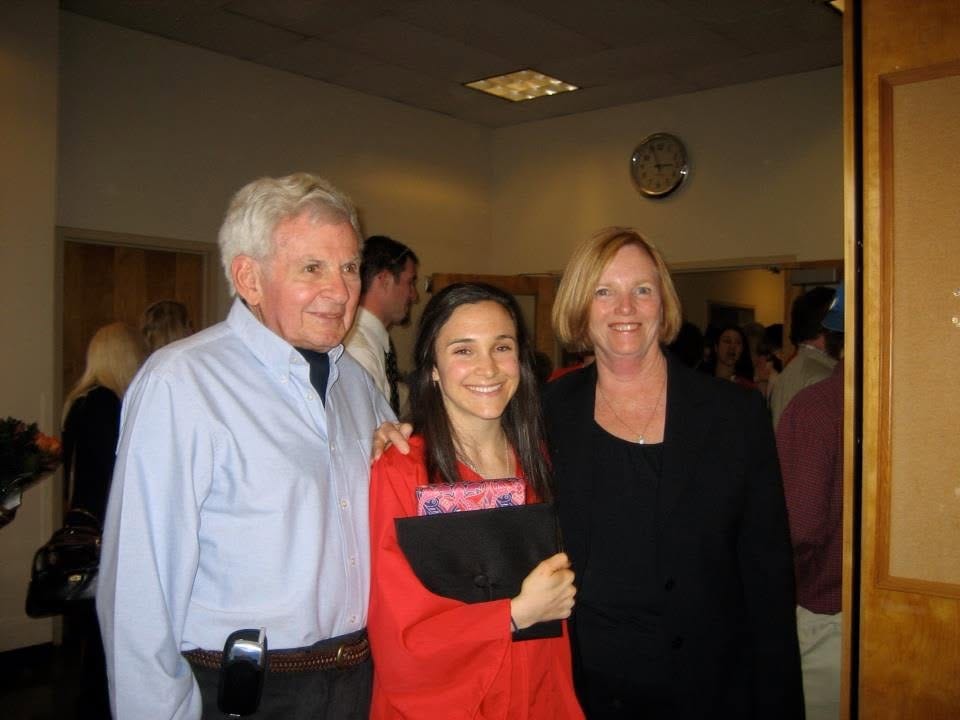
By this time, I had detoured away from the middle ages and back to my very first historical obsession: early America. (Yes I was a Felicity girl.) So I started making lists of primary and secondary sources to read. Lectures to watch on YouTube. I have more articles saved on JSTOR than I care to admit. I convinced the university here in town to give me access to their special collections and archives.
Once I started digging, I couldn’t stop — and I can confidently say that other than motherhood, historical research is my life’s work. I have no idea where it will take me, though I do have some lofty goals, but I’m leaving myself open to the mystery of the crazy way that life unfolds. Unlike when I was 28, I’m trying not to overly identify with the goal. I know my identity as someone devoted to historical study isn’t tied to the degree I may or may not have but rather how I contribute to the field of history.
I’ve also realized over the last two years that it’s ok to have more than one historical interest. I know crazy, right? It actually makes you a more well-rounded researcher and writer to have several fascinations. You don’t have to pick one.
[Cue my sigh of relief]
So, if you need a sign to devote one hour a day or week to something you feel called to, here it is. You don’t need to quit your job or leave your life behind or choose between your passion and your family. You don’t need to be enrolled in a university to study seriously. You don’t need three uninterrupted hours every day. You don’t have to turn your curiosity into a credential or a side hustle.
You can find rhythms that work for you to pursue your intellectual or academic interests outside of the ivory tower of academia. You are allowed to learn for the simple reason that you want to know.
I’m in the process of building something for those of us who want to do just that. If you’re longing for depth, curiosity, and a space for sustained attention in a culture that continually fragments those things, stick around for what’s coming this fall!
Thanks for reading! If you enjoy academically-informed but informal explorations of early America, the craft of historical fiction, and life as an independent researcher, please consider subscribing to this publication!
And if you’re interested in peeking behind the curtain at my own research notes and processes, my novel-in-progress, and a slow & seasonal book club, join us in The Keeping Room, the paid tier of Tending the Hearth, for as little as $5/month.
Comments
Nothing yet. Say the first thing.
Sign in to join the conversation.