
The other day I texted my writing pal asking, “Can I be a historian and an author?”
I think what I was really asking was: Do I have to limit myself to one historically-rooted goal? Can I pursue my long-held dream of writing historical fiction while also immersing myself in the actual research and work of a historian?
What even is a historian though? At one point in my life, I thought it was someone who sat in an archive or library all day, pouring over primary and secondary resources, taking notes, writing articles and books. A professor.
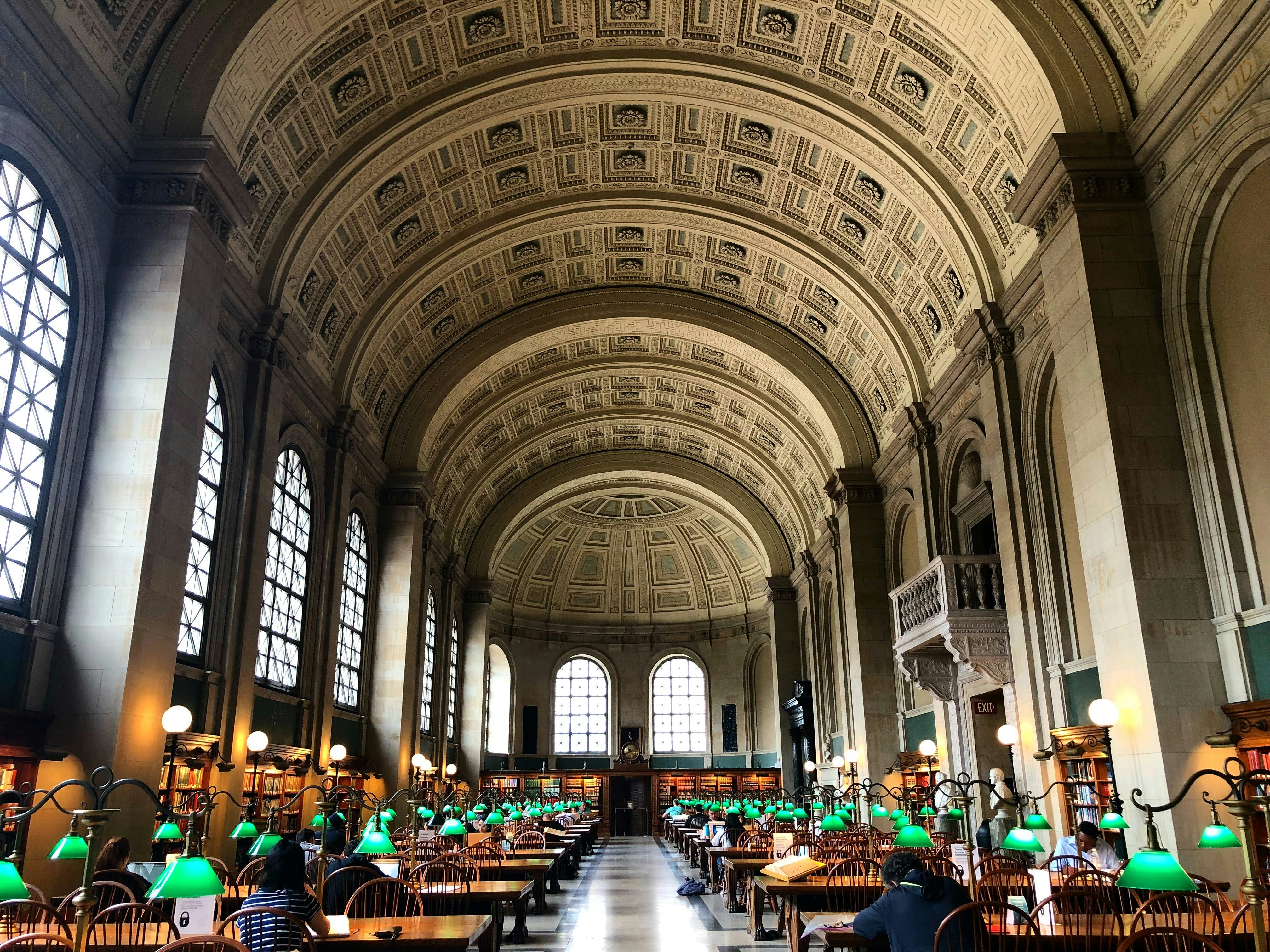
And at one point in my life, I thought that would be me. I could see myself walking across campus to the lecture hall where I taught History of Medieval Women, Medieval Mystics, or even beginning Latin. (As you might have guessed I studied medieval history.)
I visualized myself spending all day in a library researching, taking notes, writing.
But slowly that image faded, though let’s me honest, it will never completely go away.
Where does that leave me as someone with a husband, young kids, a business to run, and a novel to write?
Thanks to people in my community like Kaelyn Grace Apple | Historian, Madeline Feierstein, and Cait Murphy-Hurrell, I’m realizing that while my life may not ever look like my initial “historian dreams”, I can still be a historian.
What do they do? What does it take to be called or call yourself a historian?
A historian is not someone who simply studies history. It isn’t someone who loves history or reads a lot about it or even writes about it.
As Anthony Delaney argues in an Instagram reel from earlier this year, a historian is someone specifically who both contributes to the field of history and interacts with primary source material. This can include:
Writers
Teachers
Genealogists
Archivists
Historic Preservationists
Re-enactors
Tour guides
Museum professionals
Podcasters
The academic landscape is ever-evolving and has been changing fairly rapidly even since I graduated with my bachelors in 2008. While it’s possible to get your PhD and go on to get a tenure track position at a university, it’s becoming increasingly challenging to get that type of position. Academic historians still exist of course, but the institutions themselves are changing for a variety of reasons.
Then there are public historians, the folks whose audience is the general public rather than academics. While they may or may not publish scholarship, they’re deeply involved in managing certain types of primary sources and effecting the public’s perception of history, culture, and identity.
And of course there are careers not mentioned above. Lately, I’ve realized how much I limited myself in the past in my view of what a historian really is. Because I don’t have to go back to school for a PhD to be a historian (though I would love to some day) and I certainly don’t have to ensconce myself in an archive all day pouring over 18th century documents (though that also sounds like a dream).
More and more though I think about how the humanities are going through a necessary renaissance, which Adam Walker writes about often, because the current academic system has failed to evolve in many ways. And while it’s easy to blame technology for much of the academy’s downfall, that technology also makes it possible for many of us not in the academy to study, write about, and share our work within the humanities publicly.
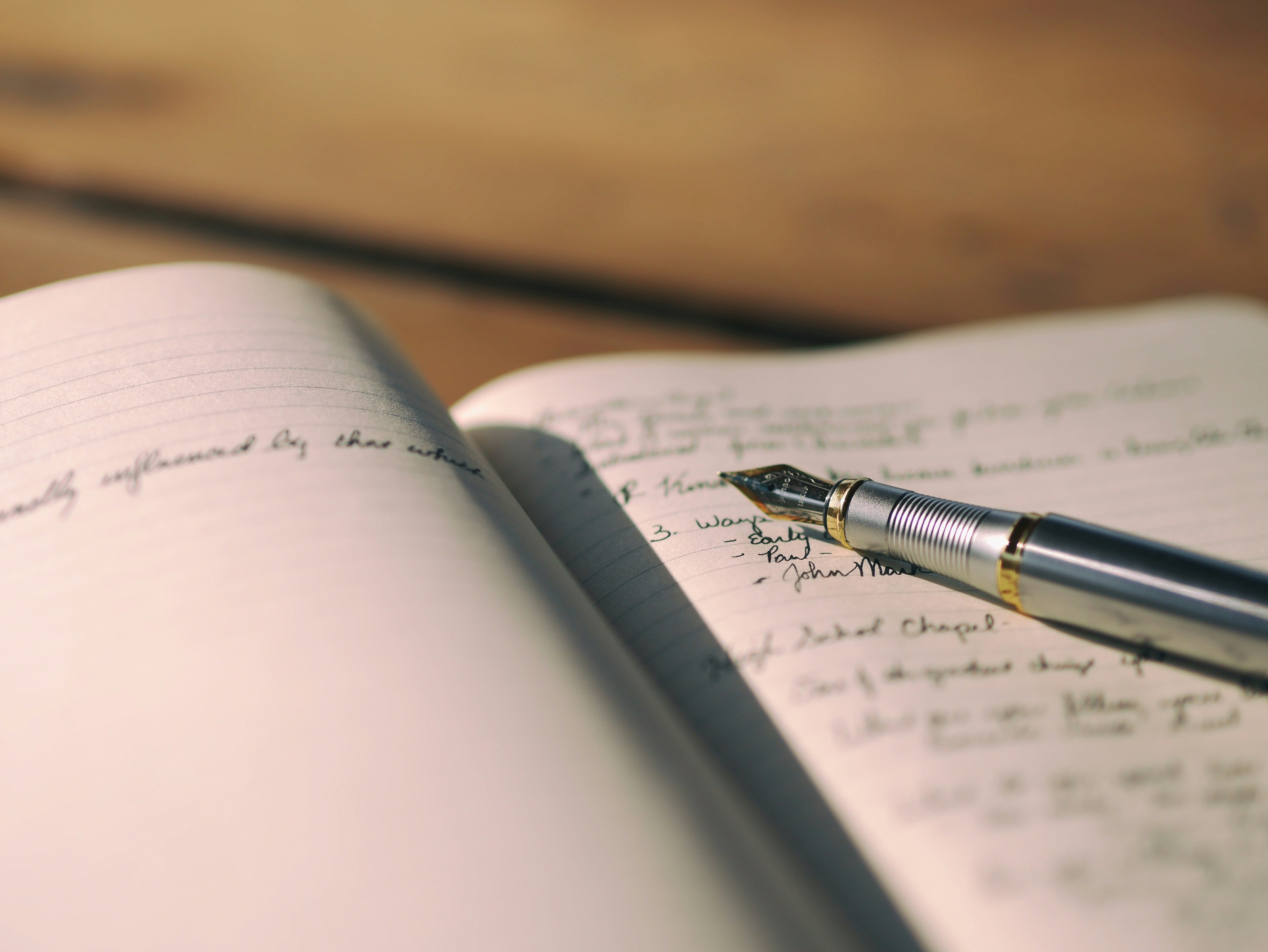
So, can I be a historian if I don’t have a PhD? Can I be a historian if I’m also a mother and business owner? For me, the real question has been: can I be a historian without giving up the life I’ve worked so hard for?
I think the answer is yes.
Will it take hard work? Yes.
Will I question why I’ve decided to essentially take on a second (third?) job? Definitely.
Will I wish I had just gone back to school when I was 21 or 25 or even 30? Without a doubt.
The other day in church, our pastor (A.J. Swoboda) was telling a story about asking his own mentor how to know if he should be a pastor. His pastor told him if there was anything else in life he could see himself doing, he should go do that and he shouldn’t be a pastor.
I feel that way about history (and also remember my own advisor giving similar advice about becoming a historian). I’ve run from history many times since graduating with my BA. Now as I near 40, aside from being a mother, there isn’t anything else I really see myself doing. And because I’ve done a lot of those other things, I feel like I’ve really proven it out.
I want to be a historian.
What happens when you whisper that into the cosmos? Or announce it on Substack?
You have to stop skirting around the issue, make a plan, and do the thing. Almost a year ago, I shared a personal curriculum I had planned out for myself. While I’ve dabbled in this personal curriculum since posting about it, I haven’t really immersed myself in it. I tend to have a bit of research FOMO and there’s a part of me that thinks if I’m focused on one topic, I’m missing out on another.
But this thread is one I discovered in college, as you’ll read in the personal curriculum post, and I just haven’t been able to drop it, plus I know this research will help me with the novel I’m currently working on.
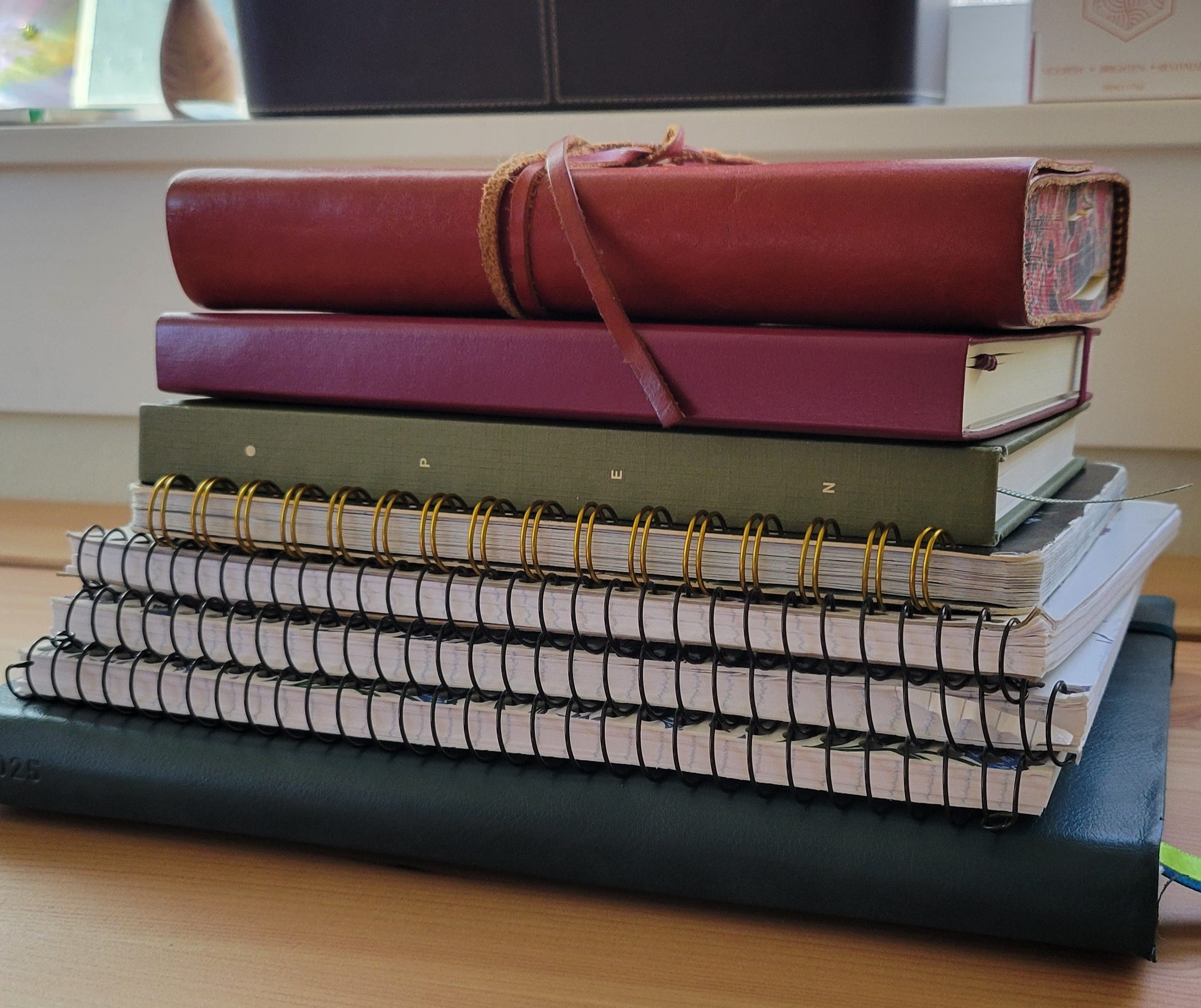
My plan is to work through my Magic, Science, and Religion in Early America curriculum giving two whole months to each unit. I don’t know if each one will actually take the full two months, but I want to give myself plenty of time to explore resources and not be stressed out about it while I also homeschool my oldest and run my business.
But a big part of “being a historian” in my mind has always included teaching and while I’ve taught various things over the past nearly 20 years including yoga, anatomy, and herbalism, I want to step into more of a public educator role. Part of this is actually the reason I want to write historical fiction — I really think it can be a wonderful opportunity to teach history. I also want to push my own edges a bit when it comes to teaching on social media though, including on this platform, and plan on offering short courses on some of the topics I’m researching in the coming months.
I’ll be sharing the reflective essays at the end of each unit with you all, but along the way my notes, processes, methods, and even some templates I’ve created on Notion will be available to folks in The Keeping Room. I’d love to meet you there.
Comments
Nothing yet. Say the first thing.
Sign in to join the conversation.