
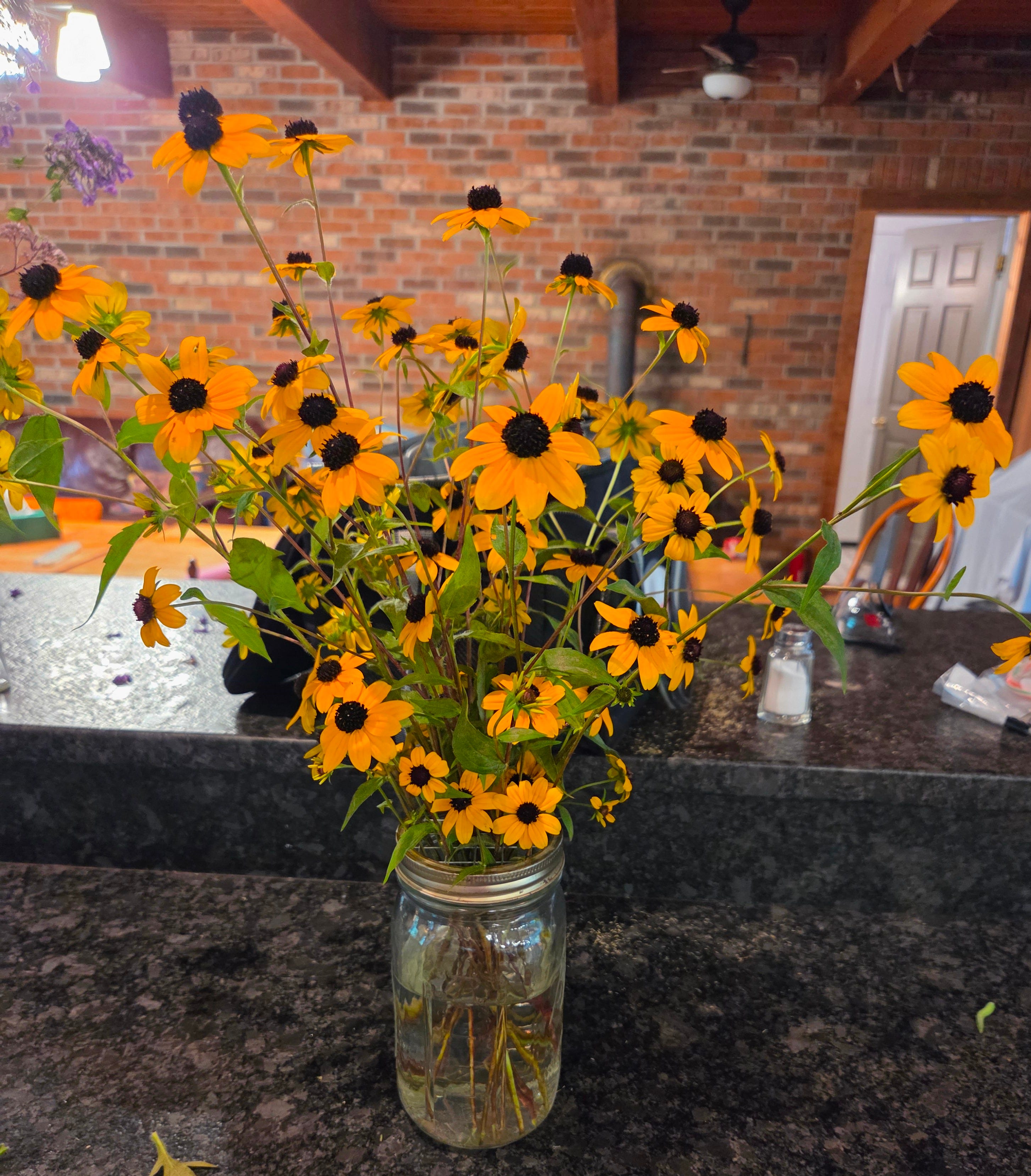
On July 30th I became a stereotype: a senior citizen who fell for a Social Security scam. It was late; I was tired, and I just wanted to get rid of a few routine emails before going to bed. The button said “Click here to download your statement.” “Huh,” I thought. “Usually Social Security has you go to the website.” I checked the email address: do-not-reply@ssa.gov. Seems legit, so must be the button means “click here to go to the website, where you will download the statement.” So I clicked, and quicker than I could say “Oh, shit!” desktop sharing software was downloaded to my desktop computer.
I was embarrassed and ashamed. Embarrassed, because a zillion people from my contact list emailed me to ask if the email the perpetrator sent with my email account was legit. Ashamed, because I knew better. Wasn’t I continually warning my 97-year-old mother to be wary of this very thing? Didn’t I ignore the suspicion lurking in the back of my mind?
It’s very creepy to watch the cursor moving across your darkened screen doing who knows what kind of mischief. I quickly turned off the computer, but uncertainty set in. I laid awake at night wondering which passwords I had changed with my phone, and which I had changed when I thought the infestation had been eliminated—but wasn’t? And did I change all the passwords that needed changing?
During the day I kept busy doing damage control as well as my usual activities. I managed to fall asleep at night without too much difficulty, but woke up an hour or two earlier than typical with what I would call my “first day of school nervous tummy.” Sometimes I would have a fluttery feeling in my chest. The first “morning after” I tried to go back to sleep, the uncertainties running like a hamster wheel in my mind.
The second morning, I wised up. I got up and dressed for gardening. Into the garden I went. The air was cool and moist. The birds were singing. I weeded and trimmed and generally tidied up for an hour or two. The nervous tummy was gone. The fluttering feeling had disappeared. And I could look with satisfaction on a job well done, right about the time I was usually just getting up.
Of course. Hadn’t I read numerous articles on the benefits of gardening? There’s a whole book written on the mental health benefits of gardening alone1. I had taken for granted that gardening was a pleasurable activity—I thought that was all that was meant by “good for you.” Gardening wiped out the signs of stress I was experiencing. It reset my emotional well-being for the rest of the day. I was so thankful to have this balm for my anxiety.
It got me thinking. I’m retired, but what if I needed to get to work instead of getting my hands in the dirt? What about people that don’t have “a bit of earth”2 to tend? Granted, my stress and my symptoms were relatively mild, but shouldn’t this therapy be more widely available? I think gardening is prescribed for depression in the UK, but not here. (Correct me if I’m wrong.)
But wait: what if you don’t like gardening? What if you don’t relate to plants? Trailing houseplants creeped my dad out; he felt they were going to get him. Maybe pet therapy would work better for people like him, who don’t like plants or don’t like dirt. It’s hard for me to imagine not relating to plants, until I remember that I don’t relate to dogs. Everyone takes it for granted that you love dogs, but I just don’t get them.
For those of us who “get” plants, or are at least willing to give it a shot, gardening, indoors or out, should be the first line of defense against mental and emotional struggles. It works. Yes, you may need something more; it won’t cure all ills. But gosh, it’s a good place to start.
The Well-Gardened Mind: The Restorative Power of Nature by Sue Stuart-Smith
Is there anything you want?” as if a sudden thought had struck him. “Do you want toys, books, dolls?”
“Might I,” quavered Mary, “might I have a bit of earth?”
In her eagerness she did not realize how queer the words would sound and that they were not the ones she had meant to say. Mr. Craven looked quite startled.
“Earth!” he repeated. “What do you mean?”
“To plant seeds in—to make things grow—to see them come alive,” Mary faltered.
He gazed at her a moment and then passed his hand quickly over his eyes.
“Do you—care about gardens so much,” he said slowly.
“I didn’t know about them in India,” said Mary. “I was always ill and tired and it was too hot. I sometimes made little beds in the sand and stuck flowers in them. But here it is different.”
Mr. Craven got up and began to walk slowly across the room.
“A bit of earth,” he said to himself, and Mary thought that somehow she must have reminded him of something. When he stopped and spoke to her his dark eyes looked almost soft and kind.
“You can have as much earth as you want,” he said. “You remind me of some one else who loved the earth and things that grow. When you see a bit of earth you want,” with something like a smile, “take it, child, and make it come alive.”
“May I take it from anywhere—if it’s not wanted?”
“Anywhere,” he answered.
From Chapter 12 of The Secret Garden by Frances Hodgson Burnett
Comments
Nothing yet. Say the first thing.
Sign in to join the conversation.