
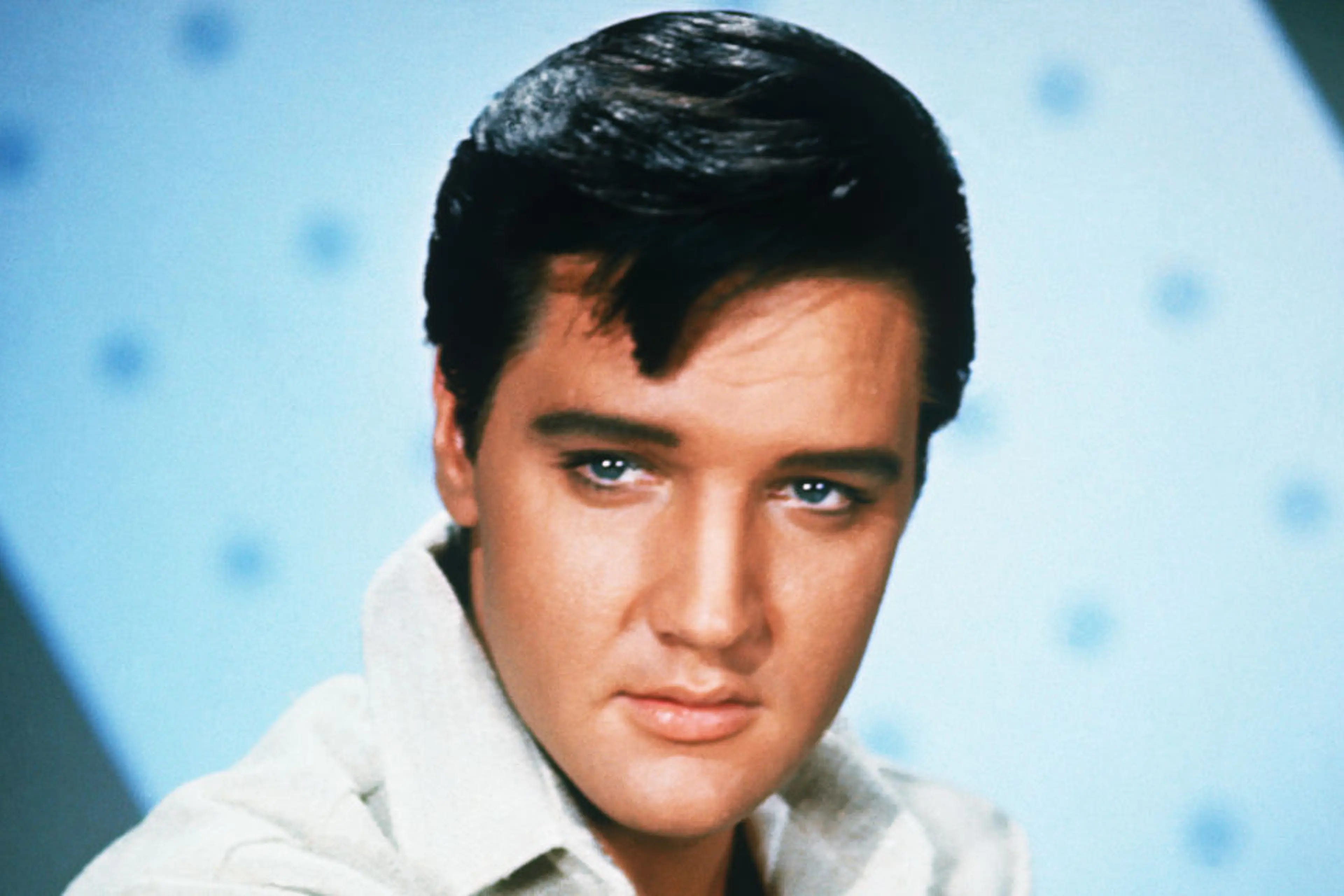
I was seven years old, and I was on my way to school. This is what I looked like.
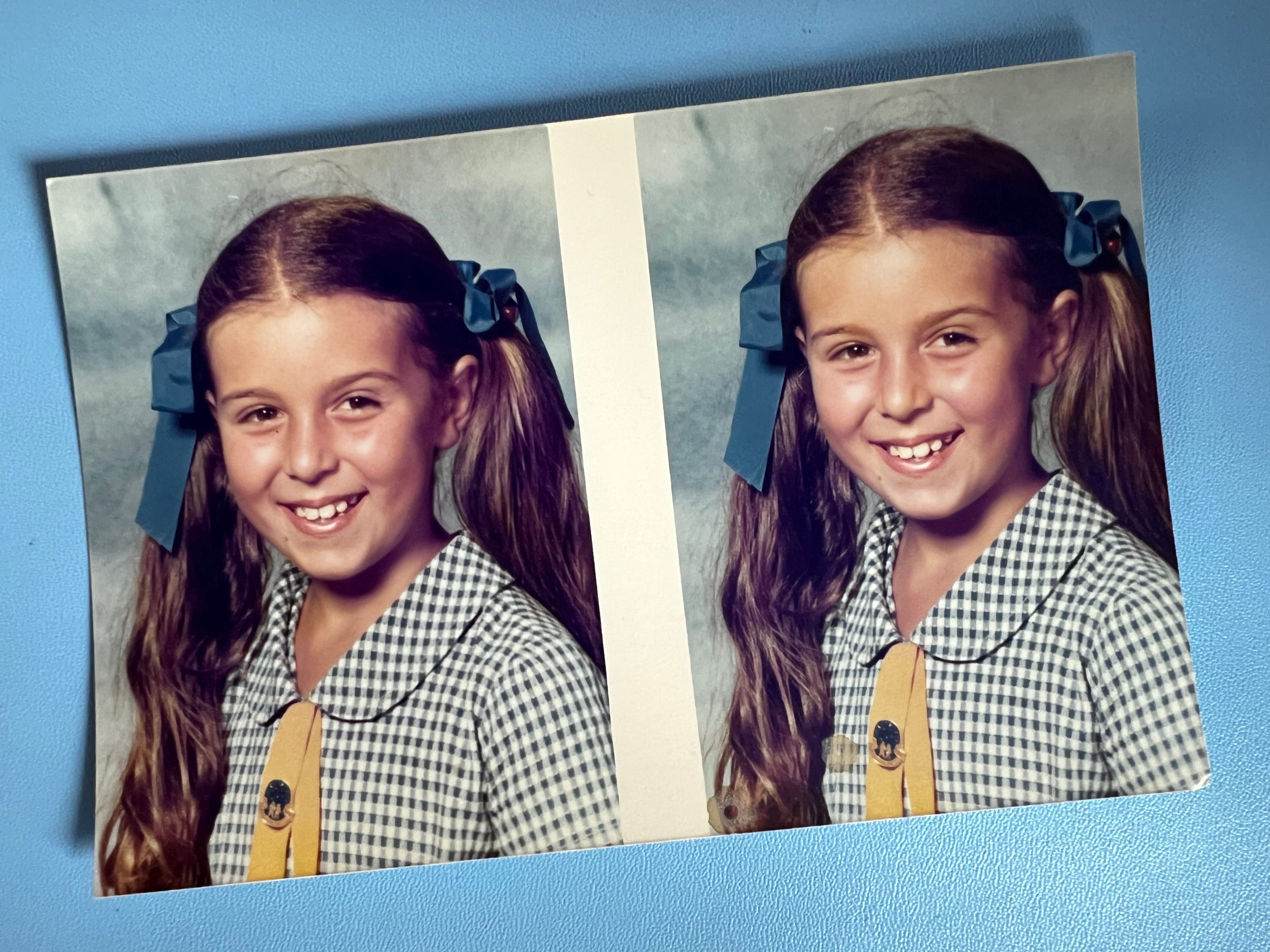
It was around 7:30 am in Sydney, Australia on Wednesday the 17th of August 1977. We were 15 hours ahead of Memphis, and it had just turned 3:30 pm when Elvis was pronounced dead at Baptist Memorial Hospital in Memphis on the 16th.
I was in mum’s gold Ford Capri, and she was driving me to school. Earlier that year, we had moved from our Marrickville home to Campsie and she would drive me to Petersham Public School in the inner western suburbs of Sydney until I transferred to a school closer to home.
We heard the announcement on the car radio. I remember crying. I cannot remember if mum was crying or what we said or if my friends at school cried or if teachers mentioned it.
I don’t know or don’t remember which radio station mum would have had the car radio tuned to. And the actual announcement must be in some archive somewhere. A quick internet search brought this up. An announcement made on 2SM radio at noon later that day. We may well have been listening to 2SM that morning.
The recording starts with the official announcement:
We have just received word that Elvis Presley legendary rock star of the 1950s is dead at age 42. We have no other details at this time other than to tell you that police have informed us that the death was caused by respiratory failure.
And then the Australian news reporter:
That was the way people in Memphis first heard the news today that the King of Rock ‘n’ Roll was dead.
Later, I remember we played Elvis non-stop. I remember sitting on floor of our living room, record player near me, records around me.

I adored Elvis. He was the most beautiful man in the world. And so was my dad. I’m not sure how old I was, but at one point I noticed just how much my dad looked like Elvis. Or maybe resemblance is in the eye of the beholder. Do you see it too?
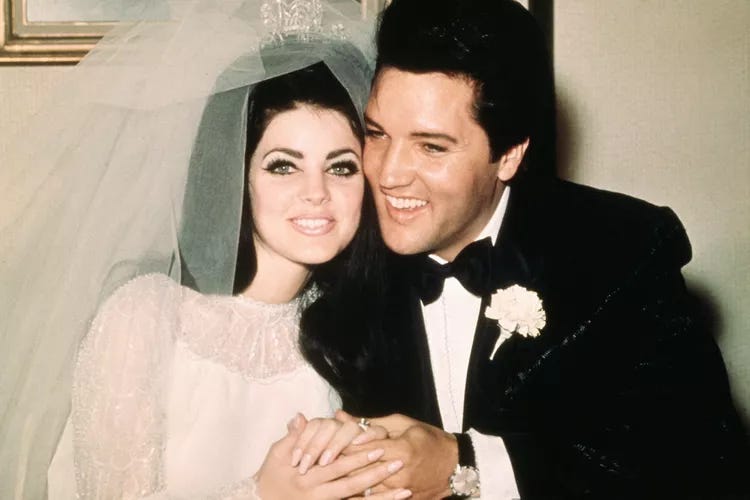
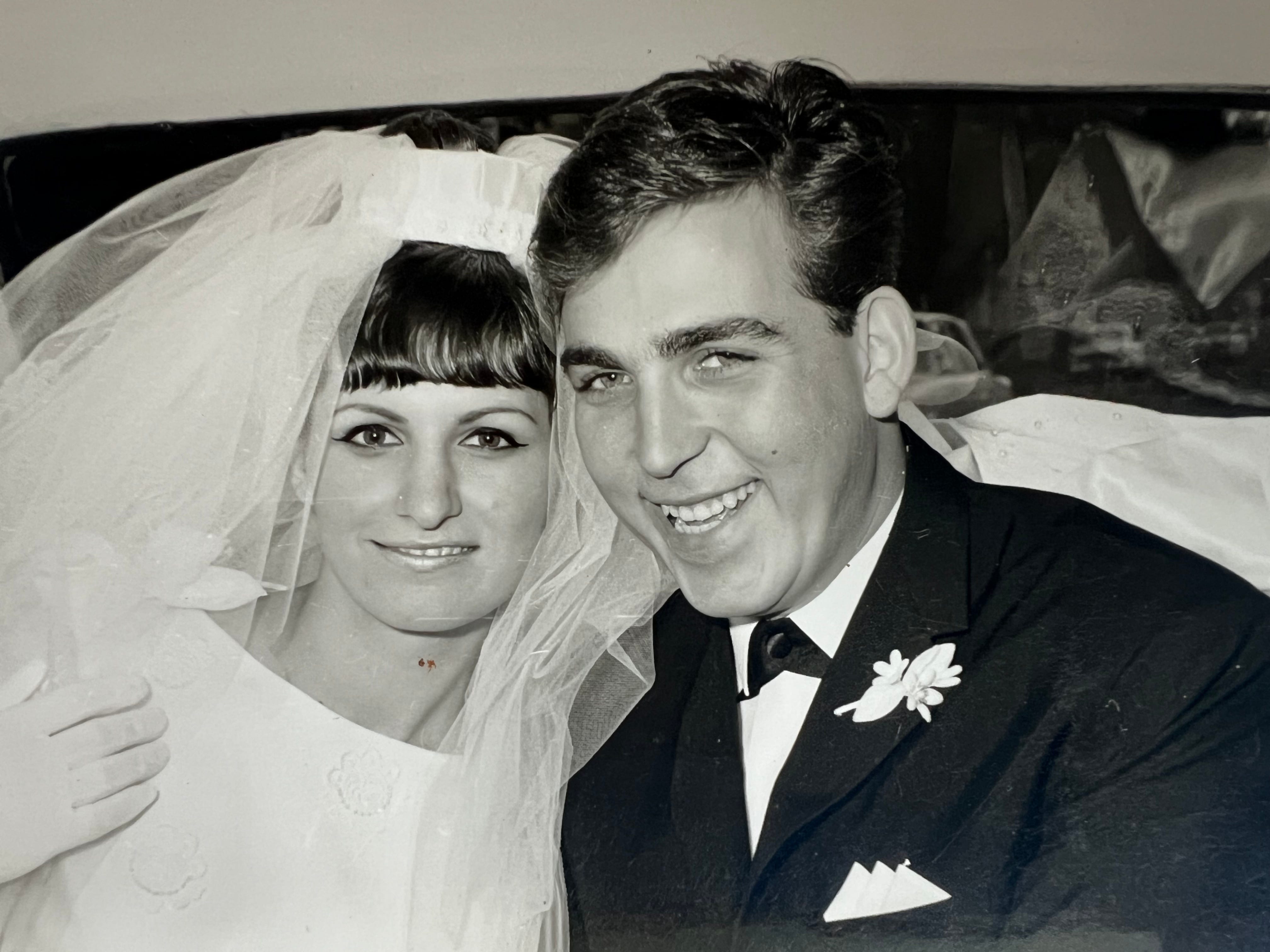
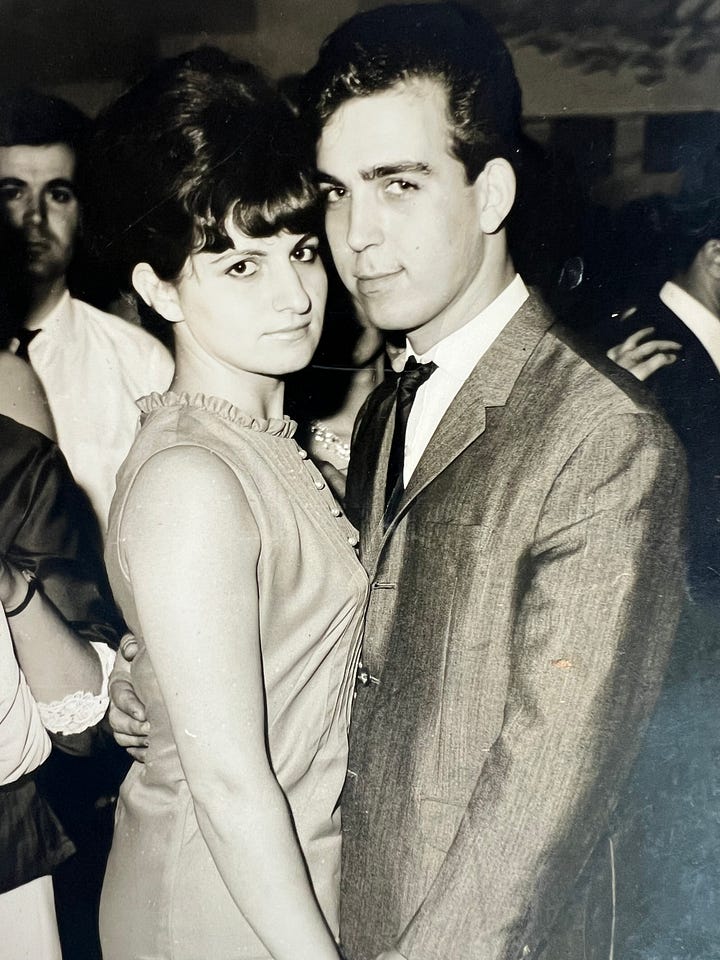
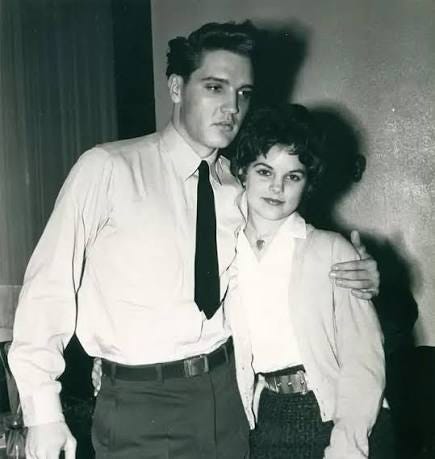
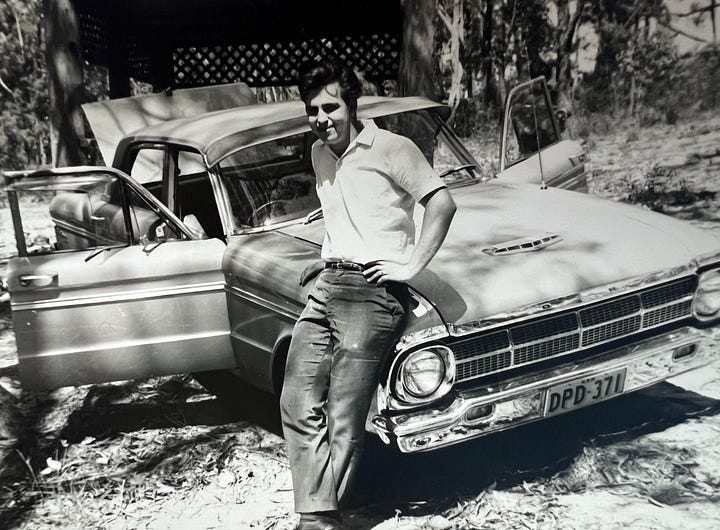
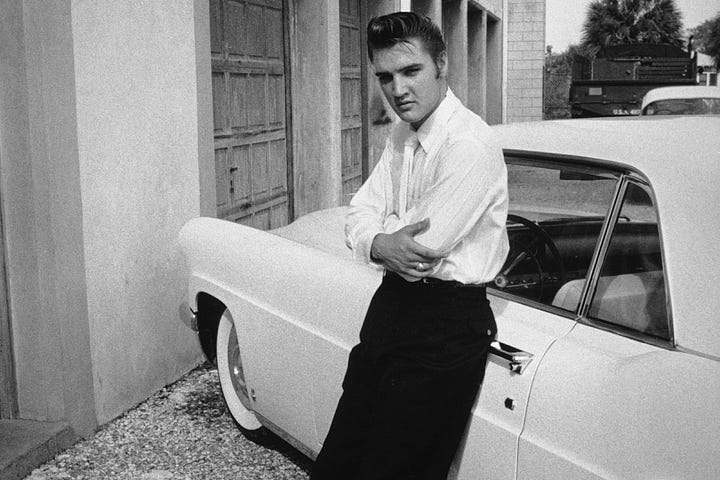
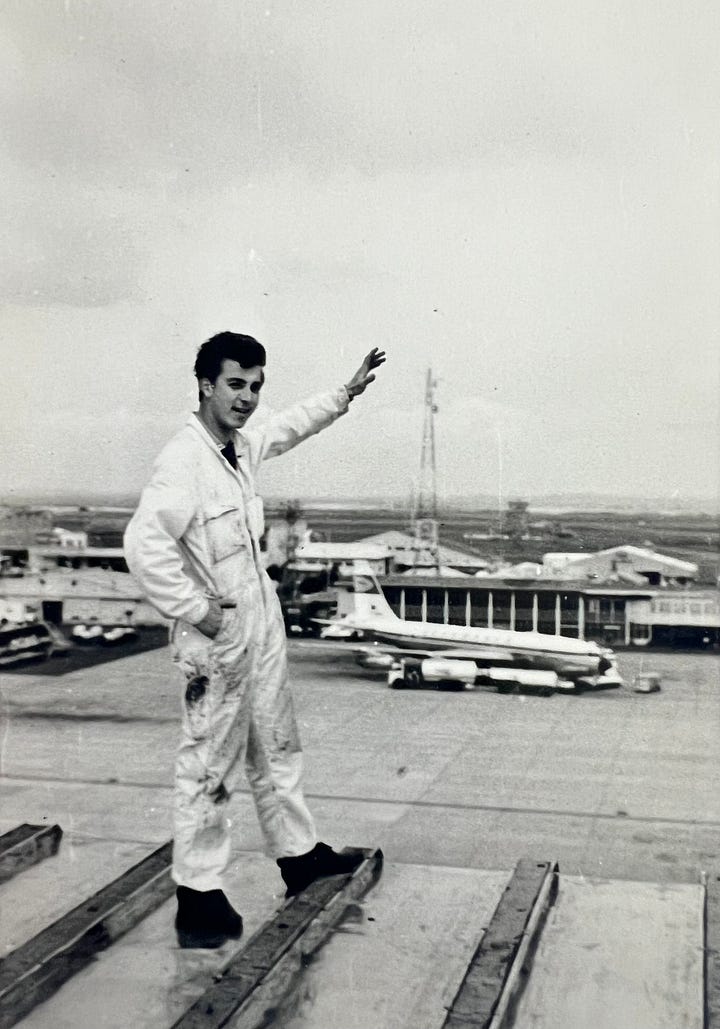
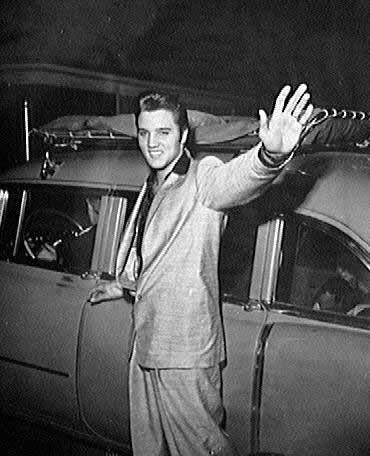
I loved Elvis all through my teenage years.
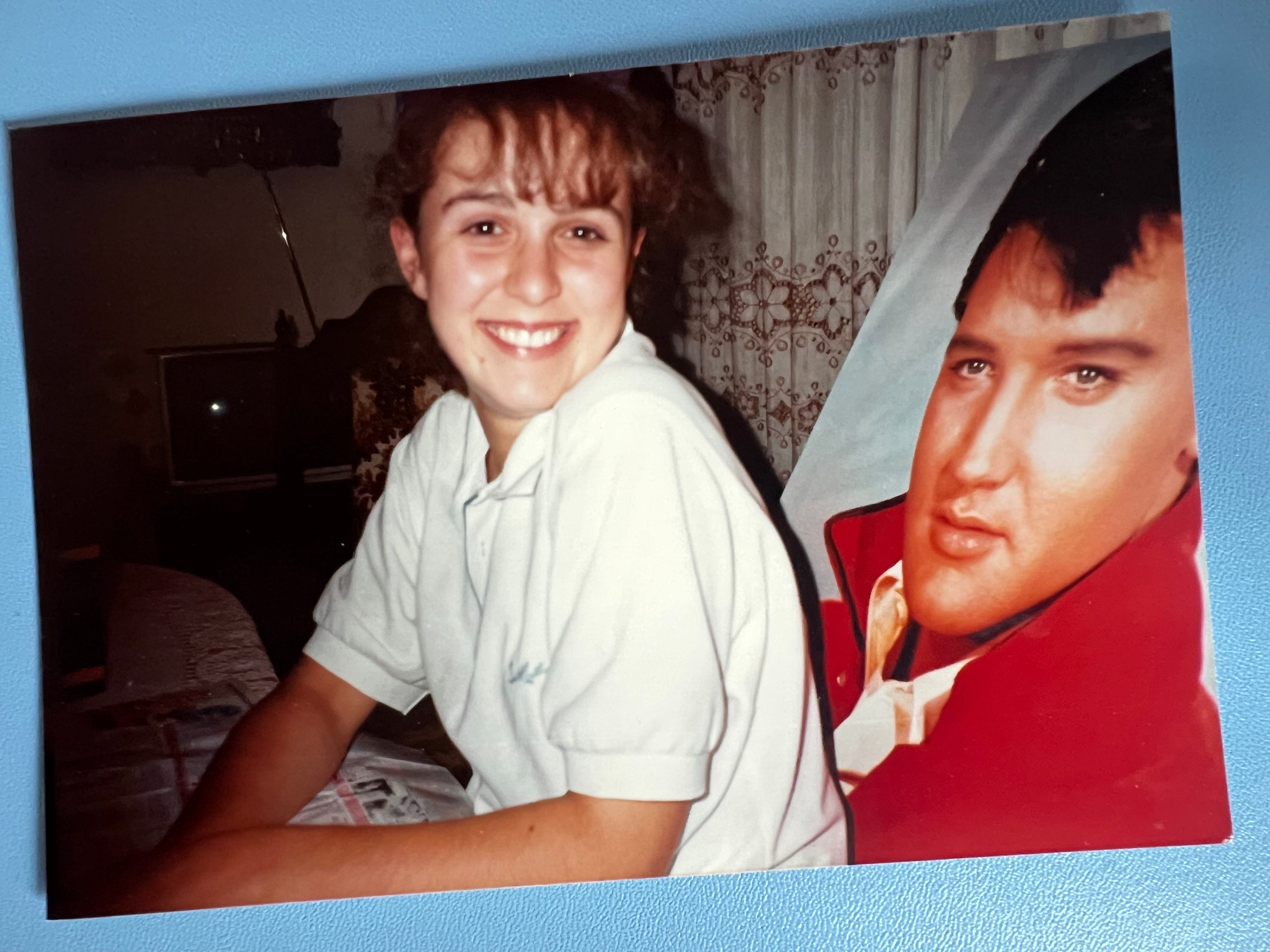
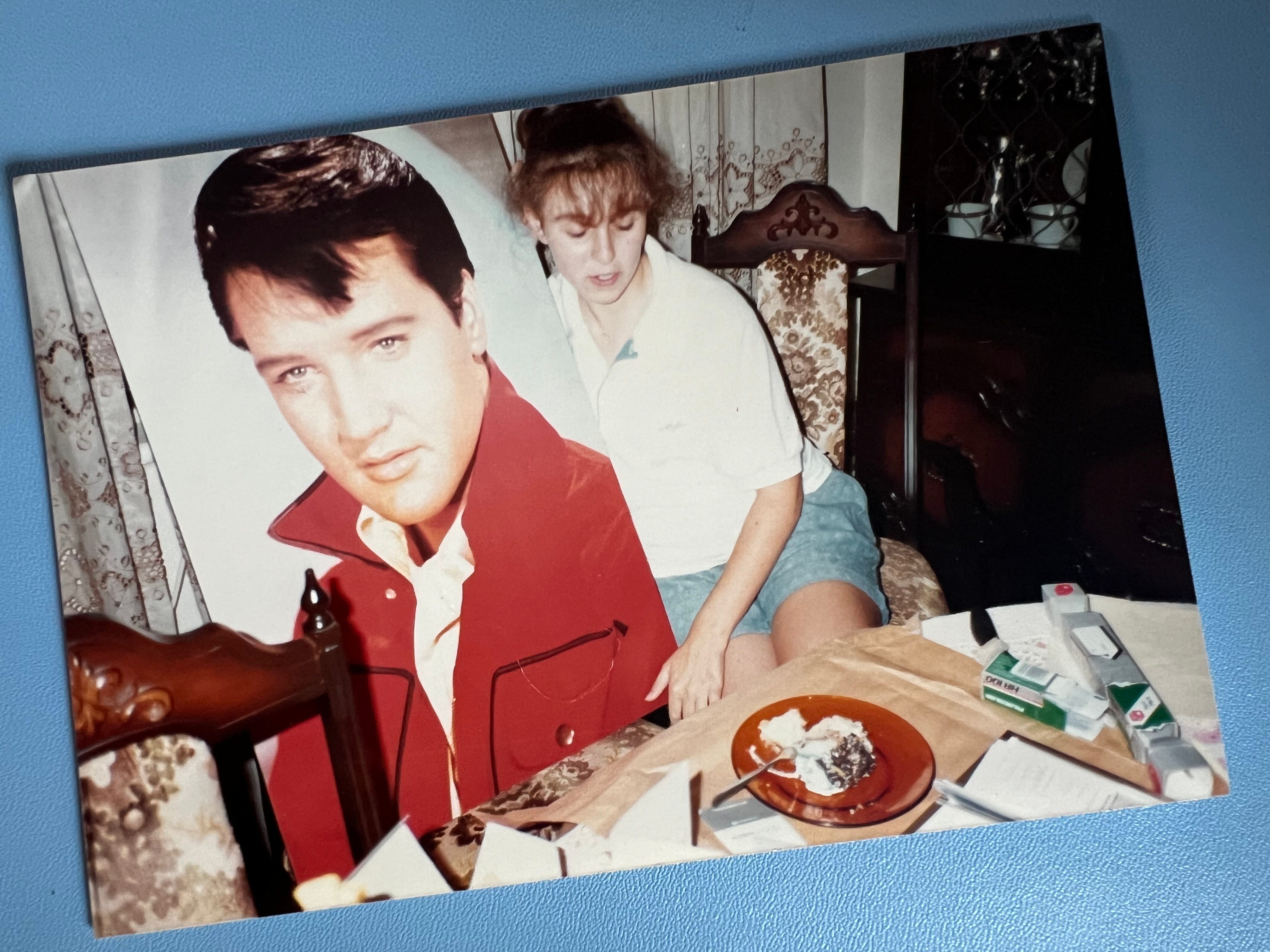
I think this poster was given to me on my 16th birthday. Elvis was like an angel. Beautiful.
I’m not sure how I loved Elvis as a man. Looking through my photos, I now see that one of my early boyfriends had that Elvis look.
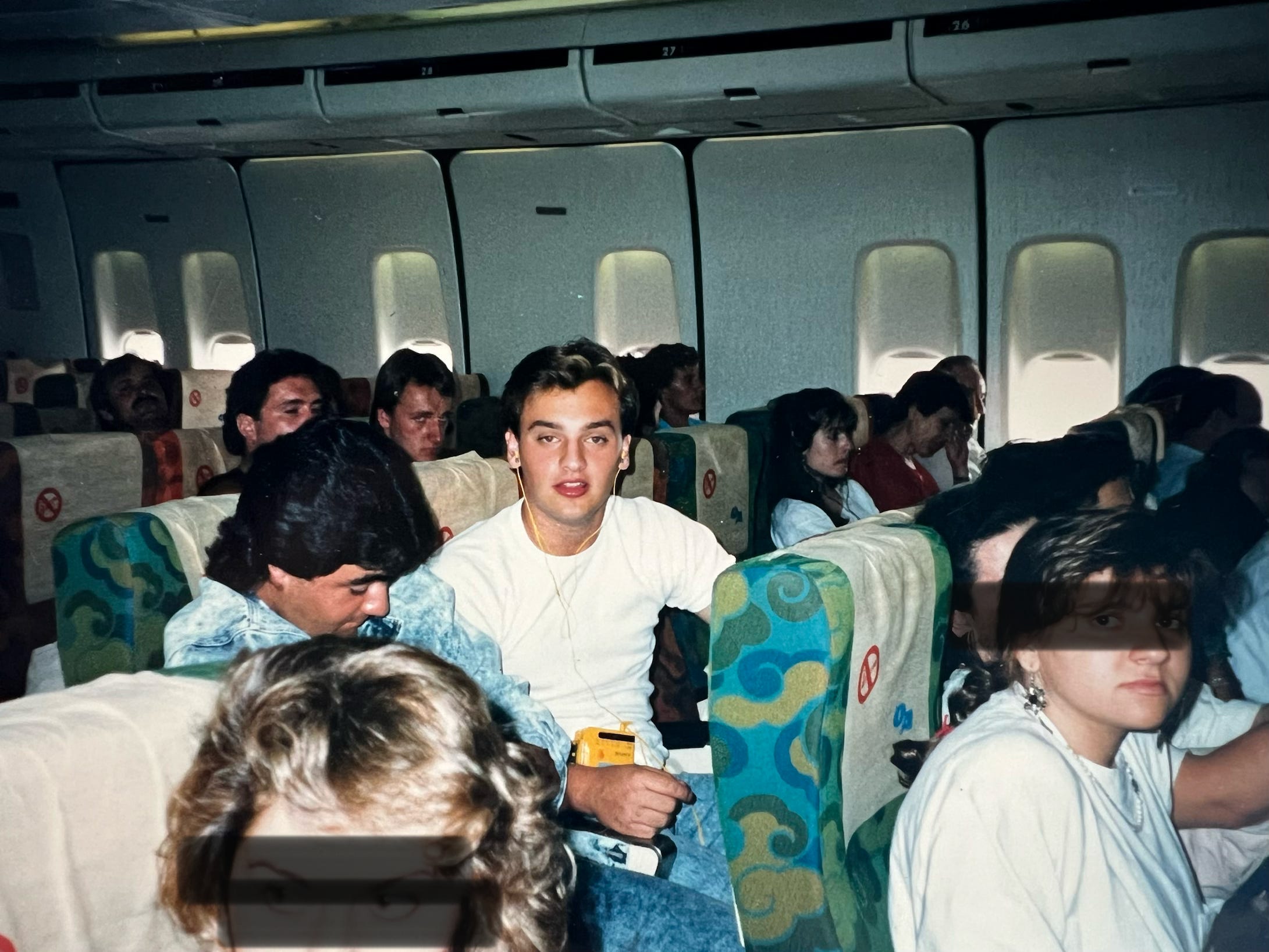
But by my mid-teens I was being drawn to darker types, of boys, of music, of moods. I had all of Nick Cave’s music. In the 70s and early 80s (if my memory is correct), one of my aunties worked at a factory that produced music cassettes. She’d gift me random cassettes of new music and that was when I first heard Nick Cave’s strange and scary and shouting voice. If Elvis was the angel, what was Nick? And what was the connection between them? Or where they different expressions of the same longing for beauty and truth and love?
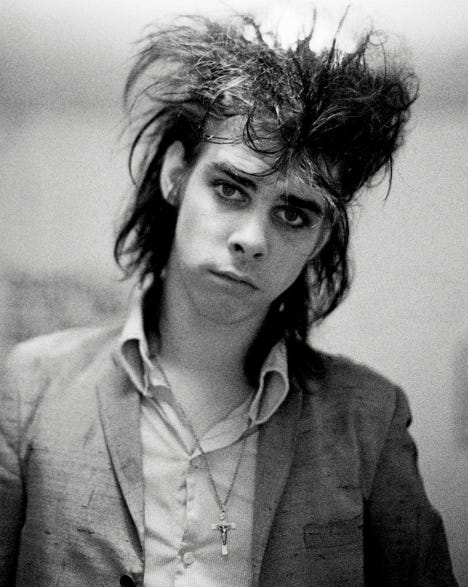
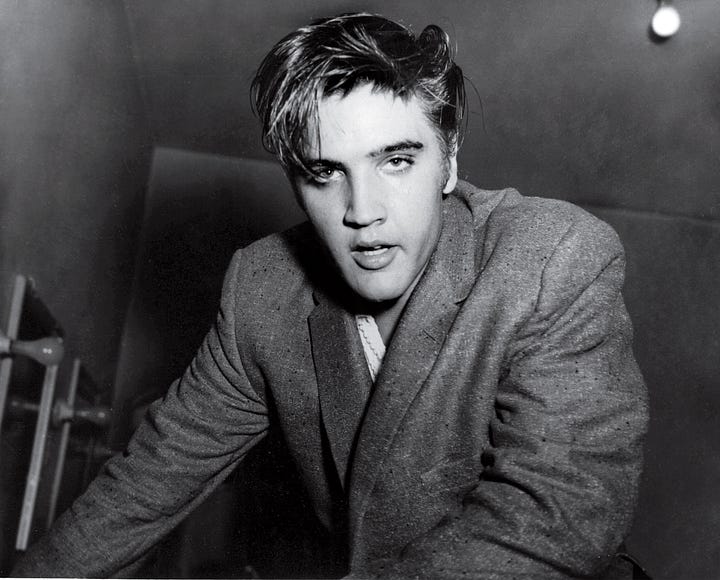
Over the years, I would find myself longing for both types of men. The cherubic and the demonic. I too was longing for beauty, truth and love through these men, for transcendence.
Nick is deeply romantic in a dark, melancholic, apocalyptic and prophetic way. His most recent album, Wild God, is glorious and exhilarating. Most like some of the energy of Elvis’s live performances.
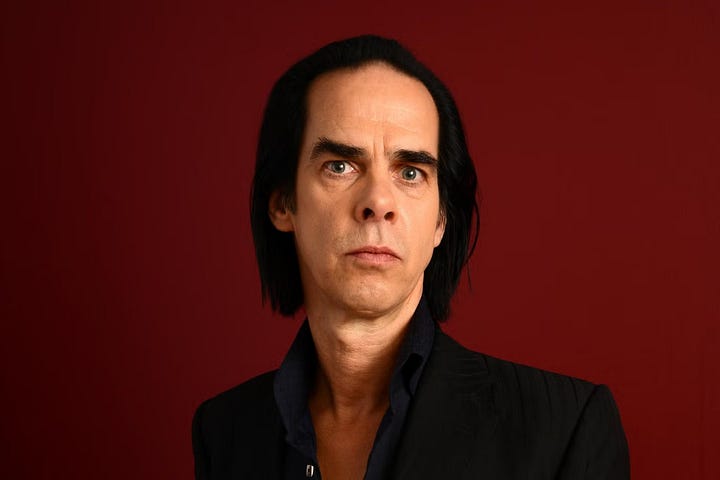
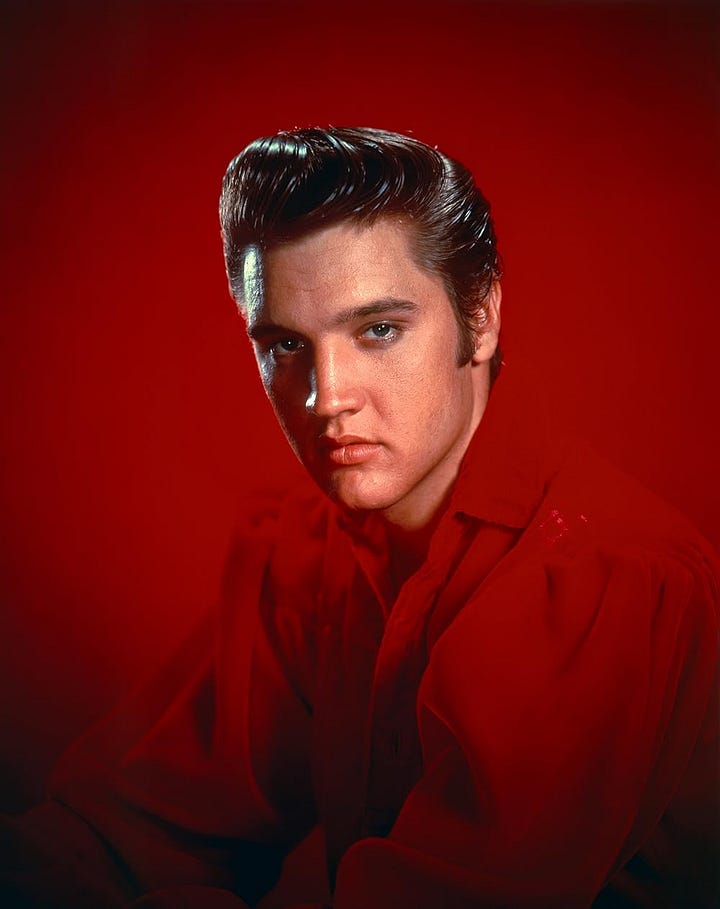
Nick Cave is fascinated by Elvis Presley. He finds Elvis’s traditional narrative songs from the 70s - ‘Kentucky Rain’ and ‘Always on My Mind’ - ‘beautiful”.1 He thinks Elvis’s knee drop ‘the most beautiful of all onstage moves’, ‘a beautiful sacred act - to fall to your knees and howl your heart out into the microphone’.2
Here’s a short clip of the knee drop. This is me filming at the screening of Baz Luhrmann’s EPiC (Elvis Presley in Concert) which I saw earlier this year up in Glasgow. And that might be me you can hear howling my heart out in the near-empty cinema that morning. 🤣
When asked, ‘Who is your favourite singer’, Nick Cave simply says: ‘Elvis’.3
In 1984 he wrote ‘Tupelo’ about Elvis Presley. Specifically about his birth in Tupelo, Mississippi, on January 8, 1935 (“The King is born!”, see lyrics), and about a storm (“Looka yonder! Looka yonder! Looka yonder! A big black cloud come! “).
Last year, Nick wrote about his filmmaker friend - Andrew Dominik - who made a film for the song using a ‘series of still archival images’ which he ‘brought to life using AI’.4 In this film, I see Nick and Elvis, angel and devil, light and dark, merged into one. It’s absolutely brilliant.
Elvis Presley was not known for expressing political views or for being an activist. Here is another clip I recorded during the screening of EPiC.
In this clip, he is asked his opinion about war protesters. He says he’ll keep his views to himself; he’s just an entertainer.
Yet, in 1969, the year of my birth, Elvis recorded a song - ‘In the Ghetto’. It was written by Mac Davis, and it was released on April 14, 1969. I must have been about a 30-day-old foetus that day. The song made it to Number 1 on the Australian charts by September 1969 - three months before I was born - and my mother must have been listening to it and - by virtue of being in her tummy - I would have been too.
I remember, years later, maybe the year Elvis died, sitting on the floor of our lounge room with our collection of Elvis records around me, the song playing on dad’s record player. I’d get up and keep playing it, over and over, on repeat, and I’d sit back down on the floor with the album in my hands studying the lyrics.
The song tells the story of a young boy born in a Chicago ghetto who grows up to be an “angry young man”, the result of poverty and deprivation. His mother cries when he is born because she knows how difficult his life will be and how difficult it will be for her to feed and care for him.
The boy roams the streets at night - hungry for food and for a fight - and he ends up dying of gun crime.
I was fascinated by this story. But I was also frightened. The song was so different to all the other Elvis tunes. Who was the Elvis who recorded this tune? Who was this young boy in the song? What was this dangerous world of poverty and guns and crying mothers?
I had been born into a working class migrant family. My mother worked two or three jobs at times. In the 70s we lived in Marrickville, a working-class industrial area where Greek immigrants found jobs in factories producing and packing everything from alcohol to chocolate. But I felt safe and fed and loved. Later, I became the first member of my family to finish school. Yet this story of this young boy revealed to me that not all children were safe and fed and loved.
This was my first lesson in social injustice. I was seven. And it was told to me in Elvis’s soulful, yearning - yet soothing - voice.
Then, years later, my other, darker love, Nick Cave, in 1984, records this tune with the Bad Seeds and adds that menacing strain to the song - making it somehow complete.
I’ll end these brief and random thoughts with another (unlikely) social justice lesson from Elvis.
In 1968, as part of his Comeback Special, Elvis performs ‘If I Can Dream’ as the show’s finale. It is said that his manager, the Colonel, wanted him to perform Christmas songs, but Elvis rebelled and performed this Martin Luther King Jr-inspired song. The Colonel had said, ‘This ain’t Elvis’s kind of song’ but Elvis knew that it was. It really was Elvis’s kind of song.
It is said that the backing vocalists were crying while Elvis was recording this. This still makes me cry. This is what a personal, social, political, human dream sounds like. What beauty!

Spending time gathering these thoughts and photographs has brought up so much for me. I’ll write more about this and see what emerges. What about you? I’d love to read your responses, your Elvis stories, and anything else that came up for you. Thanks for reading!
From Faith, Hope and Carnage by Nick Cave and Sean O’Hagan, p. 68
Red Hand Files, Tupelo https://www.theredhandfiles.com/tupelo-film-elvis/
Comments
Nothing yet. Say the first thing.
Sign in to join the conversation.