
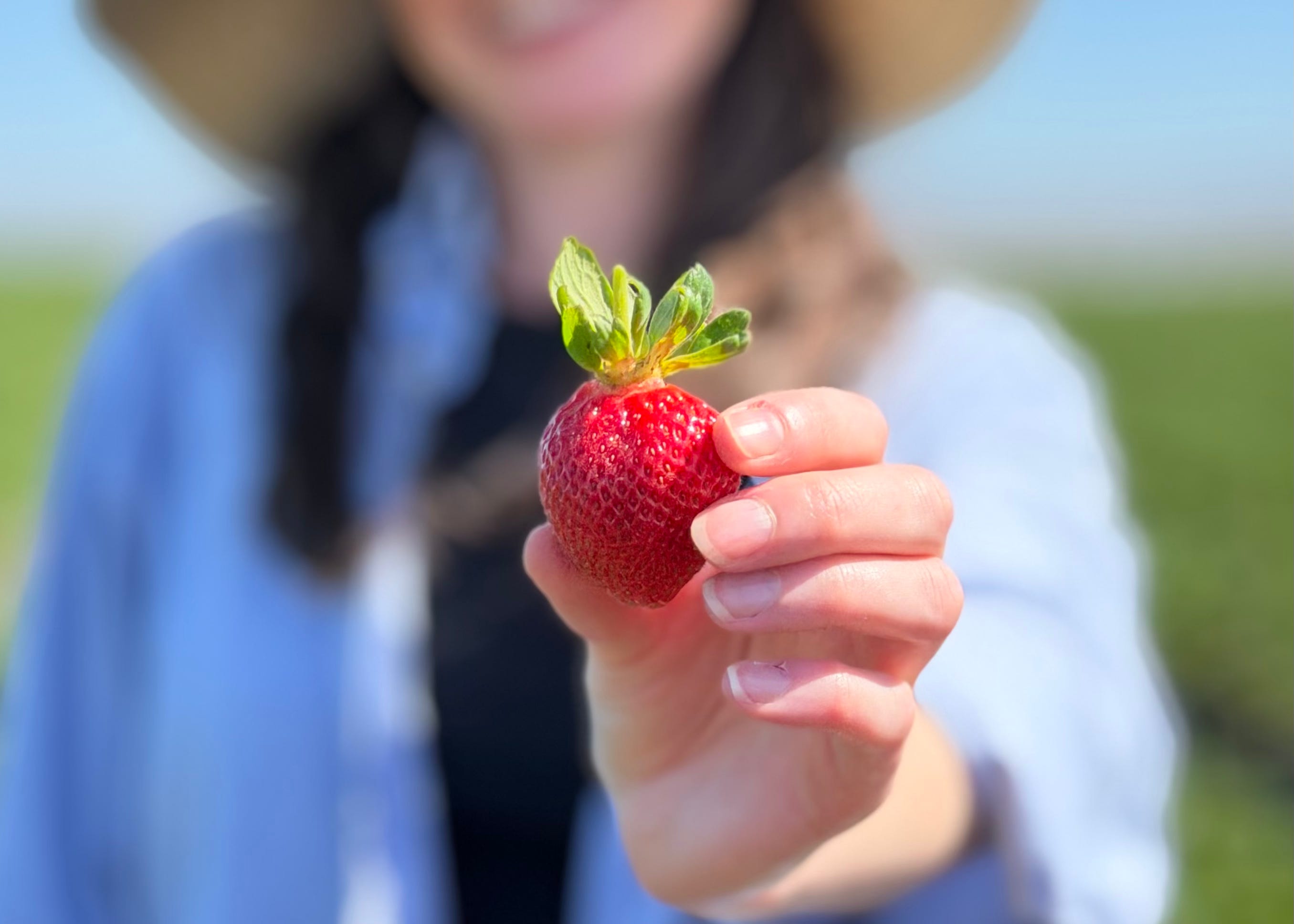
I just got back from spending the day on a strawberry farm, and honestly, it reminded me how little we usually know about where our food comes from.
Berries are my favorite fruit. I don’t miss much about living in California… but I definitely miss the amazing farmers markets and getting freshly picked berries to go in my own containers.
It’s so amazing to be able to meet the people who grow your food, so I leapt at the chance to go tour a strawberry farm with California Strawberries, and to learn more about where our food comes from, how it’s grown, and what may be hiding in the pint of our beloved berries.
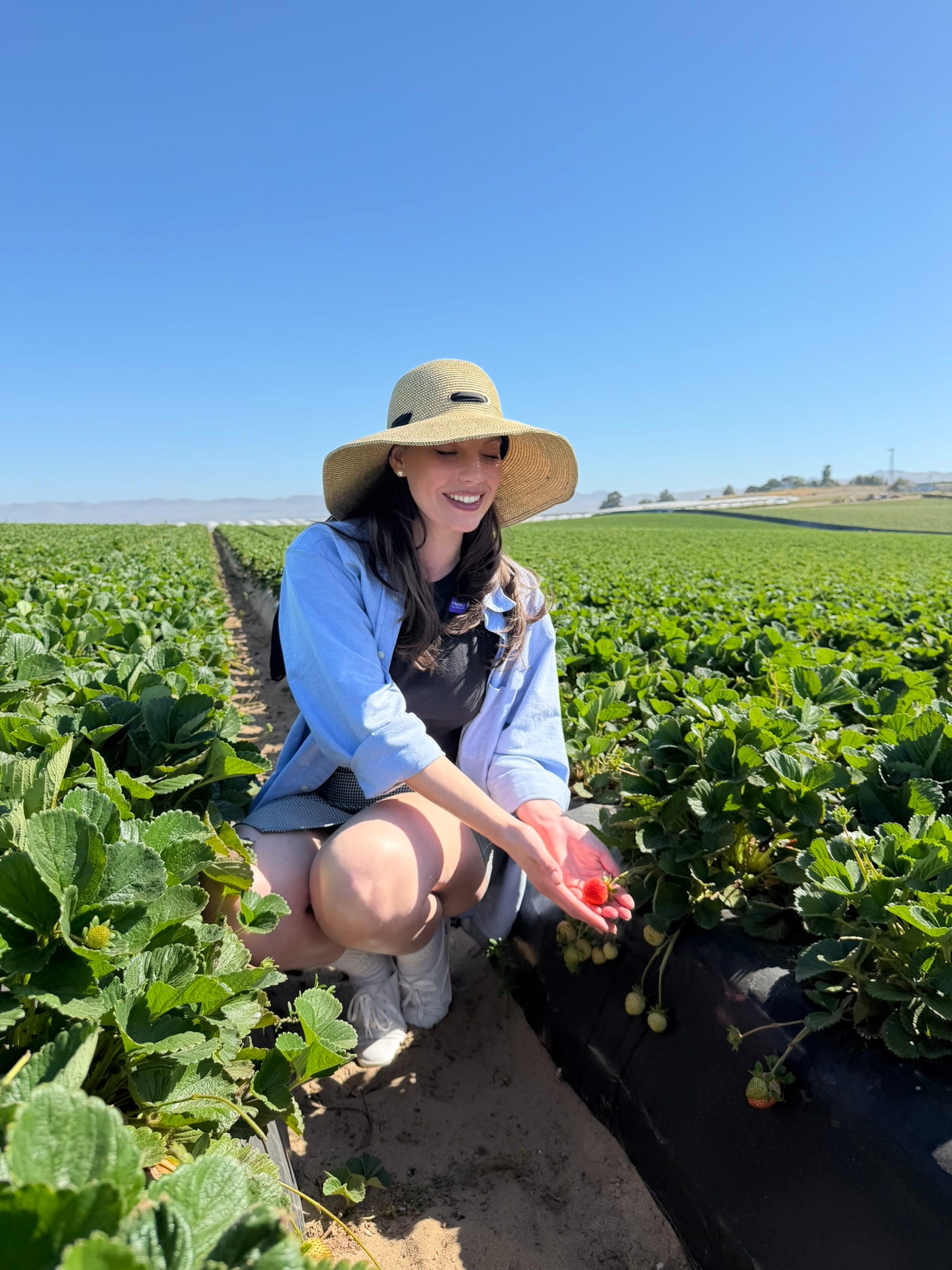
Most California strawberry farms are multi-generational family farms. I got to spend the day with Mayra, a second-generation strawberry farmer, where I learned so much about what happens before that pint of berries ever makes it to your fridge.
Did you know, California grows 90% of U.S. strawberries on less than 1% of California’s farm land?
We talked about cover crops and how they help care for the soil. We learned about drip irrigation and how water gets delivered right where the plants need it. This is done super precisely. In fact, the system is so efficient that an acre of strawberries uses less water than an acre of homes in Los Angeles.
And, one of my favorite details is that farms started using bug vacuums as a mechanical way to reduce pests almost 10 years ago!
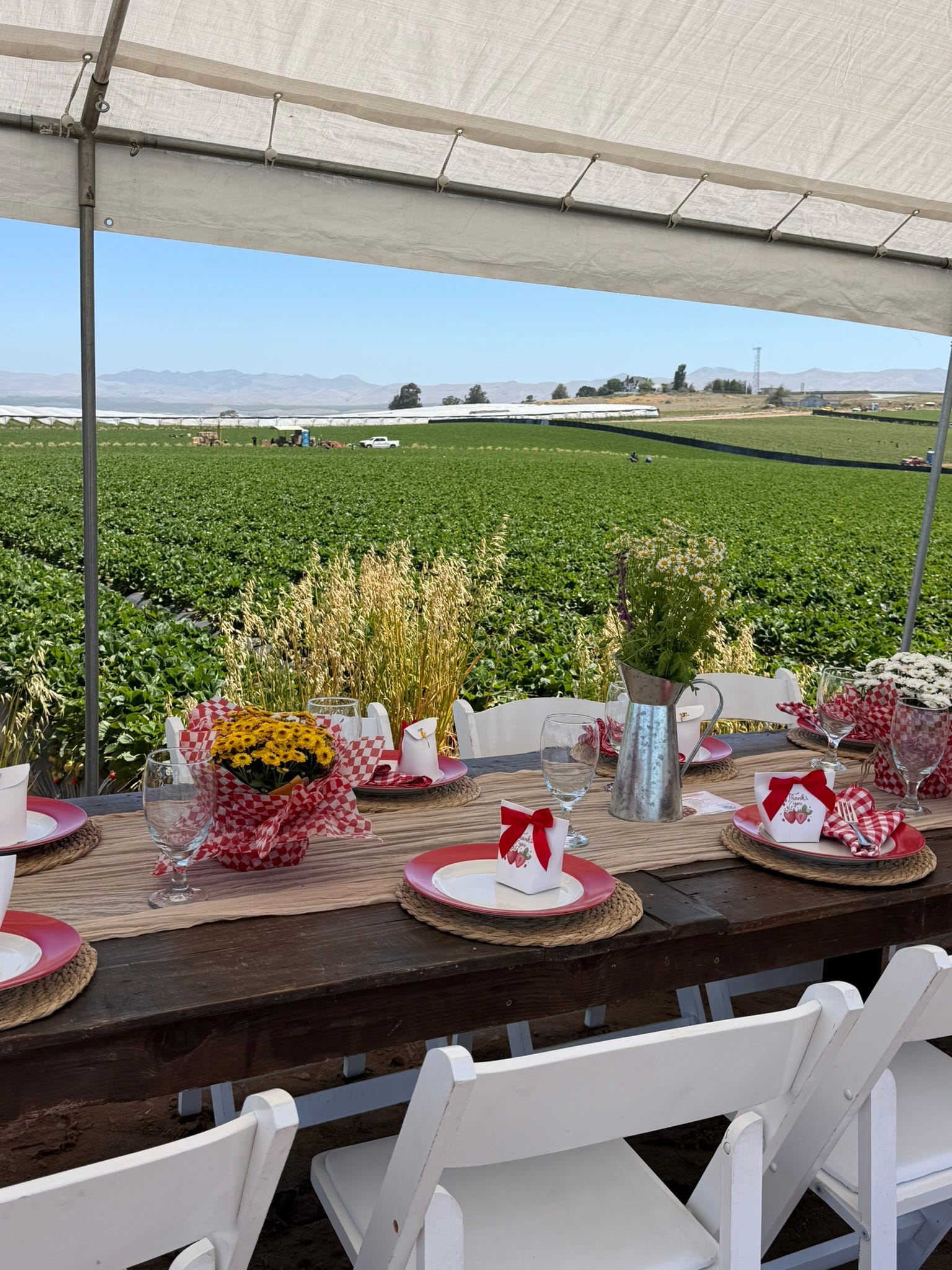
We got to pick and eat ripe berries straight from the field, and had a strawberry lunch on the farm. We heard from farmers and we were all reminded that food isn’t just a product, but a whole community of people, labor, history, knowledge, and care.
So whether you’re shopping at a farmers market or a grocery store, it’s so cool knowing that someone grew this. That someone cared for this crop long before it became part of your breakfast, your dessert, or the late night snack you sneak out of the fridge at 2:00 am on a hot a summer night.
Featured Posts:
Here are some posts from the blog this week! goingzerowaste.com
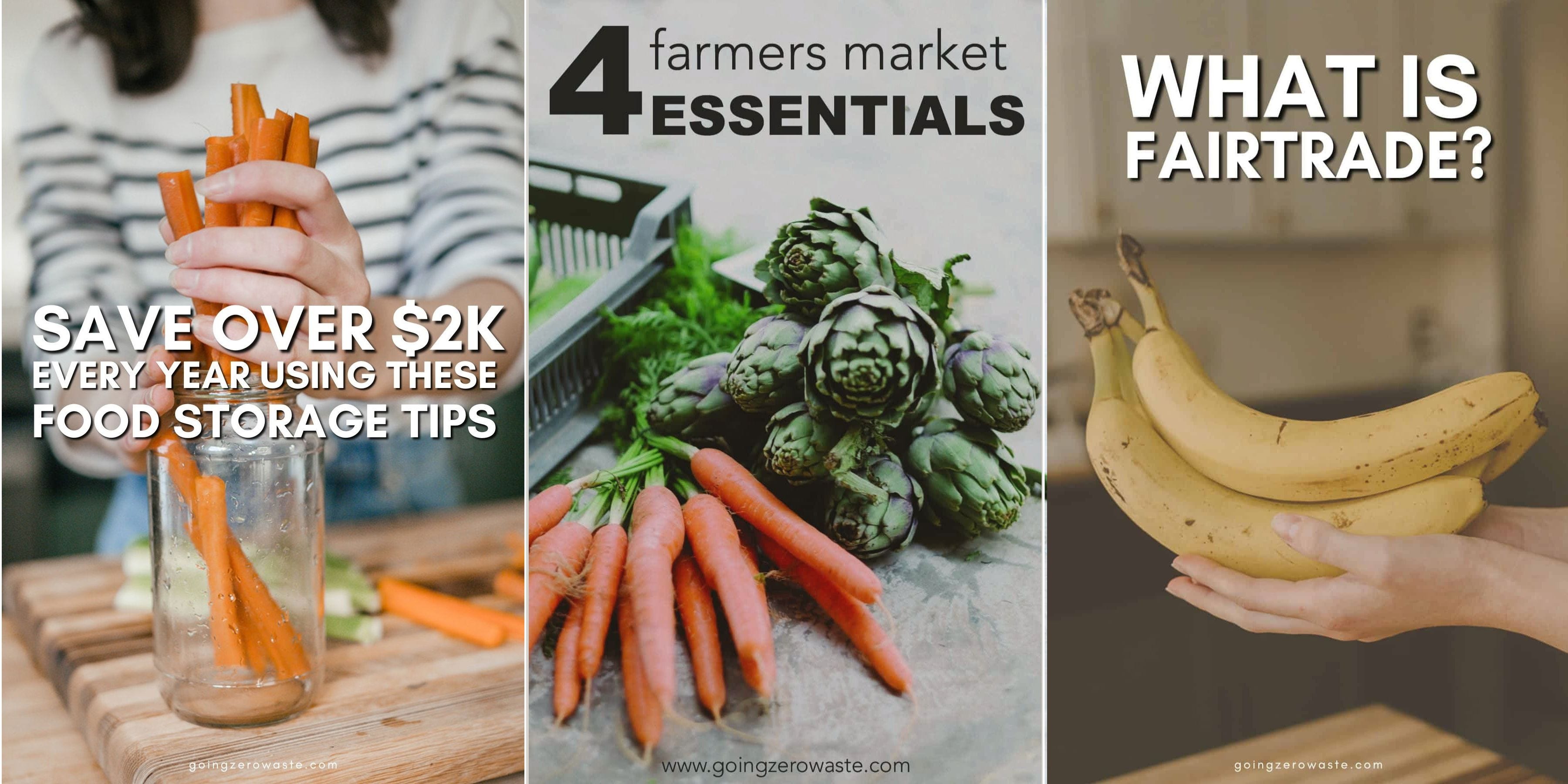
📌 Make your summer produce last longer
If your strawberries, herbs, and greens keep going from “so fresh!” to “science experiment” overnight, this breaks down simple storage swaps that can help your food last longer.
📌 What does Fairtrade actually mean?
Knowing where our food comes from also means asking who grew it, who picked it, and whether the people behind our everyday products are being treated fairly.
📌 What to bring to the farmers market
A few easy things to keep in your bag so you can shop seasonal produce, skip extra packaging, and maybe even meet the person who grew your food.
🎥 highlighted video of the week:
Since we’re talking strawberries, this video from last summer has one of my favorite recipes for berries that are a little less than peak. It’s simple, delicious, and very much my favorite kind of food waste prevention!
Food is precious and something that shouldn’t be wasted - grab that recipe and more from my week of eating food scraps.
Whether you support this work by being a paid member, sharing, liking, or simply reading - I am so thankful you’re here. ❤️
Sincerely,
Kathryn
Going Zero Waste
Comments
Nothing yet. Say the first thing.
Sign in to join the conversation.