
On this day, 71 years ago…
It is a little before 9am on the morning of July 13, 1955. A diminutive 28-year-old blonde woman sits calmly in her prison cell. Prisoners who are about to be executed are allowed to wear their own clothes, so she has eschewed the regulation blue smock, in favour of her own skirt and blouse. She does however have to wear prison issued padded calico knickers. Ruth declined breakfast. Instead, she drank a glass of brandy and received communion.
Outside the high walls of Holloway Prison in London, a feverish crowd have gathered. They have been there for weeks, wielding placards and shouting “Free Ruth”. They are hoping, praying, for an eleventh hour reprieve.
Inside, a chilling calm has seeped throughout the usually noisy prison. History is about to be made.
At the appointed hour, hangman Albert Pierrepoint and his assistant, enter Ruth’s cell. There are no last minute outbursts, or pleas for clemency. Ruth’s calm never falters as they led her to the execution room and a noose is slipped around her pale, slender throat. In a matter of moments, it is over.
“I have seen some brave men die, but nobody braver than her,” Pierrepoint later recalled. “The calmest woman who ever went to the gallows,” the Daily Mirror reported.
That equanimity wasn’t shared by the thousands of people in the country in the hot summer of 1955. That grim morning, July 13, Ruth Ellis was the last woman to receive the death penalty in Great Britain. The furore around her execution would resonate for years. The country was divided as to whether Ellis was a “cheap tart” who gunned down her lover, racing car driver David Blakely, in cold blood. Or, an emotionally distressed and desperate victim of domestic violence. Where did the truth lie?
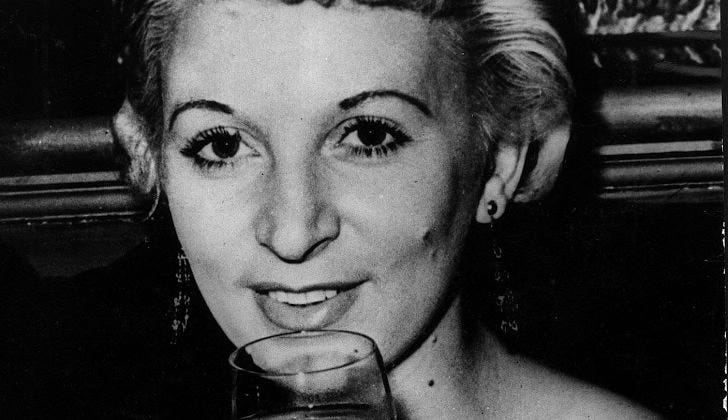
I’ll be honest, I didn't know much about this case. Just a vague notion of a glamorous blonde nightclub hostess who killed her lover in the 1950s. That was until I took a book on holiday to Turkey with me last April.
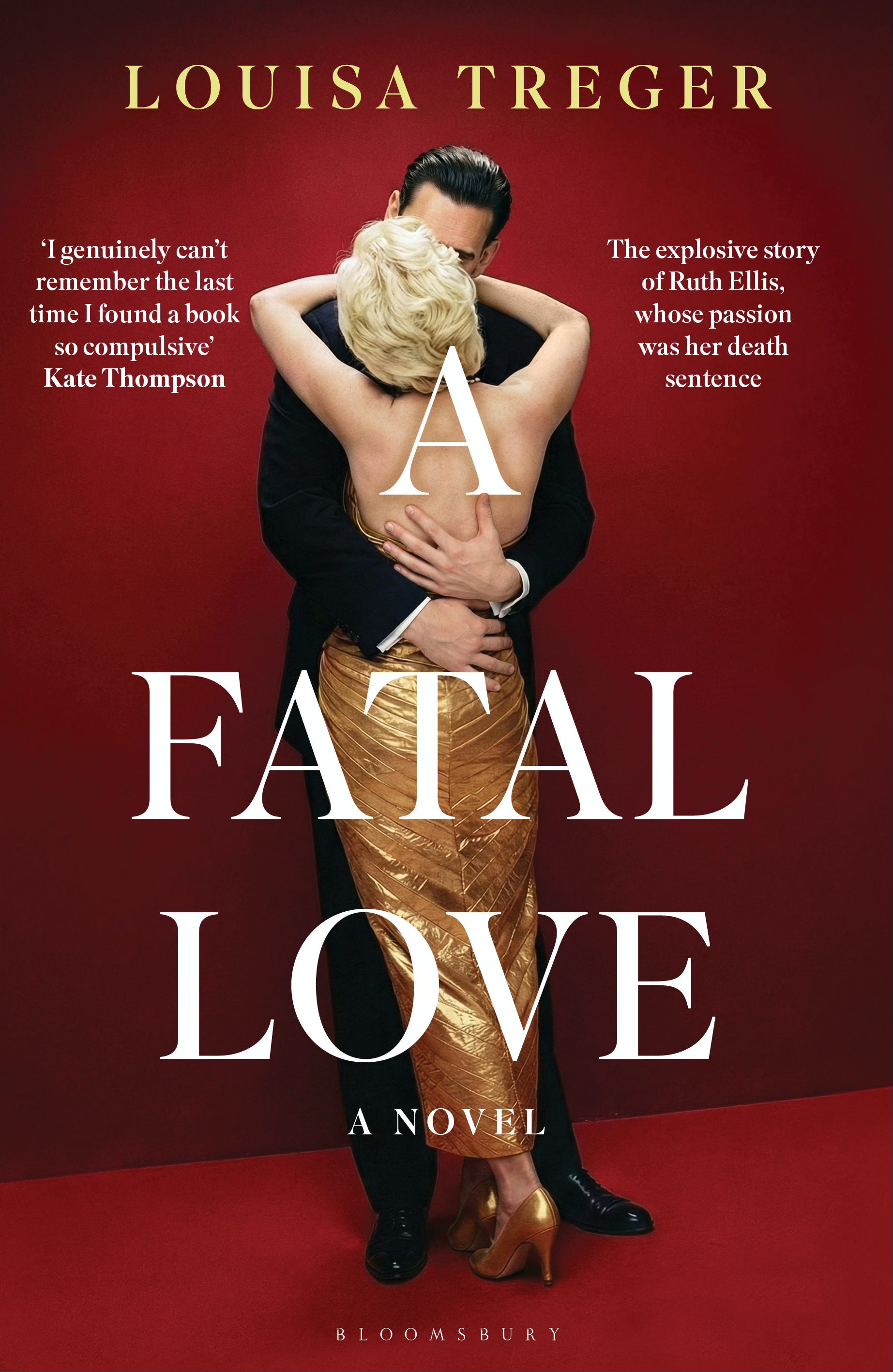
A Fatal Love by critically acclaimed author Louisa Tregar, is a re-imagining of the Ruth Ellis story. I sat down on a sun lounger on the first morning and started to read…and read, feverishly turning the pages. My husband gave up trying to talk to me. The sun dipped down over the horizon. I was still there as the pool attendant was trying to clear up and close the pool area. And that for me is the magic of a good book, when you are so absolutely pulled into the world of the book, that real life fades away.
Employing assiduous research, interviewing Ruth Ellis’s grandchildren and examining the historical record from every angle, Louisa has created more than a novel. She has given Ellis a voice that a patriarchal society denied her. I meant that quote on the cover, “I genuinely can’t remember the last time I found a book so compulsive.”
Ruth Ellis was subjected to horrific domestic violence, not that it was known as such in those days, when women’s refuges were still two decades away from being created.
This was a woman who was beaten so badly by her lover, that she miscarried their child. Ruth Ellis was beaten, punched, kicked down the stairs, struck so hard on the ear she was briefly rendered deaf, threatened with murder and ritually humiliated, by the man she trusted and loved.
Ruth was judged by David Blakely and she was judged a second time by a postwar society, because she wasn’t born into the “right class” and then, when she killed him, the media and a justice system branded her a “cheap tart” and she was executed. It’s important to remember her death, 71 years ago today, because it says so much about how we treat victims of domestic violence, and to some degree, still do.
Every thirty seconds a domestic abuse related call is made to the police. According to Refuge, the UK’s largest domestic abuse charity, an average of two women per week are killed by a current or former partner in England and Wales. That statistic remains largely unchanged since Ruth’s trial.
The trial never heard the details of the catalogue of violence she was subjected to.
Why?
Last week, however, there was some small measure of justice. Ruth Ellis was granted a conditional pardon in light of evidence that she was a victim of domestic abuse and coercive and controlling behaviour. More than 70 years after her execution, Ellis was granted a pardon by the King, replacing her death penalty with a sentence of life imprisonment.
In a statement, her granddaughter Laura Enston said: “This pardon does not undo what happened 71 years ago. It does not restore the lives that were broken – the children left behind, the years lost.
“But it says, formally and finally, that Ruth should not have been executed; that the justice system failed her. That acknowledgement matters profoundly to our family.”
‘I cried when I heard the news about Ruth’s pardon,’ said Louisa. ‘And I’m delighted for her family. I can’t wait to share her story with you.’
I applaud the family for campaigning for this and I applaud Louisa for writing her story with such pathos, sensitivity and power.
I am pleased to say I have a copy of A Fatal Love to give away. If you’re interested in reading this, please do share this post and reply, with your name in the comments box, and you will be automatically entered. Or consider pre-ordering the novel, out August 27, here.
No posts
Comments
Nothing yet. Say the first thing.
Sign in to join the conversation.