
Some conversations stay with you long after the recording ends. My chat with Meg Ellard — Senior Play Therapist and Clinical Lead at Playroom Therapy — was one of those. We set out to scratch the surface of neuro-affirming practice in play therapy, and we barely scratched it. In the best possible way.
If you haven’t listened yet, I’d encourage you to do that first and then come back here. What follows are my reflections on what resonated with me, and what I think every parent, educator, and practitioner needs to sit with.
What struck me immediately was the way Meg positioned herself in this topic — not just as a clinician, but as a neurodivergent person who has navigated the very systems she now works to change. That is not a small thing. It takes courage to attach your lived experience to your professional name, and Meg was thoughtful about why that matters: when neurodivergent people see others living and working openly and proudly, it quietly dismantles the shame-based narratives many have carried since childhood.
This isn’t performative disclosure. It’s advocacy. And I think it’s worth naming as such.
Before we could go anywhere meaningful, we needed to get grounded in language. Meg offered a clear framing: neurodiversity is a broad umbrella term reflecting the natural variation in human brains and ways of being. Under that umbrella sits autism, ADHD, PTSD, dissociative identity disorder, dyslexia, dyspraxia, traumatic brain injury — and more. Many people, Meg noted, still use ‘neurodivergent’ to mean specifically autistic or ADHD, and while there are historical reasons for that, the term reaches much further.
The concept of neurodiversity is often attributed to Australian sociologist Judy Singer, and the term ‘neurodivergent’ itself is credited to autistic advocate Kassiane Asasumasu. These are important names to know. This work didn’t emerge from academia or allied health — it emerged from the community it describes.
At the heart of neuro-affirming practice is what Meg called the rejection of neurotypicality as a standard — the idea that there is one correct way for a brain to work, and that deviation from it represents deficiency. This might sound abstract, but its consequences are entirely concrete. Children who are told, explicitly or implicitly, that their brain is broken carry that message into adulthood. It shapes identity, self-worth, educational trajectories, and mental health outcomes.
Meg drew on two frameworks she returns to consistently in her clinical work, and I want to name them properly here.
The first is from neurodivergent play therapist and psychologist Raelene Donovan, whose neuro-affirming practice framework centres: listening to neurodivergent voices; building strong identity; presuming competence; respecting all communication styles; and adapting environments rather than expecting individuals to simply comply.
The second is from Sonny Jane Moore (known as the Lived Experience Educator), a neurodivergent advocate whose foundational work in neuro-affirming practice has informed therapists like Raelene and many others working to bring these principles into specialist contexts.
Meg was careful to hold her own perspective lightly. Even as a neurodivergent person herself, she would never presume to know another neurodivergent person’s experience. That humility — that genuine cultural humility — is not a therapeutic technique. It is a clinical competency.
“I’ll never know everything about neurodivergence. Even if I have a lived experience, I would never want to come in with the idea that I know everything about that.” — Meg Ellard
So what does this actually look like in practice? Before a child even walks through the door, Meg thinks about environmental design. What sensory information does this child need? How do they regulate? What does dysregulation look like for them specifically — because it may not involve an obvious external cue? She asks caregivers directly: does your child stim, and if so, what does that look like? How will I know if they need support?
These are not intake-form questions. They are an act of respectfully getting to know the individual child.
Inside the playroom, neuro-affirming practice asks us to follow the child’s lead with genuine openness — which means accepting solo play, accepting stimming, accepting a child who wants to talk about World War Two for the entire session. Meg named something I think is worth pausing to really consider:
if a child’s special interest is the thing that lights them up, then receiving that interest with warmth and attention is therapeutic. Full stop.
The opening statement of humanistic play therapy — you can play or do almost anything you’d like in here — is, it turns out, inherently neuro-affirming. The invitation to autonomy is built in.
We spent time on stimming — the repetitive, often body-based movements that neurodivergent people use to regulate their nervous systems. These are not habits to be extinguished. They are the body’s intelligent, largely unconscious attempt to maintain equilibrium. When we ask children to suppress them, we are asking them to override their own nervous system’s wisdom.
Meg emphasised an important question to reflect on with stimming: undesirable to whom?
When a behaviour is flagged as something to address, is it because it is harming the child? Harming others? Or is it simply atypical — not what we expect a regulated child to look like? That distinction matters enormously. A child flapping their hands to self-regulate is not the same situation as a child hitting their head against a wall. Both warrant a response, but very different ones.
Eye contact came up as another example. Many autistic children find direct eye contact genuinely dysregulating. Asking them to make eye contact anyway — to perform a social norm — is not teaching them manners. It is asking them to prioritise others’ comfort over their own nervous system. As Meg put it: if I were purposely causing dysregulation in a child to meet a social expectation, I would be working against my own therapeutic goals.
One of the most honest parts of our conversation was Meg naming the tension that many allied health practitioners sit in daily: working from a social model of disability within systems built entirely on a medical model. The social model says the environment needs to adapt. The medical model says the person needs to change.
NDIS funding frameworks, school support structures, outcome reporting — these largely still operate from a deficit lens. A child receives funding or support because something is wrong with them, and the goal is to reduce that wrongness. For many practitioners who are deeply committed to neuro-affirming work, this is a live ethical tension, not a theoretical one.
I want to name this for parents in particular, because as Meg observed, the medical model is so culturally embedded — from pregnancy onwards — that many families have never encountered an alternative frame. Knowing that another way of thinking exists is itself meaningful. It doesn’t change the current system, but it opens something up for exploration with families.
When I asked Meg why play matters so specifically in this space, her answer was generous and clear. Play, by its nature, has no single correct form. It is self-chosen, self-directed, intrinsically motivated, and — at its best — free from judgment. These qualities map directly onto what neurodivergent children need most: an environment where their way of being is not just tolerated but genuinely welcomed.
I offered a reframe I return to often: rather than ‘free play’ — a term that can make even seasoned educators feel anxious — I prefer freedom to play. The freedom to play, within relationships and environments that are safe and supportive, holds extraordinary developmental and therapeutic potential. For every child.
Meg added something beautiful about parents here. Some parents — particularly those who are themselves neurodivergent — may not connect naturally with imaginative or spontaneous play. And that is okay. The relational nourishment that comes from being alongside a child in play, even in parallel, even quietly, is real and significant. Play does not have to look like Bluey to count.
Meg left us with something I want to leave you with too.
We often conflate being autistic or ADHD with being dysregulated. We see it in classrooms, in clinical notes, in the way families talk about their children. But Meg asked us to pause on that. Is dysregulation an inherent feature of neurodivergence? Or is it a predictable outcome of spending your days in environments that were not designed for you — that ask you to mask, suppress, conform, and perform in ways that cost you?
It is worth sitting with that question honestly — whether you are a therapist, a teacher, or a parent.
This piece only covers some of what Meg and I explored. The full conversation — including more on the specific frameworks from Raelene Dundon and Sonny Jane Moore, and Meg's reflections on her own neurodivergent journey — is available on the Dr Play podcast, Series 2, Episode 2.
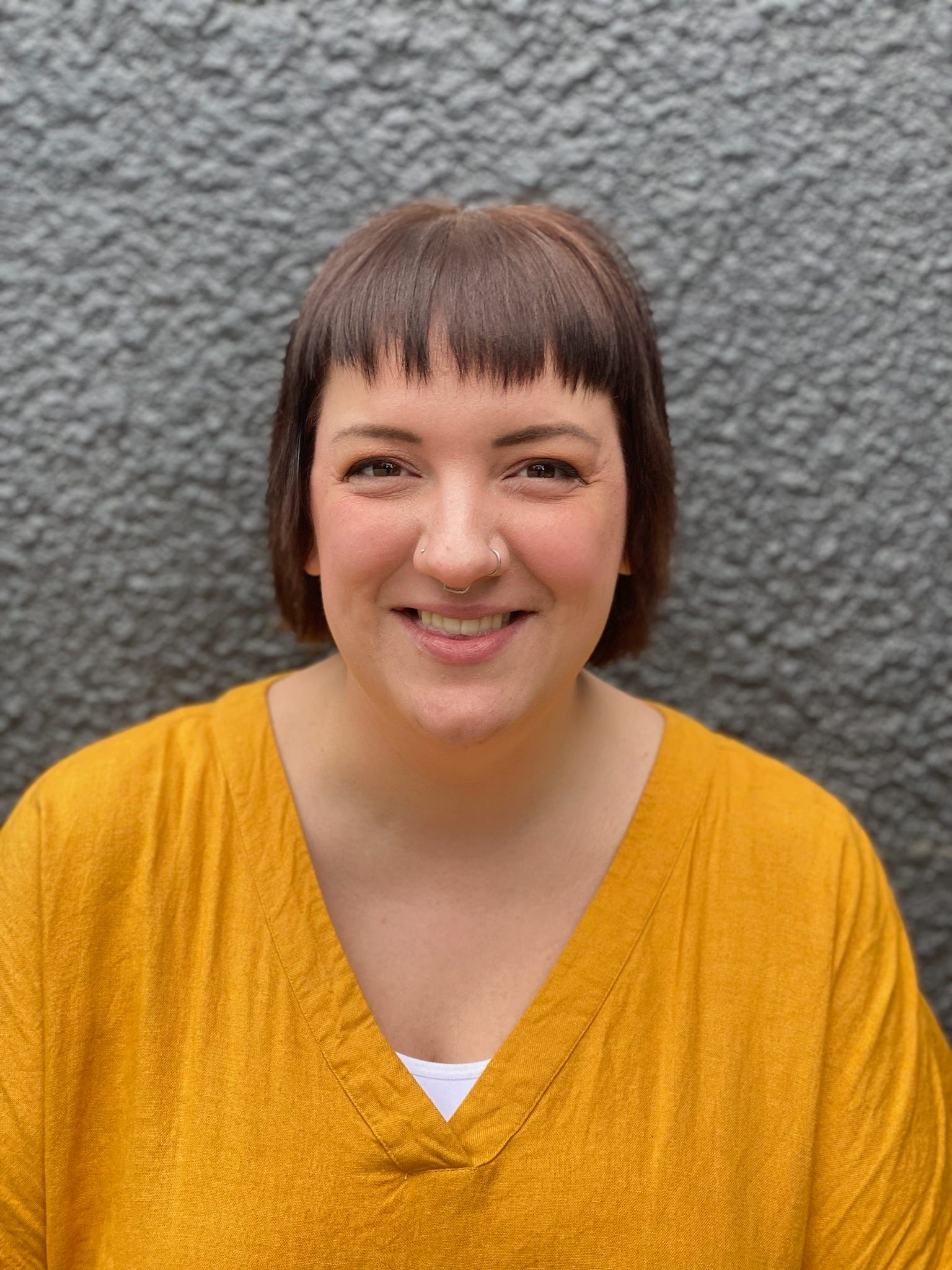
Meg Ellard is a Senior Play Therapist and Clinical Lead at Playroom Therapy in Melbourne, and a newly elected APPTA Board Member. A neurodivergent practitioner with a background in early childhood education, Meg brings lived experience and clinical depth to her work with neurodivergent children, families, and the educators who support them. Her research has been published in the British Journal of Play Therapy (2021) and in the Routledge volume Nature-Based Play and Expressive Therapies (2022). Meg can also be reached through her independent practice, Wattle Play Therapy.
Dr Kate Renshaw (PhD, RPT-S™) is a play therapist, researcher, educator, author, and advocate with over 20 years of experience working therapeutically with children and families. She is the developer of the TORA and the Multi-Tier Play Therapy (MTPT) framework, and is the founding director of Play & Filial Therapy. Her work spans clinical practice, doctoral research, sole-authored practitioner guidebooks, parliamentary advocacy, and international conference presentations. She is based in Ballarat, Victoria, Australia.
🌐 playandfilialtherapy.com
💼 linkedin.com/in/drkaterenshaw
No posts
Comments
Nothing yet. Say the first thing.
Sign in to join the conversation.