
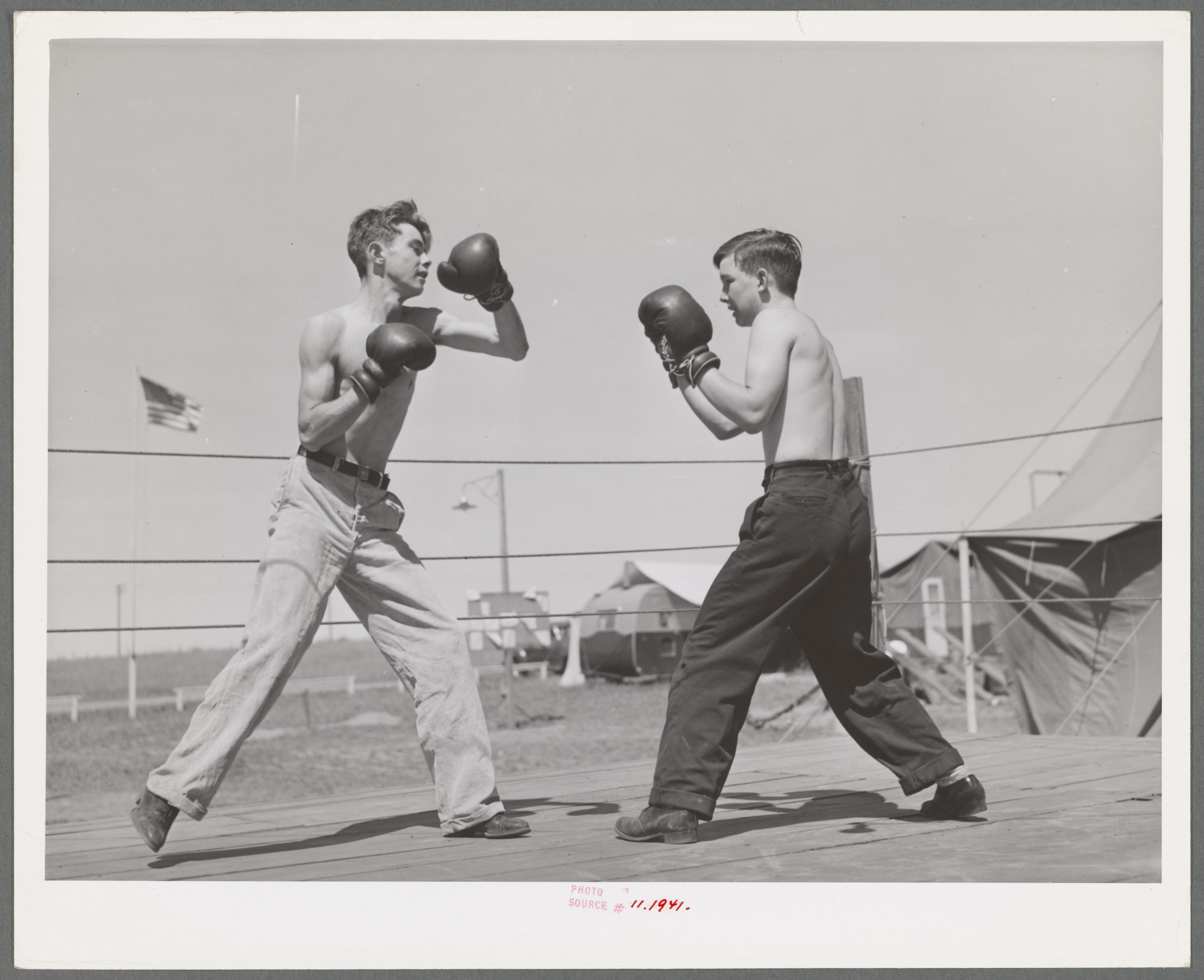
When drilling in boxing, sometimes my brain shuts off. I get stuck in the rhythm and end up throwing the same pattern of punches over and over, circling in the same direction.
“Stop getting stuck in the washing machine!” my coach shouts. Then he makes me do a burpee or ten as punishment for my uncreative thinking.
Trying to nail down what class and money means to writers feels like getting stuck in the washing machine. How much money should a magazine offer for a full time role (as argued about on X The Everything App last week)? What makes a working class writer? What does it even mean to be working class in today’s America? Lincoln Michel identified that most Americans don’t have a coherent understand of class1; when we talk about class distinctions we often mean blue vs. white collar. Michel also noted that the vast majority of Americans don’t identify as “upper class” at all. And yet, as Hanna Horvath recently (and excellently) explored, most Americans consider themselves upwardly mobile and tend to hoard money when they get it.
So everyone envisions themselves as having a wealthier future, but no one actively identifies as part of the upper class, even if they do hit it big. It’s upward mobility without an endpoint, because it’s impossible to have enough. That can lead to an identification with the idea of working class striving more than the material results of the effort. This creates an understanding of class rooted in how you feel about your work ethic.
I see this often in my gym. What sport embodies “working class striving” more than boxing? It’s the sport of the down-and-out, the underdog, the unlucky kid who just needs one real shot at the big time. If you feel working class, regardless of the material reality of your life, the boxing gym can be a place to connect with that feeling of hard-earned, individual success, and others who feel the same.
When upward mobility feels impossible, the lionization of your own “working class striving” is a comfort. But prioritizing the feeling leads to accusations of stolen valor: you’re not a real working class writer like me. I’m beyond guilty of this. If I feel powerless to change the larger system, at least I can get a little rush from beating down posers.
The eagerness to identify as working class—like the slow, steady growth of casual boxing practitioners—to me shows that we are still reaching toward each other, however sloppily. We see something in that identity that we feel like we need. A messy understanding of class in America could also be an entry point for a broader coalition of people organized against the ultrawealthy. Feelings of connection and commonality are, in my experience, effective at getting people invested in working toward broader change.
Or maybe that’s naive. I’m just trying to get out of the washing machine. At the end of this post, do ten burpees.
I include myself in this. I think the larger cultural conversation doesn’t have the right shared vocabulary, and so we keep talking past each other. A “feeling” of being working class may actually be the feeling of precarity—a sense of financial insecurity even if you’re making a lot of money. In his 2011 book The Precariat: The New Dangerous Class, Guy Standing defined seven classes, including the “precariat,” a “class-in-the-making” below the working class. Many people (like me) might be considered what he called “proficians”: those with “bundles of skills they can market and earn high income on contract, as consultants or independent own-account workers.” Perhaps the writers’ pain is that many writers are expected to be proficians, accepting a level of insecurity, when we’d rather be in secure, salaried roles. Anyway, that’s a bigger post for another time—I’m working on it.
No posts
Comments
Nothing yet. Say the first thing.
Sign in to join the conversation.