
HUNGARIAN: Az amerikai nemzeti hírszerzés igazgatója nyilvánosságra hozta a COVID-aktákat – a világsajtó mégis hallgat – miközben a COVID-narratíva eltussolt következményei ma is csendben szedik az ál
MAGYAR VERZIÓ IDE KATTINTVA OLVASHATÓ!
Now that the U.S. Director of National Intelligence has publicly stated a significant part of the wrongdoing of the COVID era, perhaps it would be worth stopping for at least a moment. Not that I see any particular sign that most people truly want to understand what happened to them, to their families, to their children, to their parents, to their bodies, to their freedom, and to their trust in life itself.
Because the COVID story was not built on a single lie. Not on a single bad decision, not on a single mistake, not on one misguided measure. It was an intricate web: laboratory origin, gain-of-function research, concealed funding chains, manipulated narratives, emergency authorizations, forced social compliance, suppressed side effects, sidelined early treatments, and a media that did not expose the lie, but guarded its gates.
This article, therefore, is not only about what is now beginning to be said at an official level, but also about the broader network of wrongdoing that many have been trying to piece together for years, while being met with ridicule, stigmatization, and censorship for doing so. People can continue to look away. They can say that this is already in the past. They can pretend that the questions are more uncomfortable than the crime itself.
But reality does not disappear simply because we do not want to understand it. At most, it continues to work within us, around us, in our families, in our health, and in those silenced consequences that only a few still dare to talk about today.
Of course, if you open any mainstream news portal these days, you will certainly not be left without “important” information. You will find out which politician dropped which half-sentence on a morning show, which influencer used which word with the wrong emphasis, who unfollowed whom on Instagram, or what the latest twenty-four-hour TikTok scandal is, without which, apparently, the world cannot be understood.
The newsfeed never stops. Every minute brings another tiny outrage, an artificial moral panic, identity-political noise, symbolic warfare, and algorithmically inflated nothingness. Society’s attention jumps from one stimulus to the next like an exhausted nervous system that no longer has the strength to distinguish between a celebrity dispute and a scandal of civilizational scale.
Meanwhile, the lives of millions of people have been ruined, families have lost loved ones, young and healthy people have died suddenly and unexpectedly, patients have been left without answers, doctors, researchers, and whistleblowers have tried to ask questions, more and more documents, testimonies, laboratory results, and official records continue to emerge, and the system behaves as if nothing had happened. As if only a few oversensitive people were disturbing the calm of the neatly groomed news programs.
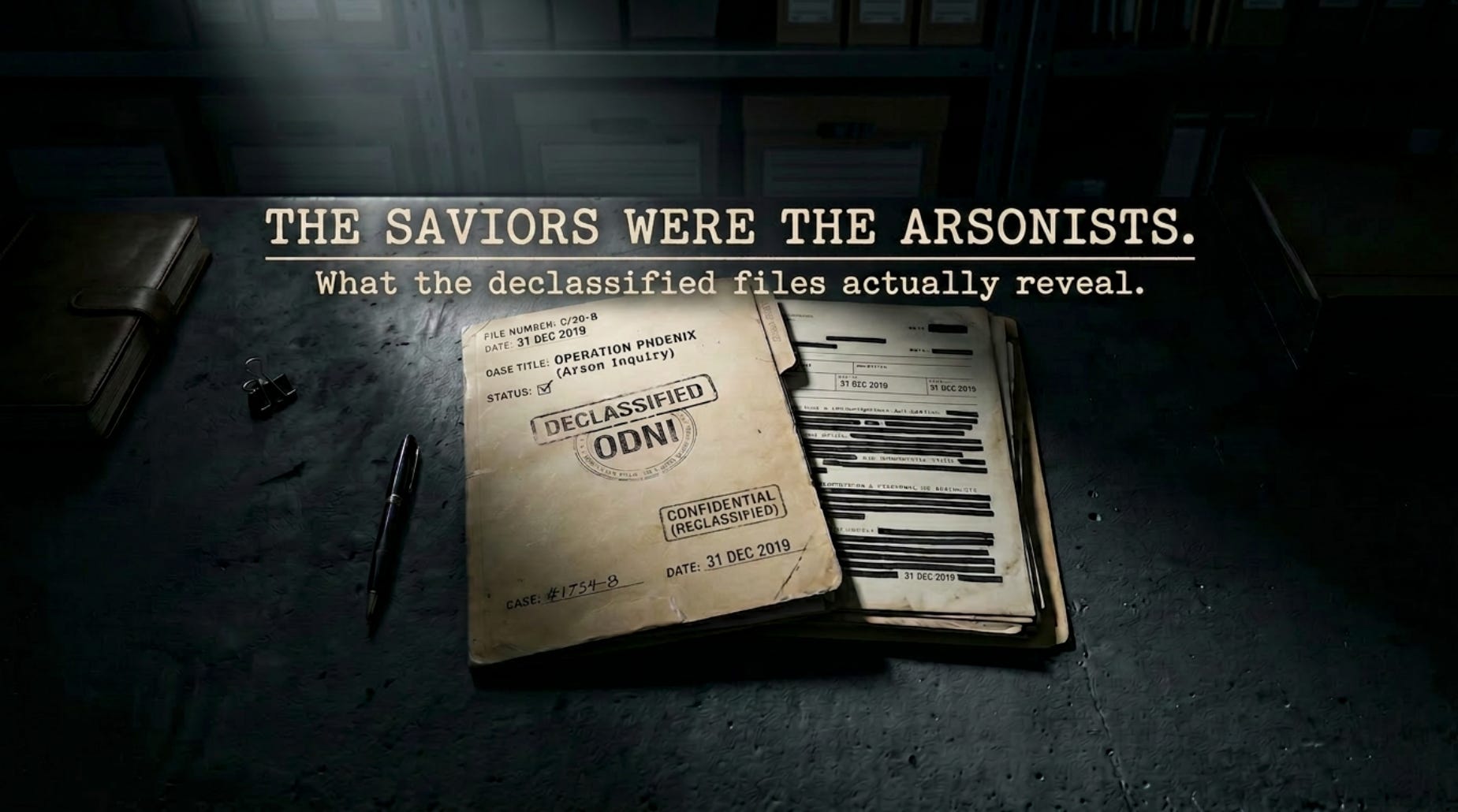
Now, for example, the Office of the U.S. Director of National Intelligence has released documents that touch on one of the gravest questions of the COVID era: who knew what about the origin of the virus, who funded what kinds of research, who tried to push the possibility of a laboratory origin into the background, and what role was played in all this by the highest circles of the American scientific, public health, and intelligence apparatus.
The most serious message of the documents is clear: the threads lead to Anthony Fauci. Not as a minor figure, but as a key actor who appears to have played an unavoidable role around the funding chain, the concealment of the laboratory-origin possibility, and the protection of the official narrative.
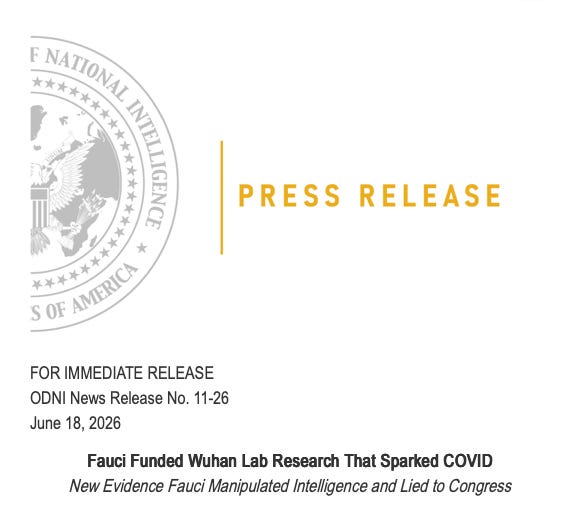
Under normal circumstances, this should trigger front-page headlines, emergency parliamentary sessions, congressional hearings, independent investigative commissions, and a public earthquake. But that is not what we are seeing. The press, which is called the fourth branch of power for a reason, and whose job should be to kick down the doors of those responsible, is quietly looking the other way. It does not ask questions, does not demand answers, does not investigate, and does not hold politicians, authorities, the pharmaceutical industry, scientific institutions, or intelligence agencies to account.
Instead, it politely steps over the ruins, straightens its tie, and continues with the daily program, as if one of the most important public health, legal, and national security scandals of modern history were not unfolding right in front of its eyes. As if the cracks in the COVID narrative were not already visible everywhere. As if the cover-up were not still claiming victims every single day. This silence would itself be news, but there is no news about that either, because apparently the world’s best-paid seekers of truth are very busy right now. After all, someone has to write about which celebrity wore what outfit at the awards ceremony.
Modern censorship rarely works through open bans anymore. There is no need to burn books, shut down newspapers, or take reporters away in the middle of the night. The more sophisticated system does not silence the truth — it buries it. It does not say, “You are forbidden to talk about this.” It says, “Look at this instead.”
It does not lock information away; it pours a thousand tons of noise over it. Celebrity drama, political theater, TikTok scandals, manufactured outrage, clickbait nothingness: every minute brings a new stimulus so that public attention never reaches the questions of truly historic significance. This is how the distraction industry works. It does not ban; it drowns out. It does not argue; it overstimulates.
And yet the evidence is no longer somewhere in the shadows. Not on hidden forums and not buried deep in “alternative” channels, but in official documents, congressional materials, whistleblower testimonies, laboratory results, authorization records, manufacturing processes, and statistical patterns. Anyone who, after all this, still claims that there is nothing to investigate is no longer defending reality, but their own previous role.
The central message of the newly released U.S. intelligence documents is clear: the laboratory origin of COVID-19 is no longer merely a possibility, but the most likely and most seriously credible explanation of the story. What the mainstream press treated for years as a dangerous conspiracy theory now appears to have been one of the most important suppressed truths of the COVID era.
For years, we were told that anyone who mentioned the Wuhan laboratory, bat coronavirus research, gain-of-function experiments, U.S. funding chains, or the role of EcoHealth Alliance was a dangerous purveyor of disinformation. Social media platforms restricted, fact-checkers branded, major newspapers mocked, and television experts spoke about the possibility of a laboratory origin as if even raising the question were a kind of moral contamination.
But today, we are no longer talking about a forum comment, a Telegram channel, or an “alternative” video, but about official U.S. intelligence documents. According to the documents, Dr. Anthony Fauci, one of the most influential figures in the U.S. public health system, supported certain lines of bat coronavirus research with U.S. taxpayer money — lines of research that led to the Wuhan Institute of Virology. These studies were not simple laboratory observations, but virus-manipulation programs whose purpose was precisely to map how certain viruses could become more infectious, more dangerous, or better adapted to humans.
In technical language, this is called gain-of-function research. And for years, the public was told that anyone who talked about it was a conspiracy theorist. But if a global pandemic begins in a city where bat coronaviruses are being studied in a high-security laboratory, then investigating the possibility of a laboratory origin is not extremism, not a political attack, and not anti-science. It is basic common sense.
The most serious question, however, is no longer only where the virus came from. It is why, when the pandemic broke out, the system did not move toward a transparent search for the truth, but toward cutting the chain of responsibility. Based on the documents, Fauci did not appear in the process as an outside expert, but as a background actor whose recommendations were regularly taken into account by certain leaders within the intelligence community. Experts who were independent of him and held differing views were pushed into the background, while the narrative of natural origin was presented to the public as the official position.
If this picture is confirmed in its full context, then we are not talking about a simple professional mistake, but about the public discourse on the origin of the pandemic being distorted by institutional interests, political self-protection, financial liability, and reflexes of power. This is no longer a scientific debate, but narrative management. And the essence of narrative management is not the search for truth, but deciding which part of reality the public is allowed to see.
One of the most important lessons of the COVID era is how easily the phrase “expert consensus” can be turned into a political weapon. The normal functioning of science is not that a central authority designates the acceptable opinion and brands everything else as disinformation. The essence of science is precisely doubt, verification, repetition, debate, and falsifiability.
By contrast, in the first years of the debate over the origin of COVID, the possibility of a laboratory origin was treated on many platforms as if even raising it were, in itself, a moral offense. Those who asked questions were often not refuted, but subjected to character assassination. They were not presented with data, but with labels: conspiracy believer, anti-vaxxer, science denier, extremist, dangerous. But when labels are used to answer a question, that usually does not signal the strength of the truth, but the weakness of the answer.
The same pattern can be seen in the whistleblower thread as well. According to reports, intelligence analysts who took the possibility of a laboratory origin seriously faced pressure, marginalization, career threats, or indirect intimidation. If, in the middle of a crisis, power is not seeking the truth but trying to conceal its own responsibility, then society is not receiving information, but a managed reality. And if those who question that managed reality are punished, then we are no longer talking about a mistake, but about a system-level defensive mechanism.
Another serious claim in the documents relates to Fauci’s 2024 congressional testimony. Fauci publicly and under oath denied that he had suppressed the laboratory-origin theory, and also denied allegations that he had consciously directed the narrative.
According to the ODNI, however, the newly released materials contain communications that may contradict this defense. That is why what is needed is not journalistic verdicts, but a full, independent, and public investigation. But for that to happen, the press would first have to start behaving like the press again — not like a PR department, not like a crisis-communications shield, and not like a narrative-protection unit.
If the Wuhan thread represents the geopolitical crime, then the authorization and manufacturing mechanism of the mRNA mass vaccination campaign represents the biological crime. For years, the public was repeatedly told that the COVID vaccines were “safe and effective.” These three words became a religious formula. They were not treated as a claim, but as a creed; they did not have to be proven, only repeated.
And anyone who asked the most basic pharmacological questions was declared a social pariah. Yet it was not an “anti-vaccine” question to ask whether it was truly a good idea to make the body’s own cells produce the spike protein, one of the central elements of the virus’s pathology. It was not an extremist question to ask how much spike protein is produced, for how long it is produced, in which tissues it appears, where the lipid nanoparticles travel, what kind of immunological reprogramming repeated doses may cause, and whether the population actually received the same product that had been tested in the clinical trials.
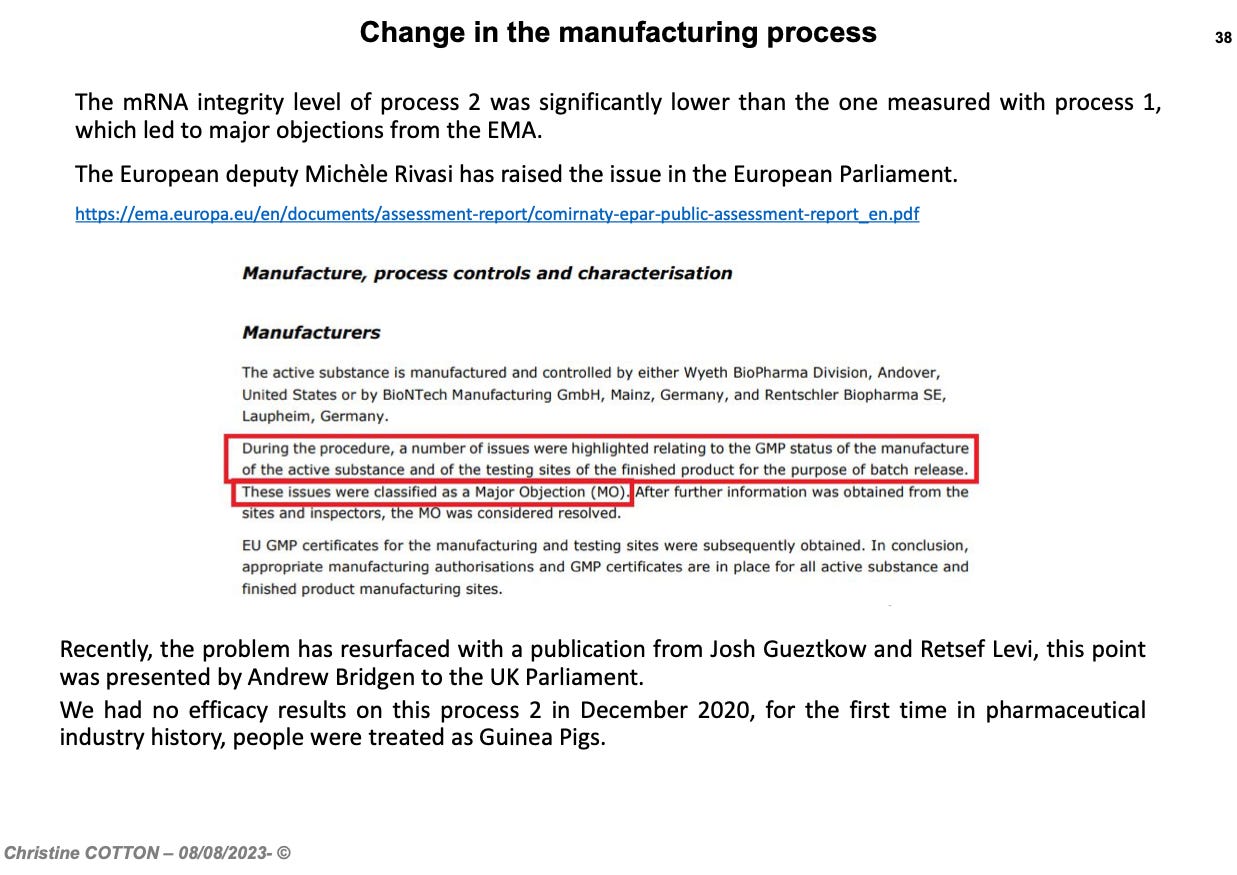
The essence of the Process 1 and Process 2 issue is simple, yet extraordinarily serious. The mRNA vaccines used in the clinical trials were manufactured through a laboratory-based, PCR-based process, which was a cleaner, more expensive, and more controlled manufacturing route. In mass production, however, they switched to a different technology that used a manufacturing process based on bacterial plasmid DNA. On paper, the two products were “comparable,” but when the manufacturing process changes for a genetic, lipid-nanoparticle-encapsulated biological product, we are not merely talking about a technical detail. The purity of the final product, its contamination profile, fragments, by-products, biological behavior, and potential risk may also change.
his question was not raised by an outside observer, but brought to the table by Christine Cotton, someone from the innermost circles of pharmaceutical quality assurance. Cotton is a biostatistician, professional auditor, and clinical trial methodologist with more than two decades of experience. For twenty-three years, her profession was precisely to audit, on behalf of the world’s largest pharmaceutical companies, the legality of testing phases and compliance with strict Good Clinical Practice (GCP) protocols.
When Cotton examined Pfizer’s authorization documents — documents whose release had been compelled by the courts — with the ice-cold precision of a professional auditor, she was not expressing an opinion, but recording a quality-assurance finding: between the industrial-scale Process 2 product administered to the population and the “brilliant” laboratory Process 1 formula that showed 95 percent efficacy, the clean, proper pharmacological bridging study that would have made the two substances legally and biologically equivalent was never carried out.
According to her methodological audit, the data sets for the mass-produced version would have failed, even at the most basic level of pharmacopoeial rigor, under a normal peacetime regulatory inspection.
The public, of course, was barely told about this — or more precisely, not told at all. The population received no meaningful information. The difference between Process 1 and Process 2 was not explained to them; the significance of the manufacturing-technology switch was not openly discussed; the long-term safety uncertainties were not detailed; and it was not made clear that this was a new technology carrying genetic instructions, packaged in lipid nanoparticles, with numerous biological questions still open.
Instead, the population was given a few simple, campaign-like phrases: safe and effective, trust the science, protect yourself, protect grandma, be a responsible citizen. This was not information. It was behavioral management.
Most people did not make their decision because they understood how the technology worked, the manufacturing differences, the biodistribution questions, the uncertainties surrounding spike protein production, the possible side effects, and the lack of long-term data. They made their decision because they believed that what they were receiving was the same carefully tested product, presented as safe and effective, that the authorities and the media had been talking about.
But if they did not receive exactly the same product, then how informed was their consent? Informed consent is not merely a signed piece of paper, a ticked box, or a half-sentence recited on an assembly line at a vaccination site. Informed consent means that a person understands what they are receiving, by what mechanism it works, what uncertainties exist, what manufacturing differences may be present, what side effects may arise, and what long-term data are missing. If these things are not discussed honestly, then consent is only a legal formality, not a real decision.
One of the fundamental principles of traditional pharmacology is dose control. It is necessary to know how much active substance enters the body, where it goes, how long it remains active, what metabolites are formed from it, how it is eliminated, in which tissues it may accumulate, and what side-effect profile can be expected.
In the case of the mRNA platform, however, the classical concept of dose partly breaks down, because here it is not simply a finished protein or molecule that is administered in a defined quantity, but a genetic instruction that is introduced into the body, based on which the host cells themselves begin to produce the desired antigen.
This is an enormous difference. The amount of mRNA administered is not the same as the amount of spike proteinproduced; the injection site is not the same as the site of biological effect; the time of injection does not tell us how long antigen production will continue; and the fact that something is injected into the deltoid muscle does not mean that it stays there. The very purpose of lipid nanoparticles is that they are capable of delivering genetic material into cells.
This is a technological feat, but at the same time it is also a major biological risk if targeting, biodistribution, and the amount or duration of the antigen produced are not fully controlled.
One of the most sensitive points of the Process 2 manufacturing technology is the question of residual plasmid DNA. According to the official position, after the manufacturing process only a permitted, insignificant amount of residual DNA may remain in the preparation. However, independent laboratory tests and later publications raised serious methodological questions. It matters greatly what method is used to measure DNA residues, just as it matters whether the DNA fragments are present freely or packaged inside lipid nanoparticles — that is, in precisely the kind of carrier whose purpose is to deliver material into cells.
The question, therefore, is not whether “there is DNA in it,” but how much is present, in what form, in what fragment lengths, with what sequences, whether it can enter cells, whether it can reach the cell nucleus, and whether repeated doses may pose a cumulative risk. The public received no open, verifiable answer to these questions. Instead, it was given fact-check articles, condescending statements, authority-based reassurances, and moral blackmail.
The same is true of the spike protein question. The public was sold the simplified image that the spike protein produced by the vaccine is a harmless antigen that shows the immune system the enemy’s face and then quickly disappears. But the spike protein is not a neutral molecule. It binds to receptors, may trigger inflammatory processes, and may have vascular, immunological, and cellular effects. If it appears in the body in the wrong place, for the wrong length of time, or in the wrong quantity, it may behave not merely as an antigen, but also as a pathogenic factor.
The real scientific question, therefore, should not have been whether we were allowed to talk about this, but how to measure it. Where does it appear, how long does it remain, which cells produce it, what immune response does it trigger, what individual differences exist, and what possible relationship may there be with myocarditis, vascular events, autoimmune phenomena, neurological symptoms, or long-term inflammatory patterns? These questions should not have been silenced. They should have been investigated.
This is where the story becomes truly serious. It was not simply that the system was groping in complete darkness and then, in the first months of the pandemic, tried in good faith to navigate a completely unknown situation. Even before the pandemic, it was known that the traditional vaccine-development model was slow, cumbersome, and limited from a market perspective.
Parts of the professional elite were already speaking openly in 2019 about how the old system would be difficult to replace without some kind of more radical turning point, and that the main obstacles standing in the way of rapidly manufacturable, platform-based technologies were precisely regulatory, market, and social-acceptance barriers.
In this light, the COVID crisis appeared not merely as a public health event, but also as a historic opportunity: a situation in which emergency authorization, fear, political pressure, and a moral campaign together were able to introduce, on a mass scale, a technology that in peacetime would have had to be studied far more slowly, cautiously, and in a much narrower setting.
If we connect all this with the funding of gain-of-function research, the communication maneuvers around the laboratory-origin question, the allegations of influencing intelligence assessments, and the fact that critical voices were branded as disinformation for years, then we are no longer talking about simple mistakes in pandemic management.
The question may be asked:
perhaps this was not merely an accidental mishap after all, was it?
If it was not merely an accident, then the entire communication of the COVID era takes on a very different light. Because then we are not simply talking about power mishandling a crisis, but about the same institutional circle that may have been involved in the origin, funding, and cover-up of the virus subsequently appearing with the “solution” as well. In other words: those who told the world how to defeat the disease were the very ones in whose hands responsibility may have rested for the story of the disease being created or unleashed.
This is no longer a simple public health failure. This is the logic of the Trojan horse. First the danger appears, and then the same system offers salvation. And society, in fear, in grief, amid lockdowns, under political and moral pressure, lets in the technology that in peacetime would have had to be studied far more slowly, far more cautiously, and in a far narrower setting.
If the COVID crisis was truly not only something that happened, but also functioned for some as a prepared historic opportunity, then the message of “the vaccine as the only way out” was not an innocent campaign slogan. It was the language of fear-based obedience: do not ask, do not weigh the evidence, do not break it down by age, sex, risk, prior infection, vaccine type, or number of doses. Just accept what the system involved in the creation of the crisis offers as salvation.
This is the cruelest form of the Trojan horse: when the system that brought about the danger returns not as an enemy, but as a savior, and society, held in fear, opens the gate to it itself. And this is exactly where the tense paradox that half the world stood baffled by for years is resolved: why the Wuhan laboratory thread had to be suppressed with the most brutal censorship, moral destruction, and disinformation labels.
The official narrative was never truly trying to protect the Chinese state with this. The dogma of natural origin had to be guarded with fire and sword, with the full force of authority, because the moment the proposition became visible to the public — that the virus was funded and unleashed by the same institutional network that later, in the shadow of refrigerated trucks, forced the experimental platform upon the world as the only morally acceptable way out — the saviors would immediately be revealed as the arsonists.
The same logic appeared in treatment protocols as well. For a long time, the official message was not built around active, early intervention, but around waiting: stay home, rest, drink tea, reduce fever, and go to the hospital only when things are already serious. The idea of early treatment was not given real space in many places; in fact, it often became suspect. The questions of vitamins, inflammation control, clotting risks, secondary bacterial infections, antibiotics, or other early interventions were not given the weight they should have received in a truly patient-centered system.
This is not a minor professional detail. If, in the case of a respiratory infection, patients are conditioned to wait until they become severely ill, then the system is not focusing on early rescue points, but on the hospital end stage. Many patients therefore encountered the healthcare system not when intervention would still have been easier, but when they were already suffocating, oxygen-deprived, exhausted, inflamed, and in many cases already facing secondary infections, pneumonia complications, or coagulation problems.
The hospital phase is not free of serious questions either. The central role of remdesivir, the drug’s side-effect profile, the burden on the kidneys, the burden on the liver, the rigidity of protocols, and the practice of using ventilators are all topics that cannot be closed with the phrase “that was what we knew at the time.” The problem is precisely that the official system often did not tolerate genuine therapeutic debate, while the imposition of rigid protocols often turned hospital care itself into a source of iatrogenic harm, meaning harm caused by medical intervention. Anyone who spoke about early treatment became suspect; anyone who questioned hospital protocols was branded irresponsible.
By contrast, during the COVID period, it often seemed as if the diagnosis itself had swallowed the patient. If someone was COVID-positive, everything else receded into the background. The patient no longer appeared as a whole person, but as a COVID case. The statistical handling of deaths further reinforced this distortion: the system attributed everything to COVID, while far less attention was paid to exactly which treatment decisions, delays, protocols, drugs, complications, or hospital practices led to death.
Moreover, the question of early treatment was not a retrospective fantasy. As early as 2020, arguments appeared in the scientific literature that treatment strategies should be developed on a pathophysiological basis even in the early, home-based phase of SARS-CoV-2 infection, in order to prevent hospitalization and death; Peter McCullough and colleaguesdescribed this in detail in the American Journal of Medicine.
During the same period, Pierre Kory spoke at a U.S. Senate hearing about the importance of early outpatient treatment and institutional resistance. Meanwhile, there was already serious debate in 2020 around remdesivir, which became one of the central drugs in hospital protocols: the WHO/BMJ living guideline at the time gave a conditional recommendation against its use, because it found no evidence that it meaningfully improved mortality or the need for mechanical ventilation.
Today, even the CDC’s own outpatient treatment guidance states that COVID treatment should be started as early as possible, within 5 to 7 days of symptom onset, in order to prevent progression. In other words, the time window for early intervention was not a minor detail, but a question that fundamentally influenced the outcome of the disease.
The crime, therefore, was not simply that they did not know everything. The crime was that, in public, they spoke as if the essential risks and therapeutic questions had already been settled. Scientific uncertainty was sold as political certainty, while those who pointed to the open questions were often branded as irresponsible, dangerous, or anti-science.
If a system is aware of data and prior evidence that would justify caution, but does not clearly inform society about them, while steering patients toward late-stage care, narrowing therapeutic thinking, stigmatizing questions around early treatment, and then hiding the consequences behind statistical and communication categories, then we are not merely dealing with bad decisions, but with a deception of historic responsibility.
It may be that many doctors and nurses performed superhuman work and truly tried to save lives. This must not be denied. But well-intentioned executors do not absolve those who designed the protocols, narratives, authorization pathways, and communication frameworks. The question is not whether the same cause stood behind every single COVID death. The question is how many people’s chances the official strategy worsened overall by delaying early intervention, narrowing therapeutic thinking, and in many cases treating patients too late, within overly rigid protocols, and with too little genuine therapeutic freedom.
That is why we are not speaking here of a simple policy mistake, but of a form of historical responsibility whose weight evokes the category of crimes against humanity. Not because every individual doctor or executor consciously intended to cause harm, but because the functioning of the system, the suppression of questions, the obstruction of early treatment, the rigidity of protocols, and the silencing of consequences together may have caused a level of destruction that cannot be passed over in silence.
In principle, the role of the press should be to hold power to account. During the COVID era, however, a significant part of the mainstream media did not function as a watchdog, but as a gatekeeper. It did not ask whether the claims of those in power were true; it examined who dared to question them.
When independent researchers spoke about DNA contamination, much of the press did not demand laboratory testing, but spoke of “fearmongering.” When doctors reported adverse effects, they did not demand stronger pharmacovigilance, but emphasized the danger of “anti-vaccine” sentiment. When statisticians asked questions about excess-mortality patterns, they did not demand transparent databases, but wrote about conspiracy theories. This is how journalism became narrative protection.
But there is not only a political and financial reason for this. There is also a deep psychological reason. Many of the decision-makers, journalists, doctors, editors, teachers, institutional leaders, and opinion-shapers of the COVID era are personally implicated. They themselves took the mRNA vaccines, had them administered to their children, persuaded their parents to take them, pressured their colleagues, wrote articles about them, supported campaigns, and often mocked or stigmatized those who asked questions.
Now these same people would have to face the possibility that perhaps they were not simply mistaken, but acted as intermediaries in a biological and institutional experiment of historic scale. This is a psychological burden that the human mind instinctively deflects. If someone looks at this matter from the outside, it is easier to say: let us investigate it, uncover it, and name those responsible.
This is why the person asking questions becomes a “dangerous person,” the patient speaking about side effects becomes an “alarmist,” the researcher probing the laboratory origin becomes a “conspiracy theorist,” and the independent laboratory measuring DNA contamination becomes an “irresponsible panic-monger.” Because if these people are right, then not only did the system fail, but those who trusted it failed as well. This explains why the matter is not exploding the way it should. This is not a distant corruption scandal, not a ministry contract, and not an offshore account. This is written into the bodies of many people — and into the bodies of many people’s children as well.
Perhaps the most visible form of cognitive dissonance today can be seen in the comment sections of social media. If news appears about the sudden death of a young, seemingly healthy person, and someone cautiously raises, even as a question, whether there may have been any biological intervention, infection, medication, vaccination, myocarditis, immunological event, or other factor in the recent period that could be related to it, the moral police appear immediately. The question is not answered; it is branded as disrespectful, vile, or a conspiracy theory.
And yet, when a young person dies suddenly, the greatest respect is not to look away in silence. The greatest respect is to take their life seriously enough to want to understand what happened to them. Grief must not exclude the search for truth. It is possible to ask humanely, to investigate respectfully, to collect anonymized data, and to speak in general terms about autopsy protocols, mortality patterns, sudden cardiac death in athletes, myocarditis, clotting disorders, and vaccination timelines without attacking anyone’s family.
But this is not what the system needs. The system needs the question itself to become morally suspect, because if the question is suspect, then it does not have to be answered. This is how a scientific question becomes a moral offense, how causal investigation becomes disrespect for the dead, how data collection becomes hatred, and how people’s natural compassion is used to prevent the search for truth.
How unfounded this search for truth is not is clearly shown by a U.S. follow-up study published in 2022 in The Lancet Child & Adolescent Health. The study followed adolescents and young adults aged 12 to 29 for at least 90 days who had reported myocarditis after mRNA COVID vaccination and who met the CDC case definition.
On the surface, the picture at first seemed reassuring. Most patients improved, ECG findings, echocardiograms, and troponin levels normalized in many cases, and the majority of patients with a medical assessment were considered fully or probably recovered. This is the sentence official communication likes to emphasize: most cases are mild, the majority recover, there is no reason for concern.
But when they looked deeper, the picture was no longer so simple. Among patients examined by cardiac MRI, more than half still had some abnormality at the time of follow-up, and a significant proportion showed late gadolinium enhancement. This is not a minor laboratory detail, but an MRI signal that may indicate previous inflammatory injury, damage, or scarring of the heart muscle. In other words: just because the ECG normalizes, the echocardiogram shows a more reassuring picture, or troponin returns to the normal range, it does not necessarily mean that the heart muscle has healed without biological injury.
This difference is decisive. In a young person, especially among athletes, soldiers, or physically active adolescents, it is not enough to say, “he is better now.” The real question is whether any myocardial scar, tendency toward arrhythmia, reduced exercise capacity, or later cardiological risk remains — something that may become visible only months or years later. Myocarditis is not merely an acute diagnosis; it can also be the starting point of a later cardiovascular story.
That is why it was particularly irresponsible to minimize, at the level of communication, the myocarditis risk in young people. In relation to grief, sudden deaths, athletic collapses, or unexplained declines in performance, what is needed is not moral policing, but precise, long-term, taboo-free investigation. Cardiac MRI, exercise testing, rhythm monitoring, troponin time series, sports cardiology follow-up, and honest vaccination-infection timelines are needed. Because if the most sensitive tests still find residual abnormalities after 90 days, then the question is not whether we are allowed to talk about this. The question is how it could have happened that this was not discussed far more.
The silence of the mainstream media is not merely an ideological issue. Nor is it only a matter of vanity, although that is part of it too, since it would be difficult to admit that those who branded legitimate questions as disinformation for years are now themselves sitting on the ruins of a historic mistake. Behind the silence there is also hard legal and financial mathematics.
The state-granted immunities, liability limitations, and emergency-authorization shields given to the pharmaceutical giants truly work only as long as the system can invoke good-faith mistakes, emergency decisions, and measures taken according to “what we knew at the time.” But if suspicions arise of deliberate deception, concealment of manufacturing quality, data manipulation, systematic suppression of adverse effects, regulatory failure, or misleading Congress, then the legal landscape changes completely.
If tomorrow morning the global press truly switched into investigative mode and began examining, on a daily basis, the difference between Process 1 and Process 2, residual DNA contamination, the persistent presence of spike protein, underreporting in adverse-event reporting systems, regulatory conflicts of interest, and the allegation of intelligence manipulation regarding the origin of COVID, then what would erupt would not be a simple media scandal, but a systemic crisis. Compensation lawsuits, criminal proceedings, regulatory responsibility, political consequences, and the collapse of public trust would all come crashing down at once upon the institutional system that, over the past years, demanded almost religious authority for itself.
That is why they remain silent. Not because there is no case, but because the case is too large. Too many people repeated it for too long, too many institutions signed off on it, too many experts attached their names to it, too many journalists defended it, too many politicians built careers on it, too many doctors told it to their patients, too many parents made decisions on behalf of their children, and too many people were branded and stigmatized for anyone to simply walk out of this narrative without losing face.
One of the most important lessons of the COVID era is that truth does not become true because power permits it, and something does not become fact because the media is willing to report on it. Real responsibility begins where we refuse to allow reality to be degraded into a communication product.
The origin of the virus appears to be proven. The funding chain of gain-of-function research points in one direction. The allegation of manipulation of intelligence assessments must be publicly clarified. The differences between Process 1 and Process 2 must be investigated in full depth. The question of DNA contamination must be remeasured in independent, non-industry laboratories. The persistence, biodistribution, and immunological effects of the spike protein must be honestly analyzed. Adverse effects must not be silenced, but uncovered. In cases of sudden and unexpected deaths, what is needed is not moral policing, but proper medical investigation.
But all this is important not only so that one day a historical judgment may be rendered. Not only so that it becomes clear who lied, who remained silent, who suppressed the questions, and who protected the narrative instead of the people. Uncovering the truth is also vital because millions of people may still be living today without knowing what biological burden they carry within themselves.
If the persistent presence of spike protein, the reprogramming of the immune system, hidden myocardial injuries, microcirculatory disturbances, coagulation abnormalities, or other late consequences truly affect people, then these are not abstract scientific questions. They may be time bombs inside human bodies. And a time bomb cannot be defused by officially refusing to talk about it.
If we knew who was at risk, what should be measured, which laboratory tests, cardiac MRI scans, rhythm monitoring, inflammatory and coagulation markers should be followed, and what lifestyle, medical, or regenerative interventions could reduce the risk, then perhaps much of the harm could still be mitigated. Perhaps people could be identified in time. Perhaps sudden cardiac deaths, strokes, autoimmune processes, chronic inflammation, or unexplained collapses could be prevented.
But what we do not name, we do not look for. What we do not look for, we do not diagnose. What we do not diagnose, we do not treat. And someone whom the system decides does not statistically exist can still die just the same in reality.
That is why silence today is no longer merely the covering up of past crimes. Silence is a present-tense danger. Every suppressed data point, every obstructed investigation, every mocked patient, every stigmatized doctor, and every unquestioned death is another wasted opportunity to save lives.
And the press must finally decide whether it wants to be the servant of the public or the court lackey of power. Because history will judge not only those who made the decisions, but also those who knew and still remained silent. And perhaps it will also judge those who stayed silent even when speaking the truth would no longer have meant only responsibility for the past, but lives saved in the future.
Support my work by purchasing these products! If you choose to do so, I sincerely appreciate your support!
BEMER:
BEMER therapy is beneficial because it enhances microcirculation, the process responsible for delivering oxygen, nutrients, and immune cells to tissues while removing waste products. By improving blood flow in the smallest blood vessels, BEMER supports cellular regeneration, faster recovery, and overall vitality. It is particularly useful for individuals experiencing poor circulation, fatigue, or slow healing processes. Unlike conventional treatments, BEMER uses a patented electromagnetic signal that stimulates natural physiological functions without invasive procedures or side effects. Scientific studies have shown its effectiveness in promoting better oxygenation, increased energy levels, and enhanced overall well-being.
B-EPIC:
Innovative health-related products. My personal favorite is Regener8, which contains curcumin.
ZINZINO:
A natural supplement line rich in polyphenols, designed to provide a balanced omega-fatty acid profile for better overall health.
NEUMI:
Comments
Nothing yet. Say the first thing.
Sign in to join the conversation.