
As I write this, I’m thinking about who is in the White House. And who was there two hundred and fifty years ago.
The men who were there then drank wine as they signed the Declaration of Independence. They thought of wine as a kind of goodness; something true; a simple gift of nature. It seemed right to share wine, memorializing a new beginning.
It hardly seems possible that such a thing would happen today.
This is not a piece about politics. But rather, a statement about how much things have changed in America, and how much the country needs us to re-fall in love with it. The very idea of it. The meaning behind it.
Not unlike wine.
In my weekly newsletter WineSpeed this week, I talk about this in a blog I call “Wine and America.” If you’d like to subscribe (I’d be grateful), you can read it HERE.
***
I got a lot of comments recently on my posts about ripeness, and about my claim that winemakers can disguise poor winemaking behind a mantle of sweetish, mouthfilling, jam-adjacent flavors. Who doesn’t like jam?
My only point was that it’s harder to make great wine when you pick on the “earlier” side of ripeness. Still, the early side is desirable because it’s there, on the early side, that you get a wine that we wine drinkers can understand for its merits. (When the wine is uber ripe, everything about it narrows into one dimension. And who cares where this sugar baby is from?)
A few winemakers howled that they had to wait for “phenolic ripeness,” for what one winemaker called “true maturity,” and that to get those, they were forced to leave the grapes on the vine to the point of super extended ripeness.
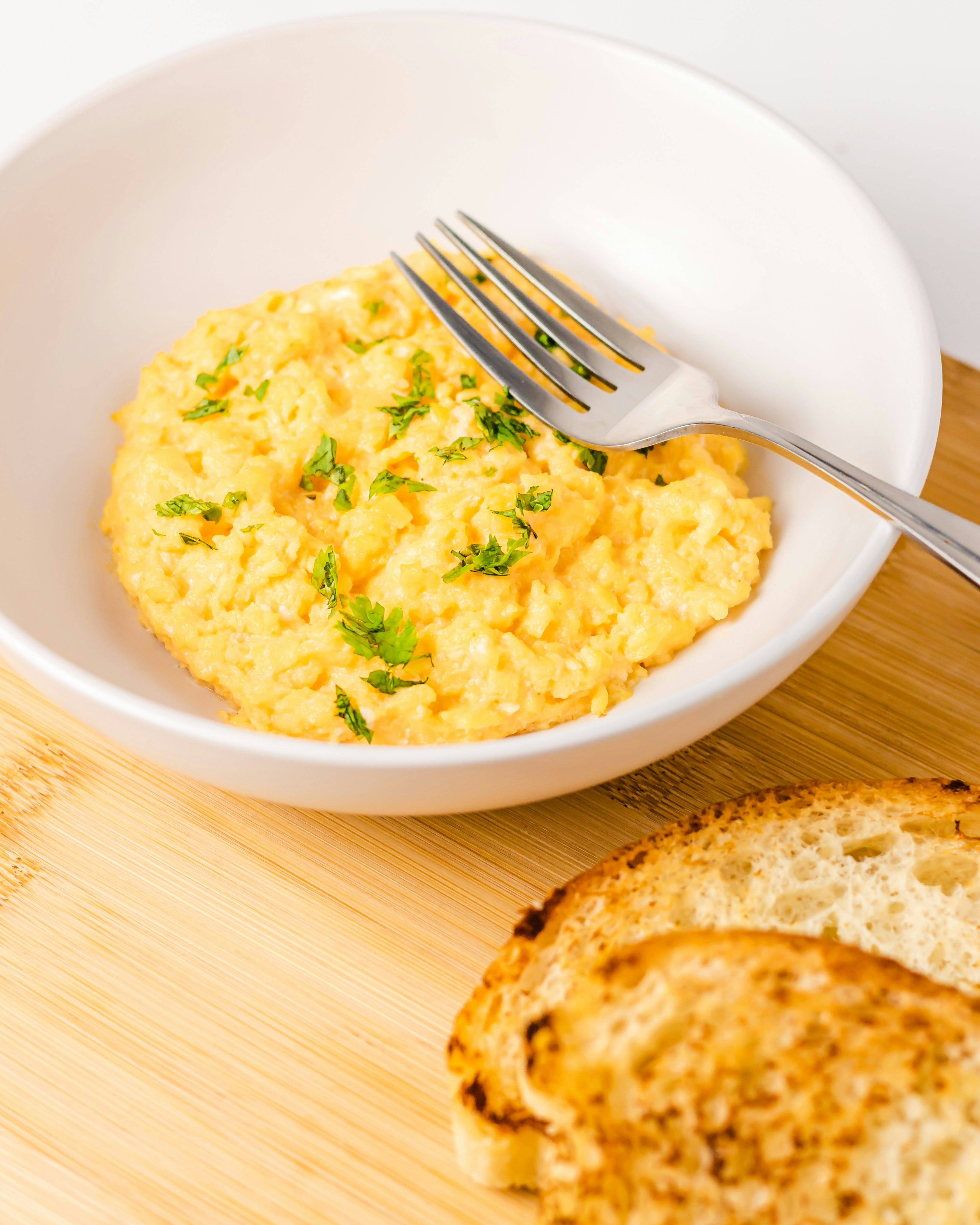
Okay, here’s my take: consider scrambled eggs and fireworks.
If you’ve ever made scrambled eggs, you know that perfect scrambled eggs do not happen if you cook the eggs until they are done. Perfect scrambled eggs happen because you took the eggs off the heat just nano seconds before they were done, and you let the eggs coast themselves the rest of the way into a perfect state.
Maybe that’s simple, but…are grapes that different?
Or, take fireworks. With fireworks, the best moment is not when the sparks of fire are descending through the sky. It’s that split second before the fireworks burst and light up the sky. You can feel that nano second, and the anticipation is the biggest part of the thrill.
Winemakers reading this are howling again. And if you are a winemaker, you can tell I am not an expert on phenolics. But I stand by my words.
Oh, and as for blaming the California sun for all those jammy wines, it was 104 degrees in Bordeaux the other day when it was 78 degrees in Napa Valley.
The climate will make us all rethink what we thought we could count on.
***
Love to hate. It’s a powerful idea, and ironically, to be hated, you must first be deeply desired.
My piece on this idea appears this month in Decanter magazine and in the WineSpeed blog, and it’s specifically about Napa Valley (where I live) and Bordeaux, the two regions in the world that most engender this complicated psychological reaction. Is it just the “price” of being on top? Curiously, Burgundy (also “on top” and more expensive than breathing) doesn’t elicit the same emotion.
Sommeliers in New York have told me that with Napa wines and Bordeaux, they don’t have FOMO (Fear of Missing Out) as much as they have LOMO (Love of Missing Out).
This is incredibly sad because both regions are making some of the best wines they ever have. Maybe what’s operating here is what the social psychologist Marilyn Brewer calls “Optimal Distinctiveness Theory” which is the need for belonging and yet the need to be different at the same time. More in the WineSpeed blog.
***
And lastly, an idea I have been thinking about for a long time. When a winery owner or winemaker says they want to make wines that “taste like the place” where the grapes are grown, is this circular winespeak?
The problem of course is that none of the rest of us knows what “this place” is supposed to taste like.
So it’s impossible to know what to think, or look for in the flavor, or to know if the winemaker was successful or wildly missed the mark, because we can’t possibly know what “this place” tastes like. A winery sidestepping any possible criticism maybe?
In the end, we’re forced to politely assume that the winemaker hit the nail precisely on the head. Because how the hell would we know? (Am I being picky?)
No posts
Comments
Nothing yet. Say the first thing.
Sign in to join the conversation.