
I often get accused of overconsuming because of my YouTube channel. Yes, I buy a ton of makeup, but honestly, if I could, I’d give it all away. Between the public character suicide of Patrick Ta and Armani Beauty resorting to K-beauty drugstore quality packaging in five shades of yawn and calling it luxury, I vacillate between forced excitement and burnout on the makeup industry so rapidly anymore that I have to have other irons in the fire to keep my brain from melting.
That said,
I do love to shop. But not for makeup. In fact I believe that somehow the paid chat on this very publication is doing more for makeup color theory than any of my videos ever could. I’m serious. As a hive mind we’re far more effective than I am alone in a room talking to a camera. So no, my vice is not makeup. My vice is, and has always been, clothing.
I’ve been side-eyed by many an anonymous online “critic” for having an affinity for nice things. It was Lele Sadoughi headbands for a while, then Yaitte, Chava Studio, Tibi and Zimmermann, and then having the audacity to link the garment in my description box. Rage away. I have no apologies to give. I buy the best quality that I can afford, and I always have, even when I made very little money. I’ve never gone into credit card debt because I don’t settle, and I don’t buy in “bulk.” I don’t own clothing from Zara, Amazon, H&M, Target, Forever 21, SHEIN, the Gap, Old Navy, or anyone else whose clothes disintegrate in the wash. I have one purse, custom handmade Italian leather, and it’s full of absolute nonsense. Rocks. Leaves. Fruit gummies. Sudafed for some reason. I’ve carried the same wallet for 20 years. But I have probably 50 pairs of shoes of all different price ranges, and I wear all of them. I don’t claim to have a system. This is who I am. I’m a high quality clotheshorse. I love fashion, and I love buying and wearing beautiful clothes. Most of us don’t need new clothes. Those fast fashion hauls add up. I believe I spend much less than average on clothing overall because I buy only what truly blows my mind, and because I take care of my clothes and keep them for decades. I love when something is worn in, not new, and that requires something being very well-made to begin with.
One of my absolute favorite pockets of the internet (a safe cave as it were) is the footprint of husband and wife fashion critic duo Bliss and Daniella Foster. Their YouTube channel brings back hope for intellectual silliness, the actual importance of art and creativity in a world that is actively trying to marginalize and automate it, and I happen to just love people who are opinionated. I can take a joke. I don’t have to agree all the time. I just love to hear someone be passionate about something, and they are so passionate about the fashion industry. It’s invigorating.
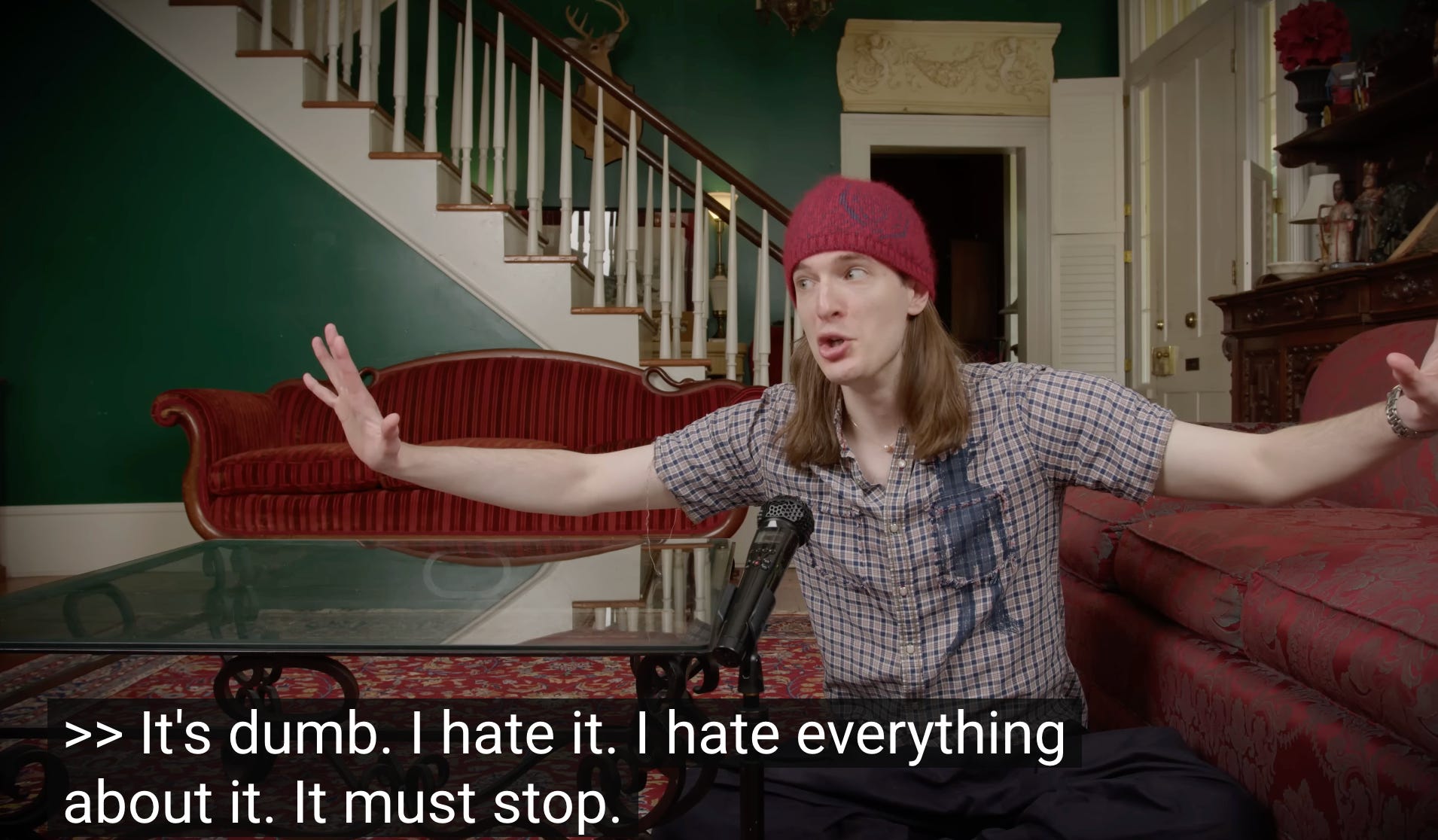
This morning I was listening to a video while driving back from drop-off, a new one from the Fosters called, “Everything I Hate About Fashion.” I love watching these two complain about things I’ve never thought about. Give me all the strong feelings!
And as I shared in their lighthearted rage I remembered, for some reason two days ago, getting curious about what J.Crew has been up to.
…farts in a bag, that’s what.
We had all three been in the pool all day, we were showered and tuckered out, cozy in the living room in the late afternoon, and I think I must have run across a wildly expensive sweater online and thought, “looks like something J.Crew would have made a long time ago,” and then been struck with the realization that J.Crew is ostensibly still making clothing. I checked and, yes, they are, although clothing is a strong word for what they’re doing.
I was curious because I used to love J.Crew. They were both aspirational when I was just starting out in the working world, and a little tongue-in-cheek for someone with facial piercings and decidedly alternative style to wear, straddling irony and seriousness in my style. They also made clothes that fit my boyish frame really well. Men’s chinos cut for a woman, button-downs without darts, all with a little flare for the dramatic with heavy, jeweled necklaces and pops of bright colors — this was the Jenna Lyons era.
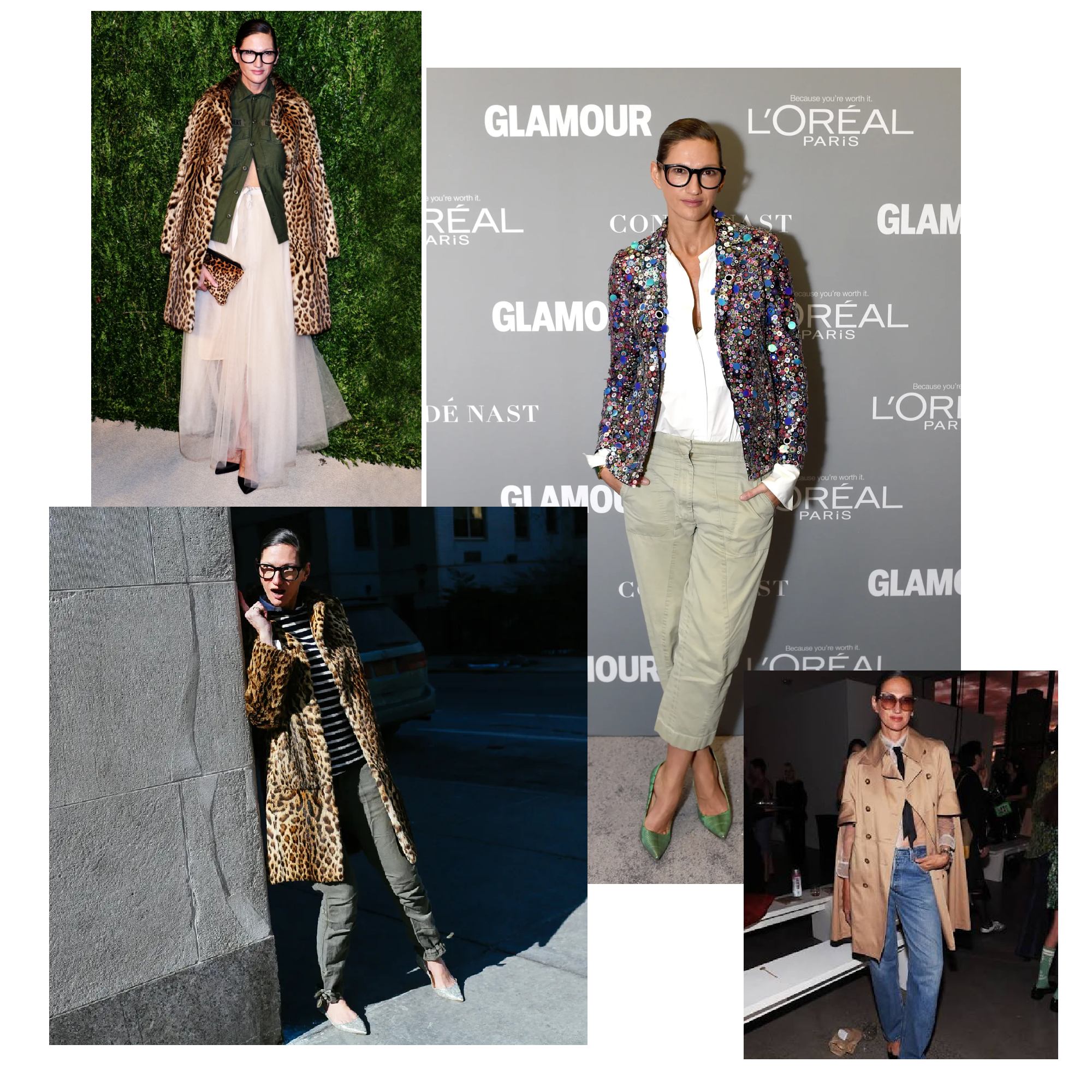
Trying to explain the energy of the early 2010s in today’s context, I think what a lot of people are reaching for is well-represented by the Jenna Lyons era of J.Crew. Jenna was hot, gay, and had a point of view, and it had me eating out of the palm of J.Crew’s hand for a long time. There was texture! And color! And patterns! They were all rebelliously smashed together in a way that felt new and familiar at the same time. Covetable. The tailoring was worth saving up for, the materials washed well, and the boyish fits favored by Jenna were right up my alley. In my 20s, which ran from 2007 to 2017, I worshipped at the altar of Jenna’s J.Crew.
And it wasn’t just me, either. Michelle Obama notably wore J.Crew often, which news outlets loved to tout as a testament to her relatability, but our First Lady was wearing J.Crew Collection, folks, not garden variety J.Crew. Add a zero to the end of the price. Sales soared. Jenna brought J.Crew out of the 80s and into the future. The appeal was widespread, for all genders and ages, and the brand’s point of view felt fresh and timely for a much needed post-recession injection of optimism. Jenna declared that “leopard is a neutral,” and transformed green camo from military drab into preppy closet essential. In this era, J.Crew felt both eccentric and quintessentially American in the best way.
Then something changed. Sales started to fall in 2014 because the brand had invested too heavily in the notion that their customer wanted runway-level experimentation, and that they were willing to pay a higher price for it. They lost their original audience, and were bought and sold by several private equity firms in the process, putting the brand severely in debt. The irony is that, for its failure to engage with the “fast fashion” of the time, J.Crew’s recovery strategy of the last decade or so seems to be just that…become fast fashion.
In 2021 I stepped into a large Banana Republic store here in New Jersey. I had just moved from Austin, Texas, where even the most prestigious retailers don’t bother stocking “fancy” clothes for women because Austinites don’t buy them, or so I was told by retail employees over the years. It’s prohibitively hot, there’s no dress code anywhere in the city, and Austin is a notoriously athletically active city — you can get Lululemon on Doordash — so I hadn’t seen a well-stocked Banana Republic in a while. Plus I had just had a baby during a pandemic. I hadn’t seen anything in a while.
So color me surprised when I beheld the makeover Banana Republic had undergone in response to the shift in customer behavior in 2020. As everyone stayed in their homes, sales were unpredictable, and it left major retailers at a crossroads: cheapen everything or roll the dice and glow up. Amy Smilovic purged her entire southern brand aesthetic and remade Tibi into the Japanese-meets-Skandi-style eccentric luxury source that it is today, and the Banana Republic I walked into that day had apparently also taken the latter approach.
The first thing I saw was an entire room of nude undergarments á la Skims or Yeezy at the time. And when I say nude, I mean they had more shades than many foundation lines. This was clearly meant to signal a new era. They also had impossibly luxurious, soft, heavy cashmere sweaters in timeless and considered cuts, delicate layers of silk that felt expensive, and colorful, experimental textures in formalwear and suiting. They even brought back their legacy collections, offering $5,000 Ralph Lauren Collection type bomber jackets, even wildly expensive luxury children’s wear. But the biggest thing I noticed was the conspicuous absence of sales. There were no promotional signs. No discounts. No bundles. There was a modest sale section from the previous season in the back of the store like usual, but there was no effort to earn your money by devaluing the merchandise. This was a revived, aspirational Banana Republic, take it or leave it.
Suffice it to say, J.Crew took the other approach. And I’m still mad about it. I’m also mad that Madewell, their sister brand that didn’t seem to suffer from as many of the homogeneity and quality issues as plagued J.Crew, followed suit not long after. Materials cheapened. Construction was shoddy. And J.Crew’s efforts to return to their 1980s preppy aesthetic didn’t land as well, now that those shoppers had other options like Alex Mill, Tuckernuck, and Jenni Kayne. The last time I was in a J.Crew I remember seeing jewels stuck onto an apologetically conservative gray tank top (J.Crew never could cut a sexy neckline) wilting on the sale rack next to everything else no one wanted. My mother, who has a degree in fashion merchandising, taught me to squeeze fabric into a ball in my hand for a moment to test its weight and how prone it was to holding wrinkles. J.Crew’s clothing behaved like tissue paper.
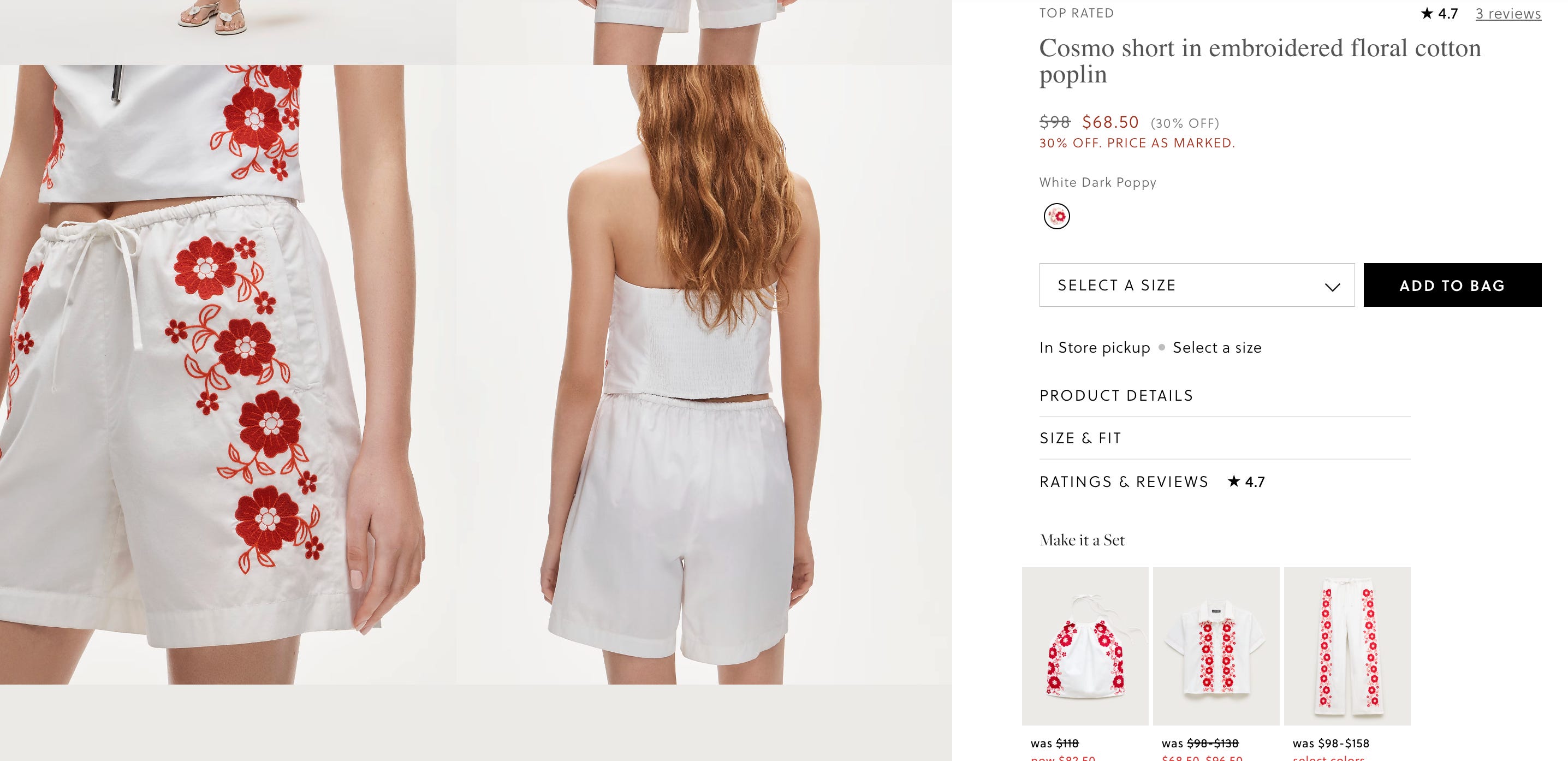
So the other day when I warily stumbled into their current offering, I clicked the splash image at the top of the page announcing their summer collection. The models in summer camp settings, looking excited and optimistic, couldn’t hide the fact that the clothes aren’t just uninspired, they are cheaply made. I’m saddled with this issue where I always assume that in a breakup, when I check back in on the ex, they will have been working on themselves. They’ll have learned and gotten better — not for me, for themselves. I assume they’re finding happiness. And I am always, as in the case with J.Crew, so very wrong.
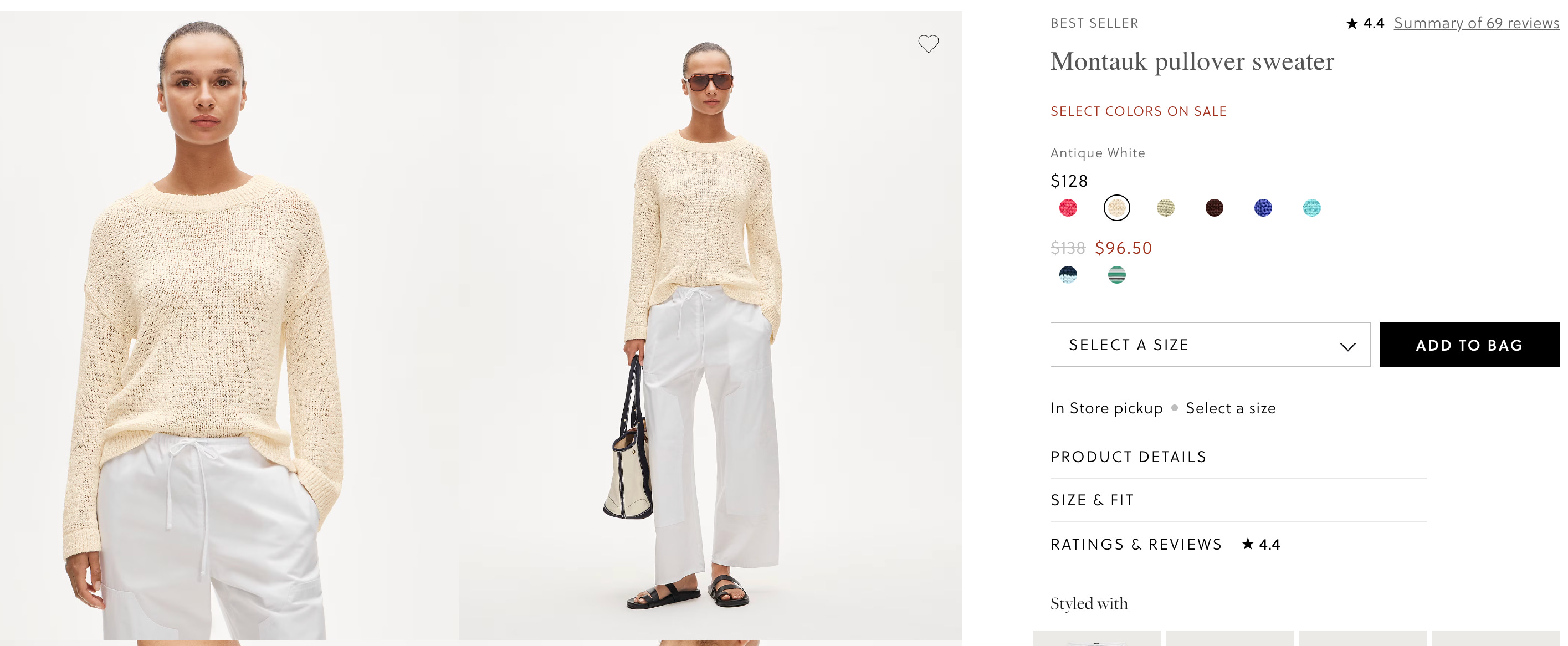
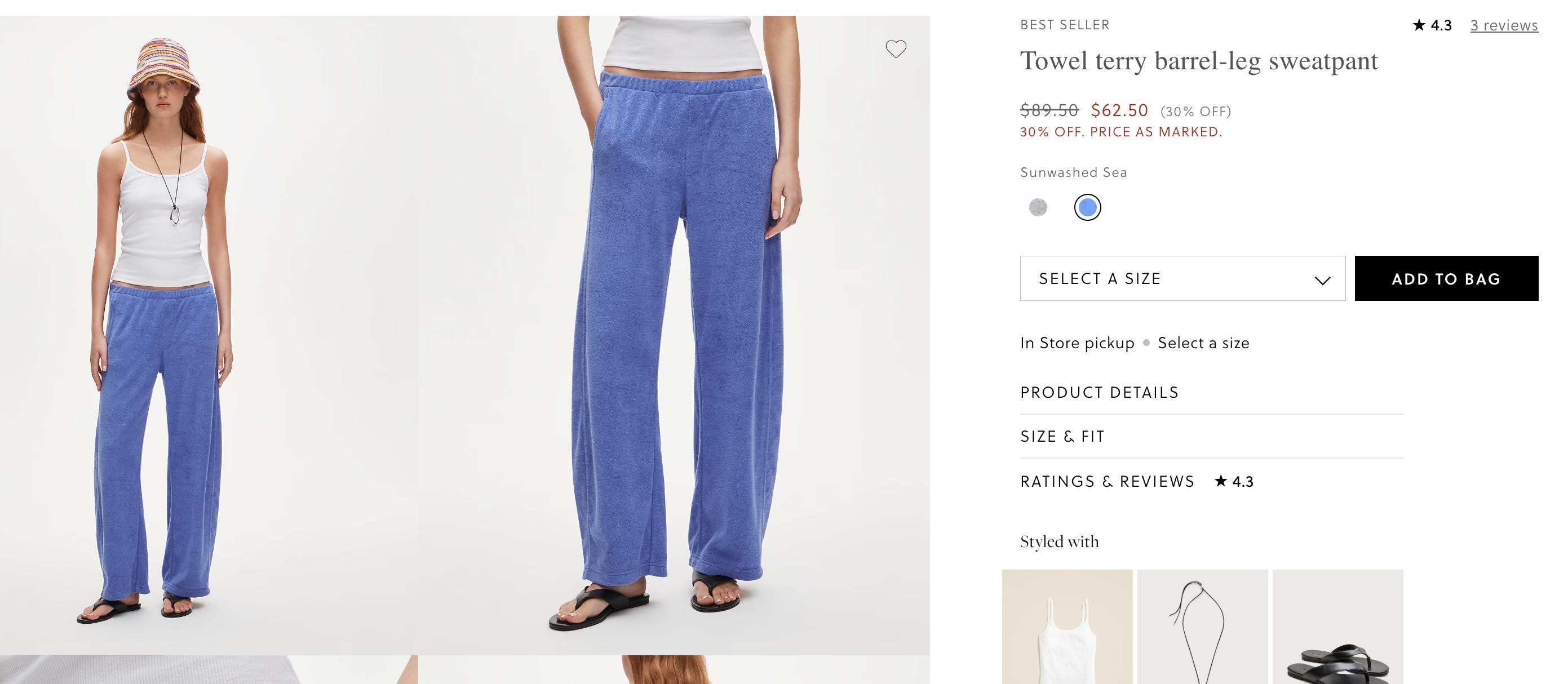
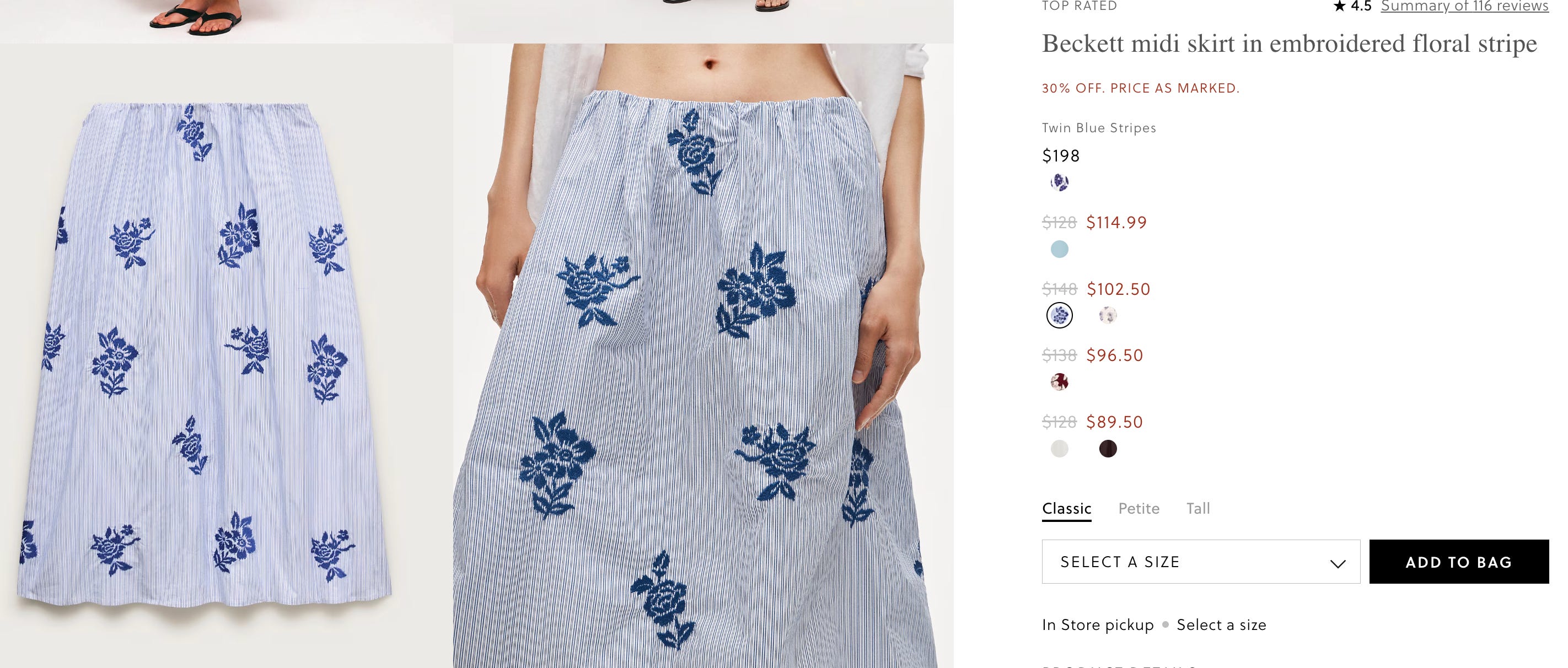
I saw a few things that had potential. I saw a sheer sweater that looked appealing, but when I saw it was a poly-cotton blend, I was leery of what it would feel like in my hands. My mother owned a yarn store. She will always be the first to tell you, plastic is not yarn. Plus it was $130. No, no sir. Not for that. As I scrolled, I scanned for signs of life from the resurrected original spirit of the brand and found more flimsy facsimiles of their former aesthetics. But as I looked more closely at individual items, my dismay turned to anger. A flat-cut skirt with no pockets for $200? A thin, corded drawstring to hold up every pair of pants? This was a 1000-level sewing class, not J.Crew. And it was all overpriced, and most of it was on fire sale.
What a drag. I’m never rooting for anyone to fail; it’s a waste of my energy. But often when brands go under, I feel nothing. In this case, it’s such a huge bummer to watch J.Crew cling to life with these sorry excuses for essentials, seemingly entirely unaware of what people like to wear in 2026, and living on the reheated nachos of their former glory until another private equity firm deals the final death blow to their name. They are going out with a whimper, grimly, and making a ton of fast fashion slop in the process.
Mara Hoffman famously closed her namesake label because she couldn’t see a way to make clothing ethically in our current climate. As I’m sure you’ve heard, the fashion industry is the second largest polluter in the world, and she couldn’t in good conscience keep adding to the problem, even if her clothes were made as ethically and sustainably as humanly possible. If for nothing else, J.Crew should call it quits because no one is benefitting. Their sales continue to decline (no surprise there), the harm outweighs any possible benefit, and most importantly: THIS IS NO ONE’S DREAM. I’m not voting to shut down someone’s Etsy shop for low sales. This is a brand that has seen its best days.
J.Crew, this is embarrassing. No one wants your slop. If for no other reason than to eliminate the thousands of tons of toxic chemicals and greenhouse gasses you’re creating every year, just let it die.
No posts
Comments
Nothing yet. Say the first thing.
Sign in to join the conversation.