Should we be scared of China's surpluses?
In the early twentieth century, xenophobic fears of the “Yellow Peril” — Asian immigration to the west — led to the US Immigration Act of 1917, barring immigration from China and other Asian nations.

Writing about econ and philosophy: "The worst of doing one’s duty was that it apparently unfitted one for doing anything else" - Edith Wharton
Live Last read · last published · next check
In the early twentieth century, xenophobic fears of the “Yellow Peril” — Asian immigration to the west — led to the US Immigration Act of 1917, barring immigration from China and other Asian nations.
After a typically dark and damp winter in Oxford focused on every sane economist’s least favorite of topics — business cycles — the last two months have treated my vampiric flesh with feeling the sun and feeling the AGI.
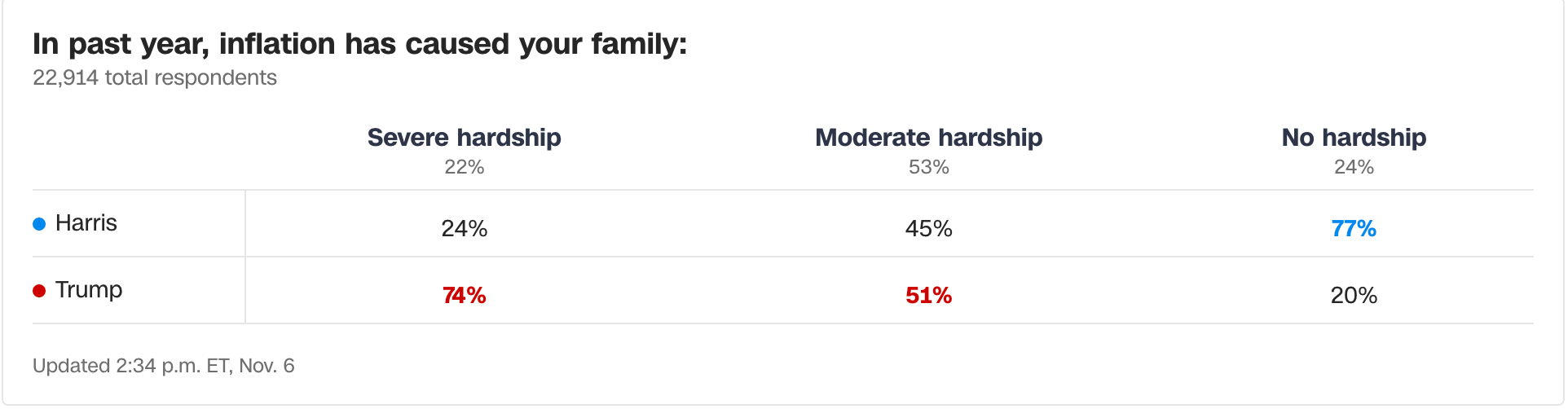
I began writing this post the morning of Wednesday November 6th 2024 — the morning after the US election, where Donald Trump won a reasonably close yet nonetheless resounding victory over Kamala Harris.
There was a flurry of recent discussion around the Biden-Harris proposal to tax unrealized capital gains, probably best summarized by this “special edition” of the (always excellent) “Best of Econtwitter” substack.
Seven years ago, Thomas Piketty’s Capital in the Twenty-First Century landed on coffee tables across the English-speaking world.