
ブラウザ等の自動翻訳機能をご利用の場合、英語・日本語それぞれの表現やニュアンス、文化的背景などが十分に反映されない場合があります。特に剣道用語や感覚的な表現については、意図とは異なる形で伝わることもありますので、あらかじめご了承ください。
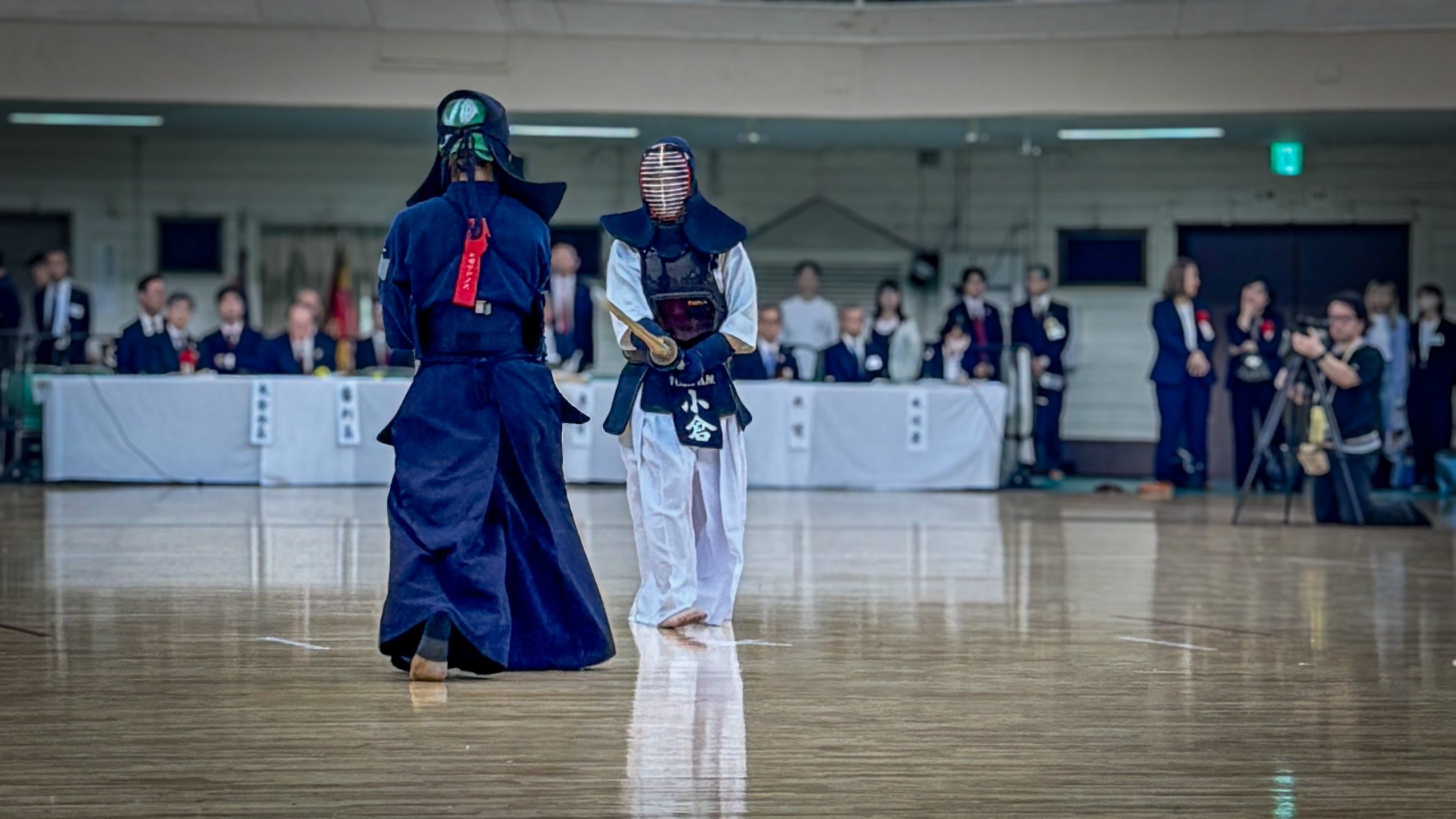
I recently read an excellent article by Andy Fisher on his insights as a 1shinpan (i.e., judge) at the recent European Kendo Championships in Podgorica, Montenegro. Though I had “restacked” it and left a brief comment, I still found myself reflecting on one part of the article that deserved a little more Substack space. The following thoughts are not a critique or an alternative perspective, but simply an addendum inspired by what he wrote.
The conclusion in particular stood out:
But above all, we (i.e., shinpan) are there to protect the integrity of the match, ensuring that the competitors have every opportunity to demonstrate the very best kendo they can. When making judgements, we should consider the ‘flow’ (Nagare 流れ), considering not only the result of an action, but also the cause.
I think this captures something fundamental about good judging. But, more importantly, it also reminded me of discussions I have heard and interpreted at international shinpan seminars in Japan, where not only is nagare is important but it is closely connected to ideas such as kōbō (攻防), the offensive and defensive interaction between competitors, keika (経過), the sequence of events leading to an exchange, kikai (機会), recognizing and judging the right opportunity, taiōryoku (対応力), the adaptability required of the judge, and ultimately tenkai (展開), the way the contest continues to unfold. Together, these concepts remind us that good judging is not about evaluating isolated moments, but about understanding actions within their proper context.
This way of thinking extends well beyond deciding whether a strike should be awarded. Every decision influences what happens next. An ippon is not only just a point awarded, but it changes the rhythm of the match. A hansoku (i.e., penalty) changes it as well (an example is noted in the article). Even when no point is awarded, competitors immediately adapt their tactics and decision making in response to what has just occurred. Judges are therefore not simply observing the contest. Their decisions become part of the match itself, helping shape its development (tenkai) while ensuring that both competitors have every opportunity to demonstrate their best kendo.
What interests me most is that this process works from the micro to the macro. A judge’s decision affects a single exchange. That exchange influences the development of the match. The match influences the competitors. Competitors influence how kendo is practiced in the dojo, and collectively those experiences shape the future of kendo.
Perhaps this is why the saying, “When judging improves, matches improve. When matches improve, kendo improves,” remains such an important principle within the kendo community here in Japan and always repeated at the seminars I have been to.
「審判が良くなれば試合が良くなり、試合が良くなれば剣道全体が良くなる」
Shinpan ga yokunareba shiai ga yokunari, shiai ga yokunareba kendo zentai ga yokunaru
Good judging is therefore not simply about determining a winner. It is one of the ways kendo preserves its standards while continuing to develop as an art and at the same time hold true to its guiding principles.
Thanks for reading A Sip of the ChikaraMizu(力水)! This post is public so feel free to share it.
I believe sharing is caring, and A Sip of the ChikaraMizu will always remain free. Kendo is a shared experience of lifelong learning. If you find these reflections interesting or they give you food for thought in your own practice, your support will help me continue writing and sharing lessons from my own shugyō (修行).

Thank you!
Throughout this article I use the word judge to translate shinpan (審判). While referee is the more common term in many sports, I have chosen judge because the discussion here focuses on evaluation, context, and judgement rather than rule enforcement alone.
Comments
Nothing yet. Say the first thing.
Sign in to join the conversation.