
Thanks to all the new subscribers who have joined recently. You’ll find global economics, geopolitics and technology, with a different perspective. At times you’ll disagree, maybe get irritated… That’s what the comments section is for; the purpose of this column is to think through these issues together. Welcome on board.
Financial markets are still taking the measure of the new Federal Reserve. It’s quite a change. The three rate cuts late last year had painted a reassuring, familiar picture: a Fed returning to its dovish bias, a Fed that would once again prioritize the labor market, support asset prices, and never disappoint investors.
Kevin Warsh has brought a sudden change. In his first congressional testimony this week, he emphasized that the Fed can and will bring inflation back to target — reiterating the unambiguous message of his first press conference. Warsh’s arrival at the helm of the central bank seems to have revived the spirits of the hawks on the FOMC. In a tough speech at the beginning of the week, Christopher Waller reverted to his traditional hawkish stance after an awkward dovish interlude while the race for the Fed Chair post was still open. Dallas Fed President Lorie Logan said policy interest rates should be higher.
To understand Warsh’s emphasis on inflation, take a look at the chart further down. Post Global Financial Crisis, GDP growth never dipped below 1.6% per year, not far from Fed estimates of potential growth (except for the 2020 Covid lockdowns). By contrast, inflation averaged close to 6% over 2021-23. US citizens have suffered a lot more pain from high inflation than from low growth.
With Warsh refusing to provide guidance on future policy moves, financial markets had begun to price a fair chance of a rate hike already this month, but changed their mind after the reassuring inflation data released last Tuesday: thanks to lower energy prices, June CPI dropped by 0.4%, slowing to 3.5% year-over-year (from 4.2%); excluding food and energy, prices remained flat, and core CPI inflation slowed to 2.6% y-o-y (from 2.9%).
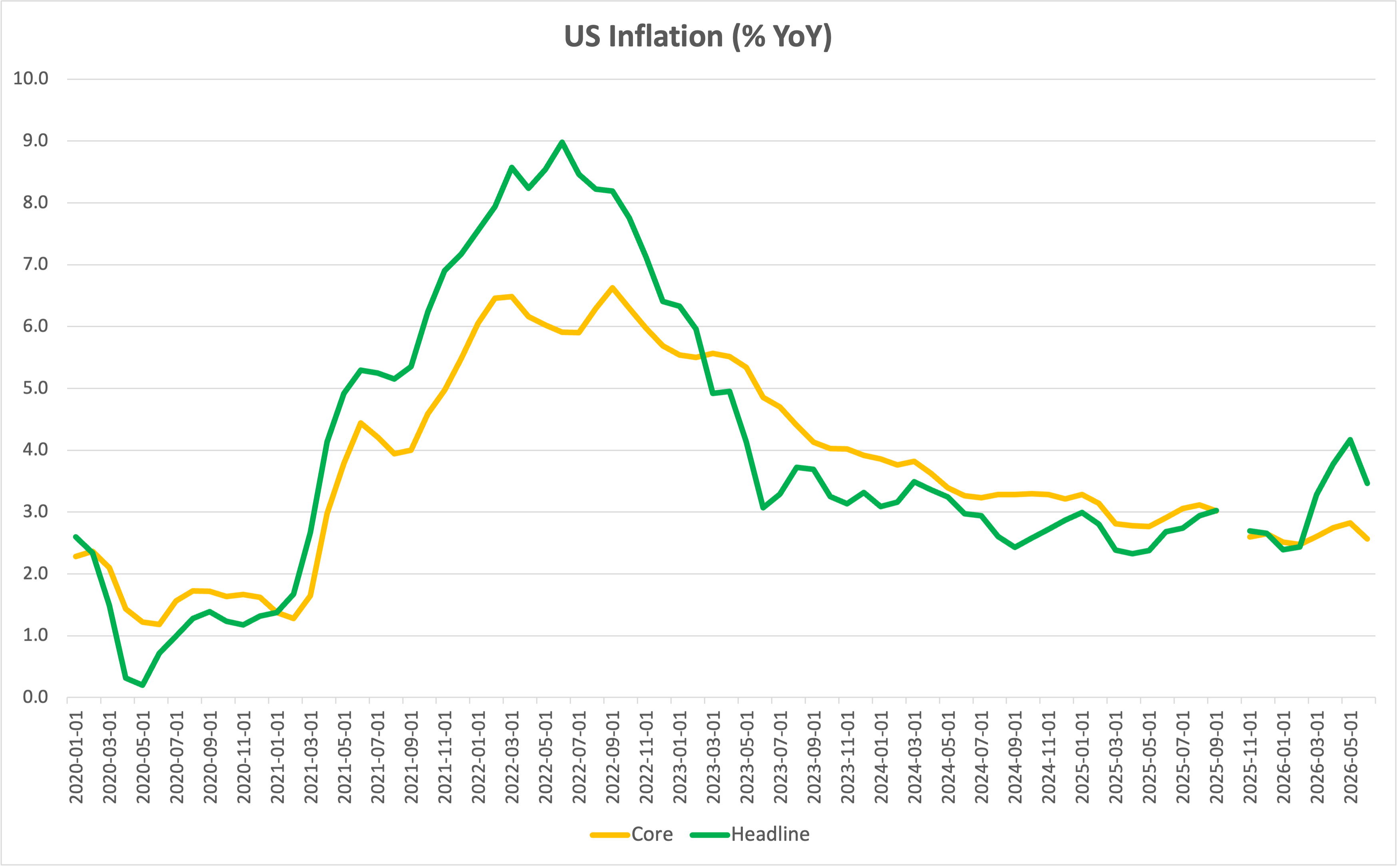
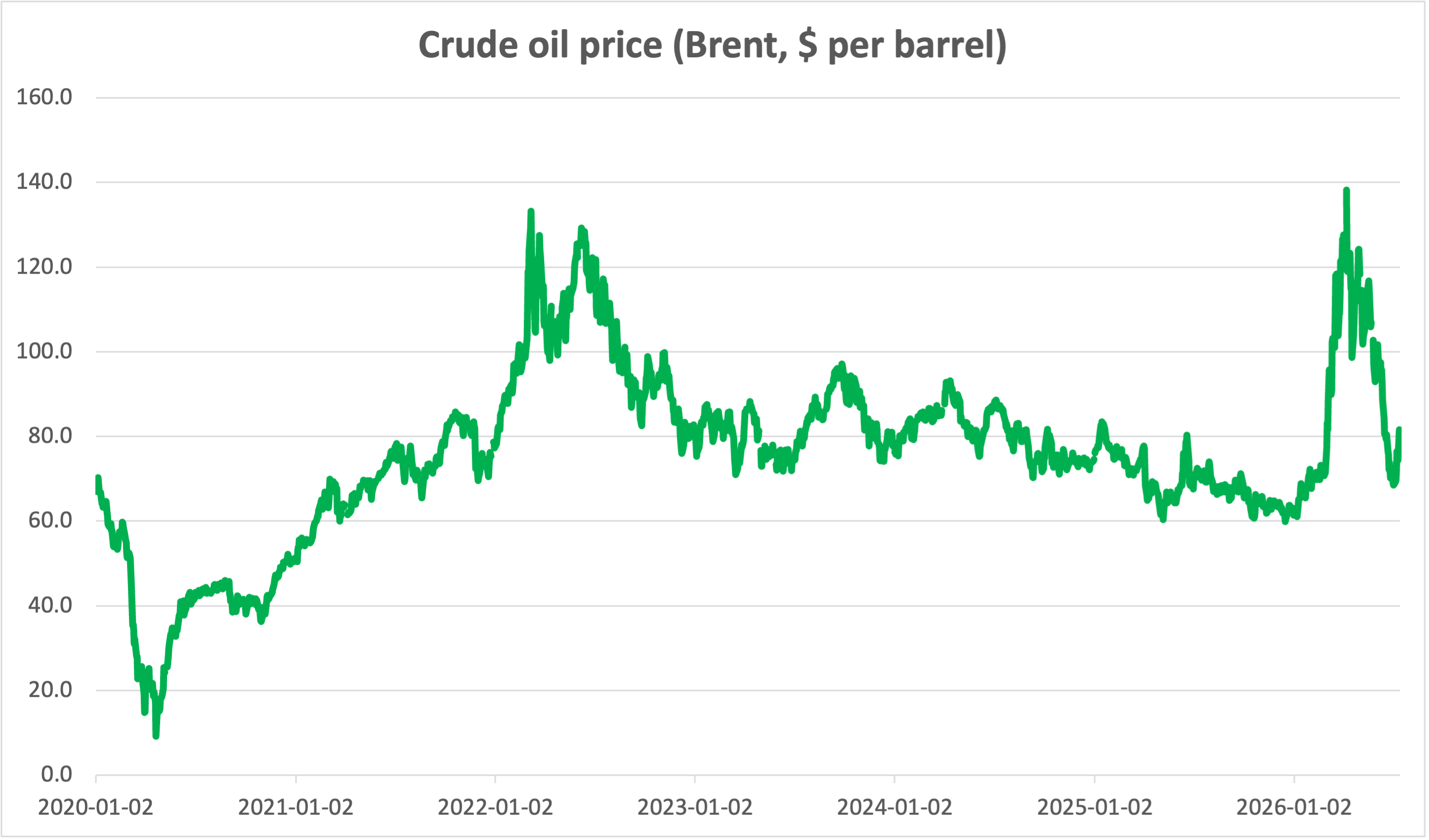
The relief on headline inflation is likely to prove temporary: crude oil prices have rebounded as the US-Iran ceasefire ceased to prevent gunfire on the Hormuz Strait. And we don’t even need a rebound in energy prices to make a case for rate hikes: headline inflation at 3.5% means the real policy rate is about zero, so it’s hard to argue that monetary policy is in any way restrictive when unemployment is low, fiscal policy remains loose, AI investment keeps surging, stock markets keep flying high and inflation has been above target for five years. The September-December 2025 rate cuts were at best an insurance policy that proved unnecessary, and unwinding them would be wise.
Thanks to the moderate June inflation reading though, there’s no rush, and I think the Fed will stay on hold this month. The fact that core inflation remained stable, though, confirms that Warsh is right in wanting to rethink how the Fed assesses economic trends and shapes its communication and its policy — and the high quality of the experts he’s nominated to head the various task forces shows he’s serious about it.
Consider:
Last April, the International Energy Agency warned that we faced “the biggest [energy] crisis in history.” We should have expected a 1970s-style stagflation; instead US growth kept humming along just fine, with a moderate uptick in headline inflation, and even Europe and Asia, more dependent on energy imports, have managed to muddle through. Stop-gap measures like the release of oil reserves helped, but the bigger lesson is that the global economy proved a lot more resilient than expected, rerouting and redistributing supply and adjusting demand.
In an era of knee-jerk sensationalism, the Fed should (1) get a better understanding of growth and inflation dynamics, including through better data; and (2) avoid engaging in a communication game that always ends with financial markets demanding an oversized policy response. This will become more and more important as innovation keeps reshaping our economy.
The related lesson is that when it comes to growth and inflation, the biggest threat comes from policy mistakes.
in our more uncertain and fast-evolving world, policymakers need to switch to a less interventionist risk management strategy.
In the immediate aftermath of the global financial crisis, monetary policy-making became dominated by a paranoid fear of deflation. Yet US CPI inflation averaged 1.6% per year between 2010 and 2016, just a bit below target. GDP growth meanwhile averaged a very respectable 2.3% per year, peaking at 2.9% in 2015, when inflation was just 0.1%.
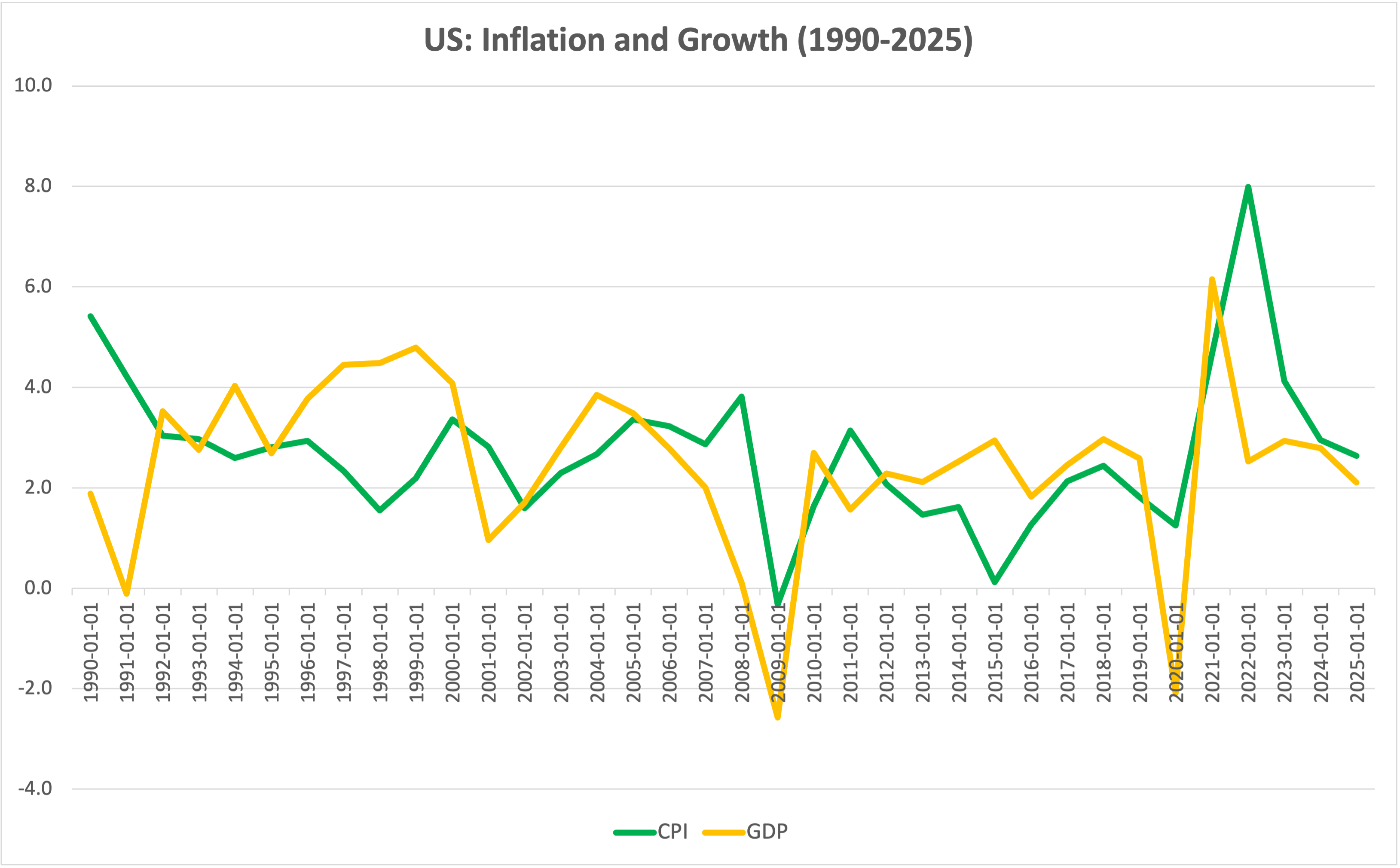
The real trouble came with the ill-advised shutdowns of entire economies during Covid, followed by a reckless persistent expansion of fiscal and monetary policy — a combination of policy errors that wreaked more damage than most exogenous shocks.
One key conclusion stands out, in my view: in our more uncertain and fast-evolving world, policymakers need to switch to a less interventionist risk management strategy. Over and over again, market economies have demonstrated a remarkable degree of resilience and adaptability. The U.S. is a case in point, surmounting repeated shocks and defying recurrent recession fears. Market economies can self-correct with much greater speed and flexibility than governments. Policy makers should intervene less, and they should think more before they act.
You know what to do: share this post. Now.
I am worried that the trend keeps moving in exactly the opposite direction. Emboldened by the rise of populist pressures among voters, governments want to do more. Experts often add fuel to the interventionist fire. The latest example is the “We Must Act Now“ open letter, where distinguished economists and technology leaders call for policymakers to intervene immediately to set AI on the right path. The letter stops short of indicating what policymakers should actually do, other than a vague “build the incentives, guardrails, and institutions needed to steer AI in a direction that complements humans and benefits society.” A ‘motherhood and apple pie’ call to action.
We do not yet have a good enough understanding of how AI will evolve to determine what actions might be appropriate. “We don’t know what to do, but we must do it now” is hardly a sensible recommendation, and it’s a very dangerous one when addressed to governments with a track record of heavy-handed and ill-considered interventions. We’re talking about the same policymakers that botched the pandemic response in spectacular fashion, causing major long-term damage to economies, incentives, and learning outcomes — do we really want to urge them to save us from another supposed existential threat?
Monetary policy is in a good place. Inflation needs to be brought back to target, but does not seem at risk of spinning out of control. The economy is growing at a healthy pace, even if with multiple vulnerabilities and some irrational exuberance on AI investment. Fiscal policy poses a much bigger problem, as hard trade-offs on spending and taxes need to be addressed. Energy, healthcare and defense hold another set of complex challenges.
A rethinking of Fed strategy could set the example for a more humble and restrained approach to policymaking: less is more, and understanding must precede action. In this fast-evolving world, interventionist governments are their own worst enemy — and ours. First, do no harm.
Comments
Nothing yet. Say the first thing.
Sign in to join the conversation.