
New Posts Weekly!
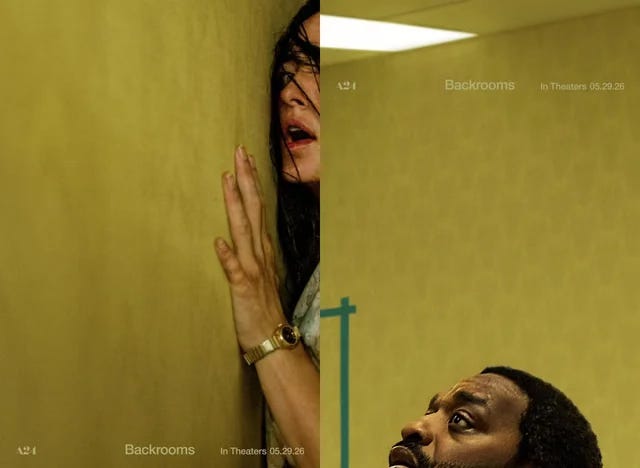
The owner of a furniture store finds a secret doorway that leads him to an endless stretch of rooms. When he disappears, his therapist ventures into the unknown to rescue him.
Directed by Kane Parsons
Backrooms is incredibly psychological and is a thesis on a human psyche and the unhealed self. When we refuse to face our internal wounds and shadows we get stuck in a loop. Hence, Clark's costume of a pirate captain with his eternally turning wheel to steer his ship. We live the pain over and over hitting these endless paths and dead
ends while we complain endlessly about the state of our lives.
Let’s begin with the color theory of the film!
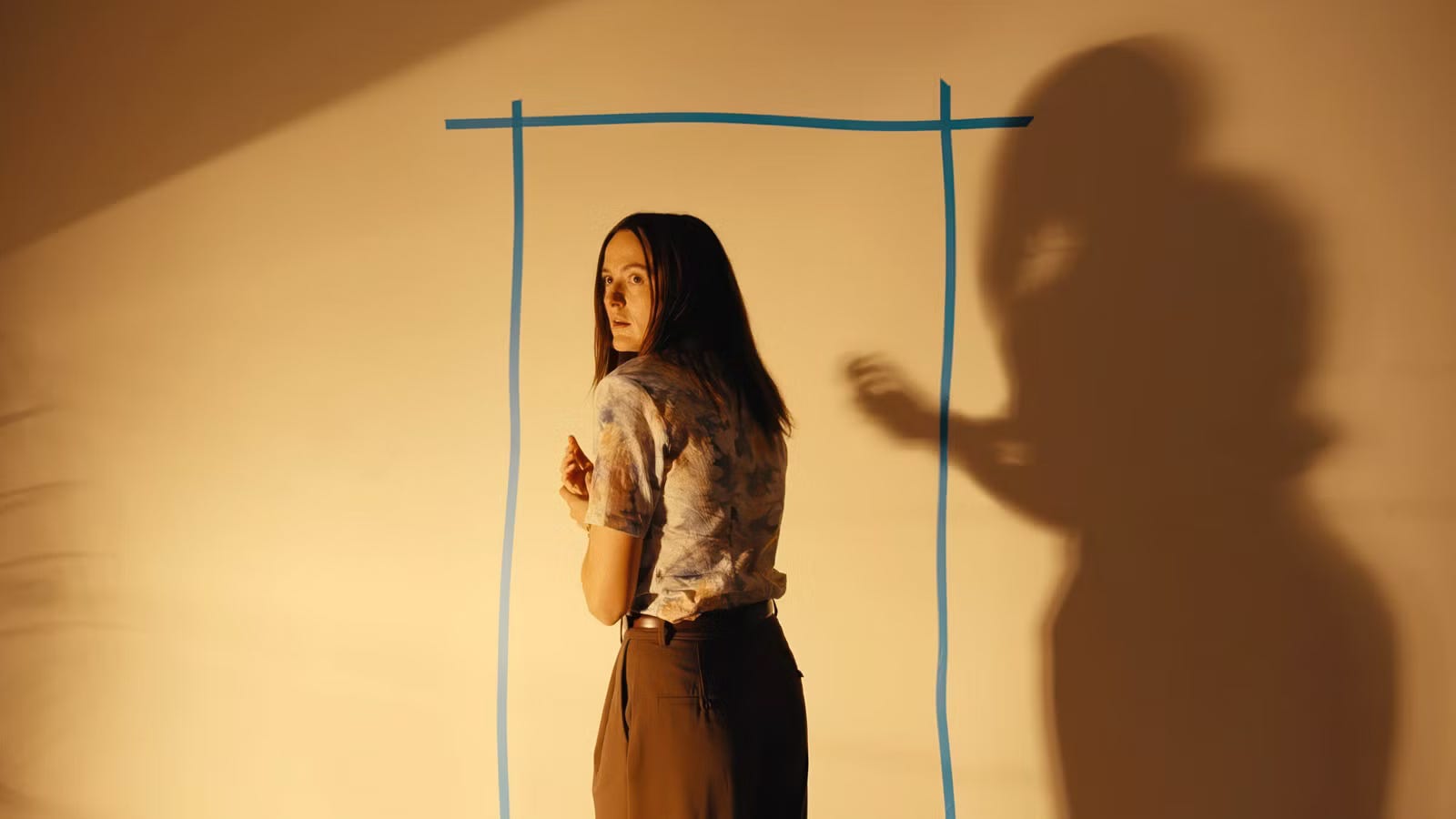
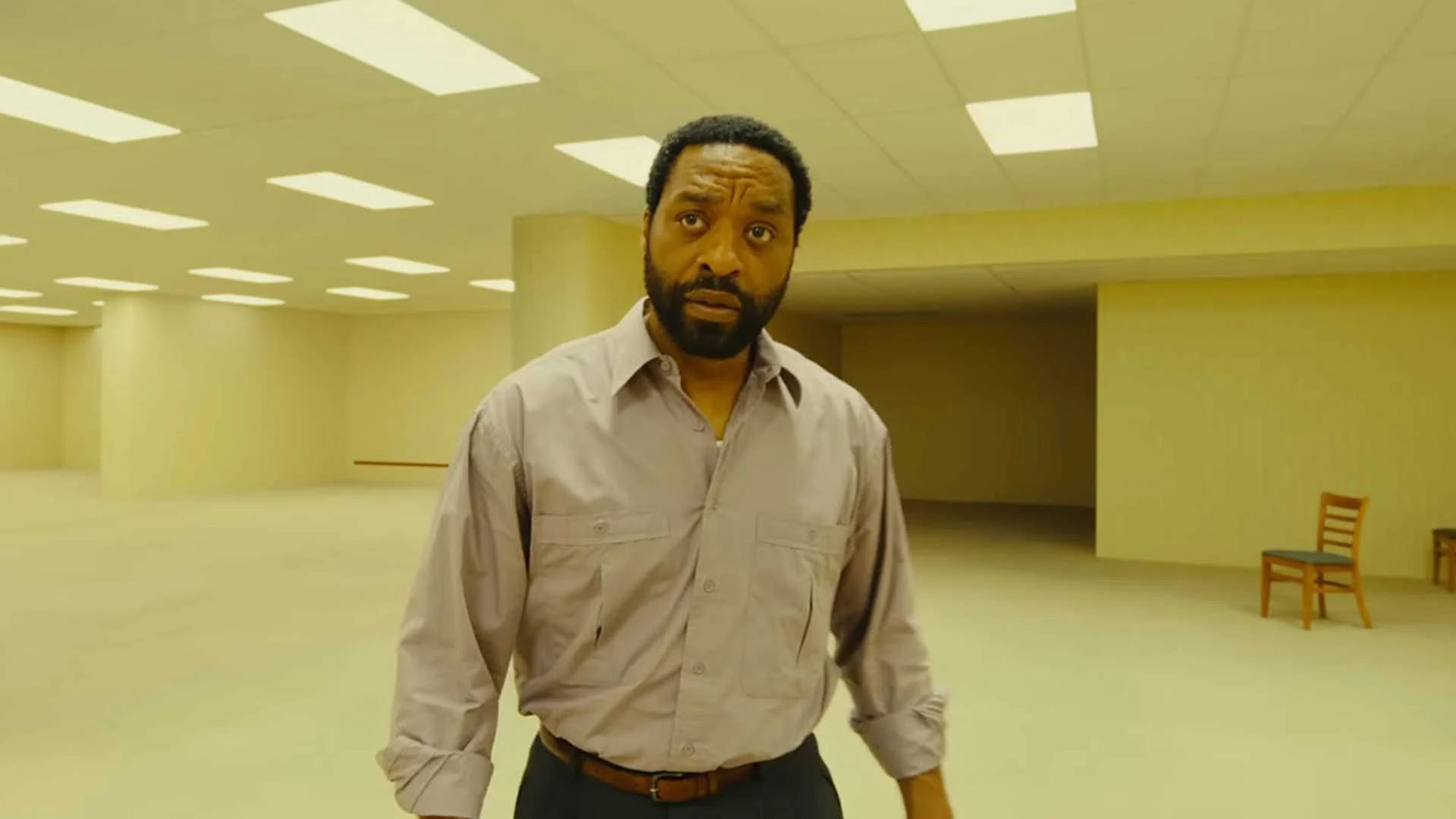
Yellow = The Everyday World / Starting Point
Blue = The New World (What the Hero is Up Against)
Red = Wounds / Danger
Specifically for Backrooms, the color yellow represents the mask we wear to survive and cover up our internal traumas. Blue represents the shadow or journeying towards the truth. Notice the color that Clark wears in therapy and while he explores the backrooms: he's in purple, which is a combination of blue and red. So in this new world, he's journeying towards his shadow and his truth meets is a pain point.
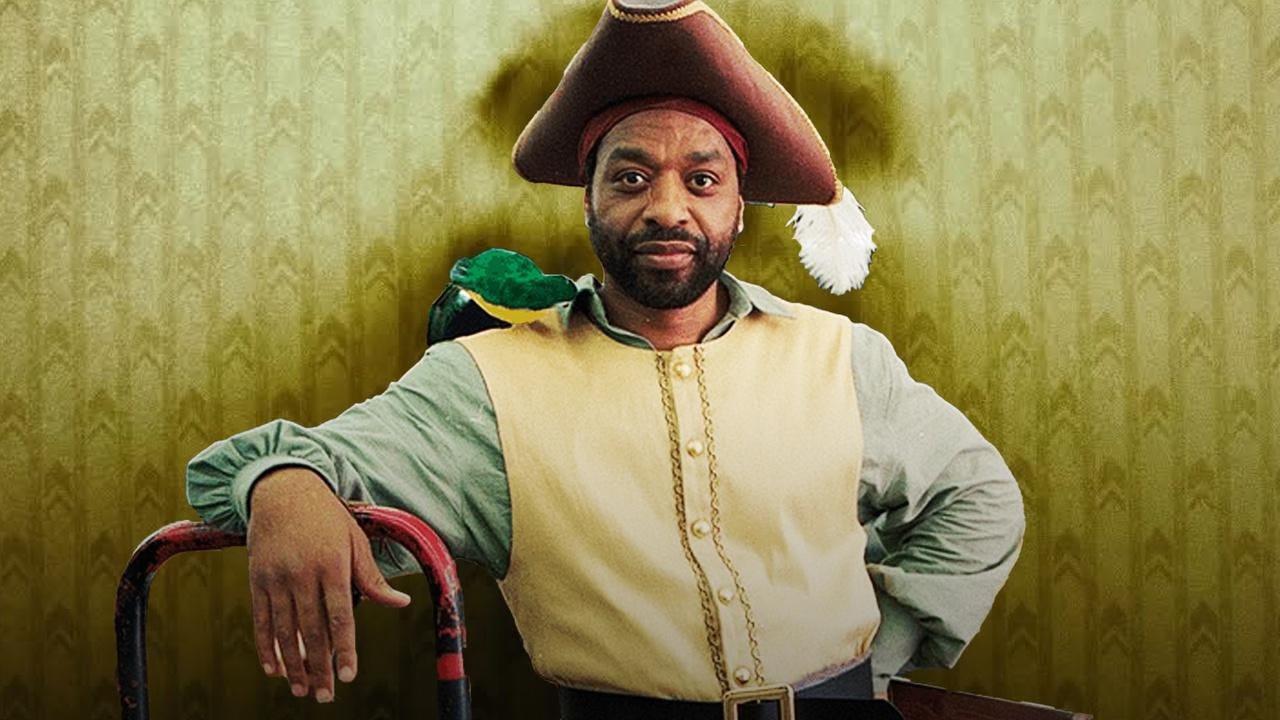
And a major color that we see in Clark's furniture store is green — a combination of him wearing his mask to the world (yellow) and hiding his truth (blue). And the furniture in and of itself is symbolic; because like furniture to a house, we dress ourselves all up to present something to the world. But like therapy, we demolish the presentation and look a bit deeper.
So when Clark kidnaps Mary to the backrooms and forces her to role play his wife the night of the conflict where his soul got stuck, he introduces her to these disfigured human-like beings who have made a home in the backrooms. And Clark says they're free.
“No pain, no worries, no fear.”
But like the way everything here is slightly off and mirrored, Clark's got it all backwards. Getting hurt, making mistakes, having regrets, that's living.
And the most interesting thing I've ever seen on film thus far happens when Clark shows Mary that these humanoid beings are edible. He rips a guy's belly open and stuffing comes out. Which is why everything looks so old. They're literally stuck in the past where their souls are.
So, these characters are walking dead within their lives. They’re decorative, not partaking — they’re furniture. So both Clark and Mary weren't making a home in their daily lives. They were just filling their homes like furniture. Sunken beings like the furniture in the backrooms. Sunken like the handprints Mary and her mother made in the cement when she was a child: it's representative of Mary's subconscious that lays beneath her childhood trauma.
So for me, this film was so full and complete and it left me with so much to digest while crawling through the human psyche and the broken mind. Which all makes sense because in watching the film, going through the backrooms was in itself disorienting to the mind.
If you’d like to dive into the character dissections below this point, please become a paid subscriber! Posts are made available to the public three weeks after posting date.
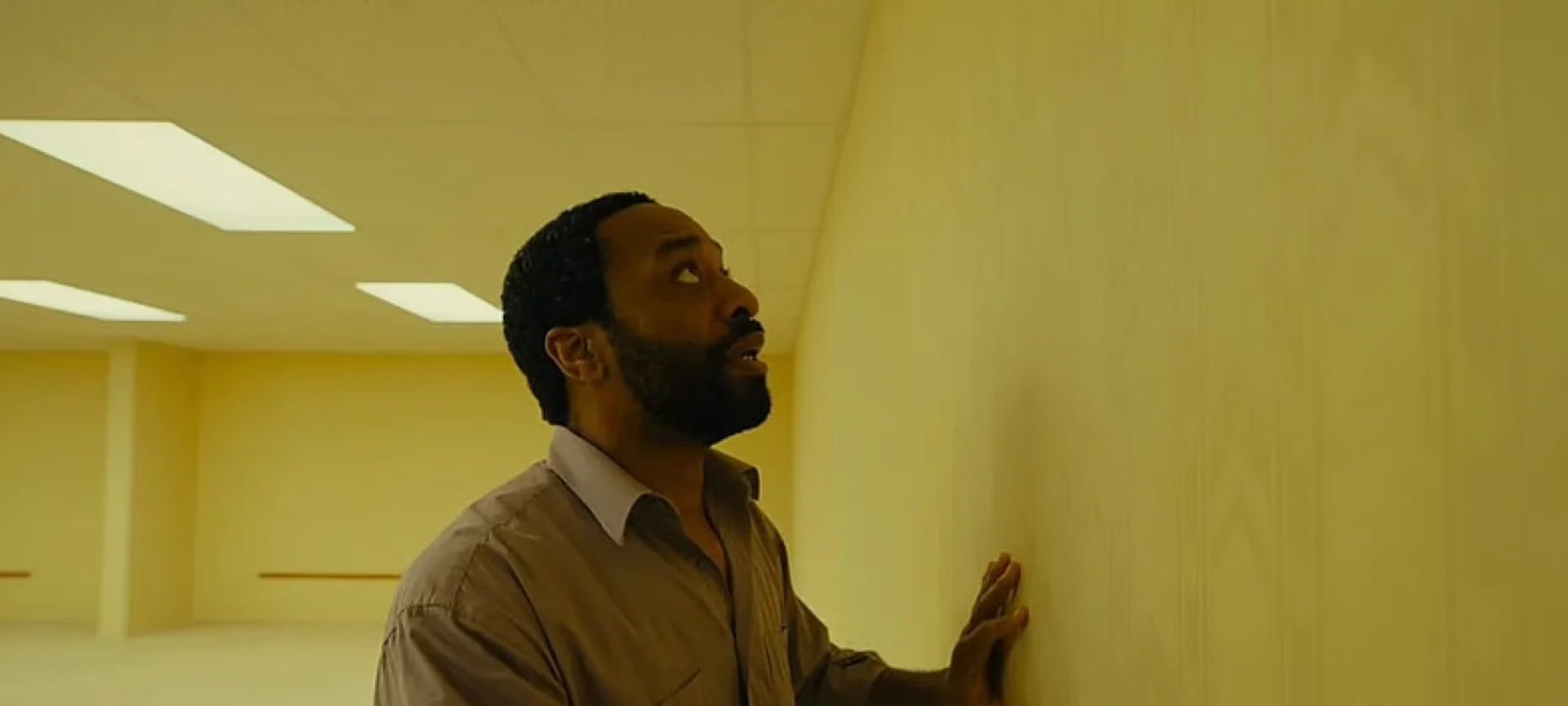
We meet Clark in therapy with Mary because he has an undercurrent of rage from being kicked out of the home by his wife. He feels he fully supports her, carries the financial weight of the family all on his back on his own, and that she essentially has no right to have standards of him. So the night that causes his unsolvable wound — his internal turmoil — is when he comes home drunk, “breaks a glass”, and is kicked him out of the home by his wife.
And so now, Clark lives in a furniture store that he owns above the backrooms.
All alone.
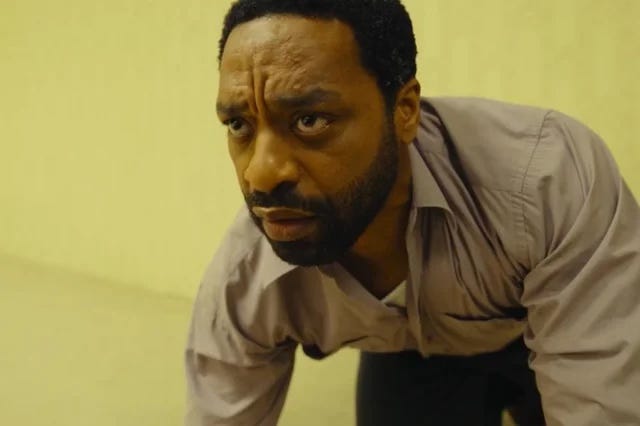
There's a theory online that when we meet the backroom's version of his wife, she approaches him holding her head. There's a hypothesis that what he leaves out of his story, and maybe misremembers to salvage his own sanity and justify his own feelings, is
that he physically abused her, which I think is pretty interesting.
But while Clark is leaving his shadow unaddressed and unhealed, his shadow owns and lives in the backrooms beneath while he owns and lives in the furniture store above. And it's literally a vertical line of consciousness. Think about what home furniture means: proof of life lived. A reflection of your taste, lifestyle… family. It's
a reflection of your mental state. So when we visit Clark’s furniture store, it's full of these random pieces that have no meaning. His store is empty. Soul-less. It’s Clark.
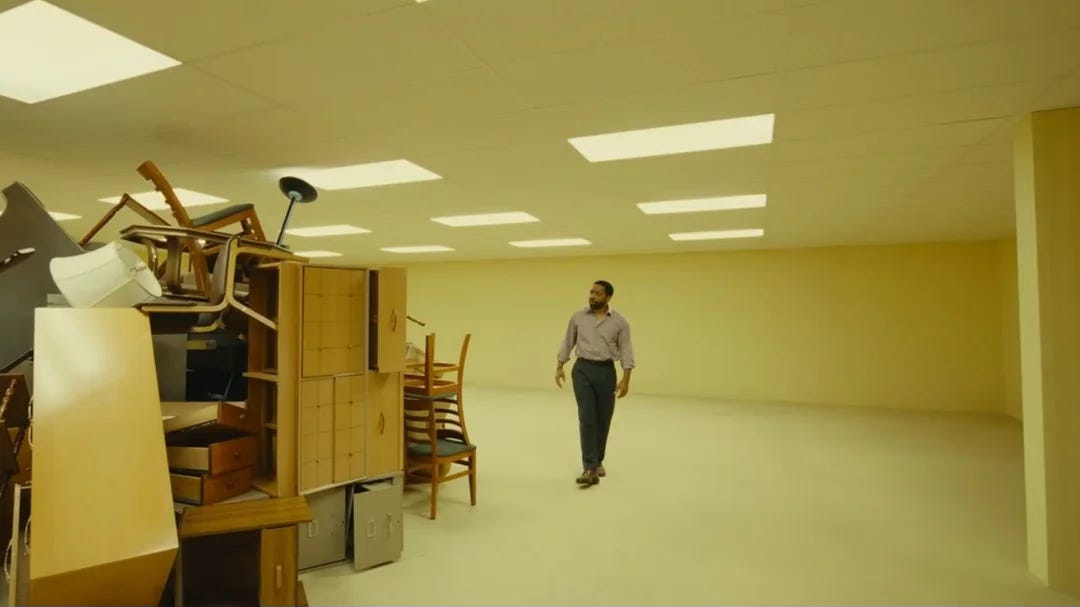
Until Clark discovers the backrooms. As soon as he penetrates that threshold, he is welcomed by a clutter of furniture right at the door. Though he presents to the world that he’s this clean up, well to do guy, beneath the surface… into the consciousness…
he has a mountain of mess he has not yet — and refuses — to work through, even all while in therapy.
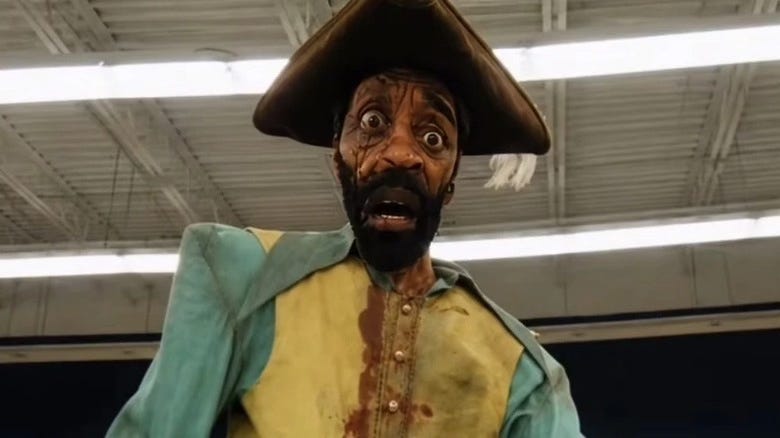
So meeting his shadow is his biggest fight: himself. But his shadow / his monster doesn't just stay within him. Mary has to fight the shadow. His two young employees who were in love with each other were murdered by his shadow — and that's the entire point. You don't realize how your unhealed mess harms others. I would even go as far as to say that watching the couple be young and in love was probably triggering for Clark, which is why (he) killed them. It's also probably why he insisted the boyfriend go further into the backrooms: so his shadow monster would punish someone who reminds him of his earlier innocence.
And that whole ordeal about his wife is left ambiguous with reason, right? The backrooms is a liminal space that misremembers, but reflects your shadow and your consciousness. What you see is all incorrect and just a little bit off. So I thought it was deeply interesting that Clark wanted to make this space a home.
Clark wants to stay here where everything is incorrect because who he is upstairs and to the real world is all wrong and he’s constantly challenged by that. Down in the backrooms, he gets to live in the lie. And without this incorrect, slightly off, misremembered story he keeps telling himself — the story that he survives on —
he'll die.
And so when Mary, his therapist, encourages him to change, he physically can't.
And that is precisely the moment where his own psyche eats him alive.
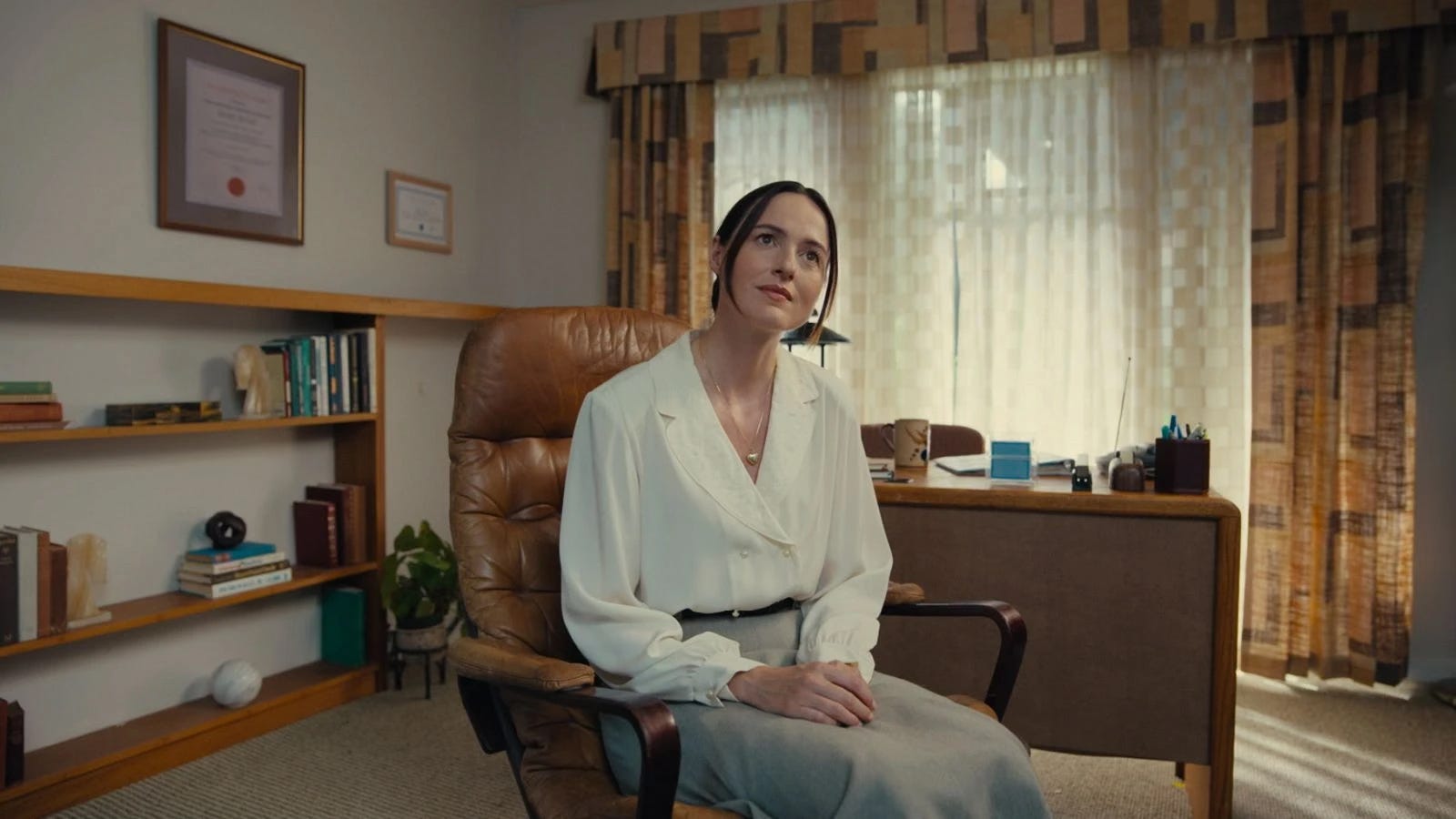
Mary role plays with Clark to help him work out the conflicts of his mind and deeply internal unsolvable wound: the night his wife discovered him drunk, full of rage, and thus kicked him out of their shared home. And Mary makes Clark see that he rejects everyone before he gets hurt. Thus, he’s all alone.
But when Mary gets home, she too is all alone.
Mary’s internal unsolvable wound is that she was a child to a mentally ill, agoraphobic mother who had a deep fear of going outside. And thus prevented Mary from doing so. So, Mary’s childhood home reflected her mother’s mental illness hoarding, stacking furniture and covering windows with newspapers to block all the windows. Hence her therapeutic philosophy, “open the window”, as a metaphor for clearing out the mess of your mind towards clarity.
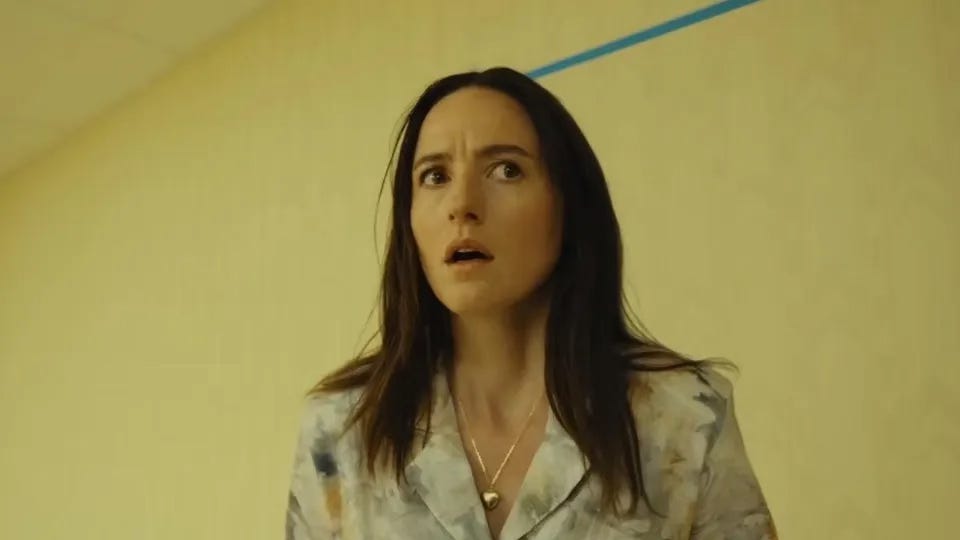
Mary didn’t need the backrooms (a liminal space that reflects all of your unhealed shadows) because in an essence, her childhood home was the backrooms.
As an adult, Mary watched her childhood home be demolished, but kept a piece from it: a slab of concrete that she and her mother sunk their hands in when she was a child.
The concrete represented the wound weighing her down all throughout her adult life and her not letting it go. She literally carryied it everywhere with her .
Clark made the backrooms a home because he didn’t have one, and Mary’s back rooms were already lived in. Mentally, she’s still that child stuck in her mother’s home.
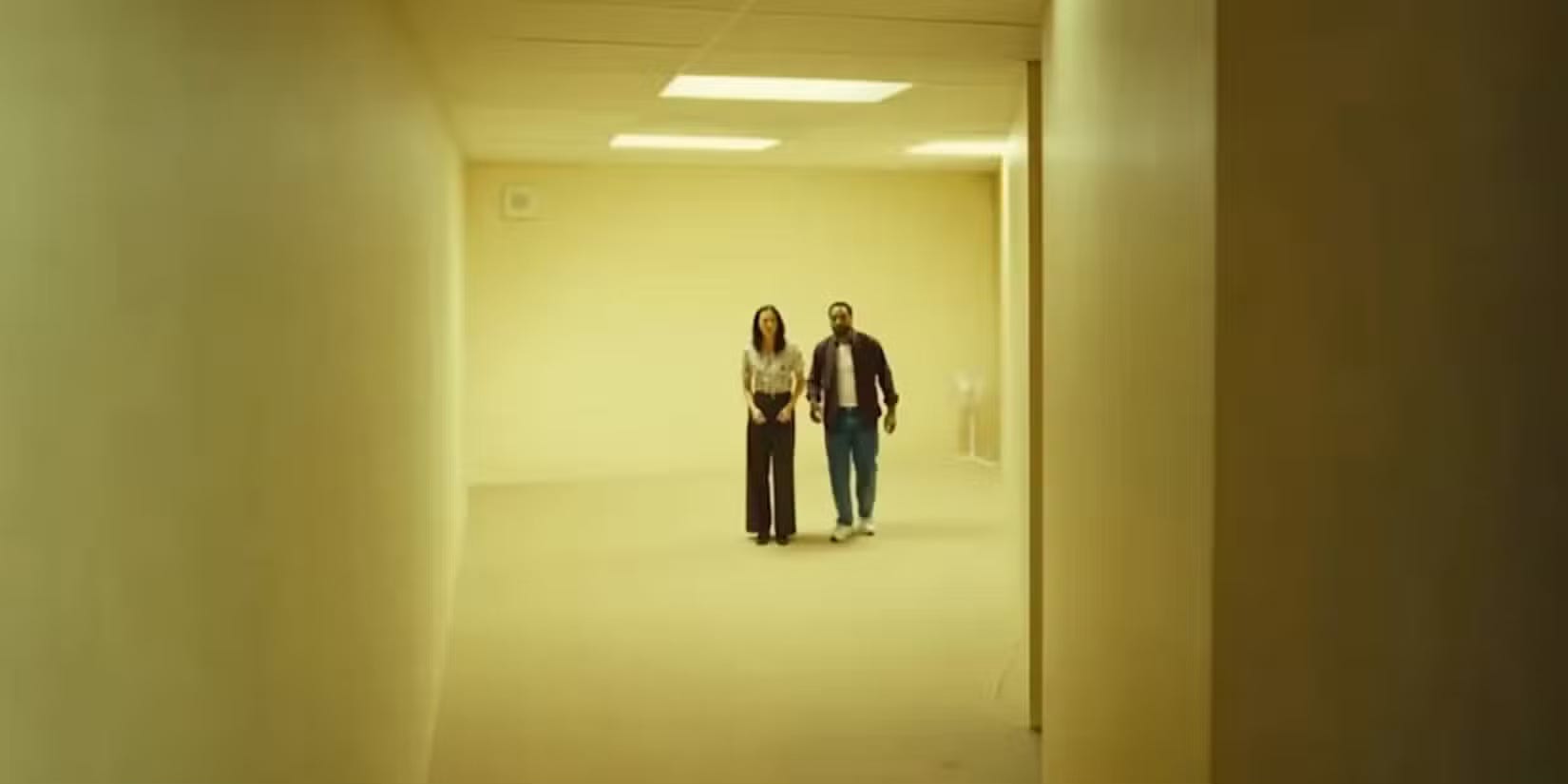
However, when Mary enters the backrooms, she runs into Clark’s unhealed shadow: a monster that kills. And in this space, the role (play) is quite literally reversed.
When Clark makes Mary the night his wife kicked him out in the backrooms, she runs into Clark’s completely unraveled mind. This makes her realize that she is unable to save people as she’s been trying to do as a therapist, just like she wasn’t able to with her mother.
And in that moment, it dawns on her: she is not responsible for people’s change.
It’s theirs.
And so she, in her own change, sets herself free. But unlike Mary, Clark is unable to make that change for himself — leading to his and others’ demise.

Mary tries to use the slab of concrete (her internal wound) to kill Clark’s monster, but it doesn’t work. Just when she’s about to escape — when she’s about to open the window — she gets trapped in a scientific lair of handlers that used the mechanics of an MRI brain scan machine to build this place, which has taken a life of its own. And this place makes a misremembering of Mary.
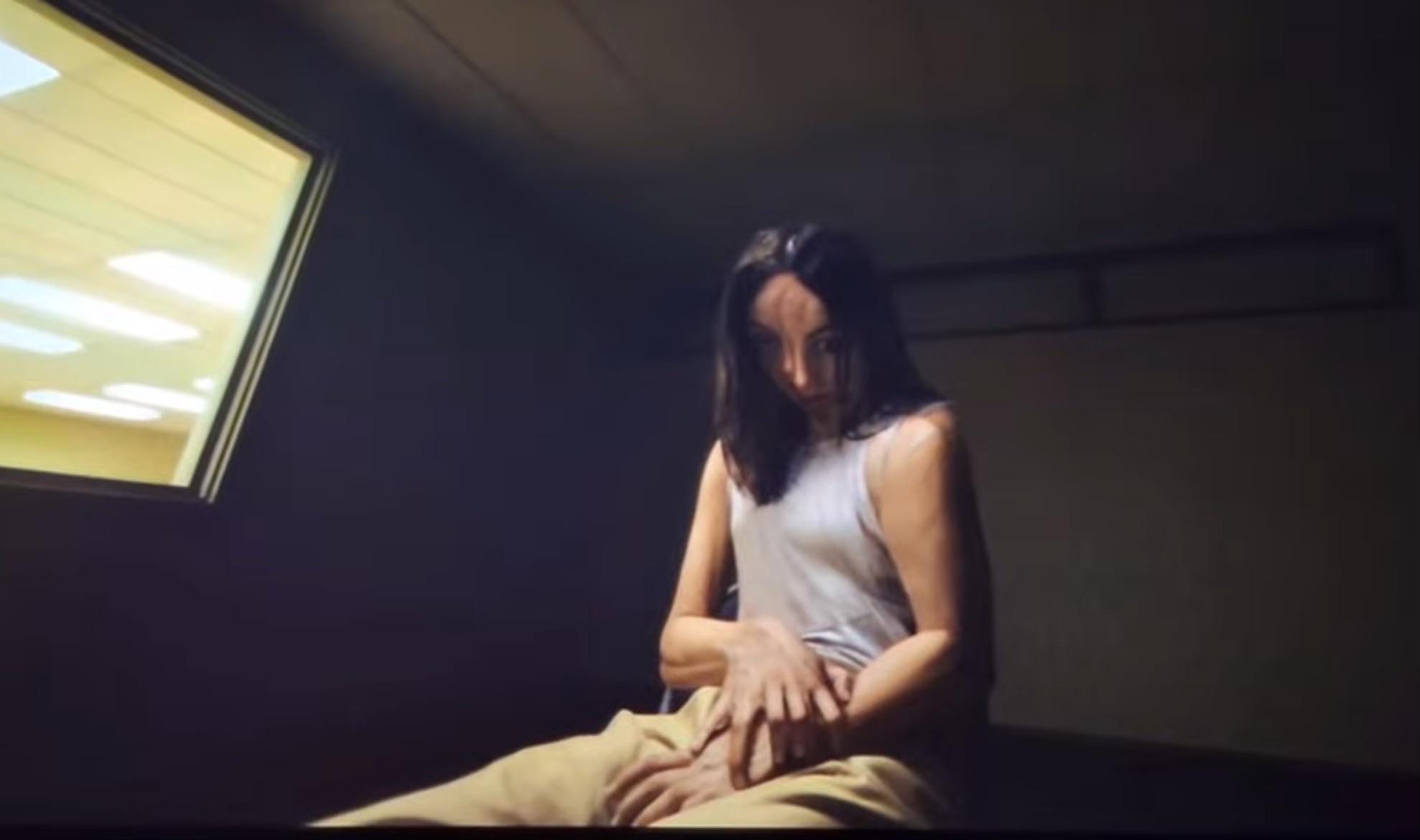
Mary’s self becomes eternally trapped as a disfigured version of herself.
So in the end, Mary and Clark’s ordeal in the backrooms creates an extension of it: a misremembering of their lives as they were doomed in failing to live lives of their own.
x
Latasha
No posts
Comments
Nothing yet. Say the first thing.
Sign in to join the conversation.