
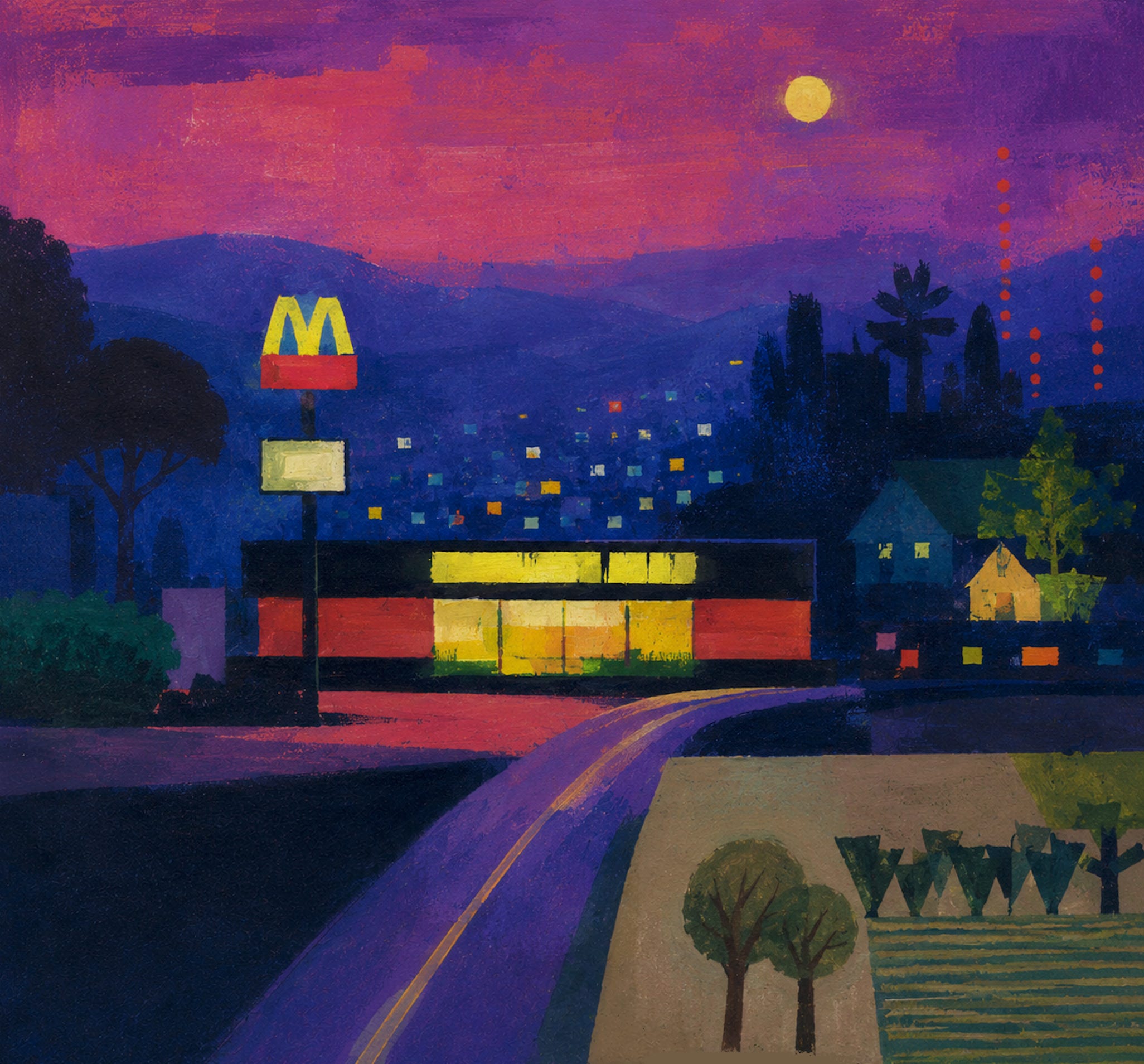
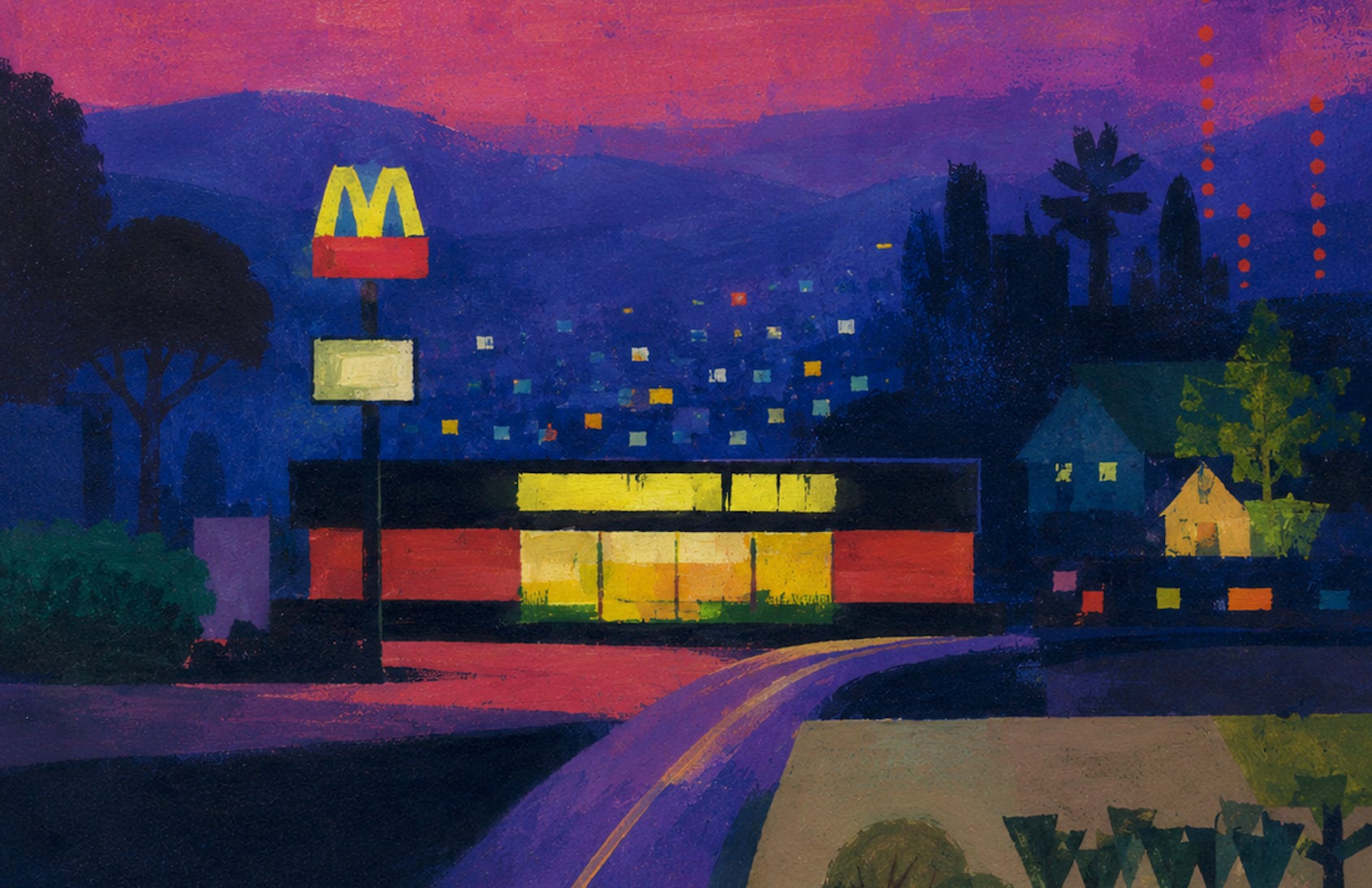
Lately I’ve been thinking a lot about symbols. They’ve always been in my work, but I’m noticing them more now — roadside crosses, telephone poles (which honestly kind of look like another kind of roadside cross), stop signs, railroad crossings, motel signs. Little houses scattered across the landscape, usually yellow, sometimes glowing red, one window lit up like somebody’s still awake in there. And somehow the Golden Arches keep showing up in my paintings too, more than I would’ve expected.
I’m starting to think of this stuff less as objects and more like a language.
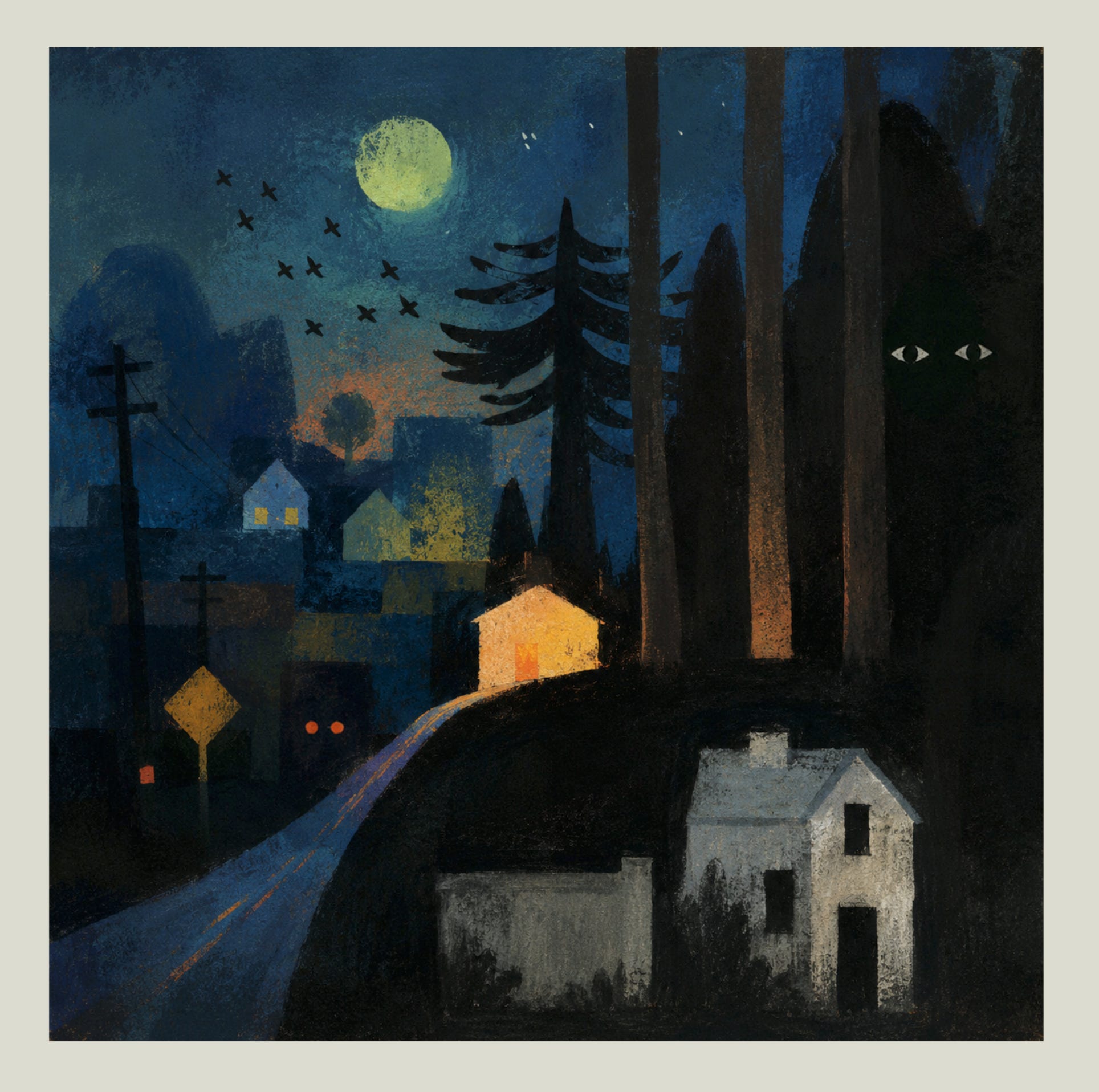
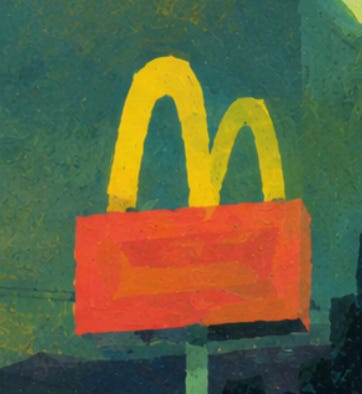
I was fascinated by all this as a kid, looking out the window on long drives. The landscape felt covered in symbols — the yellow centerline running down the highway, reflectors flashing by, arrows, chevrons pointing you around some curve you couldn’t see yet, gas station signs rising above towns you hadn’t reached.
Behind it all were these huge landscapes, fields and deserts and mountains on the horizon. As a kid trying to figure out the world, it felt mythic. Like there were rules to this place I hadn’t learned yet.
Some of that probably goes back further than the car rides. I grew up in a family with Catholic roots, so I was surrounded early on by sacred art and religious artifacts — this whole visual language of symbols standing in for bigger things you weren’t necessarily supposed to fully understand yet.
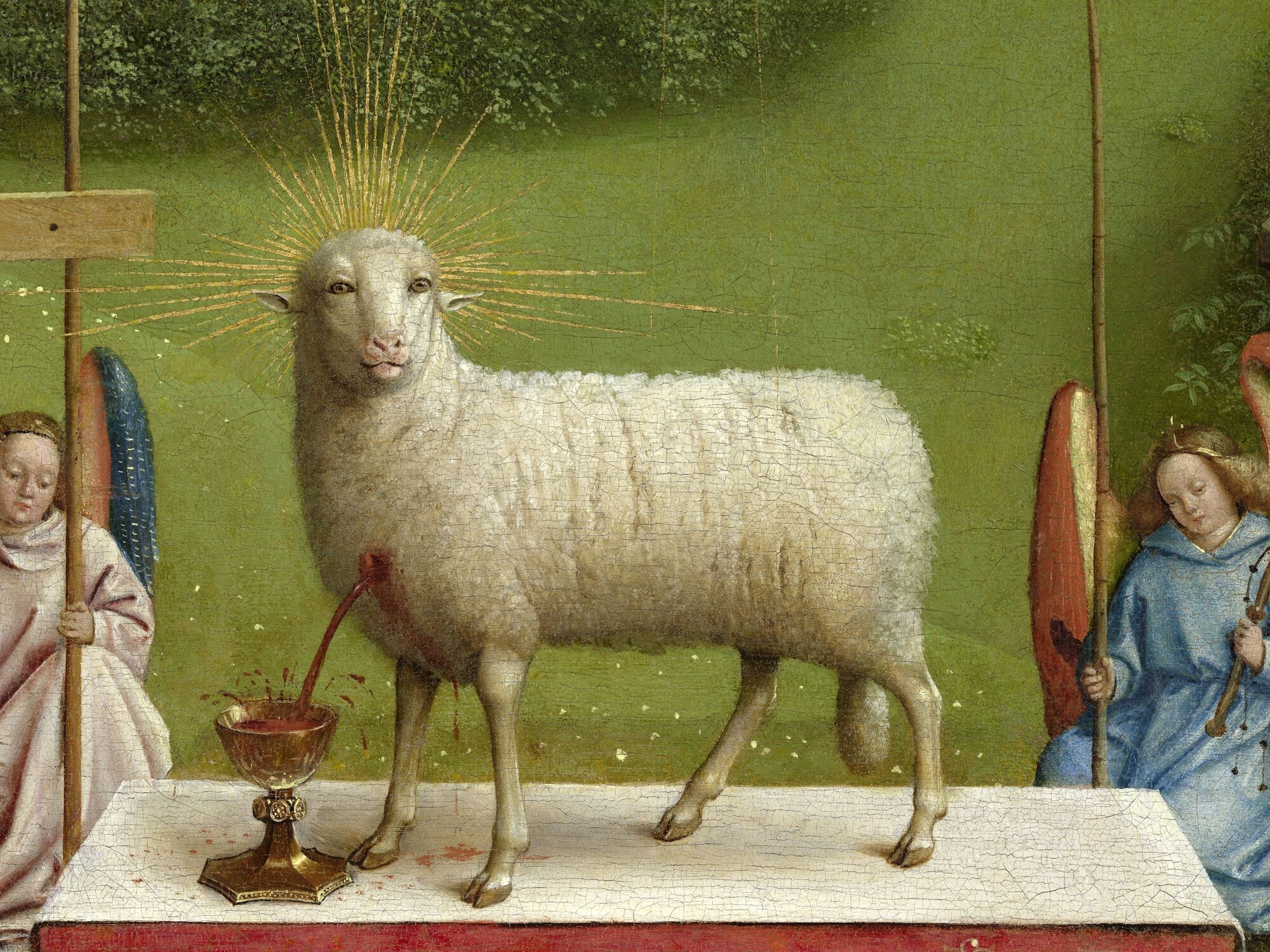
Sacred hearts wrapped in thorns. Skulls. Triangles meant to represent the trinity. Every once in a while you’d spot a unicorn tucked into a painting, or a saint calmly carrying around his own severed head, which was pretty terrifying stuff to a little kid. All of it showing up on prayer candles, paintings, stained-glass windows, wherever you looked.
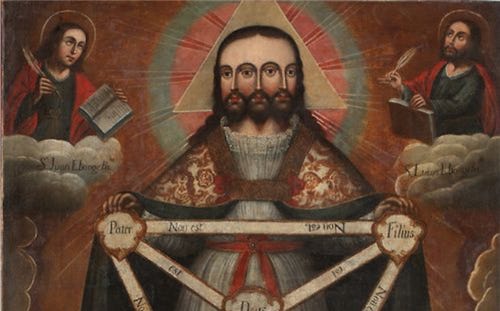
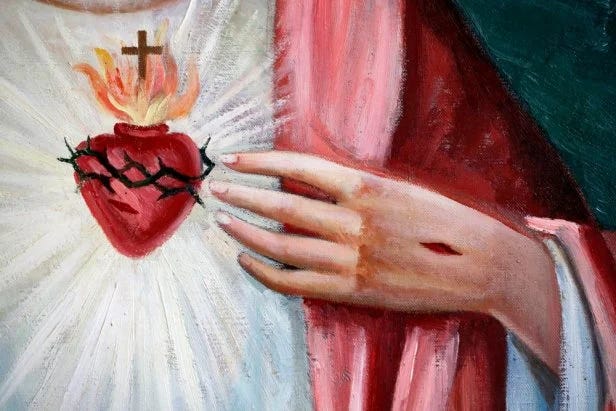
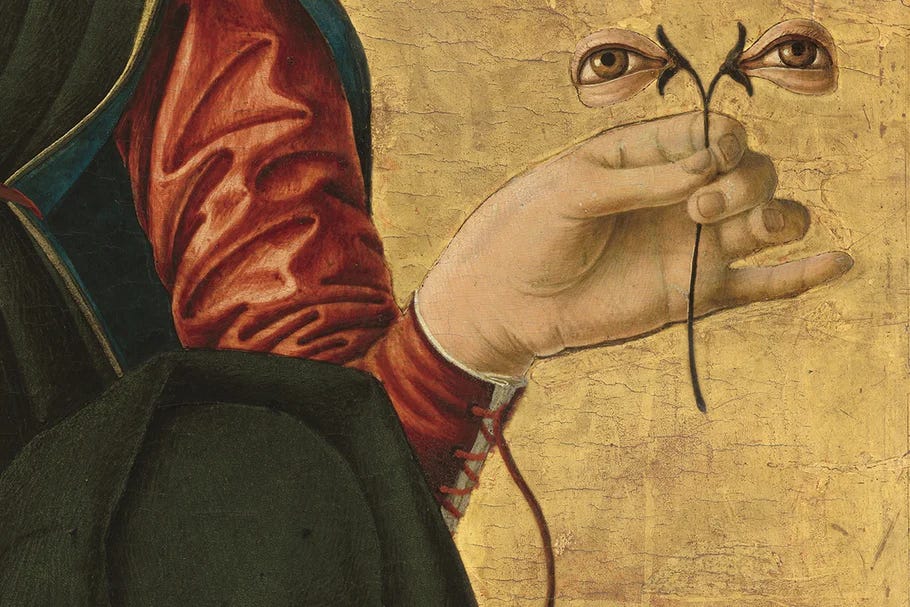
I didn’t think about it much at the time, it was just part of the wallpaper of being a kid. But looking back, that was probably my first exposure to the idea that an object could hold more meaning than what it actually was. A candle isn’t just a candle. A cross isn’t just two pieces of wood.
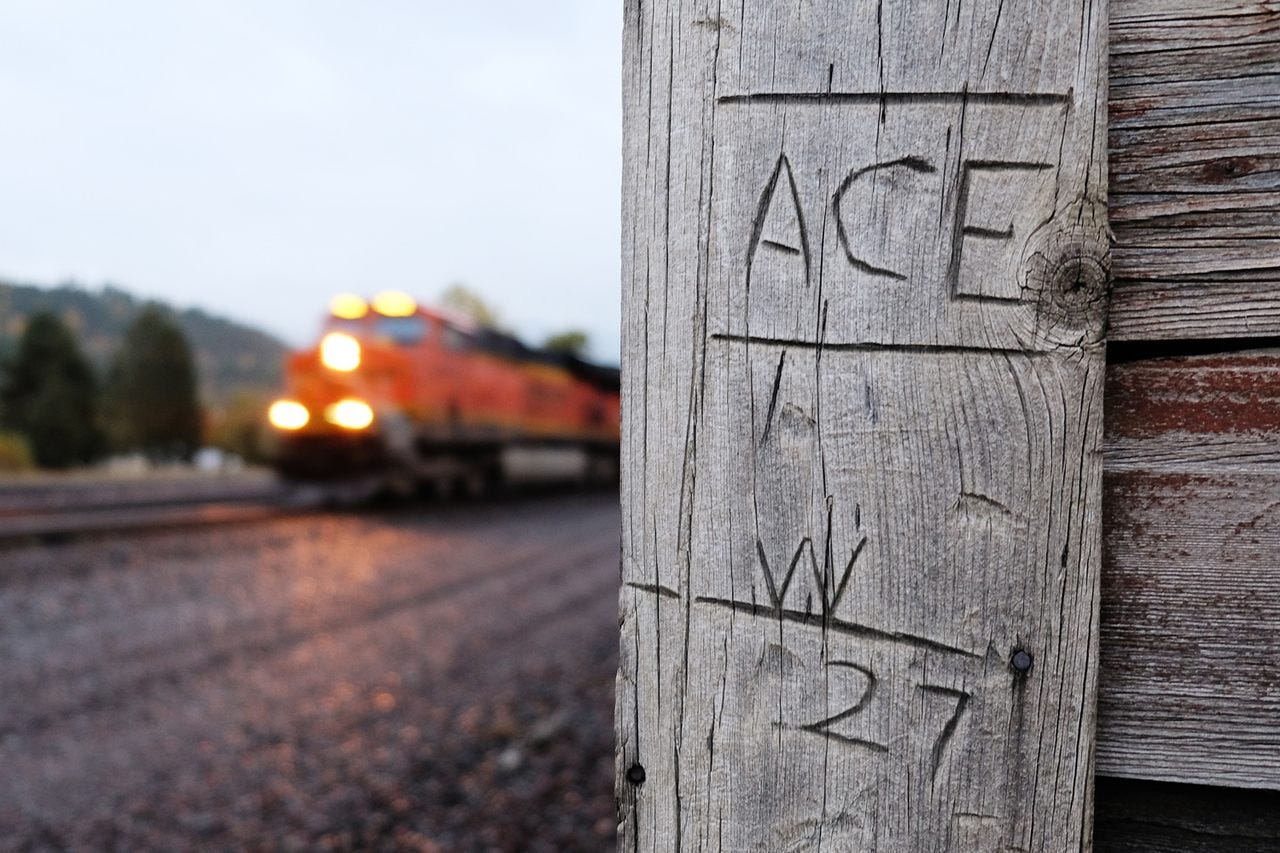
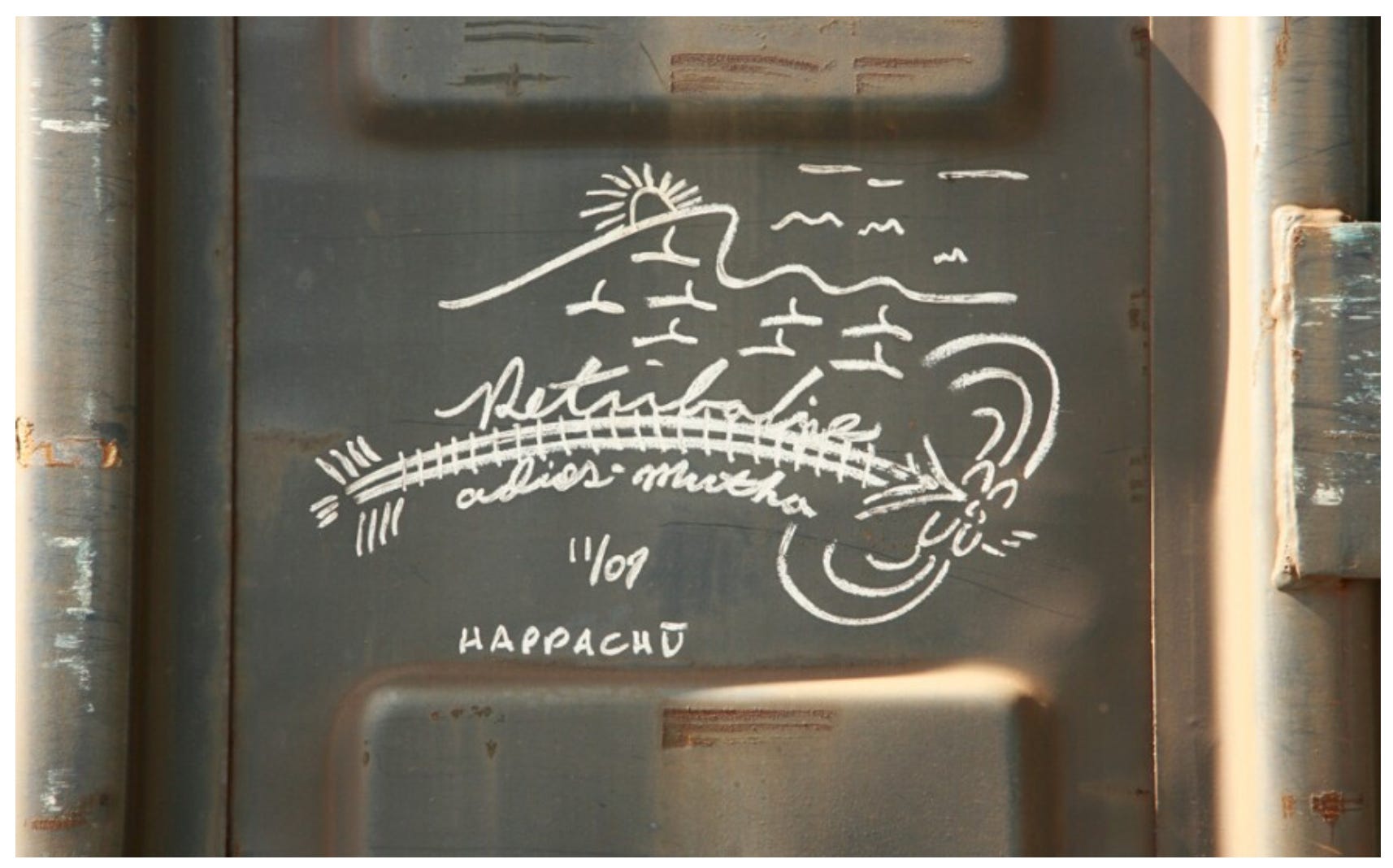
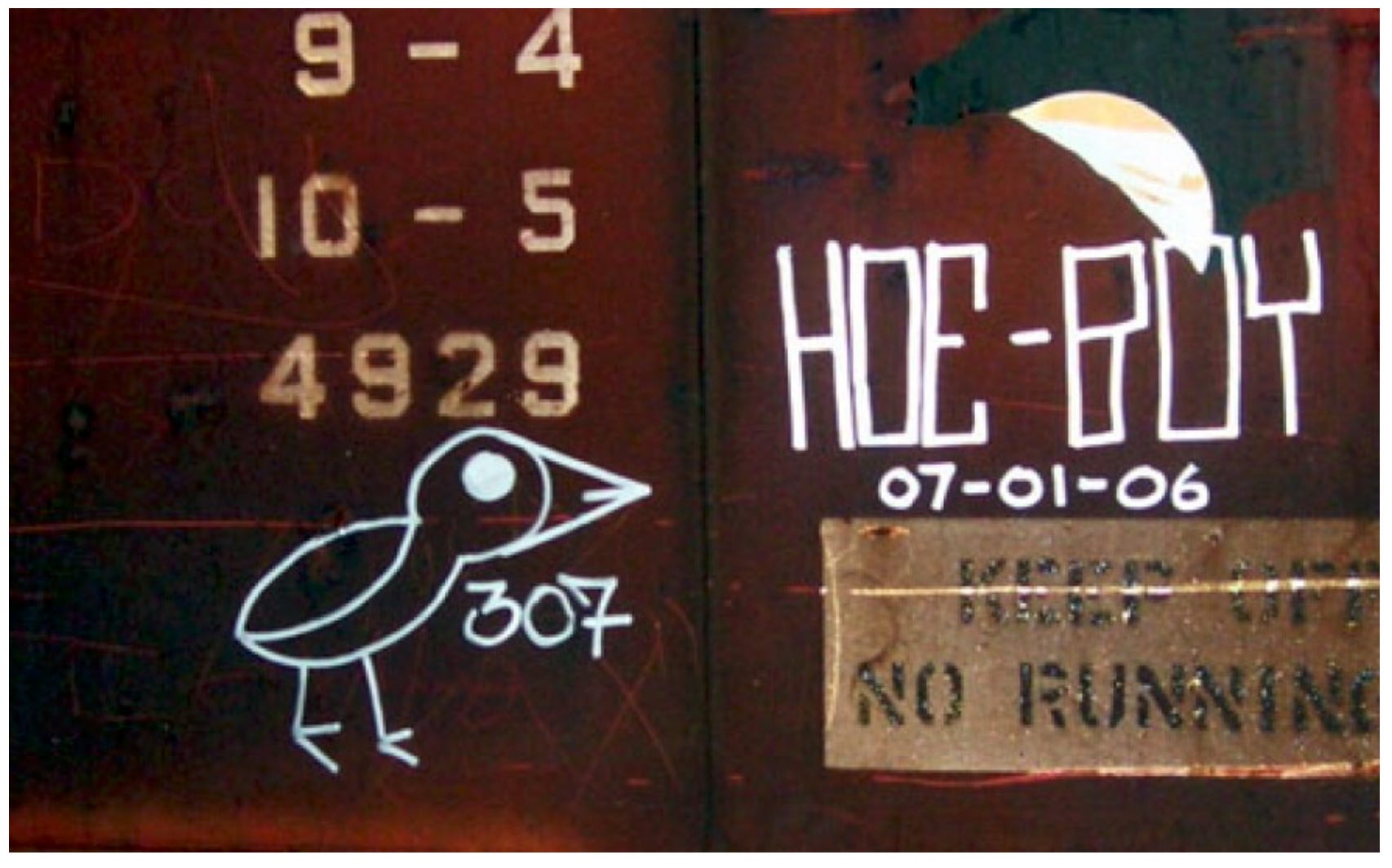
I remember being fascinated when I first heard about the hobo code, this supposed system of symbols travelers left each other near railroad crossings and towns, marks that could tell you where to eat or sleep or that you should keep moving. Apparently the real history’s murkier than the legend, but that doesn’t matter to me — what stuck was the idea of a secret language hiding across America, right in front of you, if you knew how to read it.
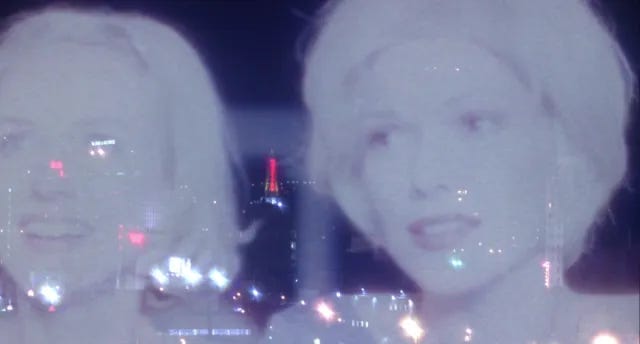
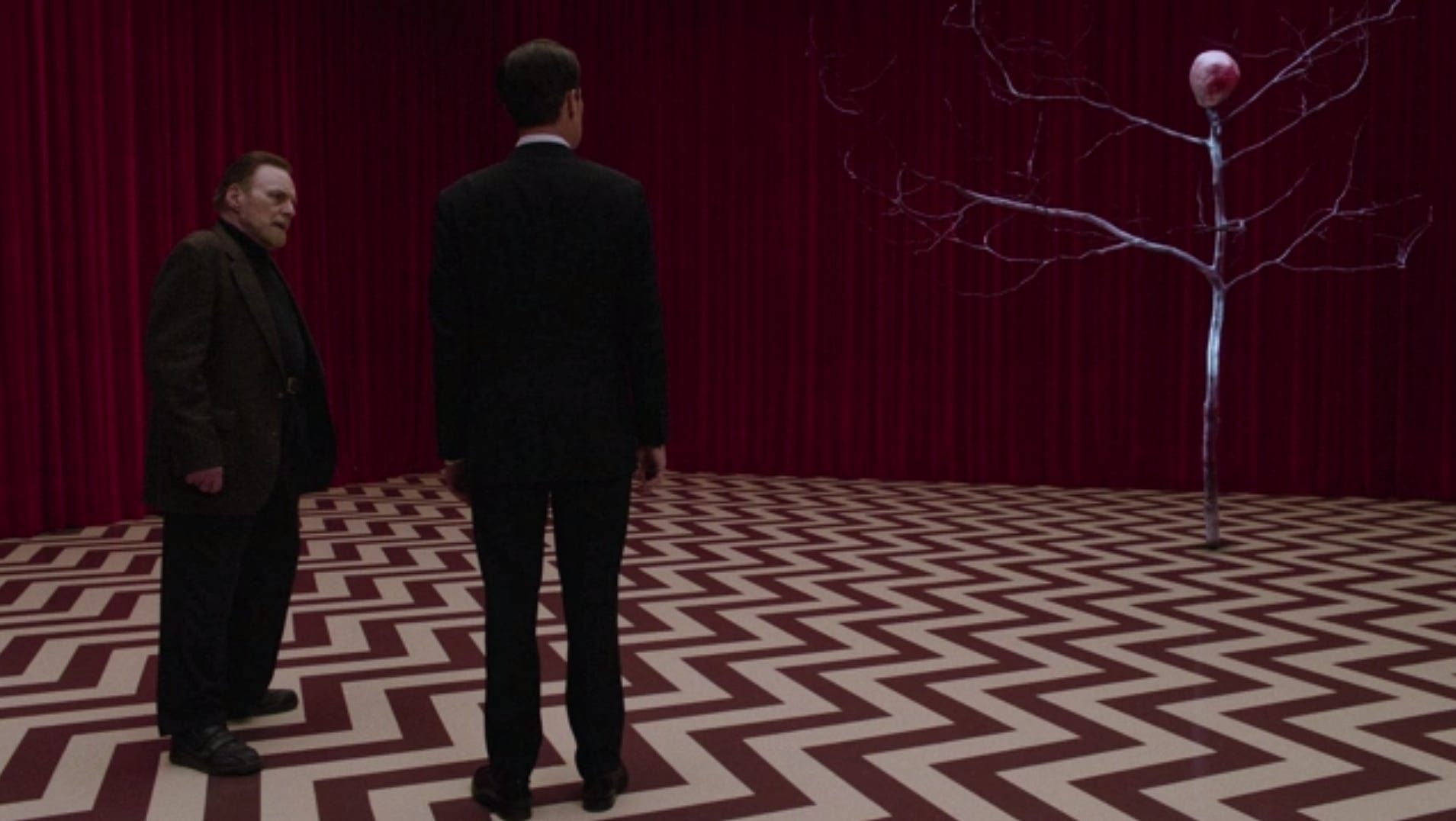
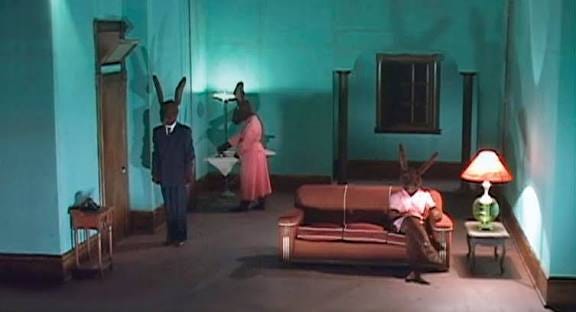
Around fifteen I found Twin Peaks, then Blue Velvet, and got completely obsessed with David Lynch. His movies ran on the same logic. Symbols everywhere, strange objects, repeated images, things that clearly meant something but nobody was going to explain.
That was a pretty big revelation — you didn’t have to explain everything. Sometimes explaining a thing makes it less interesting. You could just make an image, leave some mystery in it, and let someone else bring their own memories to it. The mystery isn’t a problem to solve, its part of what makes the thing work.
I think I’m still chasing that feeling. The more work I make, the more it feels like I’m slowly assembling some strange version of America in my head — not the real one, not exactly a nostalgic one either.
More like the America I remember seeing through a car window, headlights cutting into the dark, telephone poles and power lines ticking by against the sky. Roads and signs and glowing little houses. Gas stations. Mountains in the distance, city lights just starting to show up before you get there. A motel sign lit up past a bridge or an underpass, streetlights coming on one by one, the sun down and the moon taking over.
Each painting’s another piece of a puzzle, and the weird part is I don’t know what the finished puzzle looks like. Lately I’ve started to think that might be the whole point.
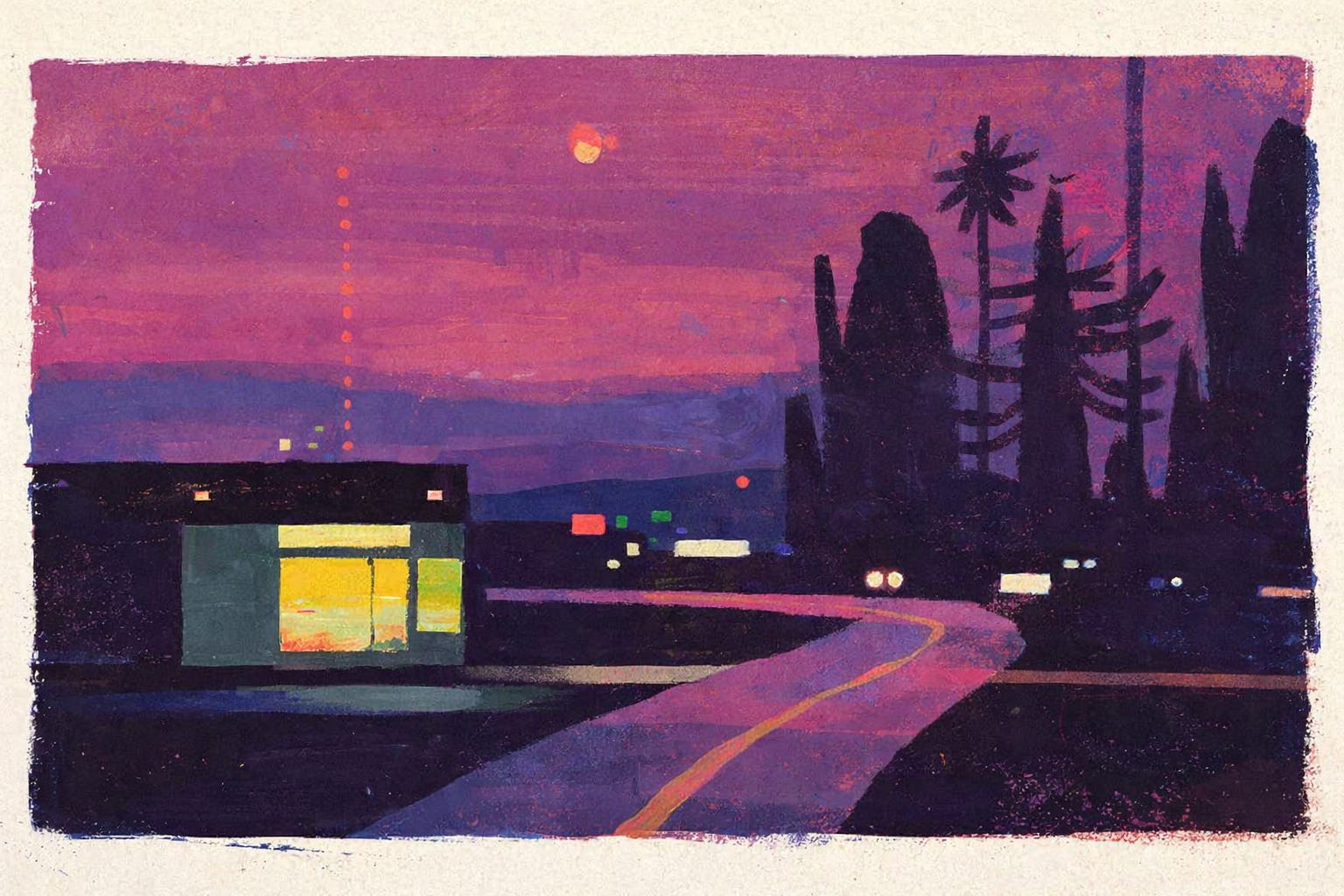
One thing I’d tell a younger artist: pay attention to what keeps showing up in your work, especially the stuff you didn’t consciously decide was important. If you keep painting the same house, the same fence line, the same telephone poles, don’t worry about repeating yourself — maybe the repetition’s trying to tell you something.
You don’t always have to understand your interests before you chase them. Sometimes you need to make twenty paintings before you realize what you were actually thinking about the whole time.
That’s honestly been one of the unexpected things I’ve loved about writing these essays — a way of slowing down and putting words to whatever I’m doing. I’ve been surprised, and pretty grateful, that people seem interested in reading along while I figure it out.
Because I am figuring it out. I’m not writing from some finished place, explaining what it all meant. I’m still somewhere in the middle of it, and honestly that’s when making art gets interesting. You notice something, you follow it, another thing shows up — a road sign, a tree line, a car parked outside a house with the window glowing — and you follow that too. Eventually you start seeing connections between things you didn’t even know were connected.
You don’t need to know where the road ends. You just gotta keep following the signs.
No posts
Comments
Nothing yet. Say the first thing.
Sign in to join the conversation.