
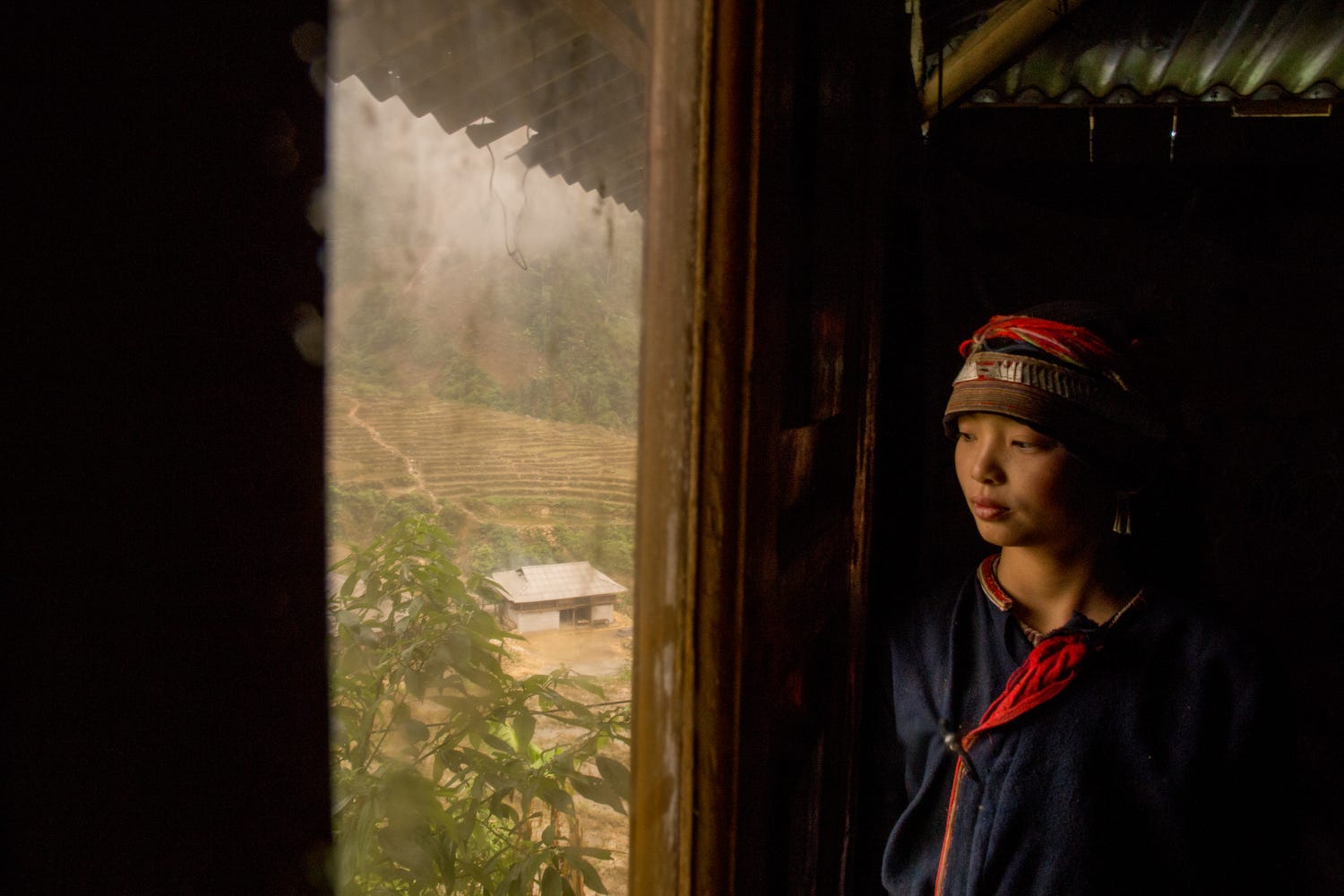
Eleven years ago I spent an afternoon in the home of a young mother in the northern mountains of Vietnam. She had a small child, a modest house, and no real idea why a foreign photographer had turned up in her doorway. To a development bank she was a beneficiary, a data point, proof that a loan had done what a loan was supposed to do. My job was to turn her back into a person.
I was there for a foreign development bank. They were financing infrastructure in the region, roads mostly, but a loan like that is never only about the road. The whole reason a development bank exists is poverty reduction, so the money arrives bundled with the human side. Education support. Farming help. Real consideration for the communities the road runs through, and safeguards that say if you move someone off their land you make them whole. Development is the point. The infrastructure is just how it gets delivered. My job was to photograph the point.
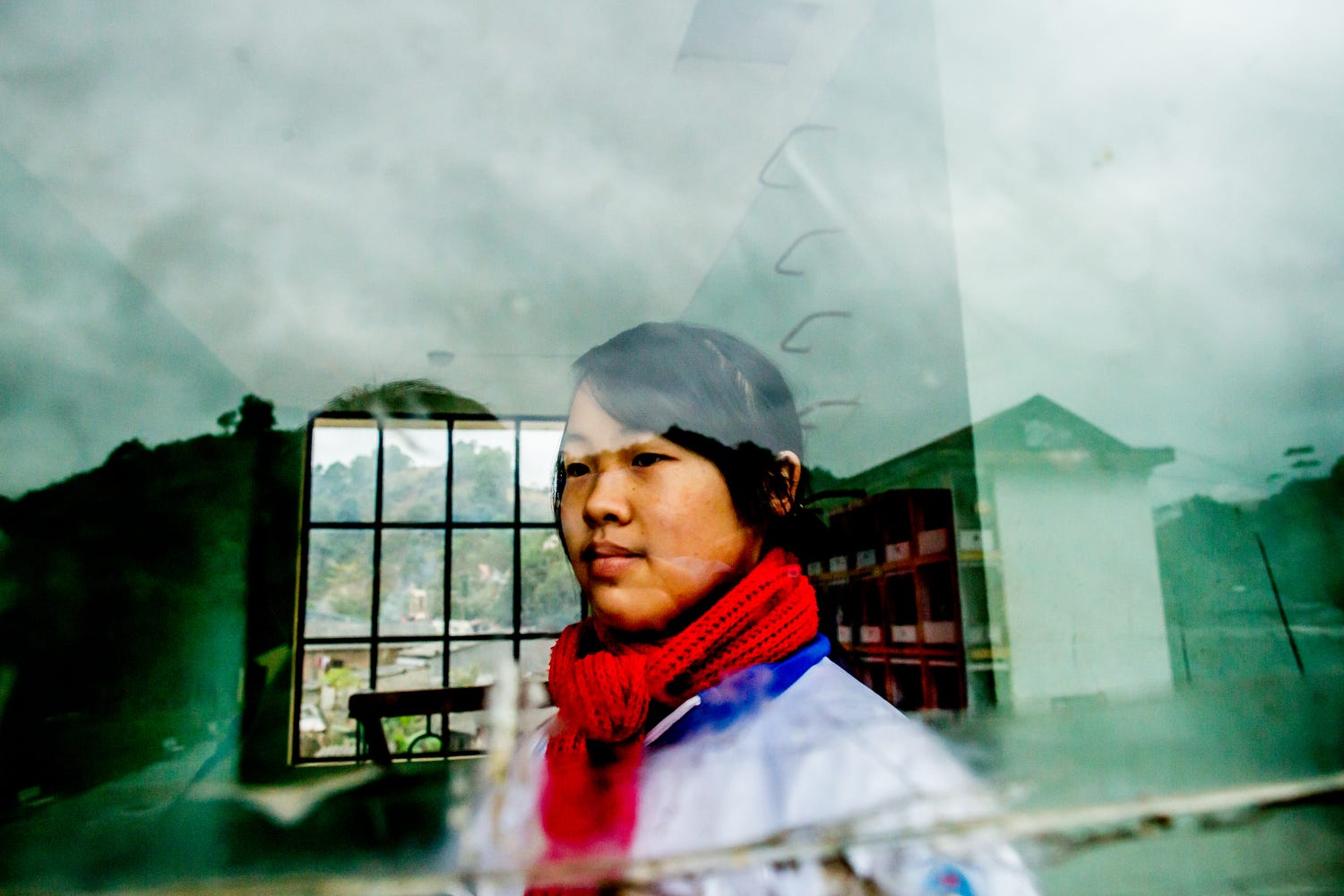
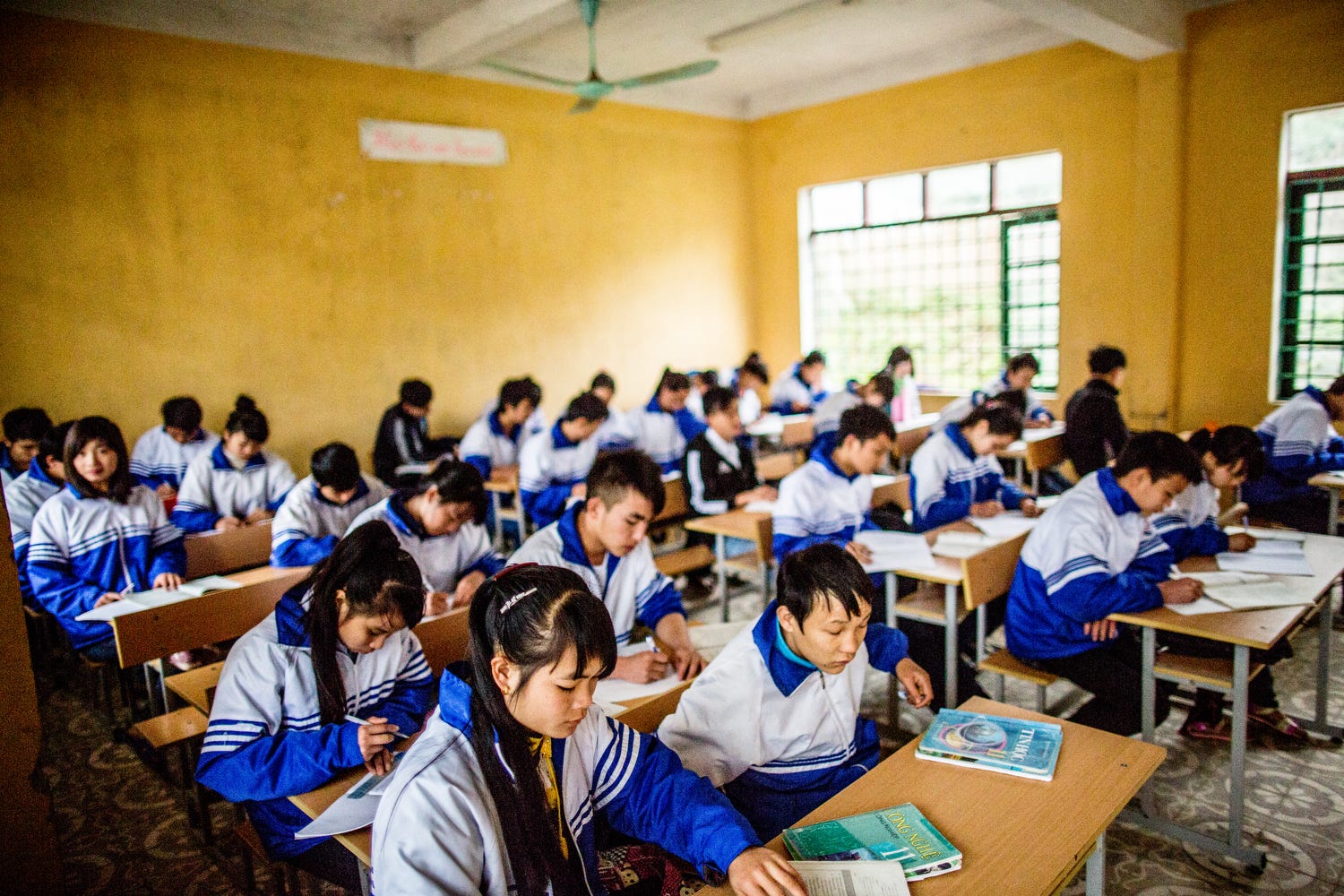
Here is the distinction I want to make, because people often confuse this type of work.
This was editorial in style. It was not journalism.
If it were journalism I would need to be completely independent. I wouldn’t allow a bank to choose my subjects, nobody travels beside me(except a writer and/or translator), nobody sees the take before it runs. That independence is the entire job, and the moment you give it up you are doing something else, no matter how honest the pictures turn out.
Organizations like this one hire people with a journalism background on purpose. Part of it is credibility, a working photojournalist’s eye carries a certain weight on a report. But mostly it is because we know how to tell a true story about a real person without turning them into a brochure. That is a skill, and it is worth hiring for, and it is also not the same thing as reporting.
The tell is simple. On a job like this I am often handed the subject. I travel with someone from the bank and usually government officials, we drop into an active project area, and more often than not the person I am going to photograph has already been chosen before I arrive. Sometimes I can slip away and find my own angle, my own face to tell the story through. Often I cannot. That single fact, who chooses the subject, is the whole difference between journalism and the documentary work I was doing that day.
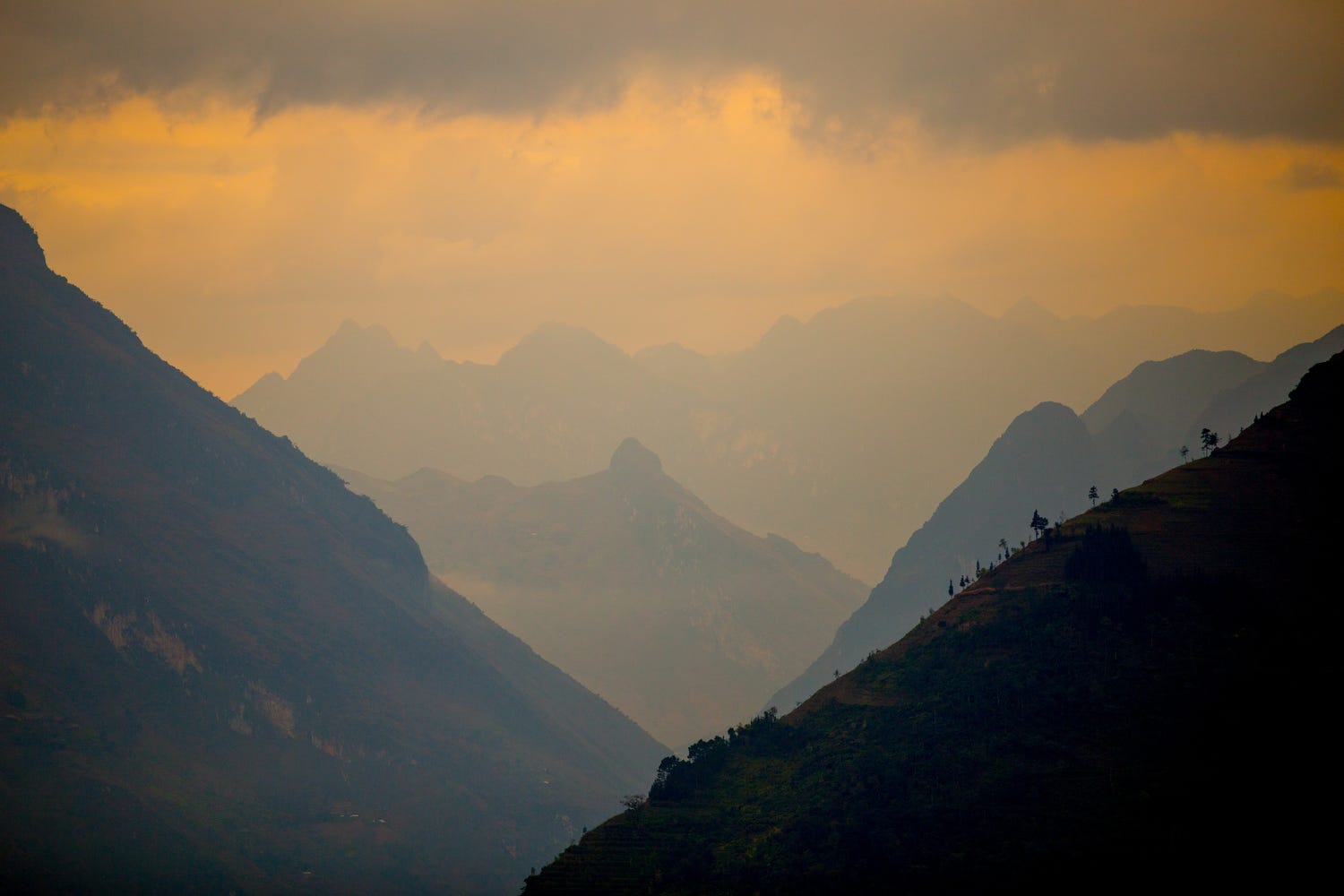
None of which makes the work dishonest. It makes it constrained, and the constraint is mostly time.
Some clients are generous with it. Most are not. On a hard day you are telling three, four, five separate mini stories or vignettes before the light goes, and every extra body who travels with you makes it worse. Officials, liaisons, anyone who is not there to interview or document is one more reason a real moment fails to happen. So I fight for time the only ways I know how. I ask the group to give me the room. I go back alone, on my own dime sometimes, when I know the first pass was not right. And I push, quietly and without being difficult, against the instinct everyone has the second a camera appears, which is to perform. Stand here. Do this. Hold the baby up and smile. I do not want to direct, except of course a portrait, but even that I want it to be authentic in their space. I want to document, and most of the time I can sell a client on why that matters.
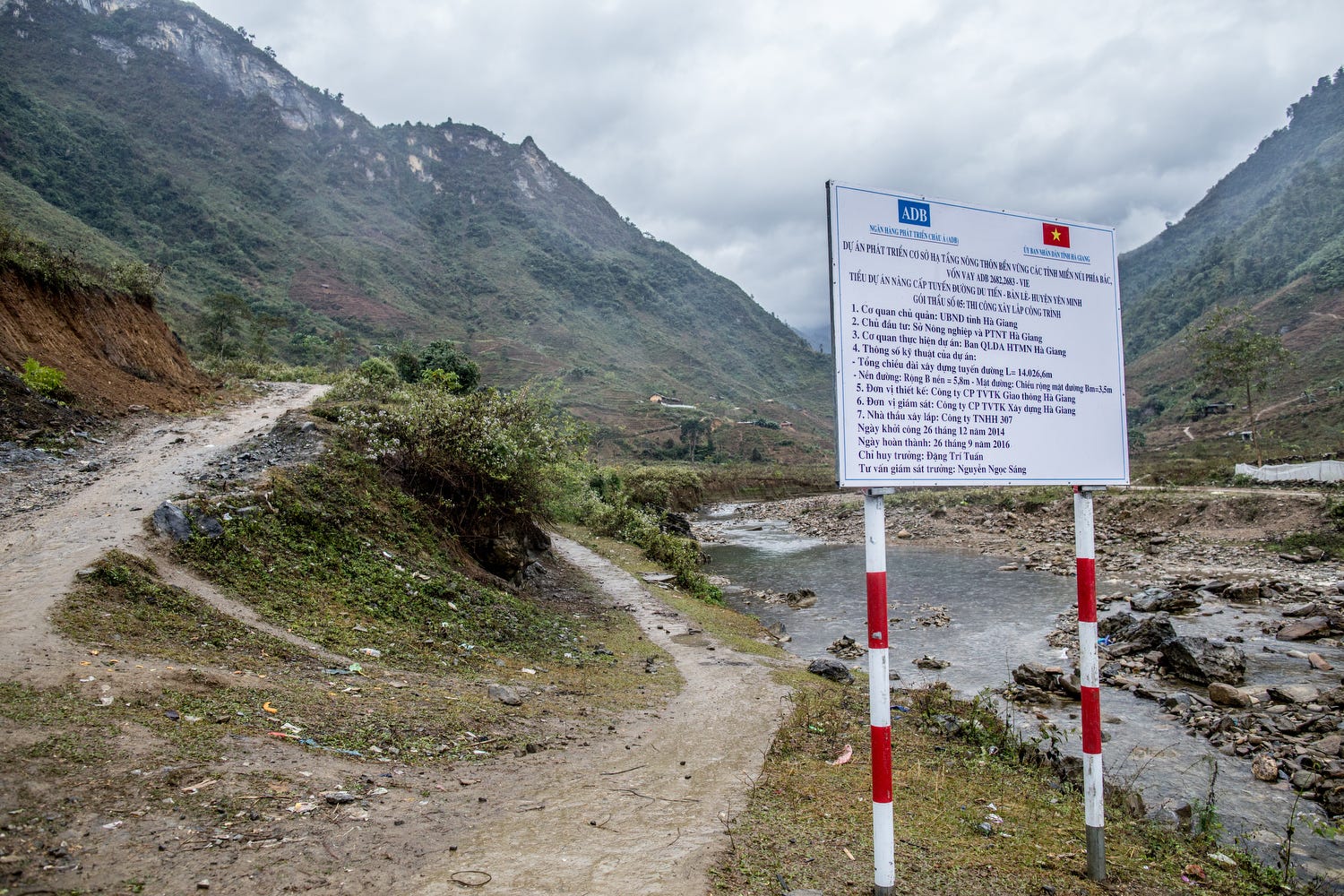
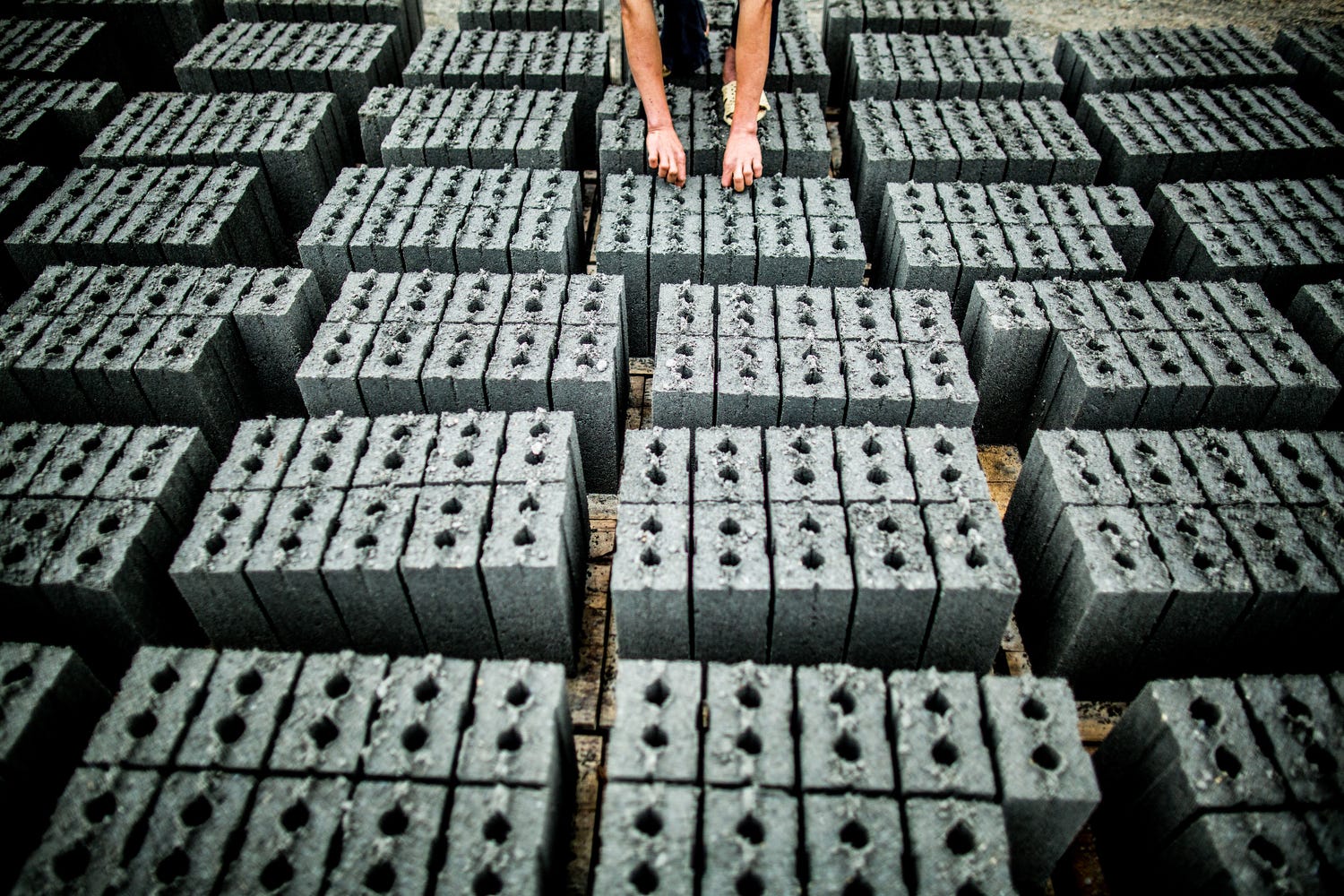
Then there is the sign.
Organizations love a sign. It is almost always on the shot list and it is the one request I resist every time, because a sign is the lazy way to tell someone what they are looking at. Whoever sees these photos is already on the website or already reading the article. They know what the project is. Putting a placard in the frame to spell it out is a failure to trust your audience. So I take it as a challenge instead. If I have to shoot the sign, it is going to earn its place, in context, with the real work and the real people behind it, so it reads as part of the story and not a label pasted over the top.
I went back and looked at these frames again recently, eleven years on, and I still stand by them. I would love a few more details in a couple of them. More moments would always be ideal. But moments are earned, not taken, and the only currency that buys them is time. To be fair to them, they gave me more of it than most clients do. A little more, and especially more time alone with people, and I think the work would have been richer still. I asked. I pushed. Some days you get it and some days you do not.
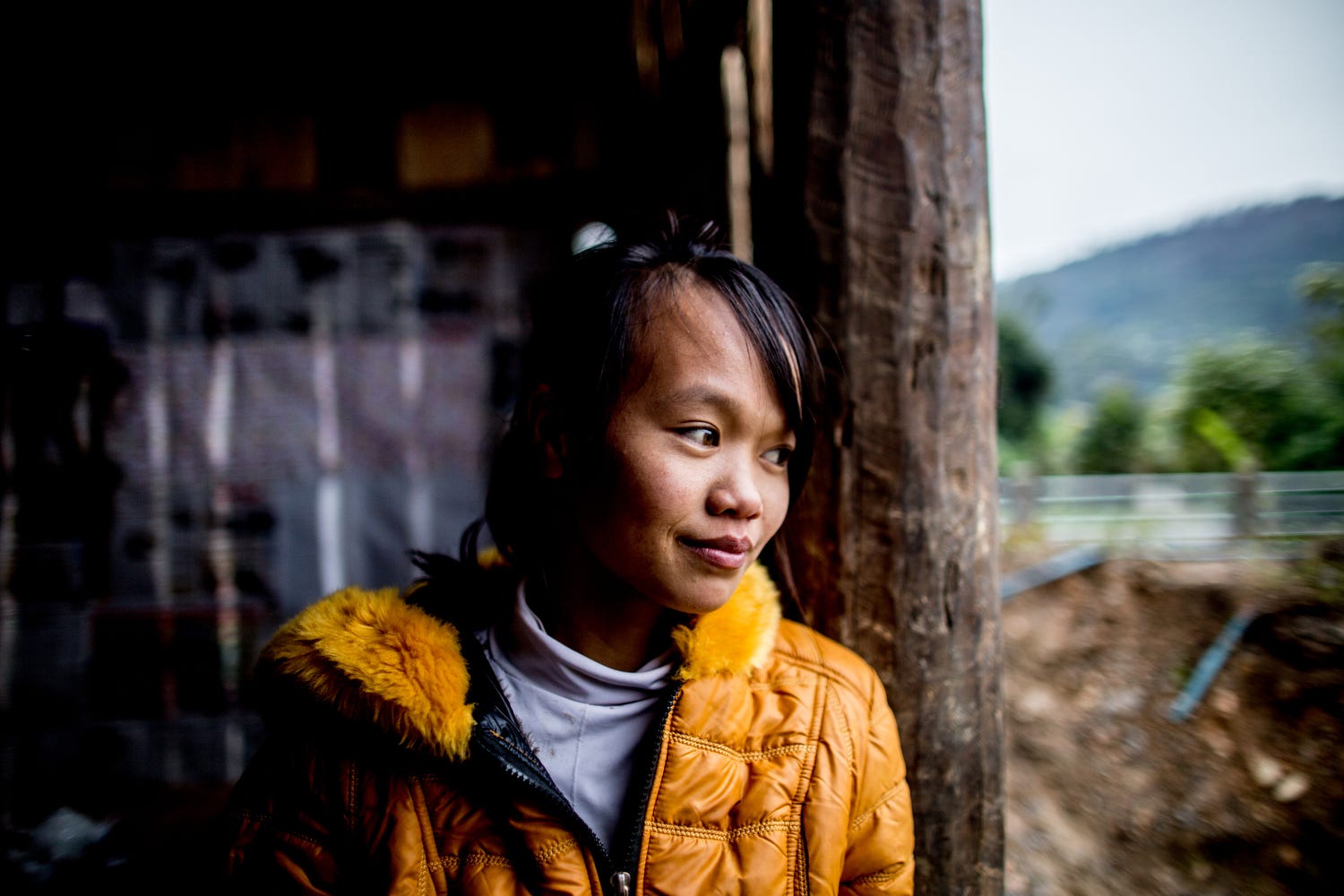
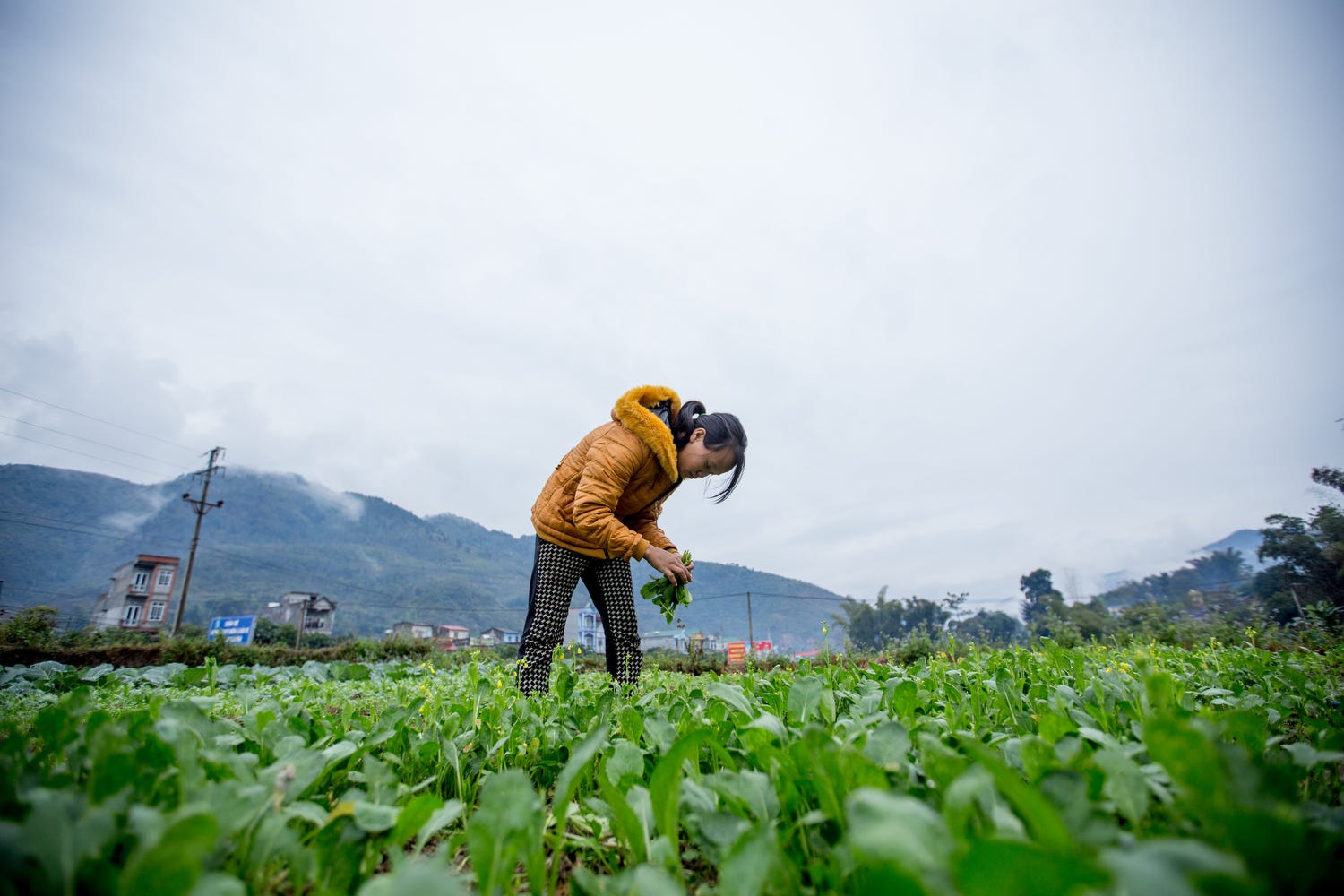
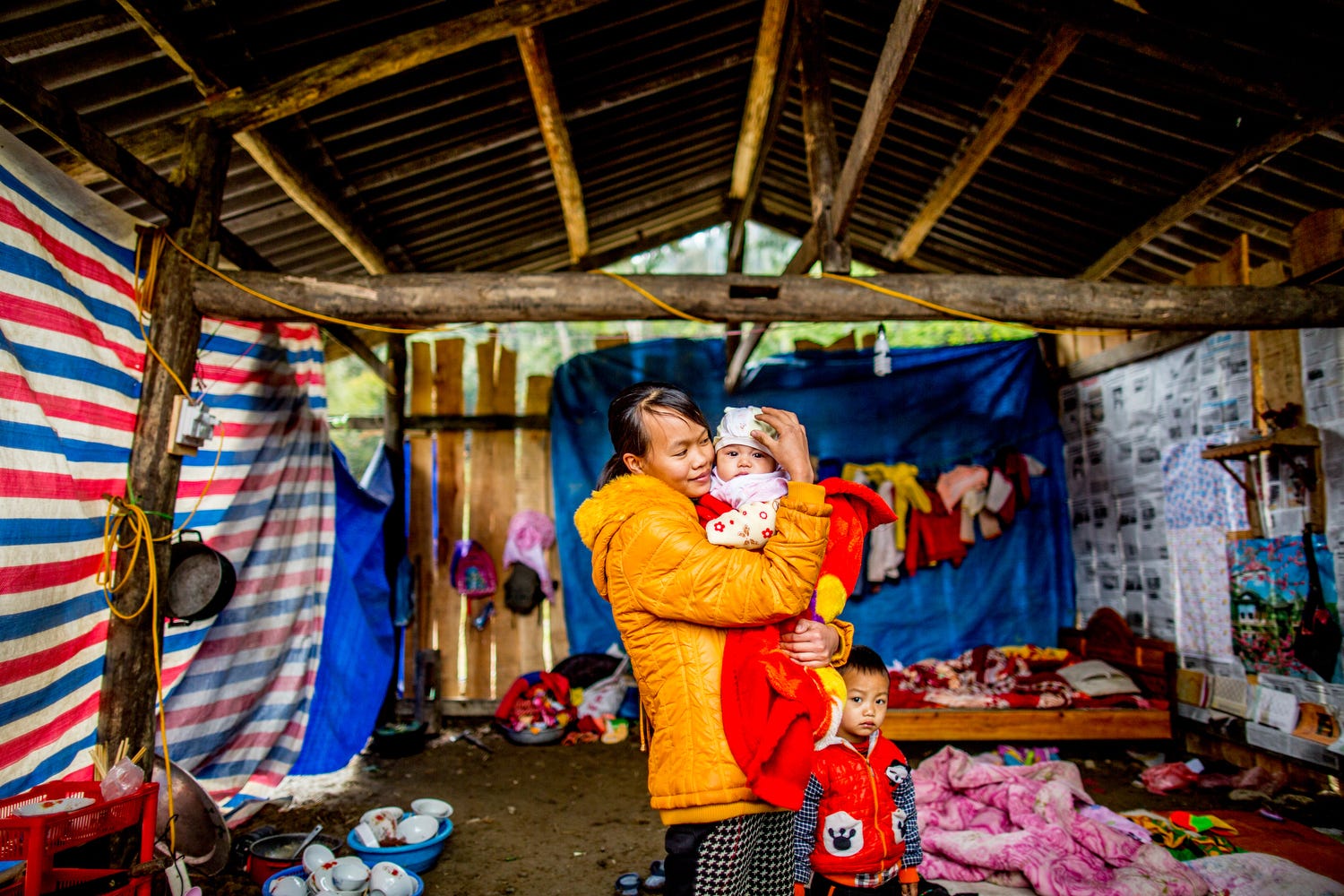
When time is short my answer is almost always a portrait. The frame I keep returning to from that trip is the young mother and her child in their home. It is quiet, it is honest, and there is a small real moment living inside it, the kind you cannot stage and cannot rush. It is probably my favorite photograph from the entire assignment.
That is the lesson, if there is one. Know exactly what kind of work you are doing, because journalism and editorial and documentary commercial work can produce an image that looks completely identical while asking completely different things of you. Be honest with your audience about which one it was. And whatever the constraints, keep fighting for the real moment. Not by taking it. By earning it.
Justin is an editorial and commercial photographer who’s been based in Vietnam for almost 20 years. In that time, he’s covered over 100 assignments for The New York Times and shot global ad campaigns for Fortune 500 companies across Asia and beyond.
Join my photography community for monthly assignments, exclusive content, and feedback from a working professional photographer.
https://www.askmott.com/membership
No posts
Comments
Nothing yet. Say the first thing.
Sign in to join the conversation.