
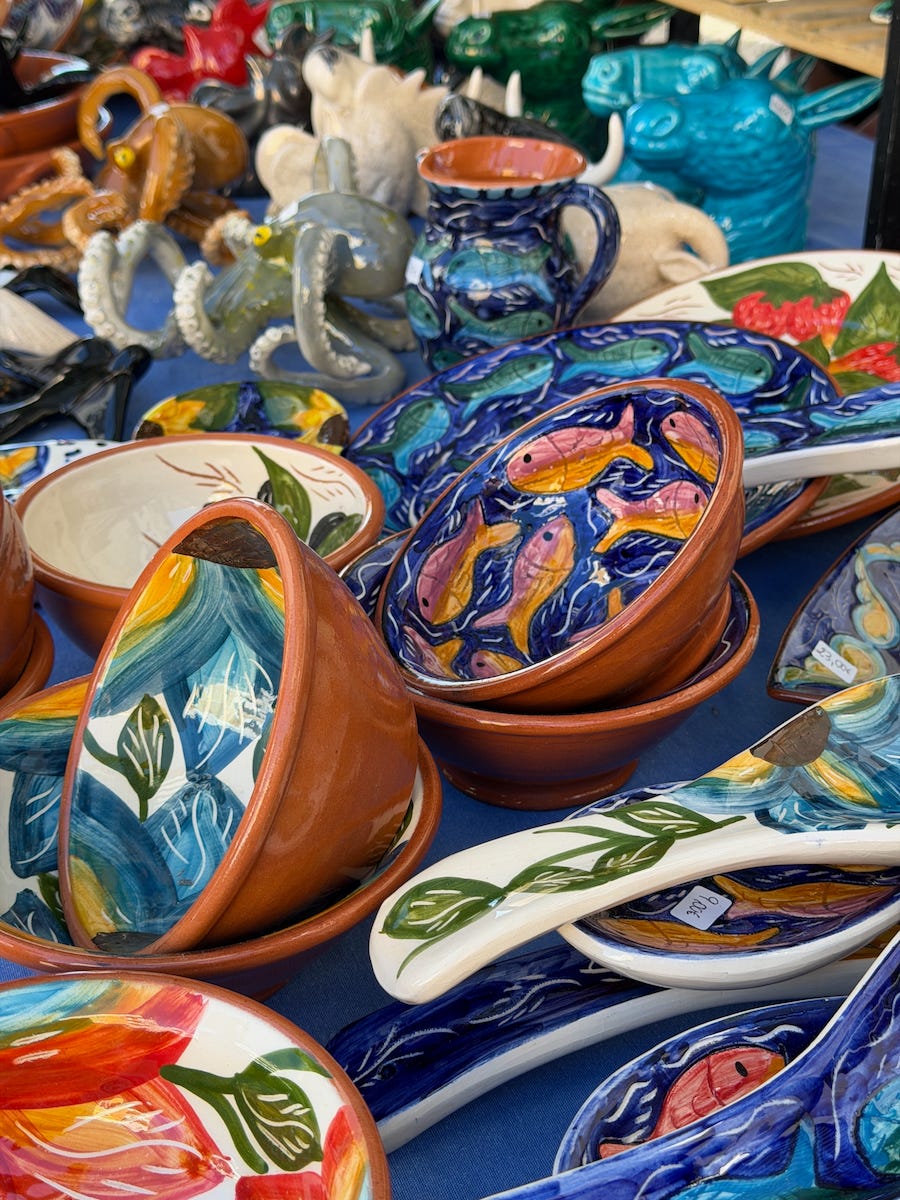
Molded, stamped or thrown by hand on a potter’s wheel, for centuries Portugal’s rich terracotta clay deposits provided the raw material for day-to-day objects both useful and beautiful. Craftsmanship was handed down from the Romans, with glazing and painting techniques brought to Iberia by the Moors. Pottery is part of Portugal’s vibrant national identity, with uniquely characteristic features of its varied regions from the north to the south of the country.
These clay-shaping, glazing and painting techniques were passed down through families, from one generation to the next. Whole villages became known for their unique products and styles.
I had the privilege of learning more about the history and craft of creating pottery works of art from a Portuguese friend, Pedro Jorge das Neves Piedade. Pedro is a second-generation potter in Loulé, and his studio includes the third generation: his daughter Inês does the painting of fired and bisque (unglazed, once-fired) pieces.
Visiting Pedro’s studio, he first explained to me the history of pottery in Loulé. Up until the 1970s there were hundreds of pottery producers in the municipality. They made utilitarian objects like chimneys, lanterns and the water jugs carried in twos by yoke over a burro’s back.
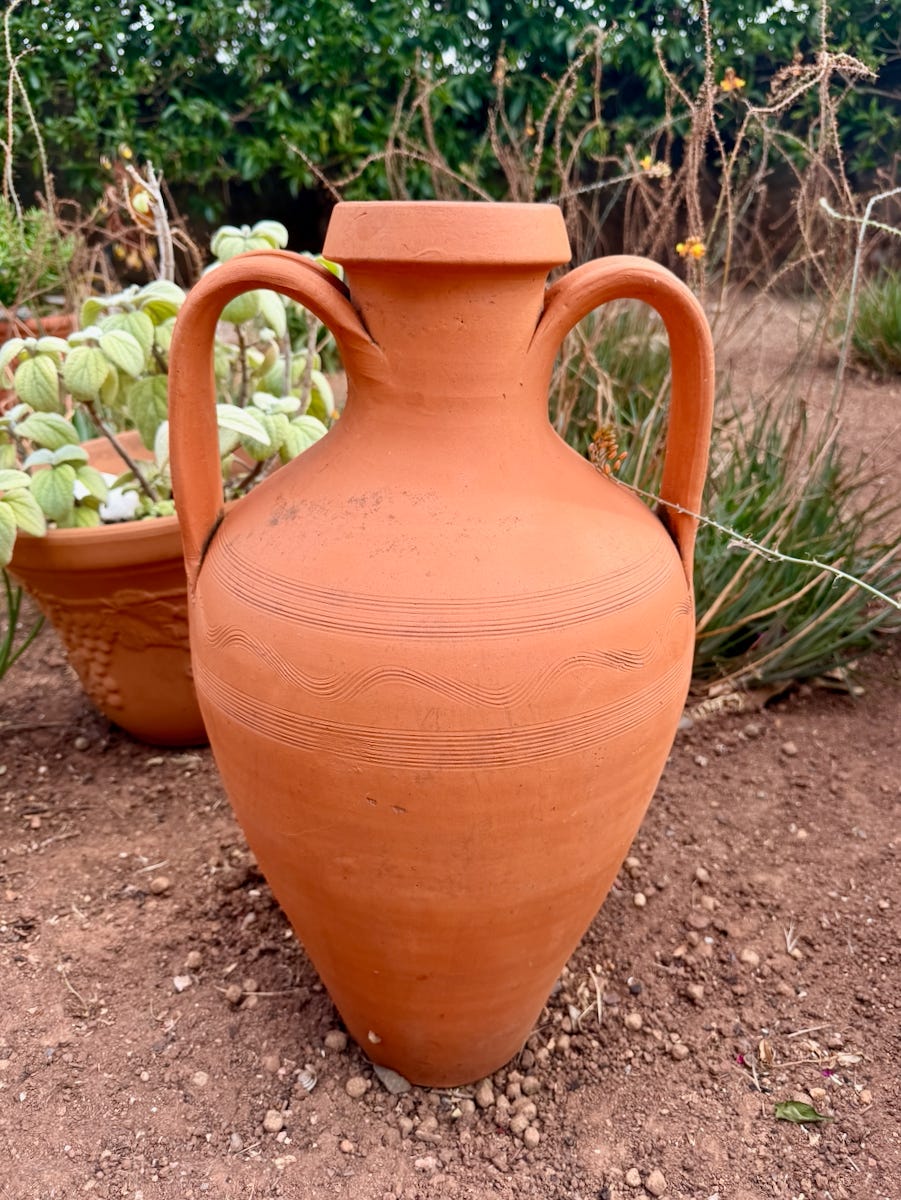
Loulé was most famous for its production of the alcatruz, a gracefully shaped pot used in octopus fishing. The alcatruz has a hole in the bottom large enough to drain water when lifted, and the top is open. This alcatruz exploits the behavior of the octopus, which likes to crawl into tight areas. The pots were tied together in sequence by rope and lowered into the water. The animal creeps into the pot where it lies on the seabed, and the pots are pulled up later for the catch. The alcatruz is a shelter-trap.
Further east in the Algarve, the municipality of Tavira includes Santa Luzia, which was (and perhaps still is) the capital of octopus.
Nowadays octopi are caught using covos, metal and net cages based on the same principle, but with one important difference: octopi could leave the clay alcatruz as its top was open, but once they enter the covo they are trapped and cannot escape. So I think we can say that the older practice was more humane.
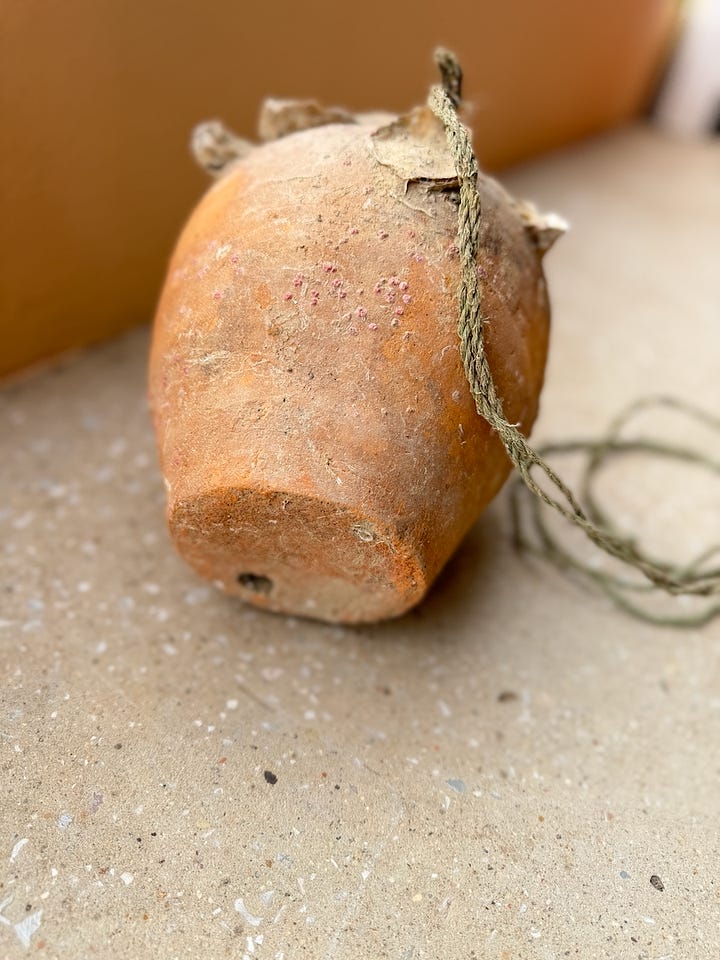
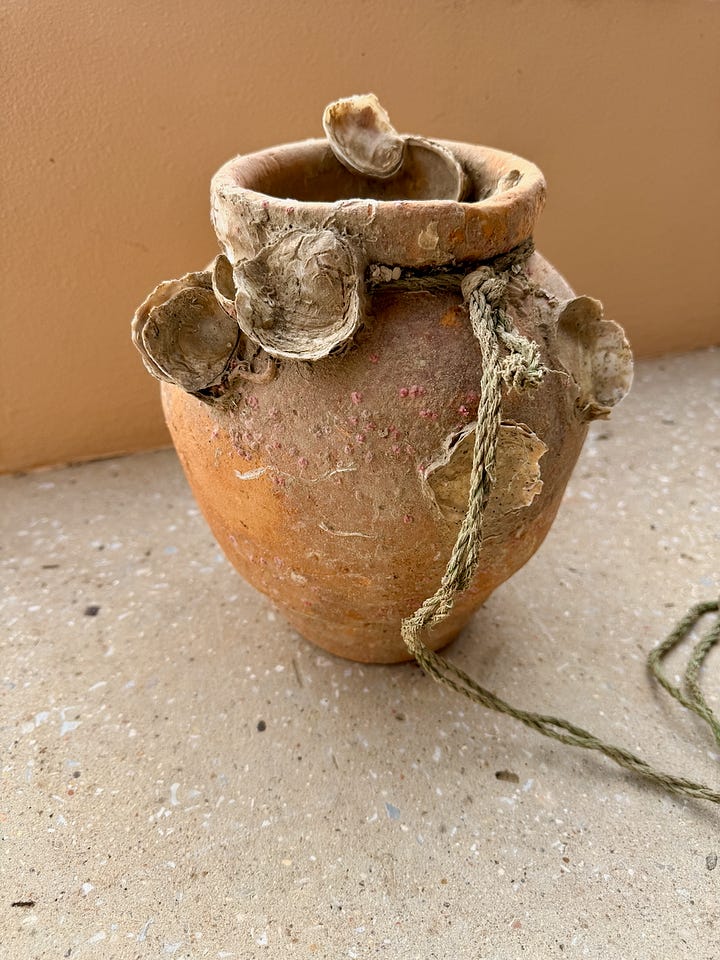
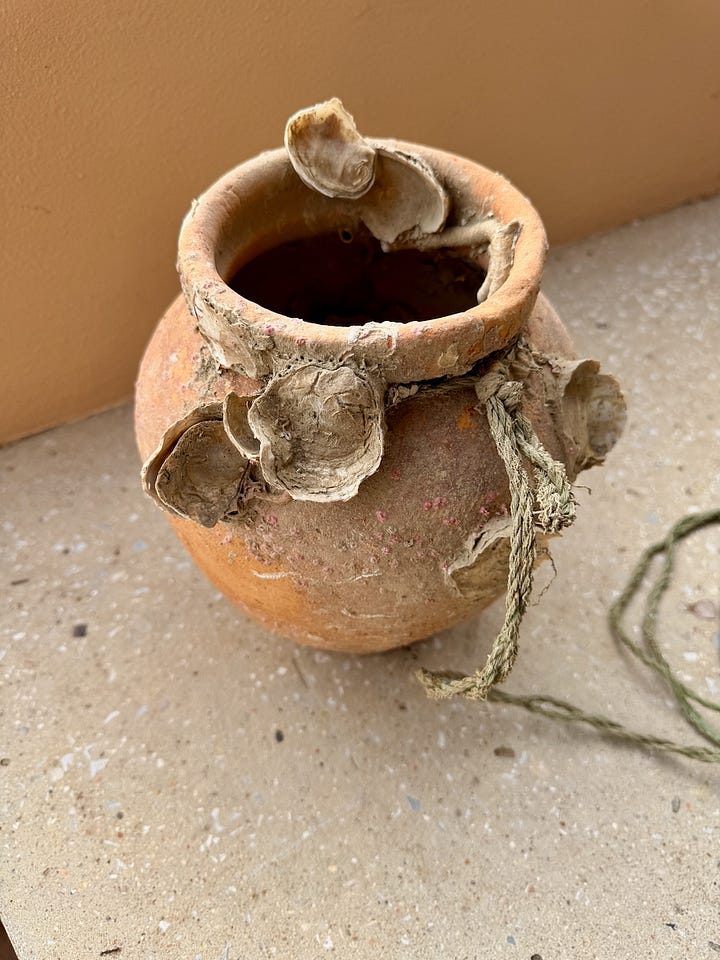
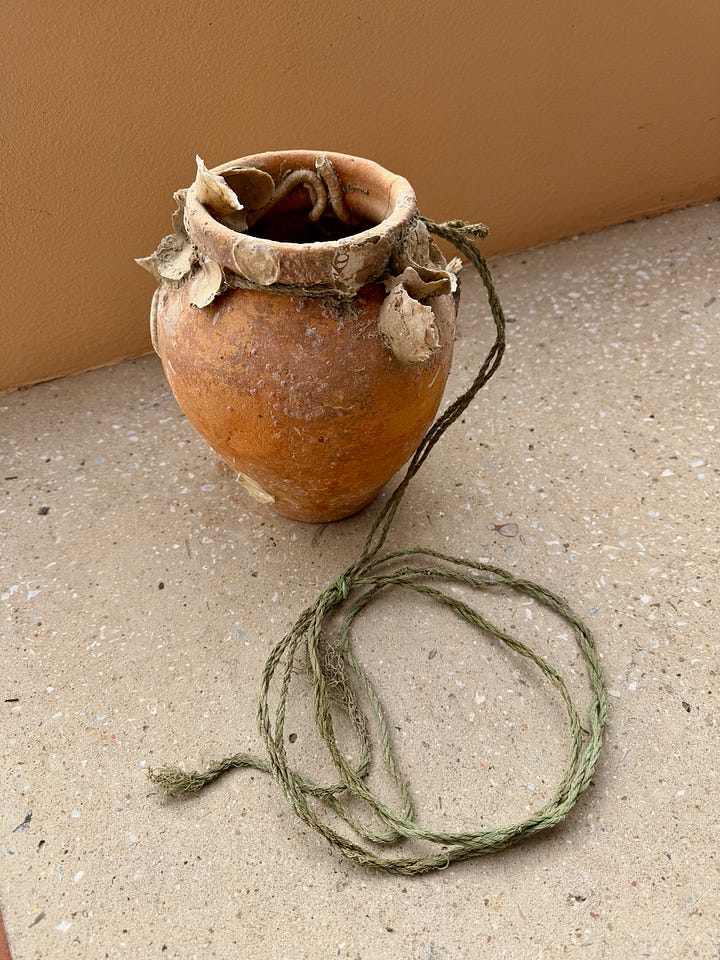
Back in the day, Loulé produced alcatruzes for all of southern Iberia. Sadly, this history seems to be largely forgotten among Louletanos, as my attempts to research the topic at the municipal museum largely came up dry. The fototeca (biblioteca is a library for books, fototeca is for photos) did find me three images of the historical guild.
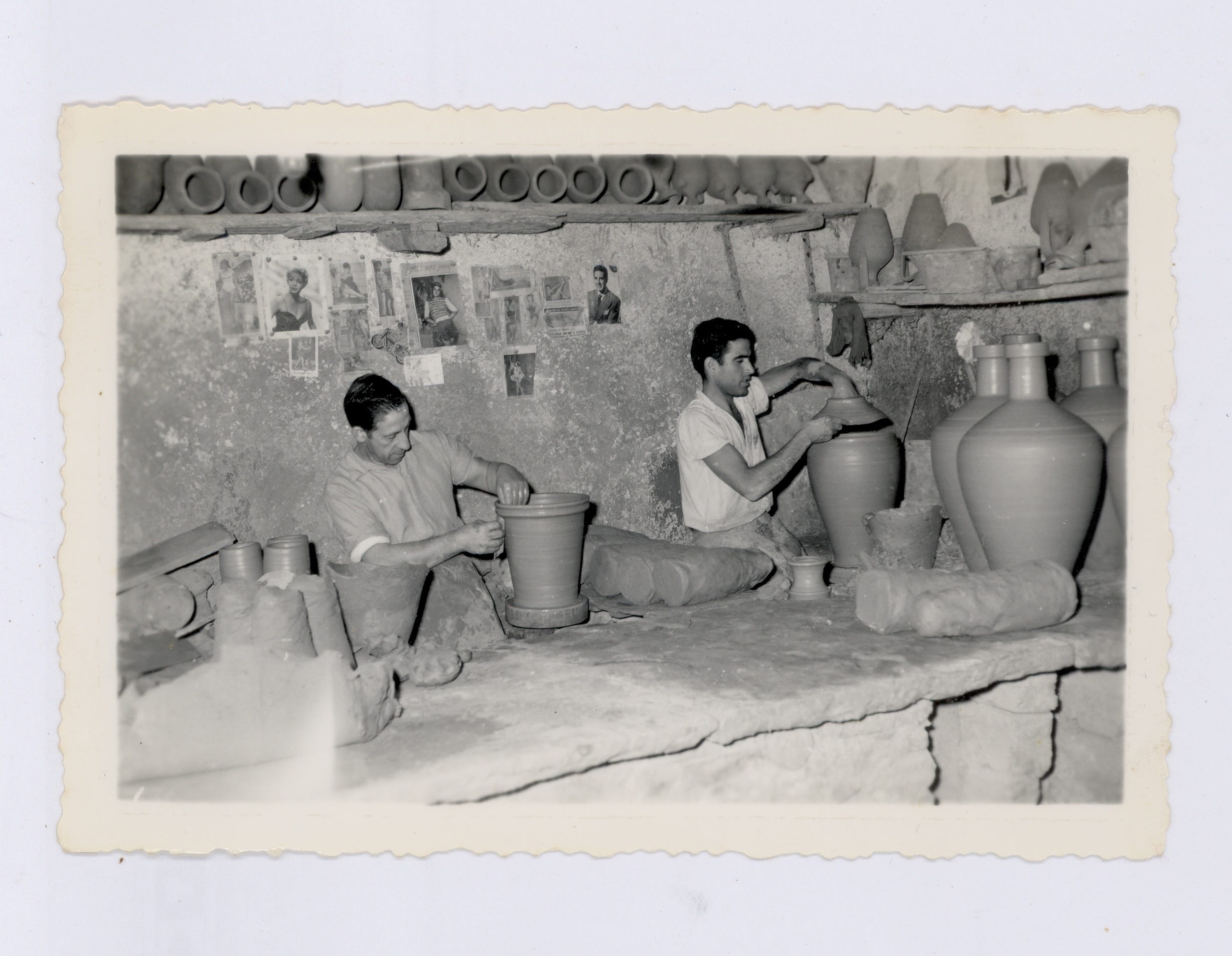
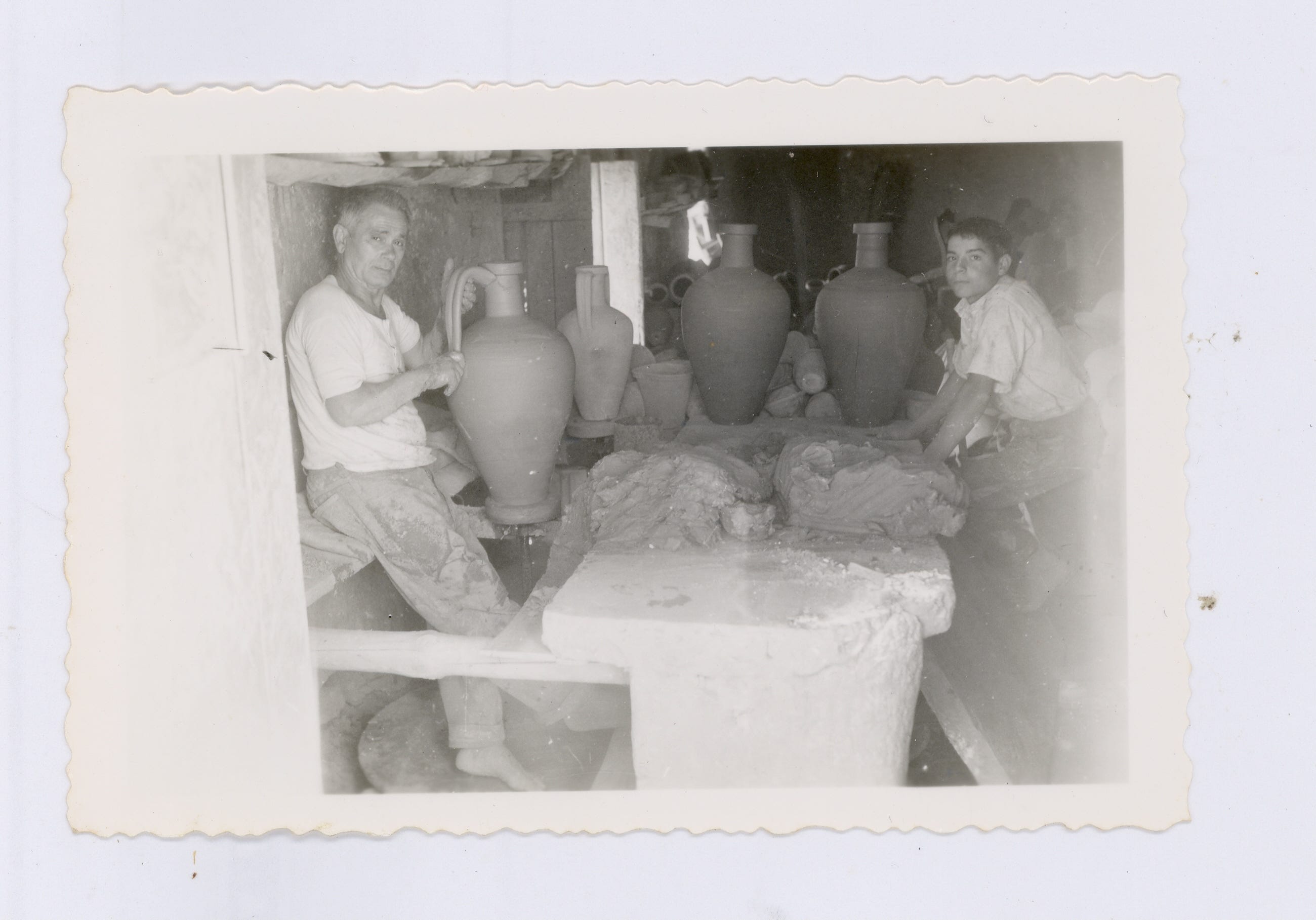
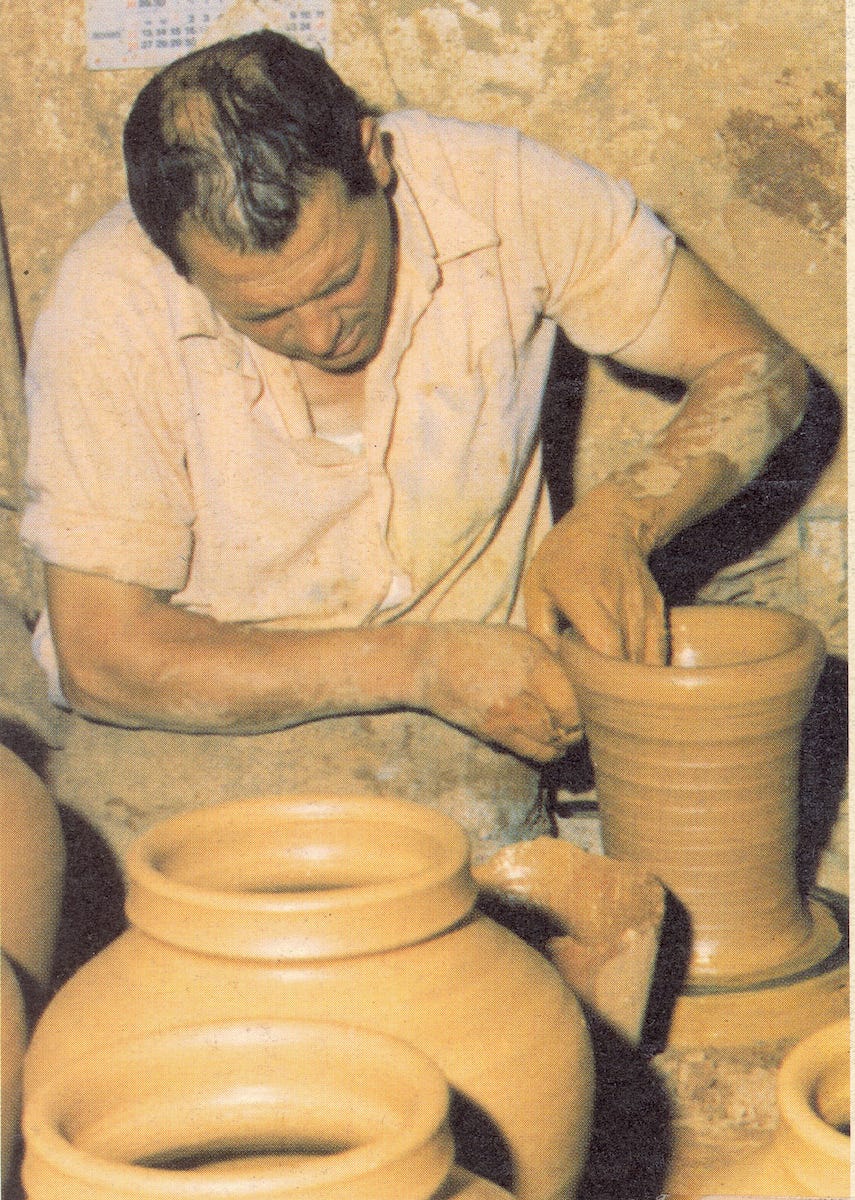
Historically, potters collected clay from areas they called barreiras, or banks. They were named white or red barreiras, based on the type of clay, but there were other colors including yellow, lilac, and black. This solved a linguistic mystery for me, because when we first moved to Portugal we lived in Almancil in an area called Barreiras Vermelhas, red banks. I wanted to know what those banks were, but no one locally could explain it to me.
Pedro told me white clay is stronger and was often mixed with red. He remembers one particular clay bank in the Troto neighborhood of Almancil. In the time before clay was treated and supplied by the pallet, potters would collect the clay and painstakingly remove the small stones and other imperfections. This particular Troto white clay was treated to reduce out a liquid which had a vitrifying quality and was used to line the inside of vessels.
Pedro Piedade began as an oleiro (potter) apprentice to his father, who worked alongside other family members including his brother. Pedro started out doing labor around the studio, then painting, then producing the objects themselves.
Before an electric kiln was used, the ovens were driven by wood fired up to 1200 degrees Celsius. Clay objects were fired for 15 hours, and for the final phase almond husks were burned because they maintained a lower but consistent temperature.
Let’s go back to the present day. Pedro showed me just part of his studio production process. Look for a deeper dive in a future post after the summer selling season is over and Pedro has more time to show me production of other artisanal types.
On the day I visited, Pedro was busy producing oval serving bowls and square plates.
Clay is no longer scooped out of clay banks, but ordered by the pallet from clay producers. The cost of clay has skyrocketed in the last year: it went from 450 to more than 600 euros. Yet the sales environment is such that artisans are constrained from raising prices. Note to self and others: don’t be tempted to bargain, times are tough for artisan producers, who are not spared the vagaries of global economic stupidities.
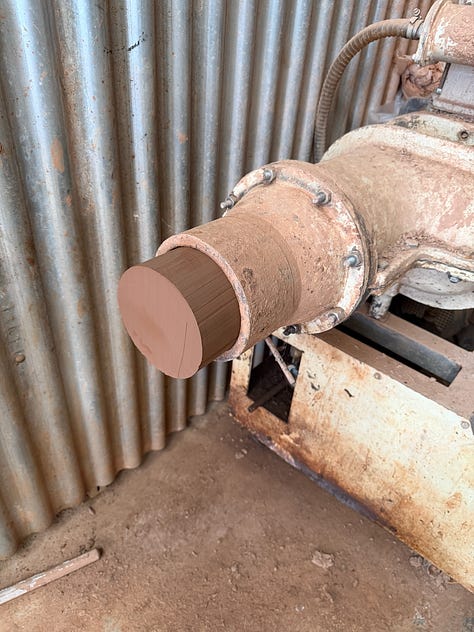
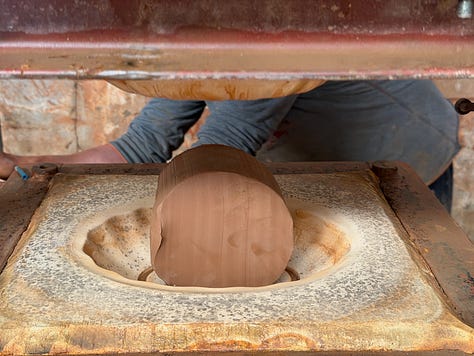
Clay delivered by pallet is put into a machine that compresses it and removes the air, extruding it in manageable cylinders. A chunk is placed in a mold and pressed into a form, in this case, an oval serving bowl.
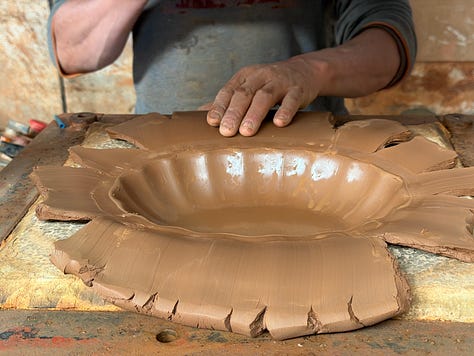
After the bowl or plate comes out of the press, it is left to dry.
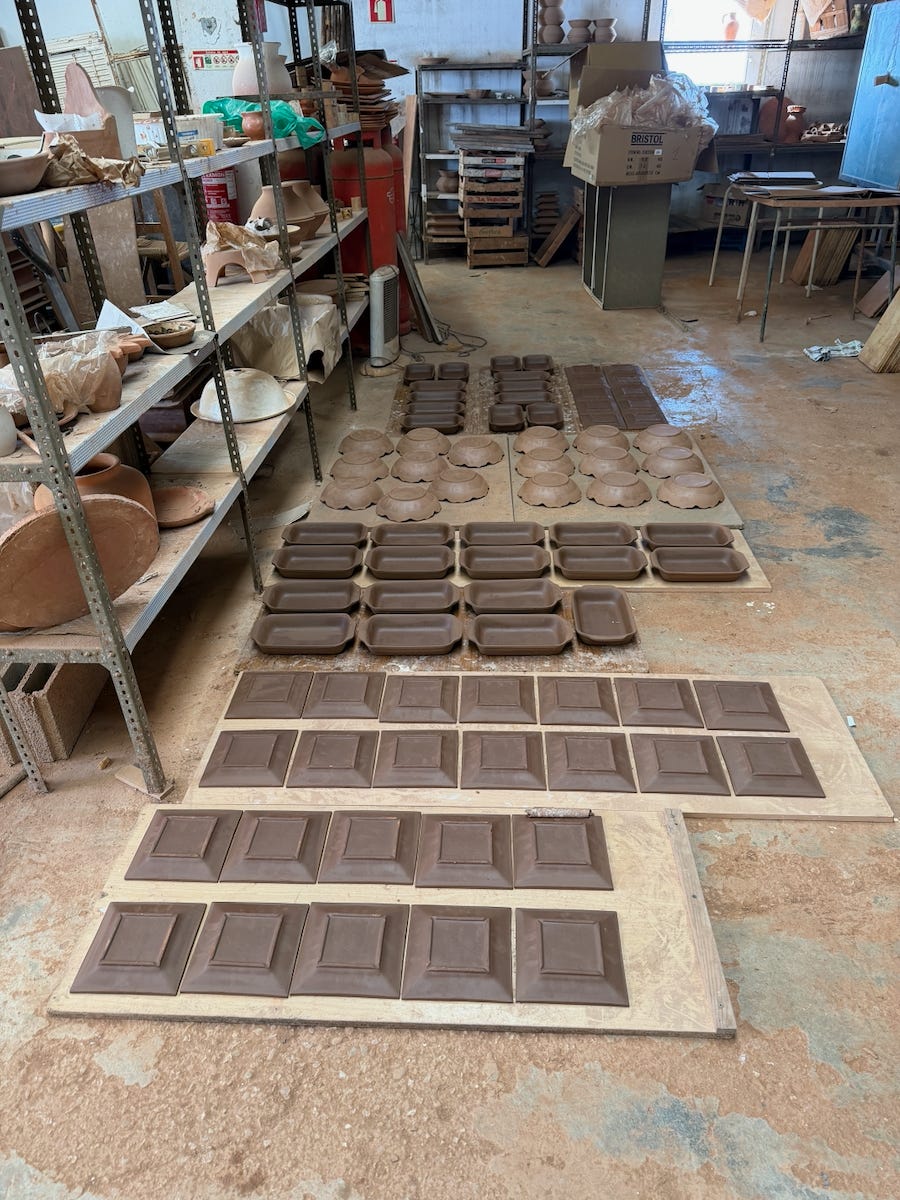
Then the pieces are fired with a special coating that will receive the brightly colored paint. The painting is done by Pedro’s daughter Inês. She first scores the surface to be painted with the design, a technique that is typical of the Alentejo.
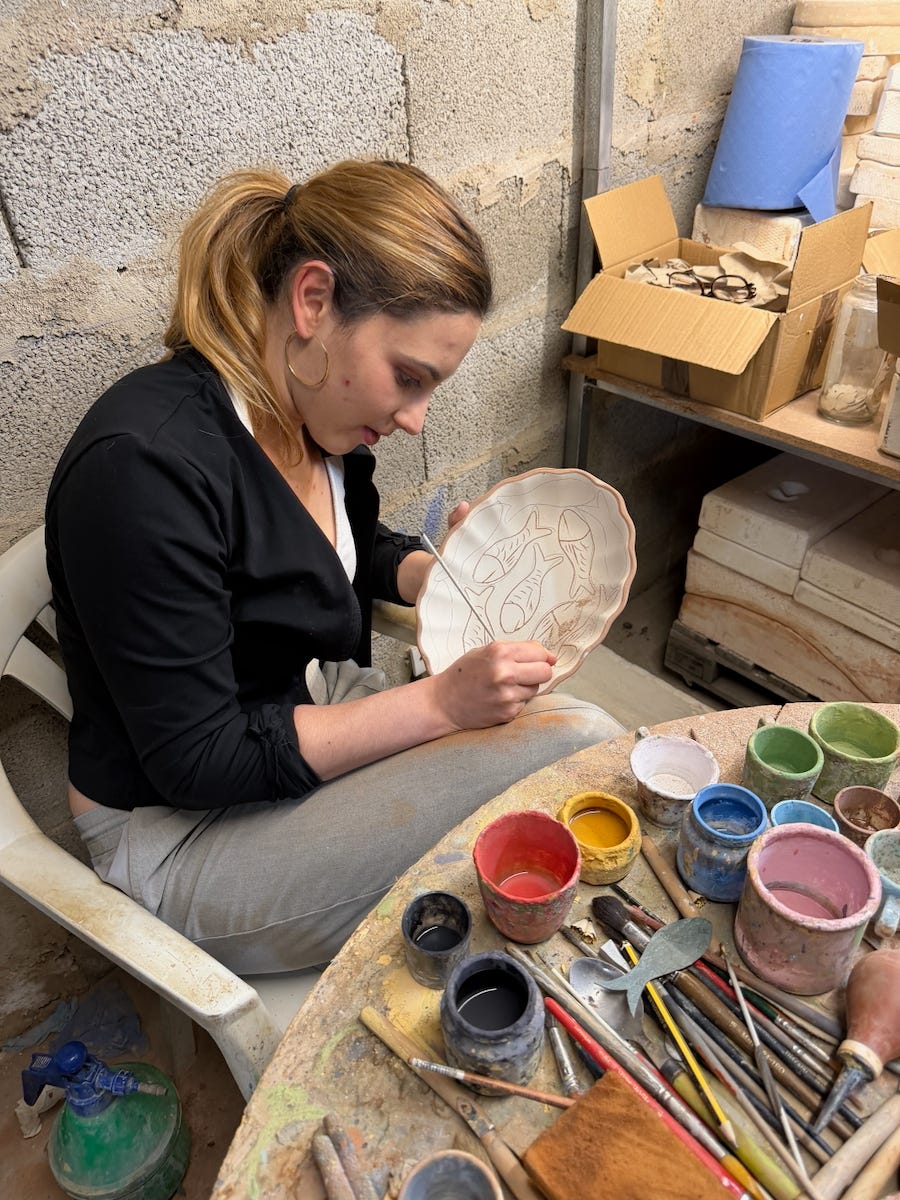
After scoring the design, Inês paints.
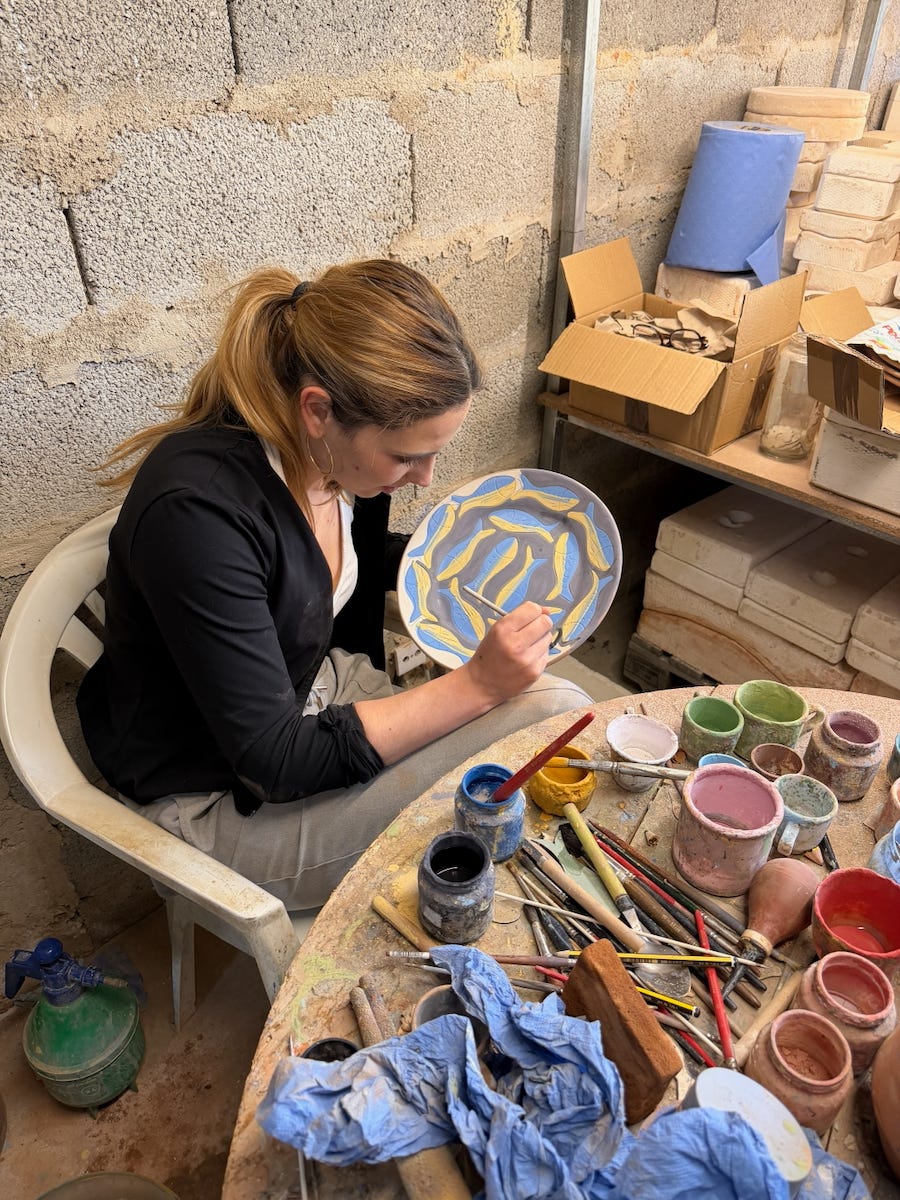
The paint colors appear dull when applied, but after firing they become rich and vibrant. In the next image, the large bowl has not yet been fired, while the small one has.
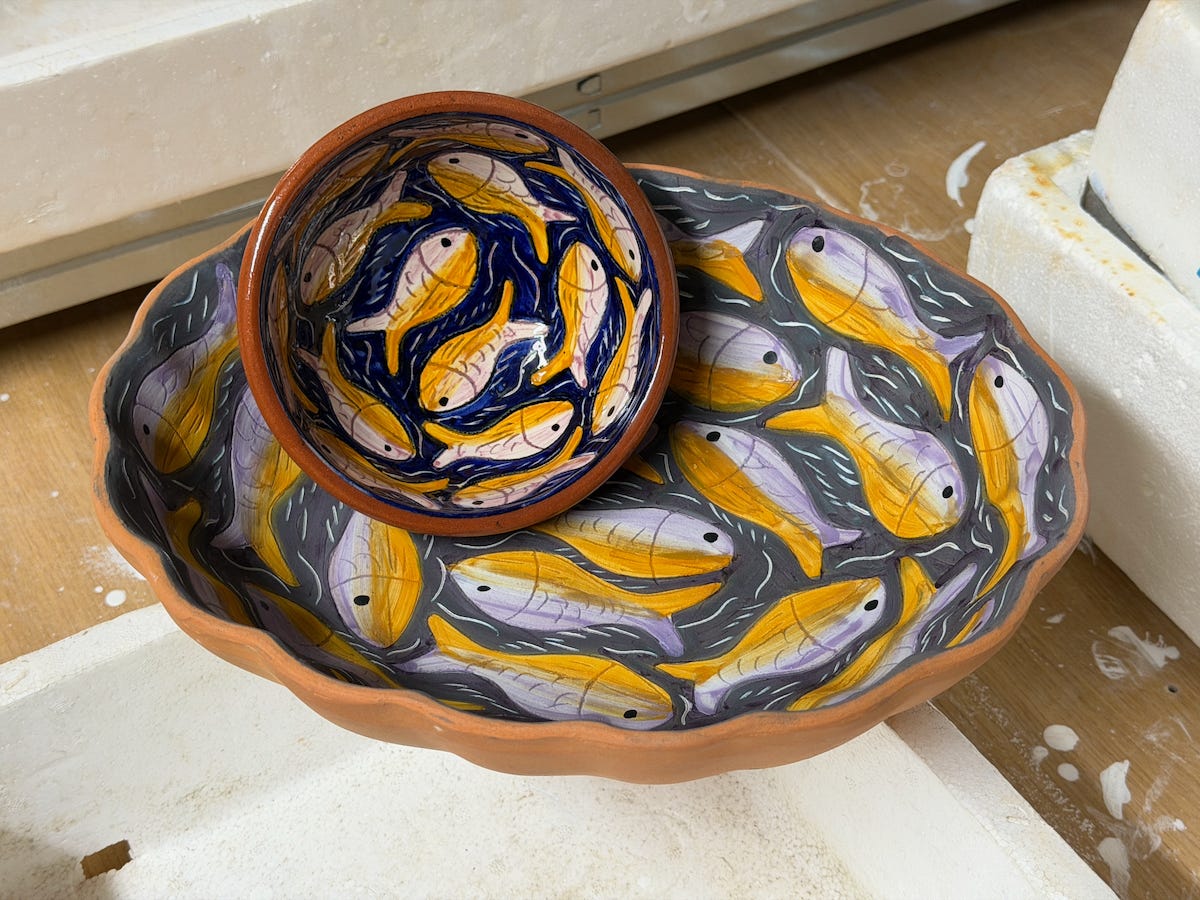
The wide variety of pieces produced by Pedro Piedade’s studio are on offer at markets throughout the Algarve. Follow Olaria Artesanato Algarve on Instagram here.
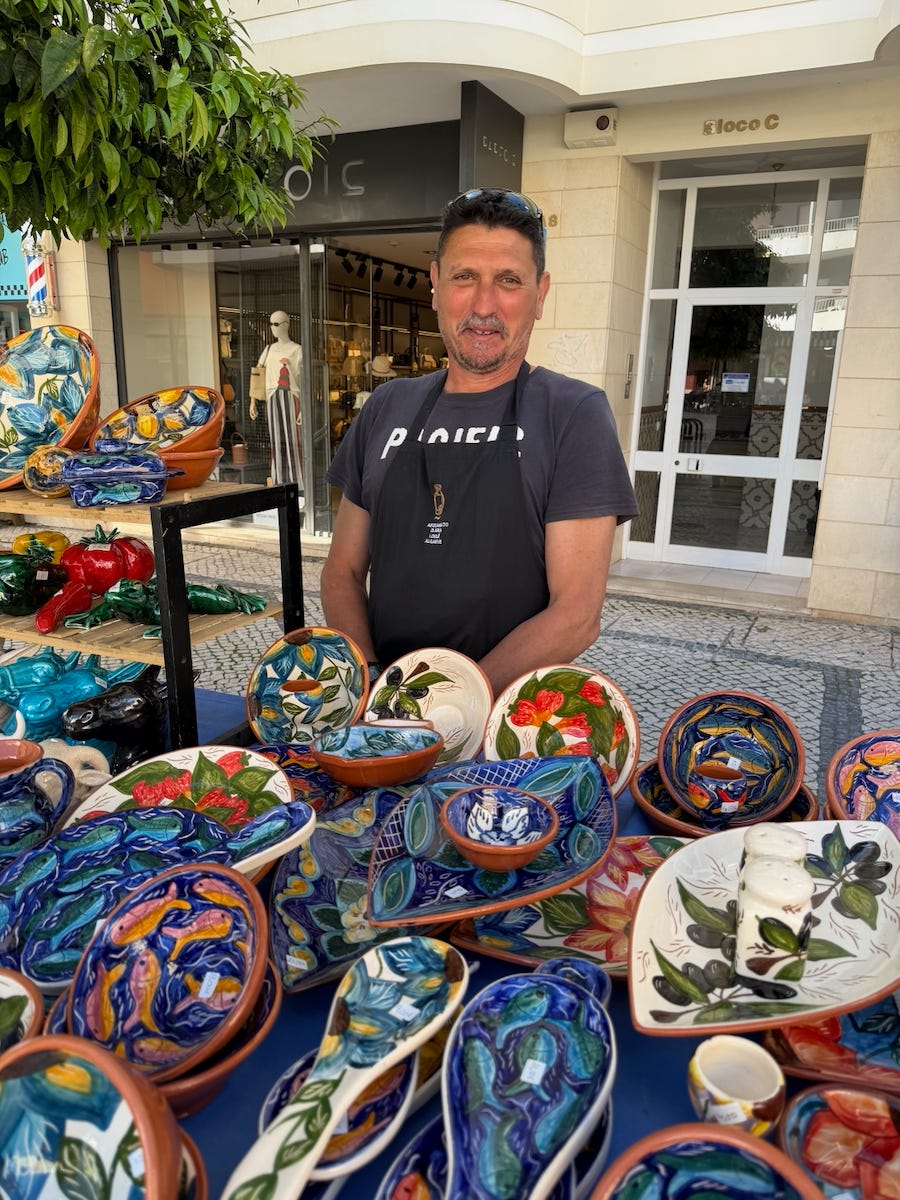
This post has only scratched the surface of the pottery styles of Pedro Piedade’s studio. In a future post I’ll explore more about the various techniques and products. The art and tradition of pottery is quintessentially Portuguese. Support your local olaria, and enjoy using these beautiful pieces every day in your home.
Comments
Nothing yet. Say the first thing.
Sign in to join the conversation.