
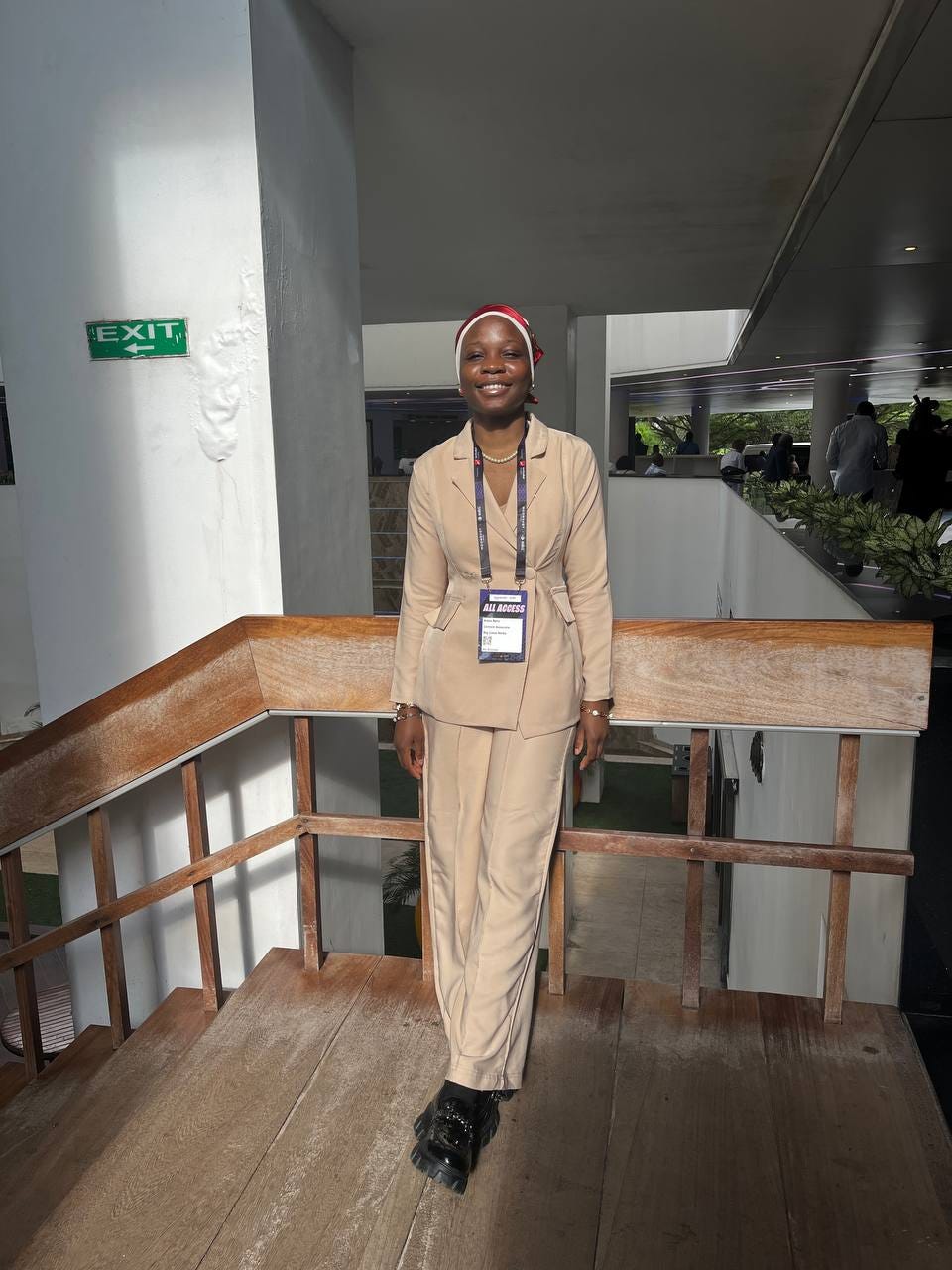
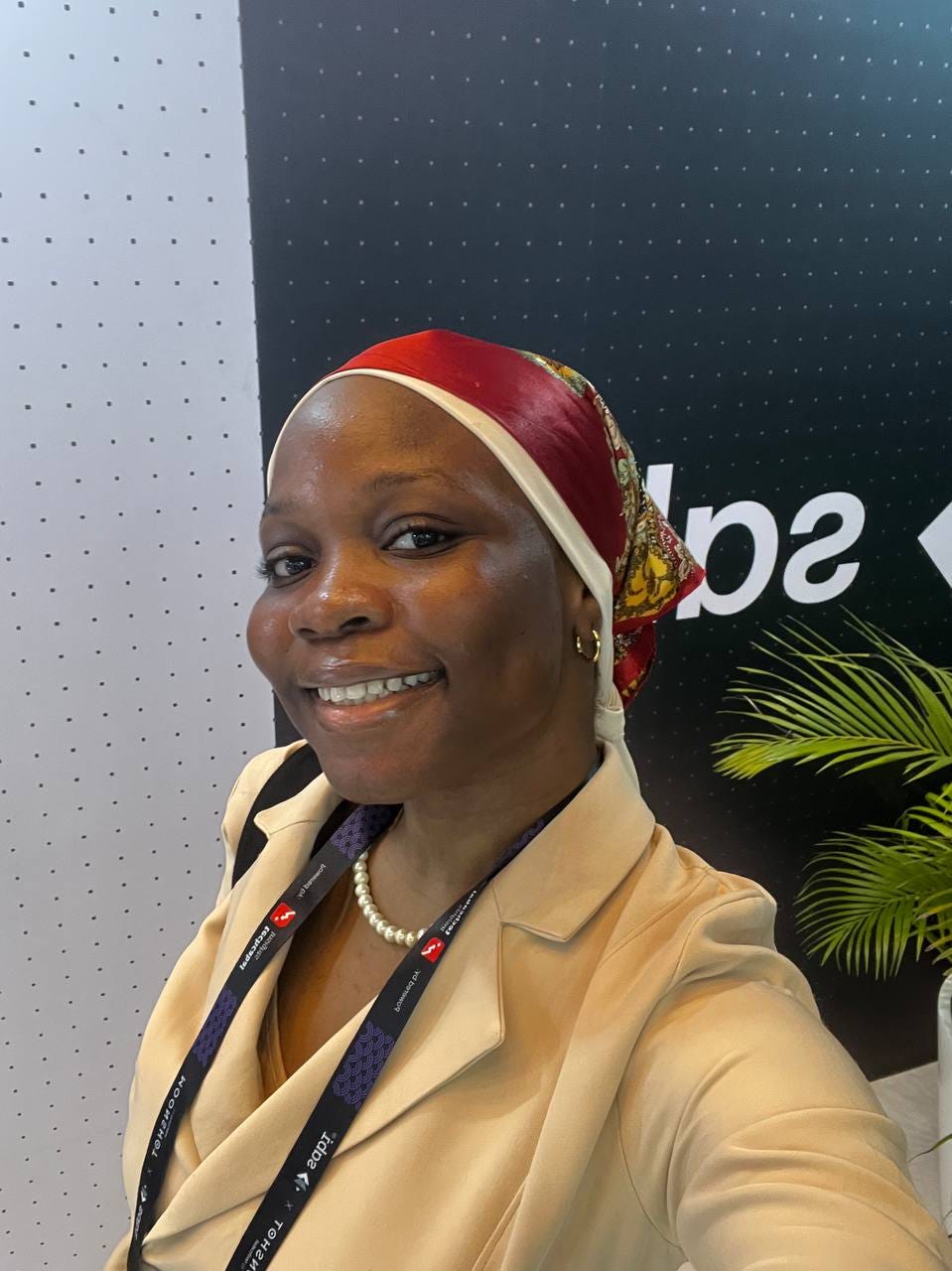
I was at Moonshot by TechCabal, one of the biggest annual tech conferences in Africa, on October 15th and 16th, 2025.
The air at Eko Hotel bubbled with a familiar mix of ambition and energy. Five stages hosted panels, fire side chats and TED-style talks. People moved between booths, networking in corners, while Investors huddled in front rows, and new founders pitched their startups. The whole place felt alive, like a loud, electric marketplace of ideas.
But after my fifth stroll through the exhibition hall, I started to notice something that wouldn’t leave my mind.
Fintechs. Everywhere.
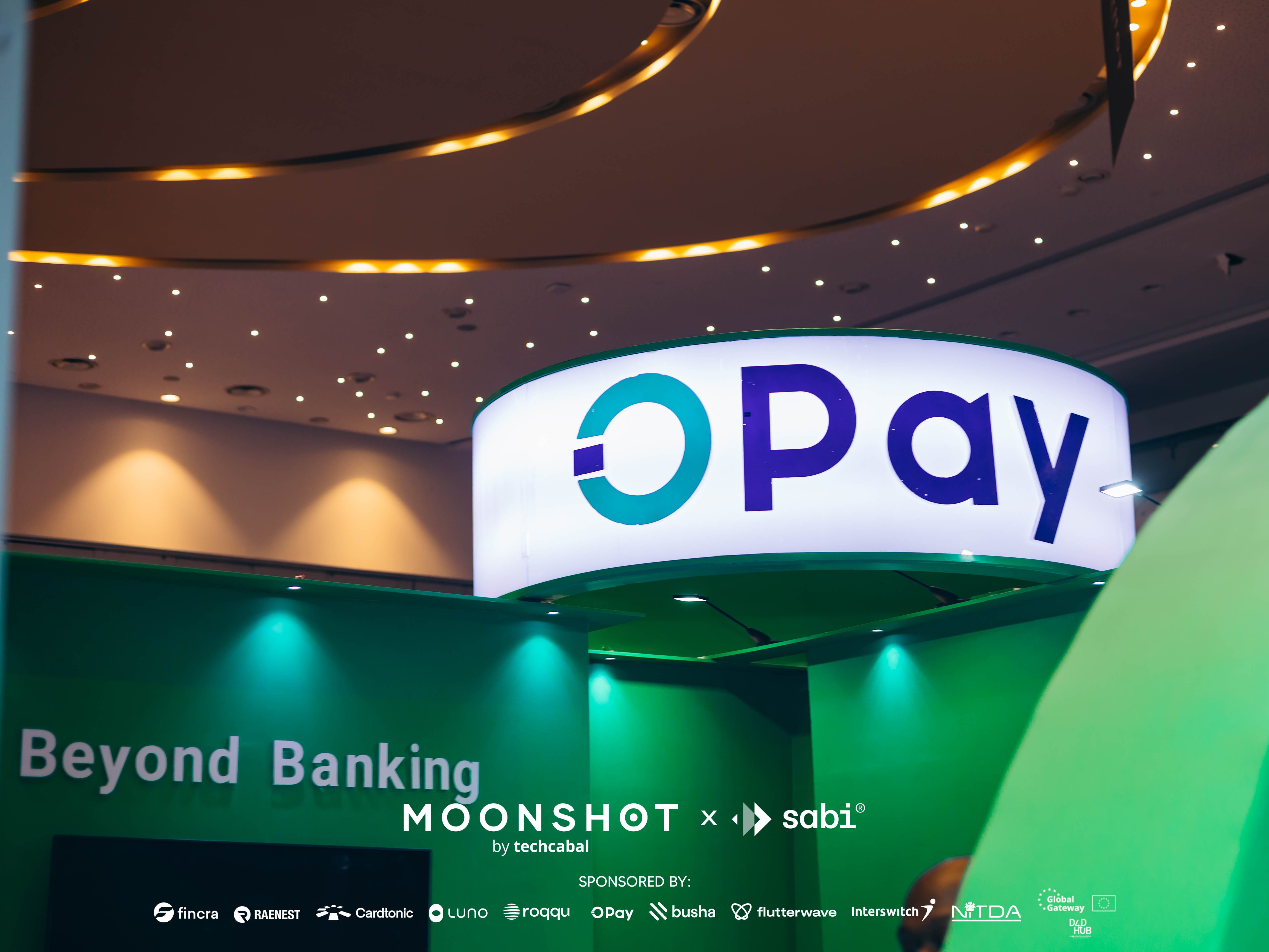
I lost count at some point: one, two, ten, fifteen? Almost every booth was some version of a payment solution, a crypto exchange, or a digital wallet promising to “revolutionise financial inclusion in Africa.” I stood there, surrounded by neon logos and identical promises, and wondered: is there a deficit of startup ideas in Nigeria?
When I asked a colleague, they told me it wasn’t that we lacked ideas, it’s just that fintech has cracked the value chain. They control a large share of the capital, revenue, and attention. Fair enough, but it still felt unbalanced.
Just to confirm this pattern, I asked Perplexity to fetch me some data: according to Disrupt Africa, about 36–43% of tracked Nigerian tech startups are fintechs, by far the largest category as of 2022.
Nigeria has reportedly launched somewhere around 2,000 tech startups, with the most reliable figures clustering around 1,000 active as of 2025. That means roughly 43% are fintech. The rest: healthtech, agritech, edtech, mobility, cleantech, entertainment, proptech, and others have to share what’s left.
That’s not a balanced ecosystem.
So I asked again: is it like this everywhere?
Apparently not. Globally, the distribution of startups varies widely by region. While fintech often leads in emerging markets, no other country I could find has this level of saturation.
Elsewhere, ecosystems spread more evenly across local market needs, sometimes driven by climate priorities, sometimes by infrastructure gaps, sometimes by education or healthcare. But Nigeria’s startup economy seems locked in a loop of “money innovation” where every new venture is a remix of the last.
And it made me think of something familiar.
As a kid, I grew up in a neighbourhood where every other person seemed to own a shop. I remember overhearing an older neighbour boast about buying a plot of land for about ₦90,000 in the early 2010s — big money then. Everyone wanted to maximise their space.
By the time I was twelve, almost every house near the untarred road had a kiosk out front. And nearly all of them sold the same things: everyday consumables — soft drinks, biscuits, soap, sachet water, Maggi cubes. You could walk 100 metres from one NEPA pole to the next and pass five identical shops facing each other. Two barbers within 200 metres. Three tailors within 500. Pharmacies were rare, but chemists sprang up like weeds.
The competition was quiet but brutal. Most of those shops closed within a year, their owners consuming the unsold stock at home. A few survived, usually the ones backed by wealthier relatives or older children abroad.
I didn’t have the words for it then, but what I witnessed was a microcosm of what I saw again at Moonshot: too many people selling the same thing because it’s safe, familiar, and everyone else is doing it.
When I saw those fintech booths lined up, each offering slightly different ways to move money, I thought of those kiosks on my street. Same model, different wrappers.
I have another example of how everyone jumps on what’s hot.
I remember when OpenAI launched ChatGPT in 2022, and how the wave spread like wildfire. Before that, everyone was high on the crypto rave of late 2021 and early 2022, right until the crash wiped it all out.
As a service provider in the startup growth space, I watched the cycles unfold in real time. After the crypto collapse, attention quickly shifted to SaaS. My feed was filled with freelancers rebranding overnight as “SaaS growth specialists.” B2B SaaS was the new hot thing — VCs were pouring money into it, and FOMO was the business model.
Then came ChatGPT, and suddenly, the “AI pivot” became the next badge of survival. Within months, every startup deck and LinkedIn headline had some version of “AI-powered” sprinkled across it. Now, we’re on to the next wave: agentic AI, autonomous agents, whatever’s trending.
It’s the same rhythm everywhere: people chase what’s hot until it cools, then migrate to the next fire.
Walking through those fintech booths, I couldn’t help thinking: what if we’re all just building kiosks again, digital kiosks this time?
It’s not that fintechs don’t matter. They do. Payments are the bloodstream of modern economies. But when 40% of an entire ecosystem is building the same kind of pipes, you start to wonder: who’s building the rest of the house?
That’s why one thing at Moonshot really stood out to me: Sabi, a supply-chain B2B company that’s been the headline sponsor for three years in a row. They’re not even a consumer-facing brand. Yet they’ve built real infrastructure, quietly listening to the market and filling structural gaps most people ignore. That, to me, feels like true innovation.
A few days after Moonshot, I stumbled on an episode of the Light Cone podcast by Y Combinator. The topic? “Unpopular Billion-Dollar Ideas.”
One line stuck with me:
“If you only want to work on what’s hot, you’ll end up working on derivative ideas with 100 competitors. It’s great for number #1 or #2, but every other startup from number #3 to #98 is bound to die.”
The advice was simple but powerful:
Don’t chase what’s hot. Go find what humans desperately need.
They talked about startups like UberX and Lyft, companies that were technically illegal when they launched. The founders believed so deeply in their ideas that they pushed ahead anyway, and the laws eventually moved around them. The market didn’t just adapt, it evolved.
Regulations change when end users find something useful enough to fight for.
Listening to that podcast reminded me of home again. Imagine if, instead of yet another corner store, someone in my old neighbourhood had built a system like Flock Safety — the U.S. startup that installs camera networks to alert communities when crimes happen. (Mind-blowing web experience, by the way.)
Picture a locally adapted version: a device that alerts the community head or vigilantes in real-time when a burglary is happening. Part of the community’s security levy could pay for it. Imagine how many robberies could’ve been stopped before dawn.
That would’ve served the community more than another shop selling biscuits and soap.
And that’s really the point. We don’t need another payment automation startup. We need founders grounded in context, people who look around their communities and ask, what’s missing? what do we actually need? what could only happen now?
Nigeria, Africa, even is still profoundly untapped. But we can’t fill the gaps by copying what’s already working elsewhere. The biggest opportunities will come from those willing to observe, listen, and build for the messy realities in front of them.
Every time I think about innovation, I come back to one question: what does society need, and what do users need?
That’s the first principle.
Everything else: market trends, hype cycles, investor preferences is noise. The only thing that really matters is your ability to solve a problem and attract others who care about solving it too.
The irony, though, is that the most contrarian ideas: the ones truly worth building are often the hardest. And maybe that’s why most people avoid them. It’s easier to build another kiosk.
But if we keep doing that, we’ll never move beyond survival mode.
So if you’re thinking of launching something in 2026, don’t build another digital kiosk. Don’t chase the next hot thing. Look around, listen deeply, and build something people desperately need, even if no one’s building it yet.
That’s how you create real value. That’s how you stand the test of time.
No posts
Comments
Nothing yet. Say the first thing.
Sign in to join the conversation.