
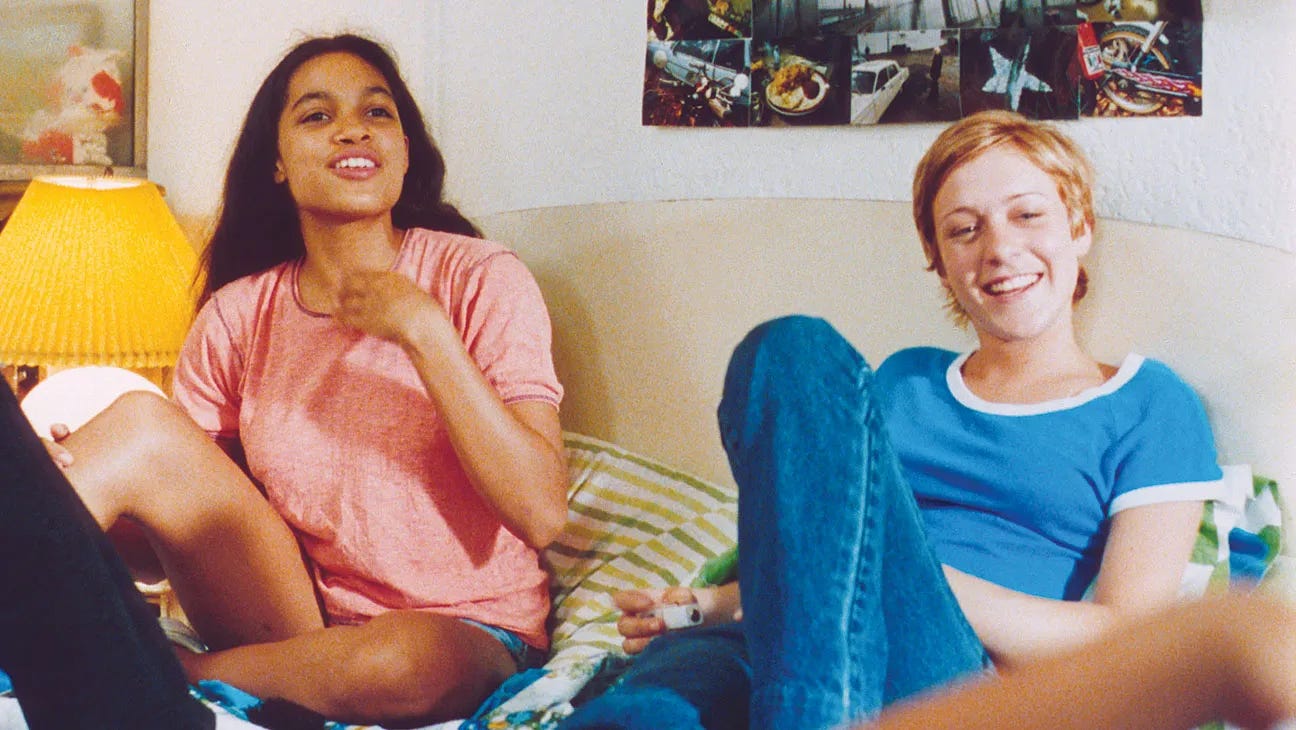
I grew up wanting to be an actress, so the promise of discovery loomed large. I dreamed of a faceless casting director visiting my school, just as the Skins casting team was wont to do, or a drama teacher using their connections to secure me a part in something, leading to a pedestrian life transformed overnight. (The closest I ever got was being stopped in Oxford Street and asked to be a waitress at the Playboy Casino in Mayfair).
The promise of discovery is an alluring one: it allows us the possibility of being passive in our destiny, yet still living out our dream life. One of my best friends was mistakenly under the impression that Gabourey Sidibe was cast in Precious when a casting director overheard her arguing with her parents, so she raised her voice and attempted a pretty cry whenever she jostled with her mum and sister in public. An acquaintance of a friend came to London to study just to walk up and down certain streets in the hopes of being discovered. In other words, it felt like a genuine possibility. Perhaps because, although overblown, at the time it was. Our parents’ generation saw Pamela Anderson being spotted on a stadium Jumbotron and Charlize Theron being scouted by an agent when arguing with a bank teller. A “big break” was also marketed as part and parcel of the American dream.
And the desire for discovery still exists: what are “main character syndrome” and manifestation if not the desire for discovery in different fonts? And for writers, it holds almost as much promise as it does for entertainment folks. A lot of us pen essays and short stories for criminally low rates in the hope that one of them will go viral, that our name will be launched into the stratosphere and that the right person will happen across it, leading to a legacy media job or 6-figure book deal.
But today, people just aren’t getting discovered like they used to. At least not in the same ways.
This can, in part, be traced back to how oversaturated the creative industries have become. Unlike previous generations, who were taught to prioritise financial stability and the family unit, millennials were told that we were special, that we deserved a job we were passionate about (though immigrant parents often err on the side of stability). The media peddled a similar rhetoric. Per Christopher Lasch, “the media give substance to, and thus intensify, narcissistic dreams of fame and glory, encourage common people to identify themselves with the stars.” This led to more people vying for a life of art and fame than before, and to being discovered feeling not only like a realistic possibility, but one that we were entitled to. But when that many aspiring creatives and performers are flapping their proverbial hands, there’s no incentive for industry gatekeepers to unearth obscure talent.
The arts also underwent a seismic shift, when the advent of social media usurped traditional means of talent discovery. Today, unknown faces are rarely cast in films or campaigns (unlike when Calvin Klein skyrocketed a then little-known Kate Moss to notoriety at the advice of Carolyn Bessette), or offered record, movie, or book deals. Instead, it’s those with a hefty social media following, or a famous parent and a hefty social media following, like Apple Martin, who will star in the upcoming Nancy Meyers film, as they can provide free marketing and guarantee a round of initial sales, if not lasting success. Models are still discovered (which makes sense, as their look is 70% of success in the job), but many still complain that an online following is a prerequisite for paid work.
Job seeking in the creative industries, too, has come to rely on social media, hence our Instagram bios now reading like condensed CVs, and the blanket advice to creatives being to “build your personal brand.” Sure, the digital epoch made creative work more accessible, but it also made followers a prerequisite for that work. In other words, the prioritization of ready-made fame in favour of old school discovery gives nepo babies and those with the time and resources to run a full-time social media account an undeniable head start. The word discoverability has even taken on a new meaning - how quickly your name comes up on search engines.
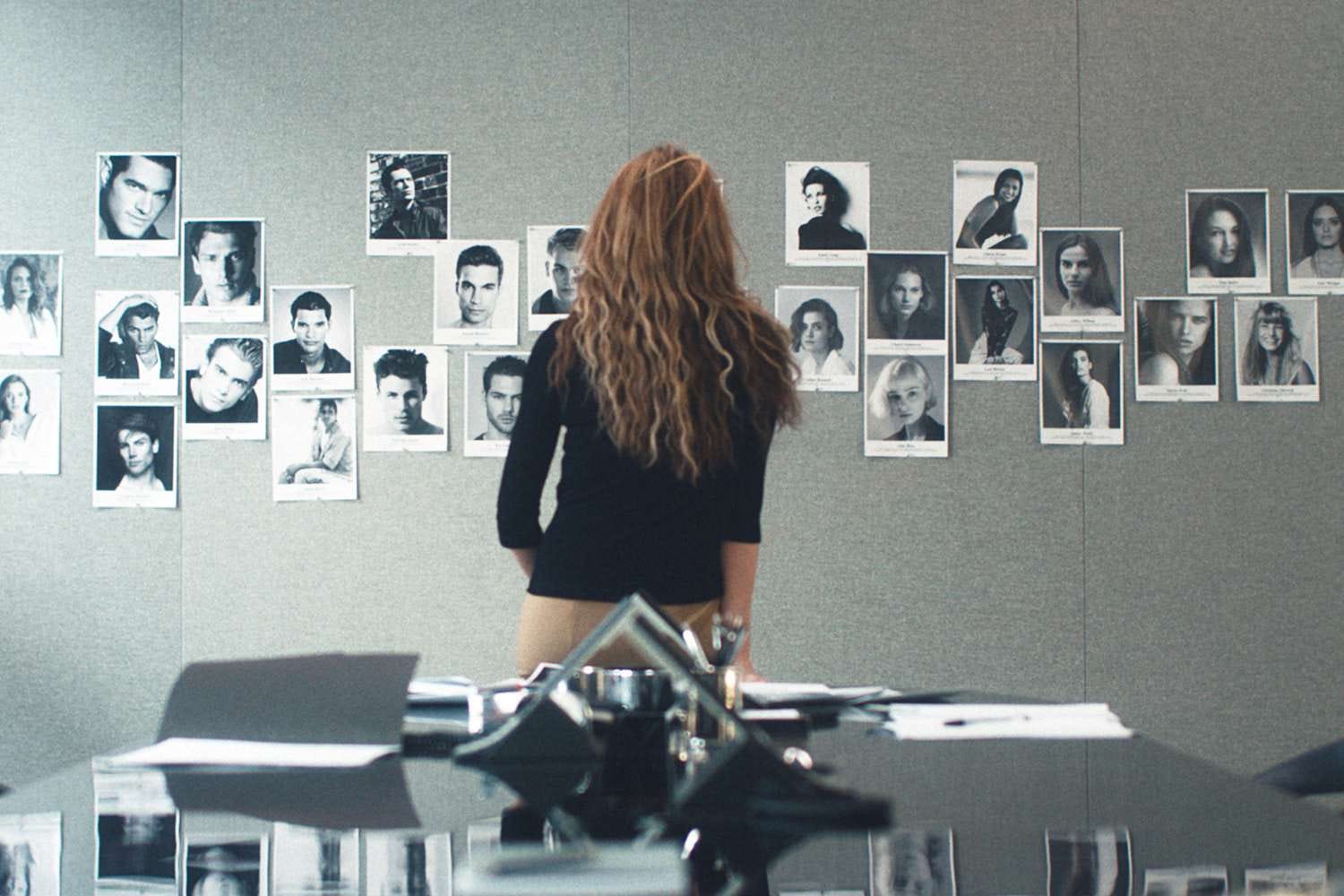
The rise of “Instagram face” – the de facto face popularized by influencers on social media – also plays a role. If symmetrical, indistinguishable faces are dominating movies and TV, casting directors have little reason to seek out interesting-looking, characterful people (the kind that the algorithm may not favour).
The internet also transformed what that elusive “big break” looks like. Today, going viral is the new being discovered. Why hope to be plucked from obscurity by one influential person when you can consume the entire internet? When one post could (supposedly) catapult you into a life of brand deals, press trips, and TikTok monetization?
But virality isn’t always enough to change lives. Nor is being discovered. In 2022, a piece I wrote for The Cut, “Are You Obligated to Delete an Ex’s Nudes?” ricocheted around group chats and was discussed on the American institution The View. This is it, I thought, I’ve made it. But although the piece helped when it came to future commissions, it didn’t change my life or finances in a dramatic way: it wasn’t seen by someone who could offer me a book deal on the history of the nude. And even when the right person does happen across your work, a big break isn’t always imminent. An editor from Vogue recently got in touch with me about freelance work based on my Substack, and although it was flattering, it didn’t change my life. This time, thankfully, I knew better than to expect it to.
Sure, the promise of discovery feeds our entitled delusions, but the possibility of someone selling jewellery on the street being discovered, a la Jason Statham, also brought some democracy to it all. Now, with followers and lineage running the show, the game is more rigged than ever.
A couple other pieces I’ve written over the past few weeks:
https://www.flaunt.com/post/jennifer-garner-baby-its-cold-inside-issue
https://www.vogue.co.uk/article/millennial-wealth-gap-friendship
Comments
Nothing yet. Say the first thing.
Sign in to join the conversation.