
‘K-Fashion Archive: 0 to 100’ is an interview project bridging the lineage between first-generation masters (100) who laid the foundation of Korean fashion and the vibrant emerging talents (0) capturing global attention today. Through the lens of a stylist who feels the pulse of fabric on the field, this project aims to record the true essence of Korean fashion and the humanistic narratives of its designers. Following the legacies of Chang Kwang Hyo, Im Seon-oc, Kimseoryong, Kwak Hyun Joo, Chang Sun Woo,Park Younhee, Park Sejin, Jo Bonbom and Yie Sunyuul, I now open the tenth chapter with the designer who paints before he sews, Choi Chung Hoon.
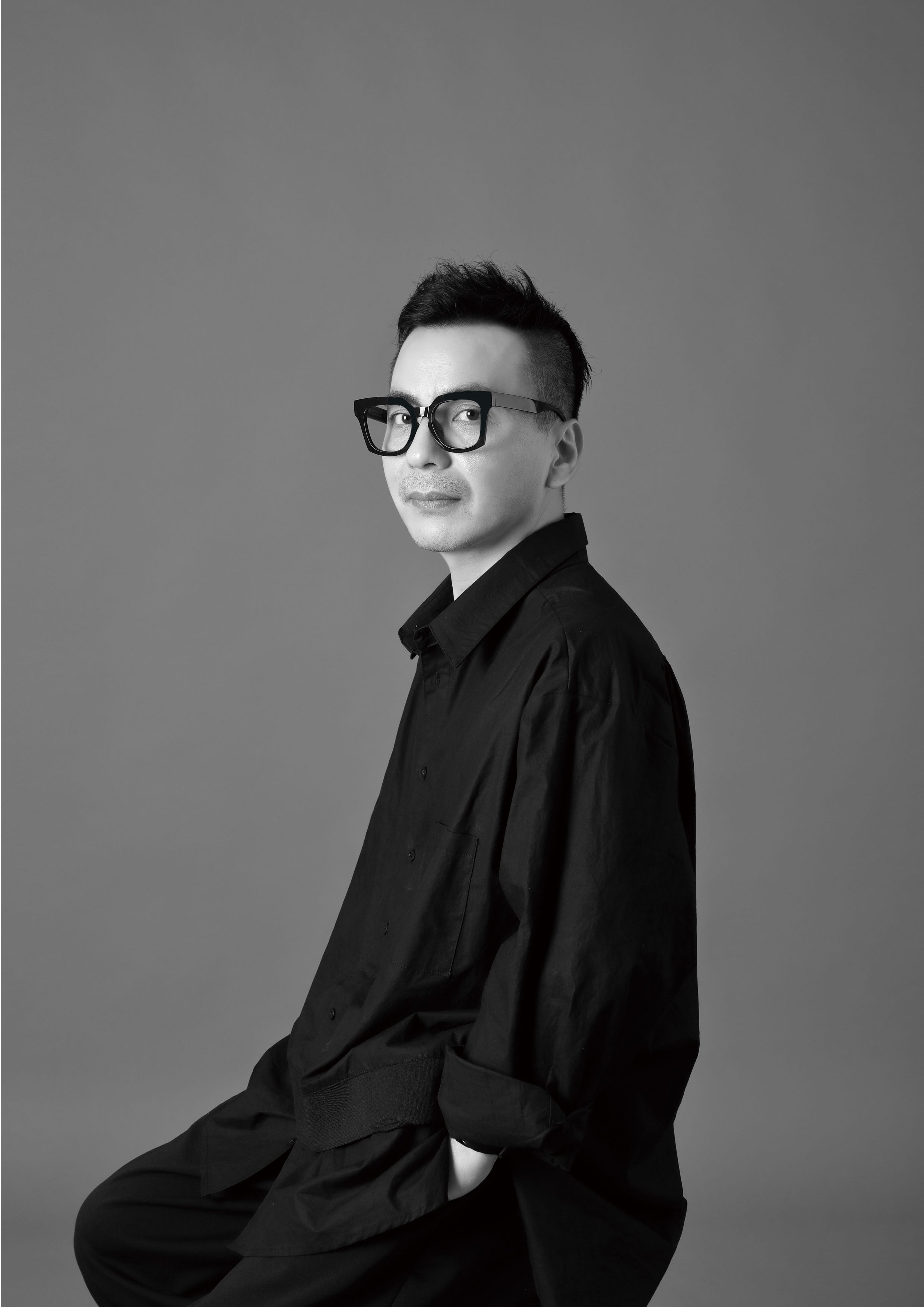
Born in Jincheon, North Chungcheong Province, Choi Chung Hoon grew up with the sounds of flowing streams, the scent of water, and the tactile memory of reeds deeply embedded in his childhood.
Before he ever learned the word ‘fashion,’ he absorbed the vibrant five senses of pure nature and the changing hues of the seasons through his own bodily senses.
Moving to Paris, he honed his craft as an assistant designer at Kenzo and Chanel while absorbing multifaceted experience on the backstage frontlines as a makeup artist and stylist. The refined sensibility built within top luxury houses, combined with these boundary-crossing experiences, became the rich foundation for DOUCAN’s original patterns and distinctive sense of color. Carrying that mastery back to Korea, he established his brand ‘DOUCAN’.
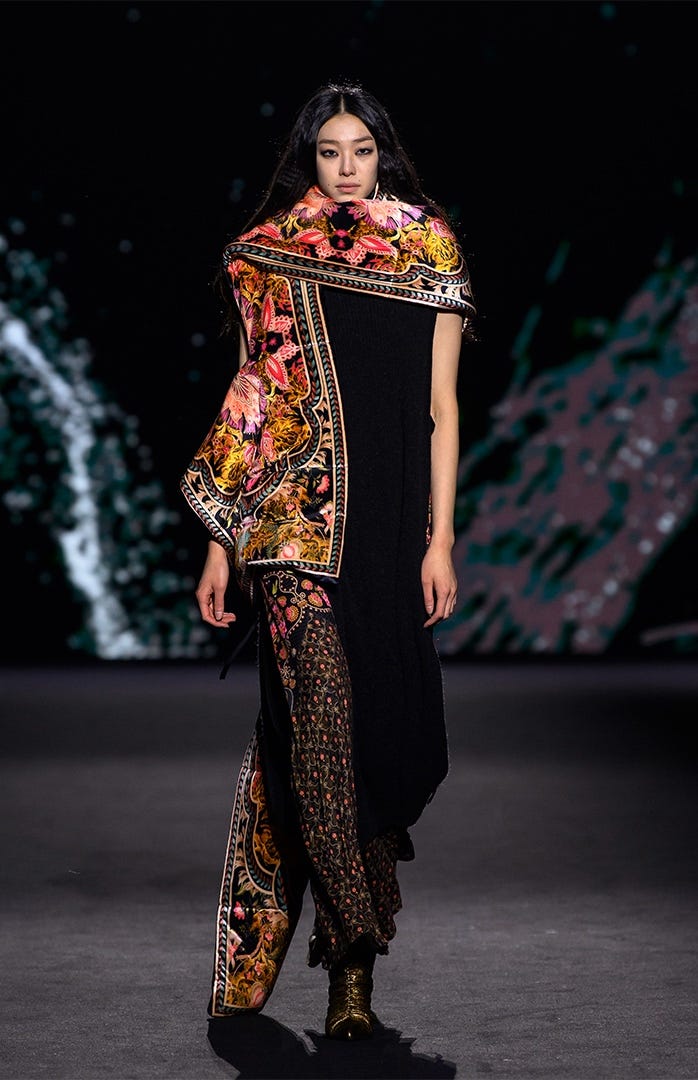
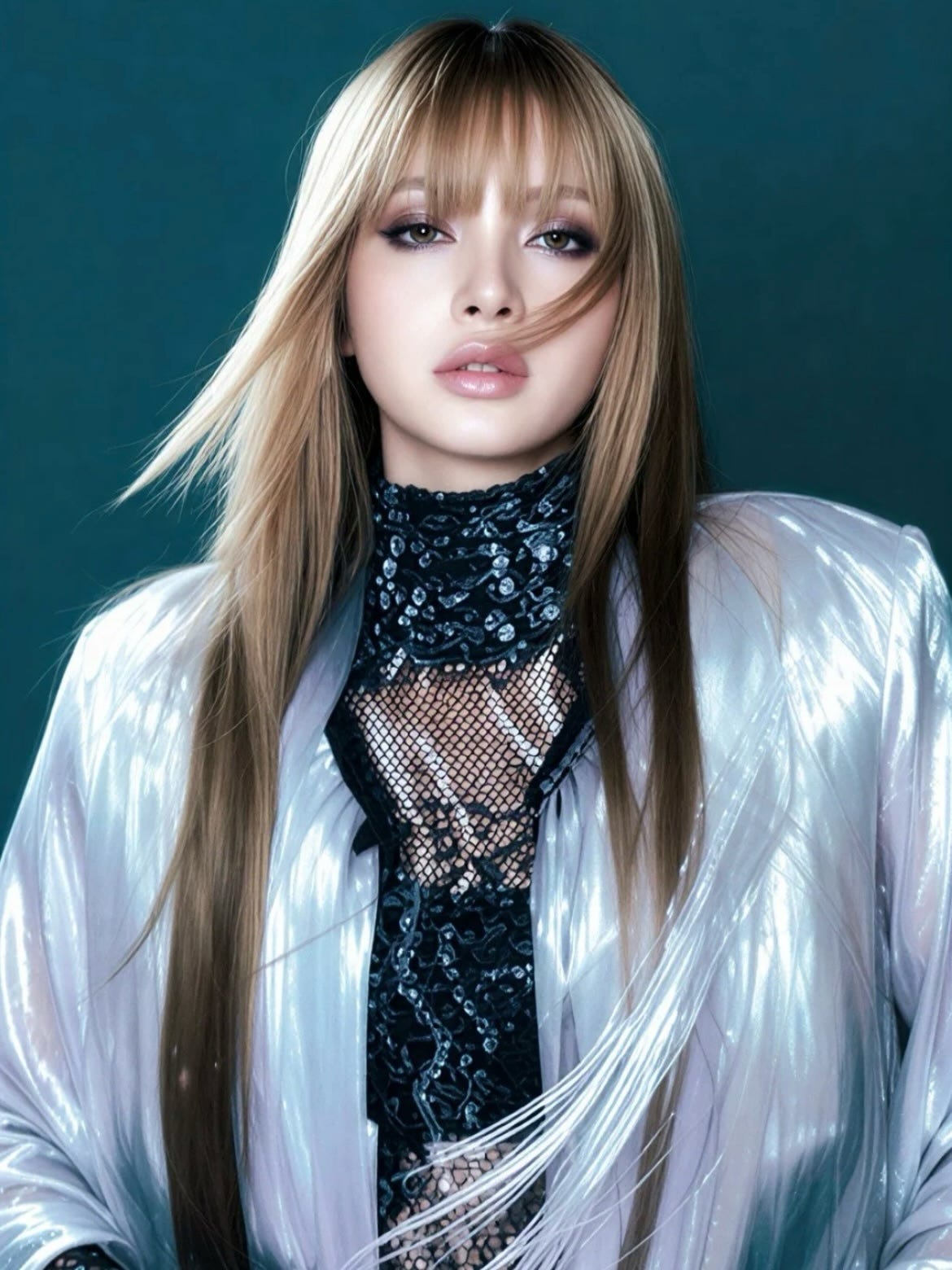
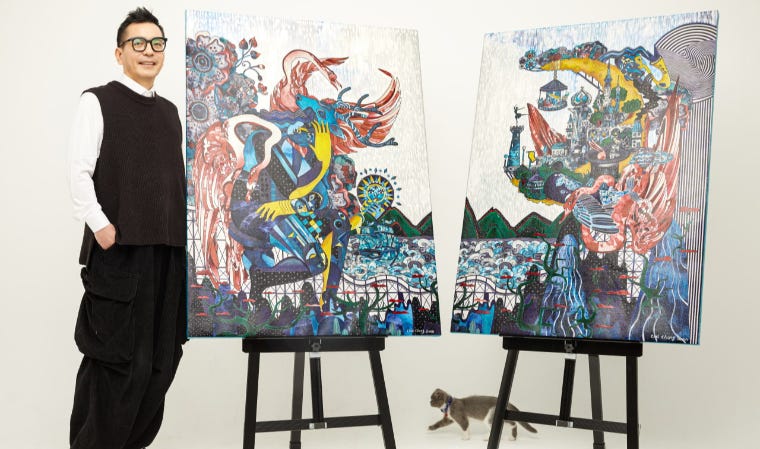
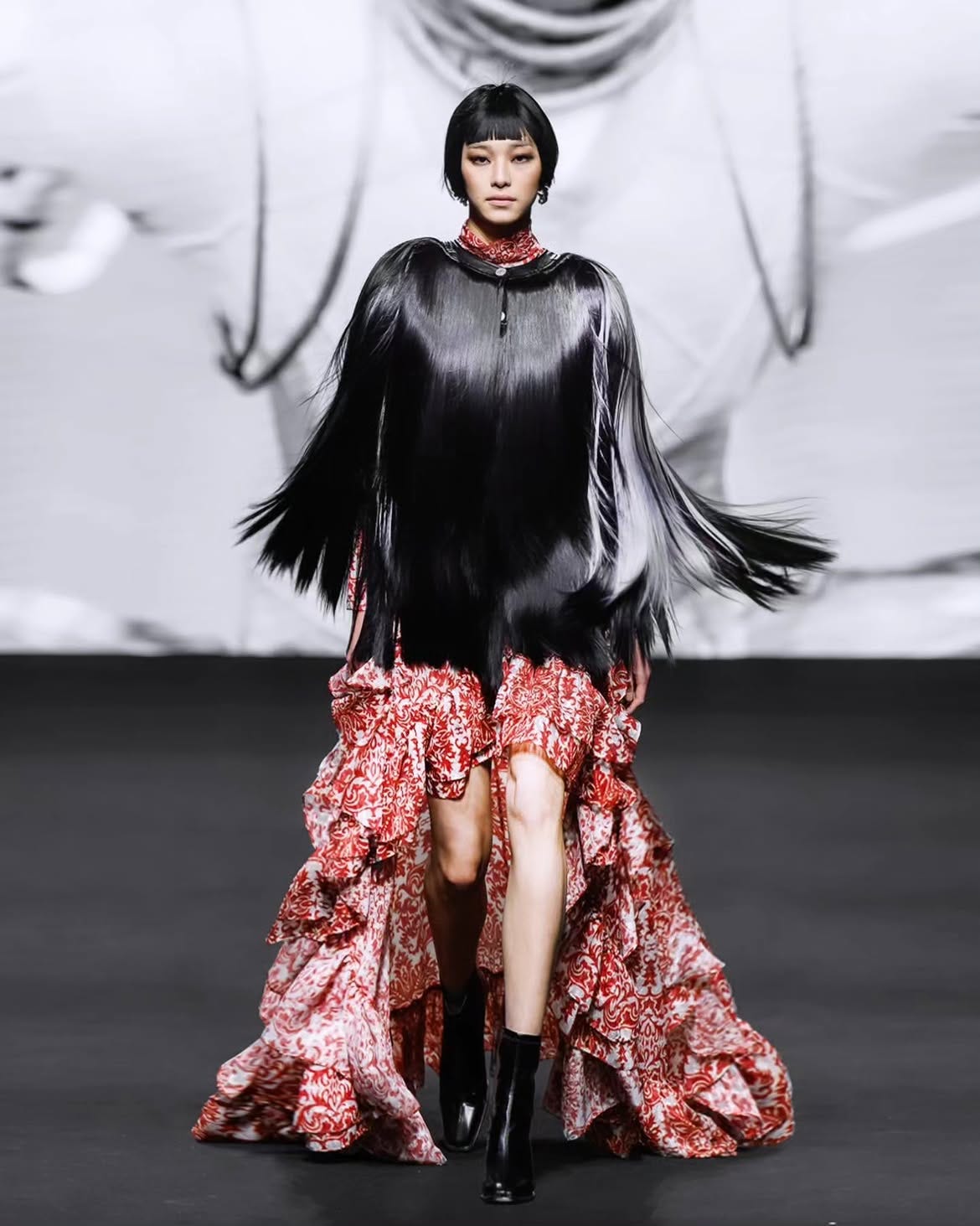
DOUCAN’s time flows in reverse. An original painting is born from his fingertips first, followed by finding the right fabric to capture it, before finally drapes into a silhouette. From the upcycled wig jacket—reinterpreted with a high-end sensibility that captivated the global stage on BLACKPINK’s Lisa—to the striking graphics that colored Paris Fashion Week, this reverse process has become an identity only DOUCAN can deliver.
Yet, at the core of this brilliance lies a profound personal narrative. The painting series ‘Yearning’, created amidst intense grief after losing his closest friend right before his first Paris show. The resilience to speak of that tragedy four years later with a calm and cheerful smile is precisely what makes him most ‘DOUCAN.’
DOUCAN’s garments possess a special power: turning the wearer into the ‘clear protagonist of their own life.’ Watching him thoughtfully care for his hometown and those around him, expressing that sharing makes him happier, I felt a deep sense of warm ‘Korean Jeong (情).’ A true leader who brightens his surroundings—that warm heart breathes right inside DOUCAN’s clothes.
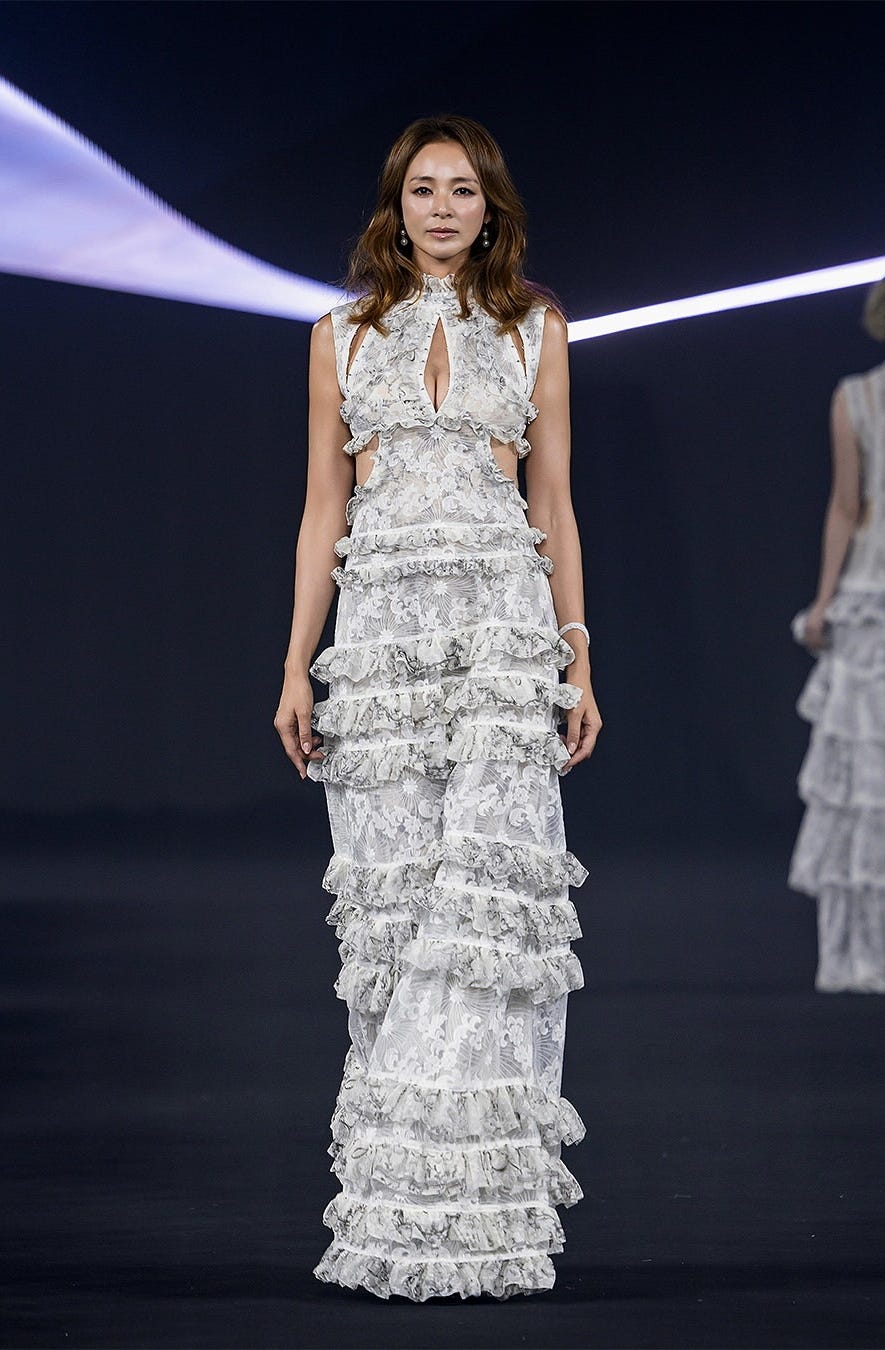
Rather than a single specific color popping into my head, growing up in untamed nature and absorbing the seasonal colors with my eyes and body served as my main foundation. From the greenery of summer, the brown of autumn, the white of winter, to the flowers blooming in front of our yard.
I am particularly fond of auditory and sensory elements alongside visual ones. The sound of the creek running when catching fish as a child, the smell of water, and the texture of reeds remain deeply inside me. Creating clothes is a process that satisfies all five senses rather than just visual aesthetics, and those rich sensory memories from my youth continue to enrich my creative work today.
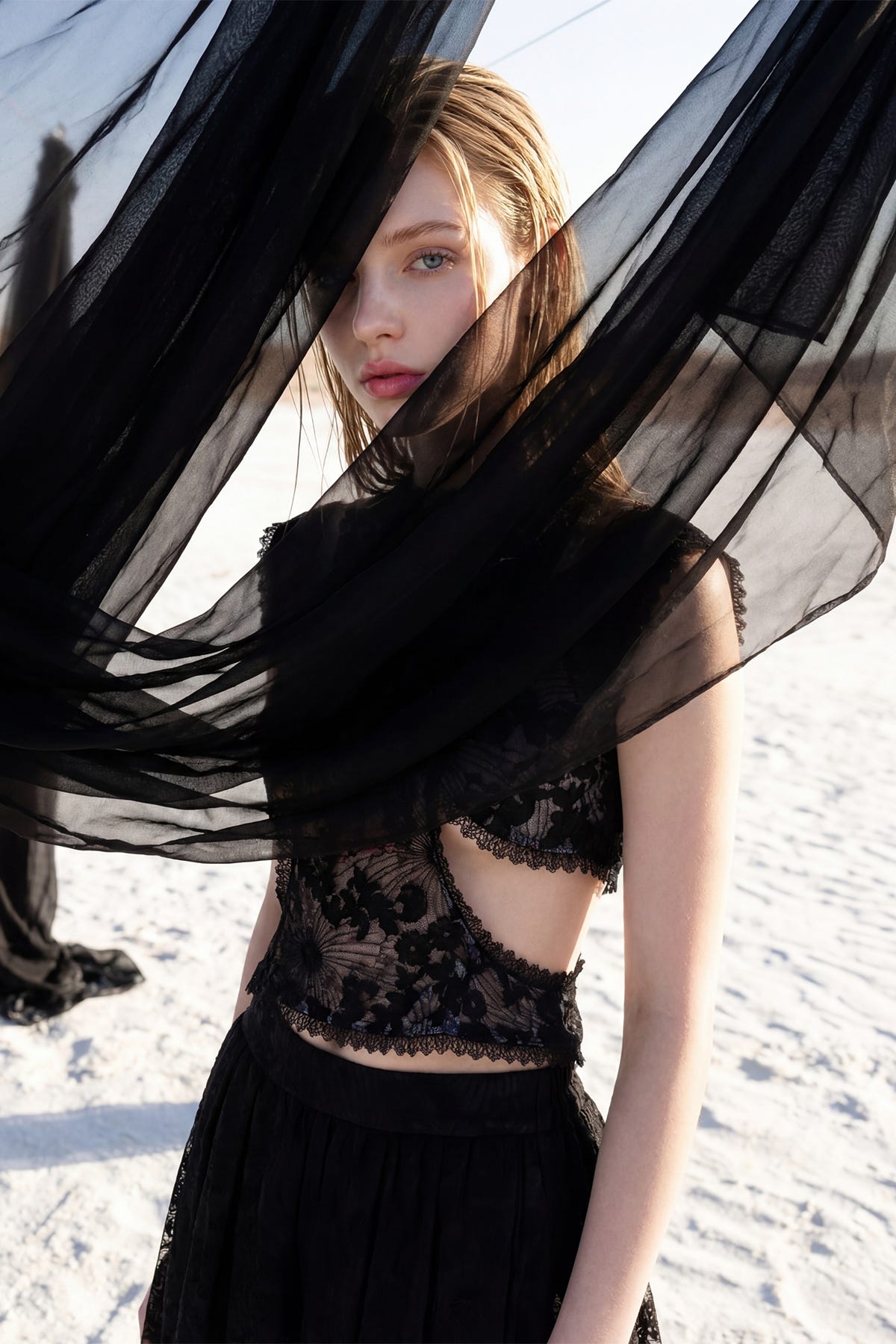
Since I was only in my mid-twenties at the time, it wasn’t so much ‘confidence’ as it was pure happiness. Out of hundreds of employees, I just felt proud that head designer Gilles Rosier remembered me and gave me such encouraging words.
When I first arrived in Paris, my French wasn’t fluent. So I enrolled in makeup school first—both to connect with people and to learn the language faster. But while studying makeup, I developed a deep understanding of color harmony—how eye shadows, lipsticks, and blushes interact across diverse color spectrums, and how they complement garments. Later on, studying fashion and working as a stylist gave me a broader perspective to view the entire runway as a whole. Those reckless, courageous leaps of my twenties ended up creating the immense synergy that made me who I am today.
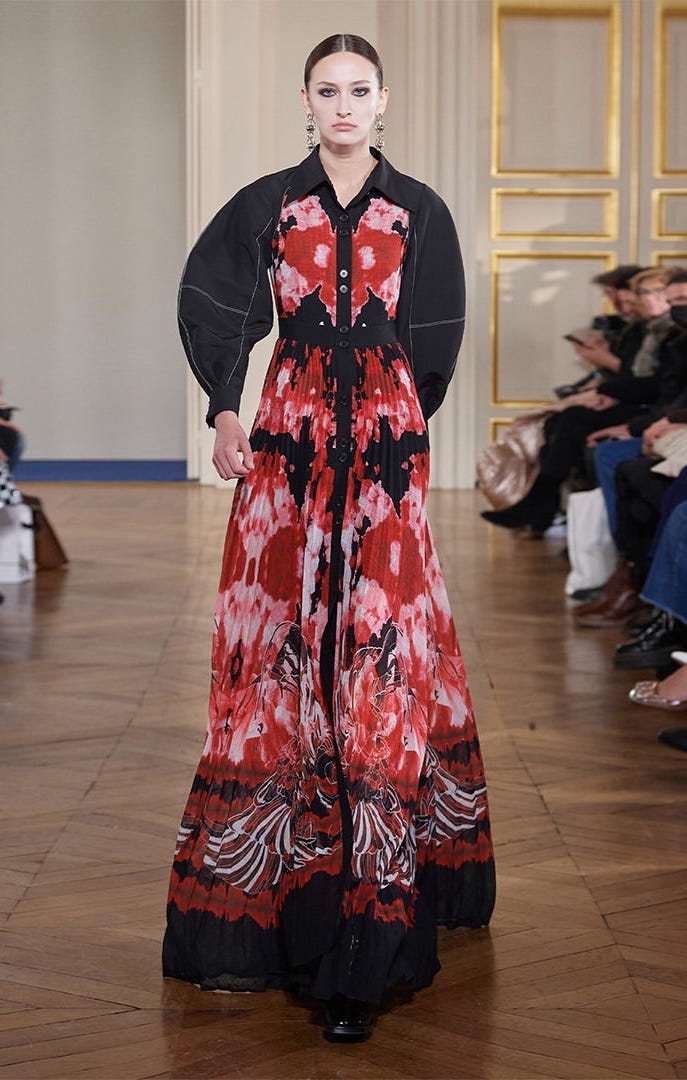
Honestly, I don’t believe in absolute rules or formulas when it comes to mixing colors. What truly matters is how naturally my original artwork harmonizes with the garment.
The standard that decides a piece’s completion is ‘rhythm.’ Even if vibrant colors and artwork explode within a single design, there must be a sense of pacing that tempers the tone elsewhere. After all, even a musical or a piece of music quickly fatigue the audience if it stays at its peak from start to finish.
From the intense hues during our Middle Eastern buyer focus to our recent, slightly dialed-down palette tailored for Asian markets, it is precisely when we ride that fluid rhythm—surging forward, then settling down—that DOUCAN’s signature color identity comes to life.
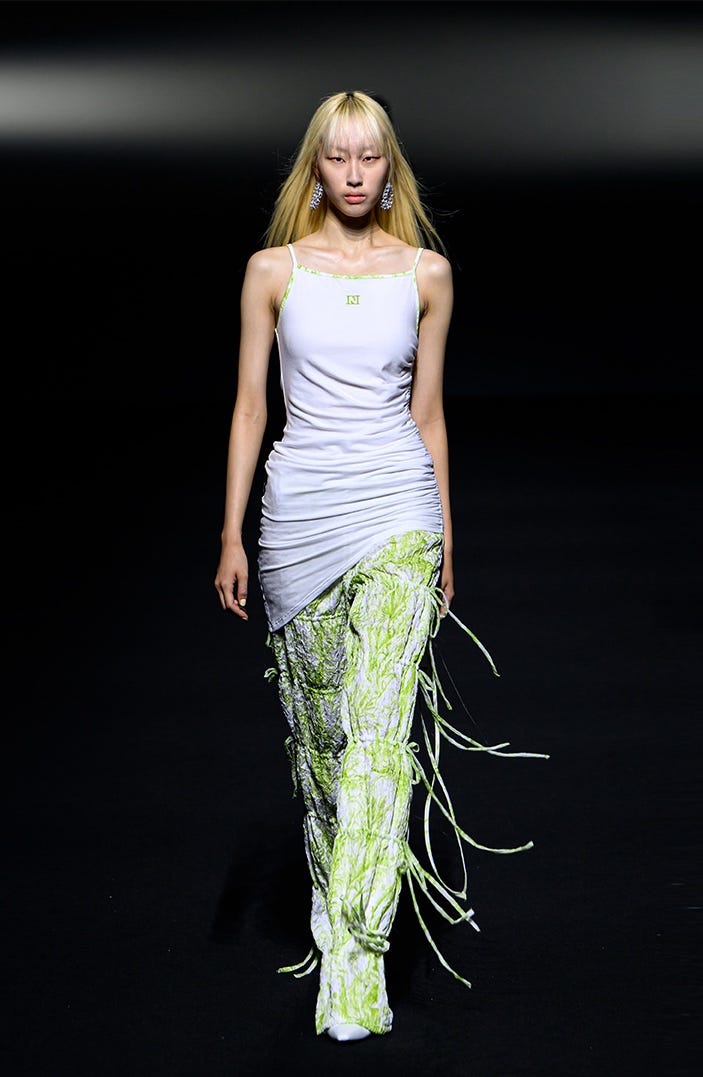
Because we work in reverse—creating the artwork first and then selecting matching fabrics—the process initially required many more steps and was quite challenging.
Over time, however, this approach became second nature. Today, I can seamlessly blend both methods—starting either with the fabric or with the artwork—navigating the entire process with much greater ease and expertise.
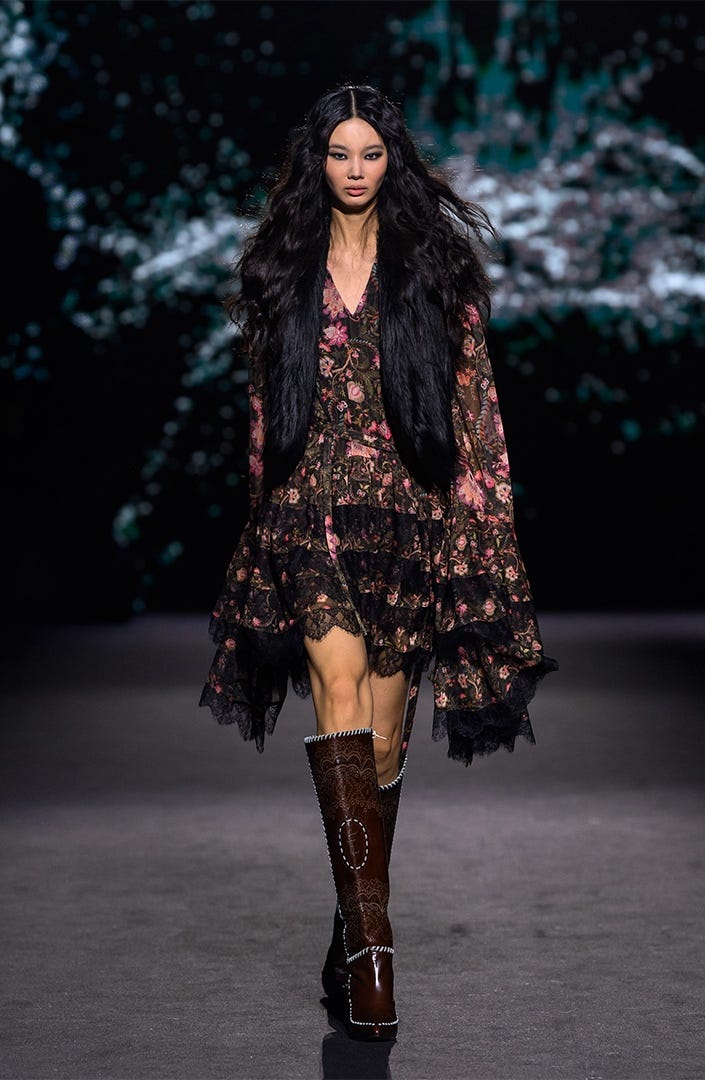
Seoul is an exceptionally fast-paced and noisy city. In the midst of that relentless intensity, I wanted to offer a refreshing pause—a moment where we can let down our guard and simply breathe. I wanted to capture the quiet, leisurely atmosphere I experienced during my time in Paris and weave that sense of peace into this collection.
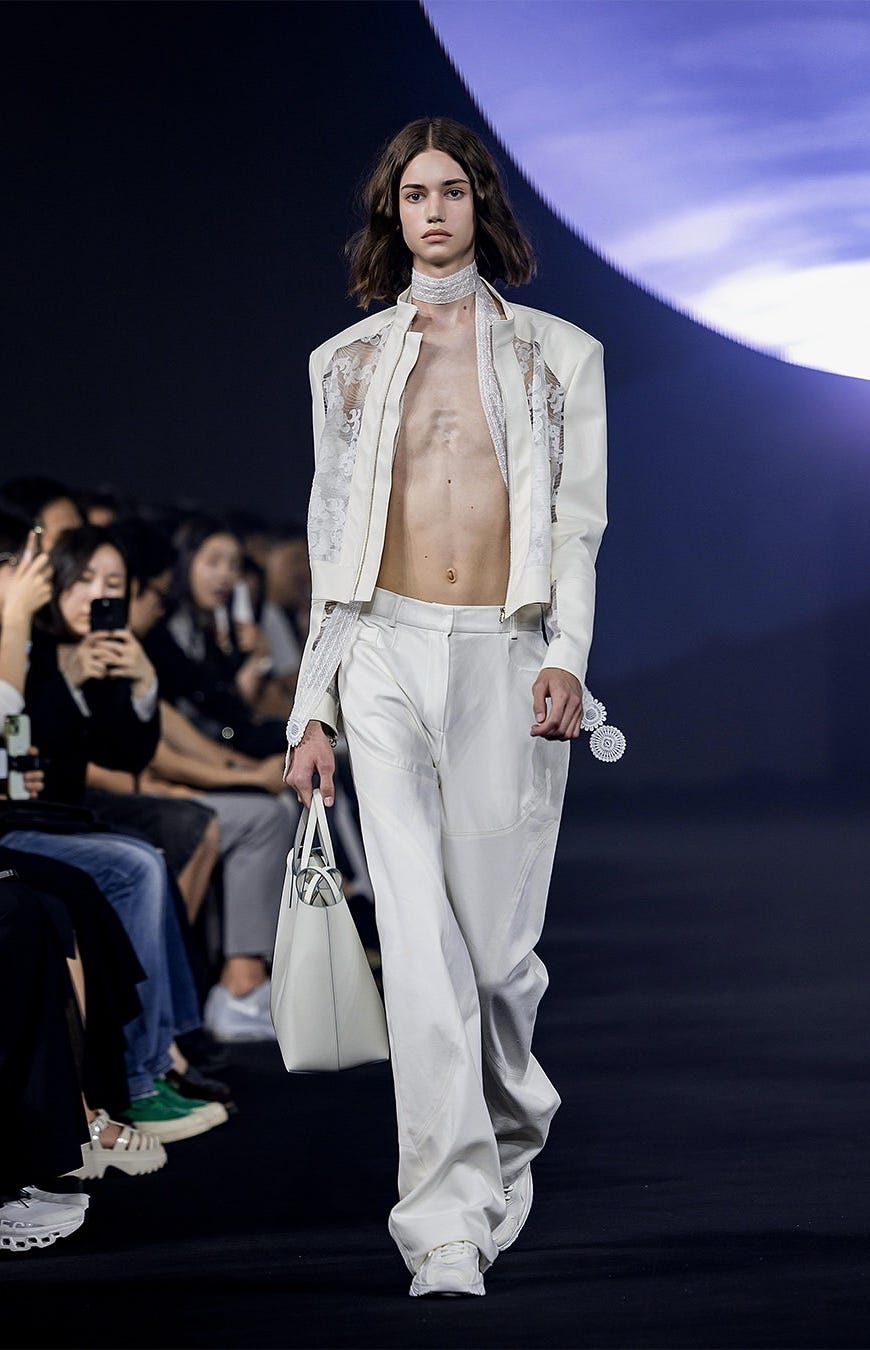
I often joke with friends that ‘Paris is my true hometown,’ but Jincheon—where my family lives and where I shared my earliest memories—will always be my anchor. Though the town itself has changed over the decades, the warmth and moments we shared remain as beautiful as ever.
Handing out roses at the show was born from a simple wish to support the flower farms in my hometown that have been struggling through tough economic times. I purchased roses directly from Jincheon and collaborated with a floral artist to create over 50 bouquets. Instead of just receiving flowers as the designer, I wanted to gift them to the models, celebrities, and guests who came to celebrate with me.
While it was a small gesture, seeing it bring strength to the local farmers and joy to our guests made it an unforgettable moment. To me, both Jincheon and the act of sharing represent the same thing: the beauty of creating and holding shared memories together. It’s a moment I’ll never forget, and something I’d love to do again and again.
It really comes down to me doing my best in my own space. Without greed, all I can do is keep walking my path, climbing step by step at my own steady pace. This isn’t something that happens overnight.
People often ask why K-fashion seems slower compared to K-pop, K-dramas, or K-beauty, but places like Paris and Milan are built on centuries of history and cultural heritage. I don’t think we can judge a market with a completely different historical baseline based on short-term results or one-off issues like celebrity spottings.
In the end, what matters isn’t a fleeting trend or a temporary broadcast appearance. When you hold onto your core essence and DNA while taking it one step at a time, your roots deepen and your trunk strengthens—and then the branches and leaves naturally expand. Staying grounded and persistently moving forward, even through rain and wind—that, to me, is what matters most.
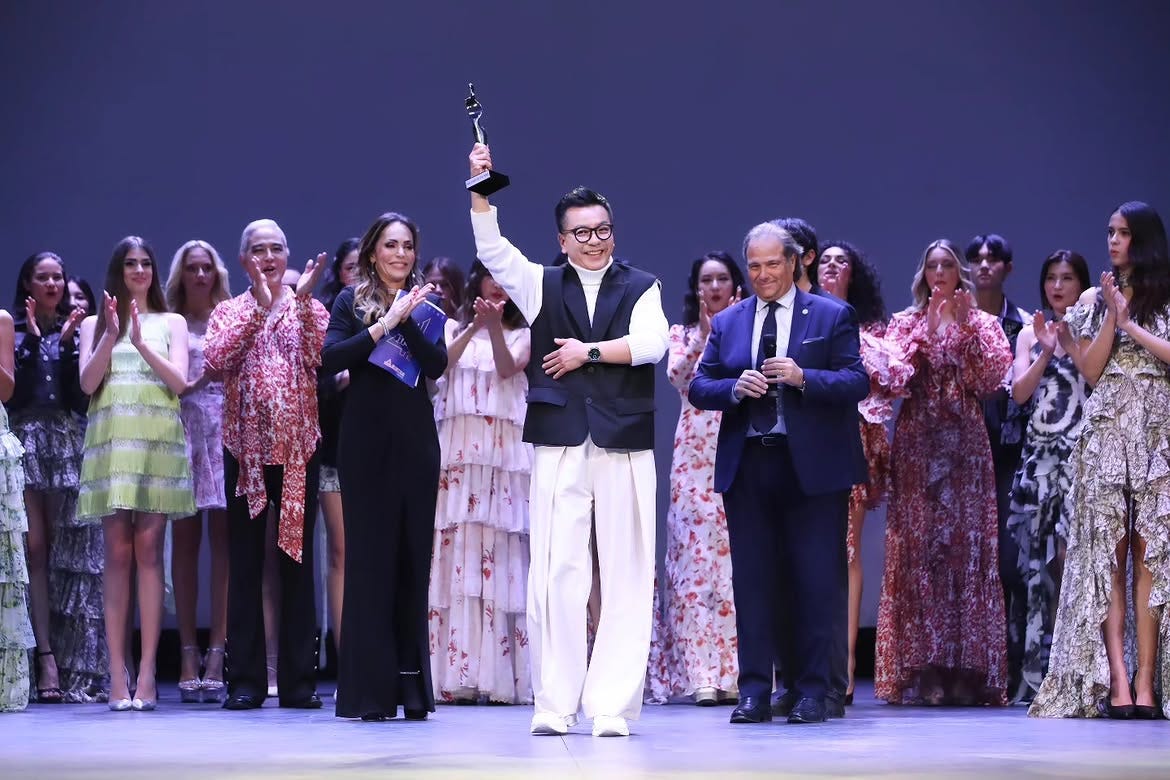
When I saw audience members moved to tears amidst the music and spotlights at my show, I thought, ‘Maybe I am an artist too.’ For those 15 minutes on the runway, I become the conductor. Creative work always comes with pain, but you need that struggle to truly understand the beauty and joy of the final result.
When I painted Longing back in 2022, I was overwhelmed by the pressure of my Paris Fashion Week debut and the sudden, heartbreaking loss of my closest friend. At a recent book concert with medical professionals, I shared this artwork along with a piece of my own writing:
‘When everyone speaks of my light, I search for the light every night. The world sees my brilliance, but I am still trembling and breathing fiercely. Even in my brightest moments, I am always shaking.’
Back then, it was a time of pure pain and darkness, but the fact that I can now look back and talk about it with a smile feels deeply ironic.
I never studied art formally, but I believe I inherited a creative DNA from my parents. I’m excited to see how I’ll fill that blank canvas next. My ultimate dream is to grow beyond garments into a comprehensive lifestyle house—spanning home textiles, scarves, ceramics, chairs, and sofas.
I, too, am still someone walking this path. It’s important to stay humble without being rude to anyone, steadily walking your own path step by step.
Above all, you must move forward with a clearly defined brand DNA—that is your strongest weapon. Instead of copying what’s working for someone else, you should always carry your own color with you.
Paving your own route and walking it—that, to me, is the wisest way forward.
If I had to choose a color, I’d choose black. When you mix all the vibrant colors together—red, blue, yellow—you ultimately get black. As a designer who has used countless colors throughout my career, black feels like the truest reflection of who I am because it holds every color within it. In that sense, I hope to be remembered as a person of depth.
Summarizing myself in a single sentence is difficult, but it brings to mind what my oldest friends might say about me in the future. Since we’re close, we’d probably just laugh it all off, but I’d love it if they said, ‘He was a bit eccentric and unusual, but man, he was a truly cool friend.’ Rather than just being weird, I hope to be remembered as a deep, truly wonderful person who possessed a special kind of uniqueness.”
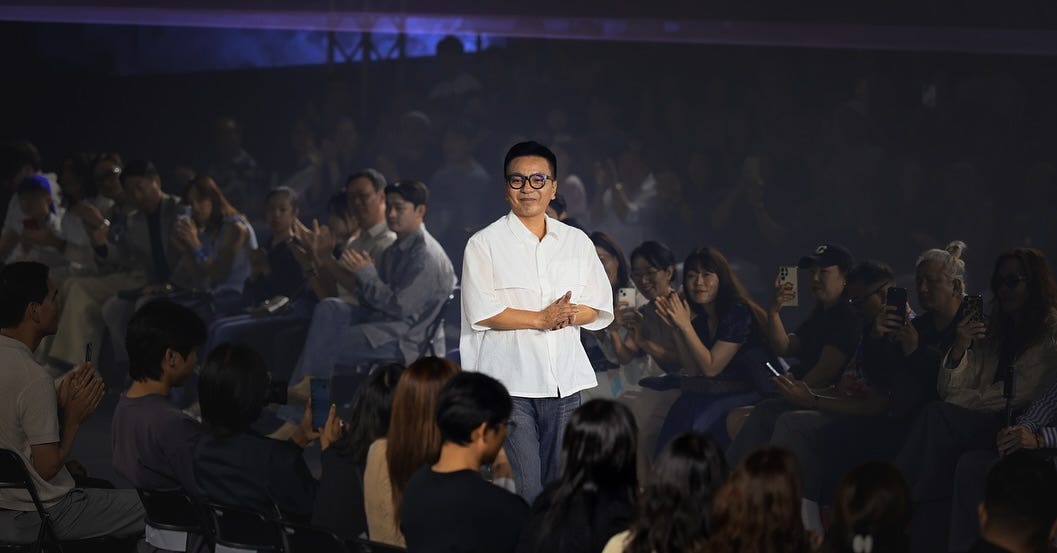
What defines designer Choi Chung Hoon isn’t global commercial success or a shelf full of prestigious awards. His true value lies in his profound love and resolute philosophy—an unconditional devotion shared with every person and connection that shapes his life.
On the runway, he is a maestro conducting light, music, and the models’ walk; behind the scenes, he is a true leader who brightens his surroundings with humor and warmth.
“That is our ultimate motto: happiness. Everyone in this world is the main character of their own story, and I simply want those main characters to feel genuinely happy when wearing our clothes. If wearing DOUCAN brings them greater joy and helps them cherish those precious, happy moments for a long time, nothing could make me happier.”
He possesses the remarkable strength to create his most beautiful work out of pure despair, and years later, look back at that pain with a smile. Today, he continues to walk steadily forward at his own tempo, quietly coloring the world with his own warm hues and happiness.
The [Korean Designer Archive: 0 to 100] project is an interview series connecting the lineage of first-generation masters who became the roots of Korean fashion and the rising creators currently gathering global attention.
Following Chang KwangHyo, Im Seonoc, Kim Seoryong, Kwak Hyun Joo, Chang SunWoo, Park Younhee, Park Sejin, Jo Bonbom and Yie Sunyuul this tenth chapter with designer Choi Chung Hoon reminds us once again of a fundamental truth: the true essence of enduring art is forged only through a humble strength—one that embraces the world with warmth while staying resolutely true to its own DNA.
This archival journey connecting Korea, Europe, and the world continues.
Please look forward to the next chapter.
Thank you! ❤️
If this story moved you, share it with someone who needs to hear it today.
No posts
Comments
Nothing yet. Say the first thing.
Sign in to join the conversation.