
Truth lived upon a shelf of doubt
I liked to keep her there
So she and Hope could work it out
Resolve my fate as fair
One day, I held her to the light
My opened eyes to see
Fine details that my heart denied
With startling clarity
Truth laughed at me, a wicked witch
Reality most brutal
Yet when I set my pain aside
My logic found her neutral
I scolded girlish weaknesses
Anaesthetised my aches
I banished daydreams unto clouds
Churned over past mistakes
I placed Truth back upon the shelf
And noticed Hope was damaged
I’ll visit Truth again one day
As soon as I can manage
Meaning
I’ve never gone in for this ‘your truth, my truth’ business. There can be only one truth, the only thing that differs is perspective.
The view from the middle of a hill is different to the view at the top or bottom, they are all ‘true’.
Although truth is absolute, humans do have an unfortunate tendency to distort it. I think of the human brain like a hall of mirrors when it comes to truth. Think of yourself entering such a hall. The true you enters but a distortion prevails. Your mind deceives you. Sometimes you gaze and see something awful, disgusting. Other mirrors flatter and prettify. When we apply this analogy to truth as a concept, you can see how it relates to optimism and pessimism. Both distortions inform the way we employ truth. Both serve a psychological function.
Hope coaxes and cajoles. It exists to give us promise of something more, better days to come. For some of us, truth alone is too bare, we aspire to greater things. If we believed this was ‘all that there is’ we would be forever rabbits frozen in the headlights of life, paralysed.
Pessimism on the other hand, exists to protect us. If we have mentally prepared for a worst case scenario before it happens, therefore halted it, we skip enduring the real life version of said worst case scenario. By destroying something on its embryonic journey before it can implant, we never have to suffer the death of something amazing.
Can we stop ourselves distorting matters to suit our own psychological need? I’m not sure we can. But perhaps by observing these traits within ourselves and being aware of what we are more prone to, we gain insight.
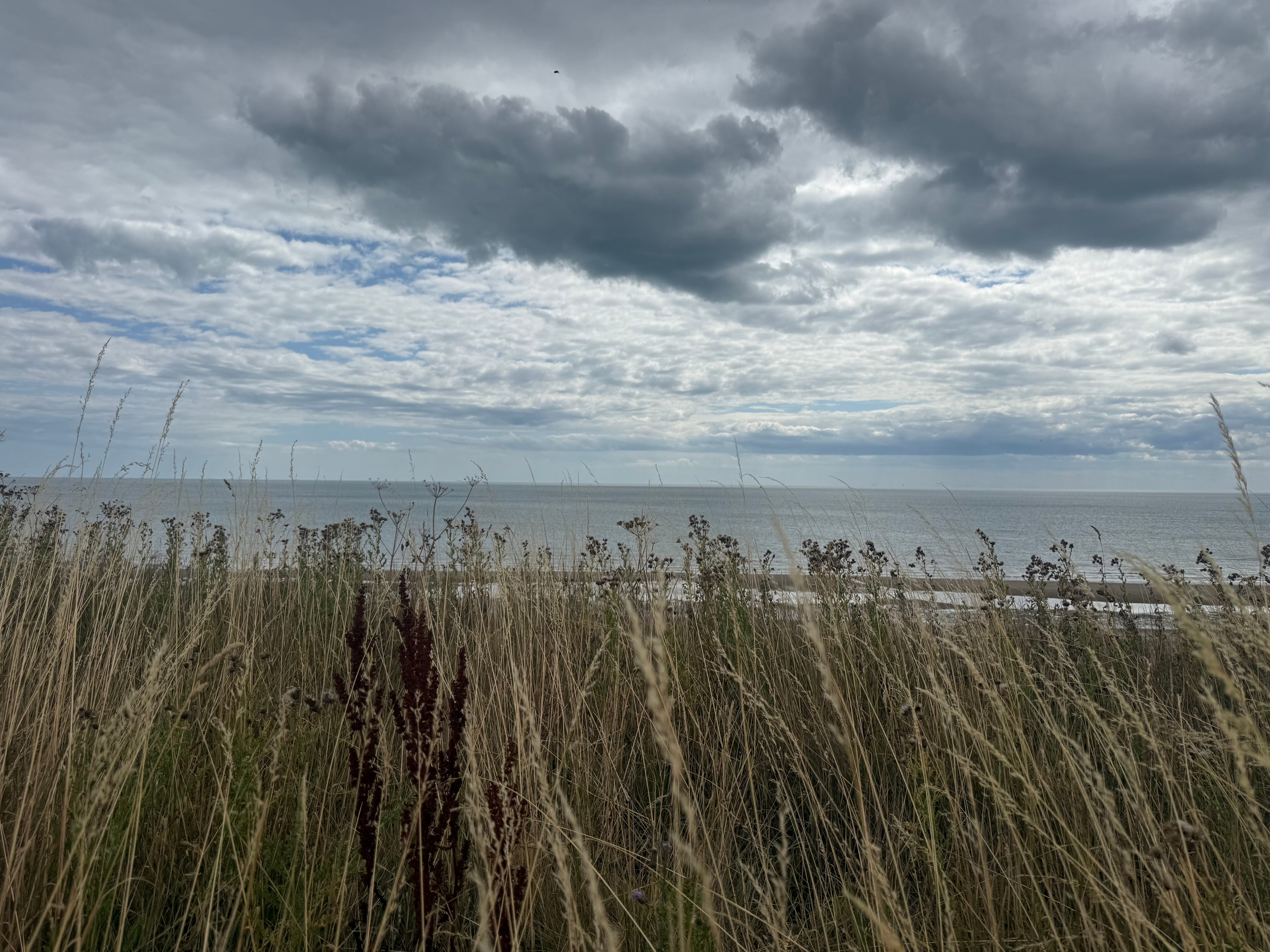
Photo my own.
PS: If this poem spoke to you, I have many other poems in the poetry section of my Substack. Should you wish, subscribe, free or paid but be aware this is a varied publication as I write according to mood rather than niching. You are encouraged to have a look in the archives first. https://juliedee.substack.com/t/poetry
Comments
Nothing yet. Say the first thing.
Sign in to join the conversation.