
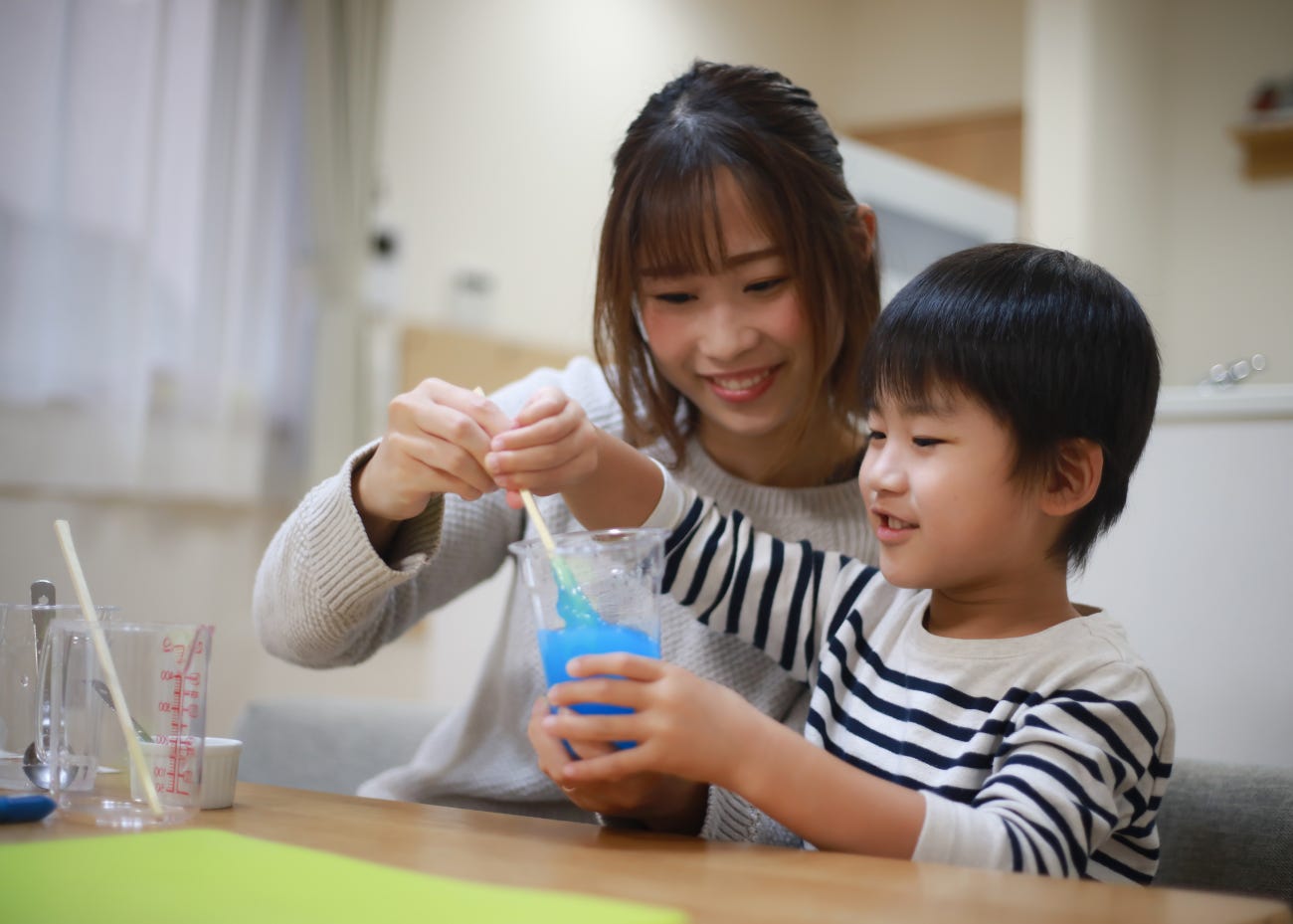
What changes when we stop treating homeschooling as something we do to our children and begin learning alongside them?
Connection is at the heart of meaningful education: connection to ourselves, to the subjects we study, and to one another.
On today’s Brave Writer podcast episode, we explore:
how curiosity leads to purpose,
why collaboration matters more than perfect independence,
and how low-stakes practice can help children build confidence without turning every lesson into an evaluation.
From fractions and cookies to grammar, handwriting, games, and writing revision, we look at practical ways to turn abstract academics into learning that feels useful and alive.
What are you learning right now?
Maybe you’ve taken up gardening, crochet, breadmaking, chess, painting, or a new language. Think for a moment about how you went about learning it. Chances are, nobody assigned it to you. You became curious. You found a reason to care. You searched for a book, video, teacher, class, friend, or expert who could help.
In other words, you didn’t learn alone.
That experience offers us an important clue about homeschooling. Learning is deeply connected to curiosity, purpose, and other people. Yet we can easily expect something very different from our children. We hand them a worksheet, explain the instructions, and hope that eventually they’ll become “independent learners.”
But complete independence isn’t really how human beings learn.
When something is easy and familiar, children often enjoy doing it on their own. A child may happily bake cookies without help, read an entire fantasy series independently, or settle into a comfortable copywork routine.
Then fractions get harder. Grammar feels baffling. The next writing assignment seems impossible.
That’s exactly when collaboration matters most.
Our children know more than we do about what captures their interest. We know more about how to find resources, break skills into manageable pieces, locate experts, or make connections they haven’t noticed yet. And there are plenty of things neither of us knows. Those become opportunities to learn together.
This is one of homeschooling’s great advantages.
School subjects are often abstract. Children are gloriously literal.
Instead of starting with the definition of a verb, imagine encountering the word splattered in a story. We can say it aloud. Splat. We can notice how the word sounds like the action. Maybe we even drop something and listen.
Suddenly we have an experience.
Now terms like verb and onomatopoeia have something to attach themselves to.
The same thing happens when fractions show up in a cookie recipe, geometry appears in a sewing project, or writing becomes necessary for a role-playing game. We haven’t abandoned academics. We’ve given those academics a reason to matter.
This principle is especially important in writing.
When a child hands us a page, our eyes can immediately find every misspelling, missing comma, awkward sentence, and misplaced apostrophe. But correcting everything mostly demonstrates what we know.
Instead, we can ask: What skill is this child actually practicing?
Maybe they know capital letters and end punctuation. Great. Let’s ask them to edit for those things. Maybe apostrophes are brand new. Let’s give them low-stakes opportunities to experiment with apostrophes without holding them responsible for conventions they haven’t learned yet.
The writing then becomes information. It shows us what to practice next. It doesn’t become a referendum on the child’s ability.
We are growing skills, not demanding polished results.
When resistance appears, more pressure is rarely our only option.
We can become curious instead. What would make this meaningful? Where does this skill already exist in the child’s life? Could we do it together? Could we lower the stakes? Could we experiment? Could we connect the idea to a story, tool, game, question, community, or purpose the child already values?
Home education gives us time to ask those questions.
We get to accompany our children down the path of learning, sometimes leading and sometimes following, always paying attention to where they actually are.
Only connect.
That may be the whole job.
Registration is open now for Playing with Poetry: Discovery and many other Brave Writer classes!
Visit bravewriter.com/handwriting for our free handwriting and copywork printable!
Check out the special offer at Talkbox.MOM/brave and start speaking a new language with your kids from day one!
Start a free trial of CTCmath.com to try the math program that’s sure to grab and keep your child’s attention
If you’ve ever thought of trying out online music lessons, now is the time! Claim your free Maestro Music lessons at Maestromusic Free Music Lessons for Brave Writer Families | Maestro Music.
Find our favorite readalouds and nonfiction in the Brave Writer Book Shop
Visit Julie’s Substack to find her special podcast for kids (and a lot more!)
Purchase Julie’s new book, Help! My Kid Hates Writing
Find community at the Brave Learner Home
Learn more about the Brave Writer Literature & Mechanics programs
Subscribe to Julie’s Substack newsletters, Brave Learning with Julie Bogart and Julie Off Topic, and Melissa’s Catalog of Enthusiasms
Sign up for our Text Message Pod Ring to get podcast updates and more!
Send us podcast topic ideas by texting us: +1 (833) 947-3684
Interested in advertising with us? Reach out to media@bravewriter.com
Instagram: @juliebogartwriter
Threads: @juliebogartwriter
Bluesky: @bravewriter.com
Facebook: facebook.com/bravewriter
Website: melissawiley.com
Substack: melissawiley.substack.com
Instagram: @melissawileybooks
Bluesky: @melissawiley.bsky.social
Produced by NOVA
No posts
Comments
Nothing yet. Say the first thing.
Sign in to join the conversation.