
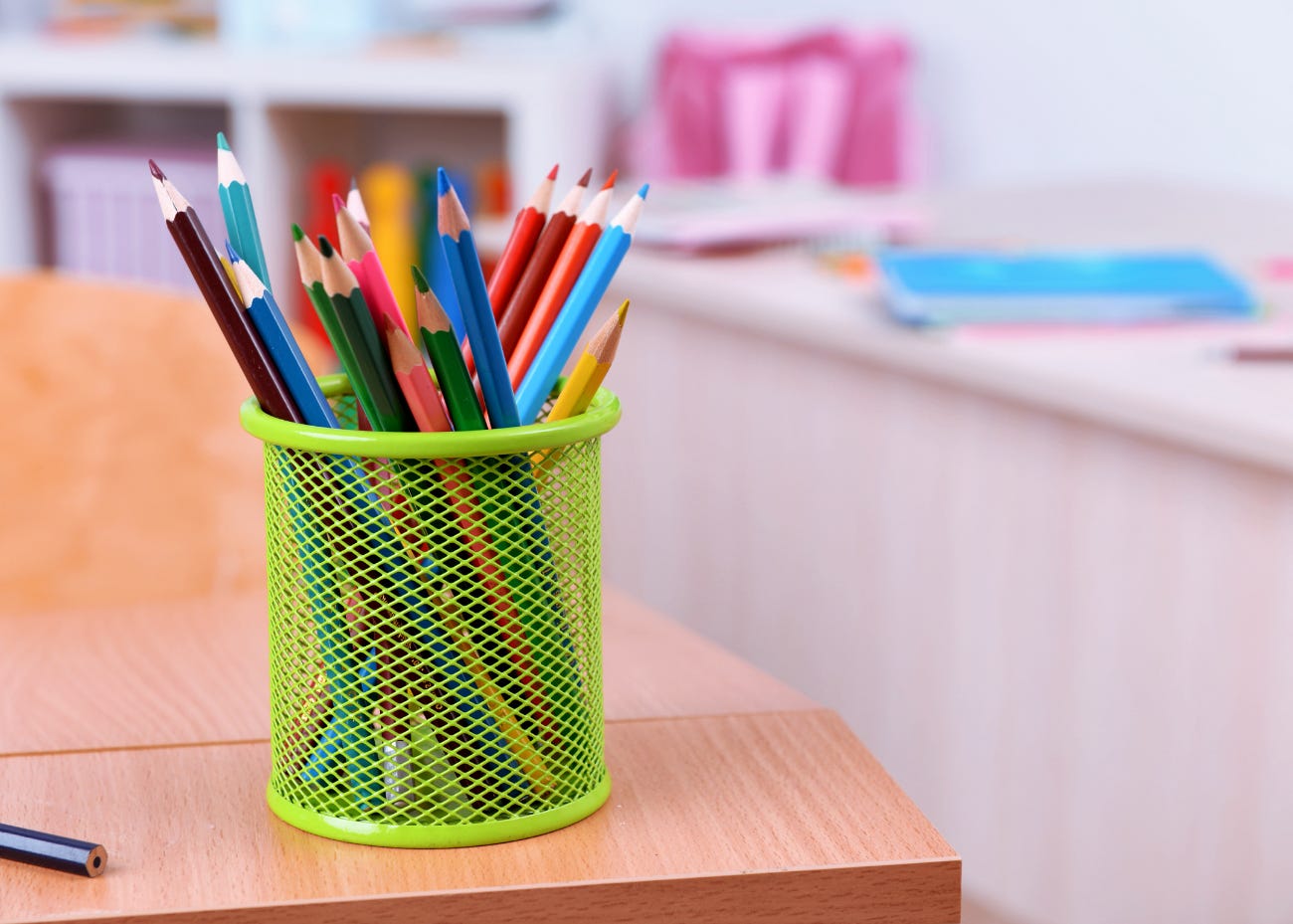
What if one of the simplest tools for improving reading, memory, attention, and creative thinking is already sitting in your pencil cup?
In this Brave Writer podcast episode, we explore:
how forming letters supports early reading,
why handwritten notes encourage deeper thinking,
and how copywork can build skill without limiting a child’s original ideas.
We also share playful ways to practice, from cornmeal and sidewalk chalk to gel pens and tablets.
Download the free Copywork Guide companion handout then join us as we make handwriting a satisfying part of the homeschool day.
Handwriting can feel like an unnecessary hurdle when keyboards allow our children to communicate faster and revise more easily. Yet writing by hand is more than an old-fashioned method of recording words. It is a physical, perceptual, and cognitive process that supports children as they learn to read, remember, think, and express themselves.
When a child types a letter, the shape has already been created. The child finds it on the keyboard and presses a key. When that same child writes the letter, their brain and body must construct it. They remember where the line begins, which direction it travels, how the curves connect, and how much pressure to apply.
That physical construction helps children distinguish between symbols that contain the same basic parts. A lowercase b and d are both made from a line and a circle, but orientation changes the letter. Writing gives children repeated, embodied experience with that distinction.
Fortunately, handwriting practice does not have to begin with a pencil or workbook. A child can draw letters in cornmeal, trace them in the air, shape them from clay, or paint them with water on the sidewalk. Gel pens on black paper can turn a reluctant writer into an enthusiastic one. The tool matters less than the opportunity to build a connection between movement, shape, name, and sound.
Young children can think far more quickly than they can write. When we require them to compose and transcribe at the same time, they may shrink their ideas to fit their handwriting ability.
We can avoid that trap by developing two skills simultaneously.
First, we capture their original thoughts for them. They narrate a story, explanation, or observation, and we write it down. Their vocabulary, humor, and complexity remain intact.
Separately, they practice the physical skill of handwriting through copywork. They might copy a sentence from a favorite book, the names of dinosaurs, a line from a poem, or a list of continents.
Think of these practices as two pedals on a bicycle. One preserves the child’s voice. The other develops the hand that will eventually record that voice independently.
Copywork does not need to fill a page. One carefully formed letter may represent a child’s best effort.
Invite children to stop when they notice their attention fading. We want them to associate handwriting with concentration, satisfaction, and growing competence, not with aching hands and endless lines.
As the movements become familiar, stamina increases. A short daily ritual can help: choose meaningful passages, play instrumental music, write alongside your children, and enjoy five quiet minutes together.
Typing remains an essential tool, especially for longer drafts and revision. We do not have to choose between handwriting and technology. Our children deserve both.
A pencil, keyboard, and voice each offer a different route from the inner world to the outer one. By helping children become comfortable with all three, we give them greater authority over their ideas and more freedom to share them.
Visit bravewriter.com/handwriting for our free handwriting and copywork printable!
Registration is open now for Movie Discussion Club: Captivating Stories (Christopher Nolan) and many other Brave Writer classes!
Check out the special offer at Talkbox.MOM/brave and start speaking a new language with your kids from day one!
Start a free trial of CTCmath.com to try the math program that’s sure to grab and keep your child’s attention
If you’ve ever thought of trying out online music lessons, now is the time! Claim your free Maestro Music lessons at MaestromusicFree Music Lessons for Brave Writer Families | Maestro Music.
Find our favorite readalouds and nonfiction in the Brave Writer Book Shop
Visit Julie’s Substack to find her special podcast for kids (and a lot more!)
Purchase Julie’s new book, Help! My Kid Hates Writing
Find community at the Brave Learner Home
Learn more about the Brave Writer Literature & Mechanics programs
Subscribe to Julie’s Substack newsletters, Brave Learning with Julie Bogart and Julie Off Topic, and Melissa’s Catalog of Enthusiasms
Sign up for our Text Message Pod Ring to get podcast updates and more!
Send us podcast topic ideas by texting us: +1 (833) 947-3684
Interested in advertising with us? Reach out to media@bravewriter.com
Instagram: @juliebogartwriter
Threads: @juliebogartwriter
Bluesky: @bravewriter.com
Facebook: facebook.com/bravewriter
Website: melissawiley.com
Substack: melissawiley.substack.com
Instagram: @melissawileybooks
Bluesky: @melissawiley.bsky.social
Produced by NOVA
No posts
Comments
Nothing yet. Say the first thing.
Sign in to join the conversation.