
I’m on a break between writing projects, which means I’m reading a lot right now. It’s filling my creative well, but also informing my craft. There’s a reason I ask writers what the last three books they read in their genre are on my book coaching intake form. And it’s not because I’m looking for book recommendations. It’s because reading is the single best thing you can do to improve your writing.
Learning to read like a writer is a key skill that starts with reading in your genre, but honestly, should develop into a habit of reading broadly across genres.
Today, I want to talk a little bit more about another aspect of reading like a writer: mentor texts.
A mentor text is a book that you read specifically because it can help you learn about the craft elements of a particular aspect of your story. If you’re trying to write a dark hate-to-love fantasy romance, for example, you might pick Holly Black’s Cruel Prince as your mentor text. You might note the breadcrumb trail of hints leading to the realization (*spoiler alert*) that Jude and Cardan don’t really hate each other (JudeJudeJudeJudeJude, *sigh*).
If you’re planning a trilogy, you might pick up The Hunger Games and pay particular attention to how Katniss’s world view expands bit by bit until she’s not just fighting for her own life, but for the lives of millions.
If you’re writing multiple POVs and want a master class in distinct voice that adds to the overall world building and plot, you might grab N. K. Jemisin’s The City We Became.
This is not so that you can copy exactly what they did, but simply so that you can study how they crafted that particular aspect of their story. You may read multiple mentor texts for the same aspect of craft and play with doing a mix of both in your own work. You may decide to take a different approach with your own story. But the key here is that you took a look at the stories that were out there in the world and let them inform your own work.
My clients are chuckling as they read this, because they know that I often assign mentor text reading before embarking on a major revision. I not only have them do the line-level exercises aimed at helping them read like a writer, but I often have them look at structure, character arc, world-building, or other big-picture craft elements.
You can use this technique on your own as well. I certainly do in my own work. Here’s a selection of titles I’ve lined up as part of my reading holiday to inspire various writing projects I’ve got going.
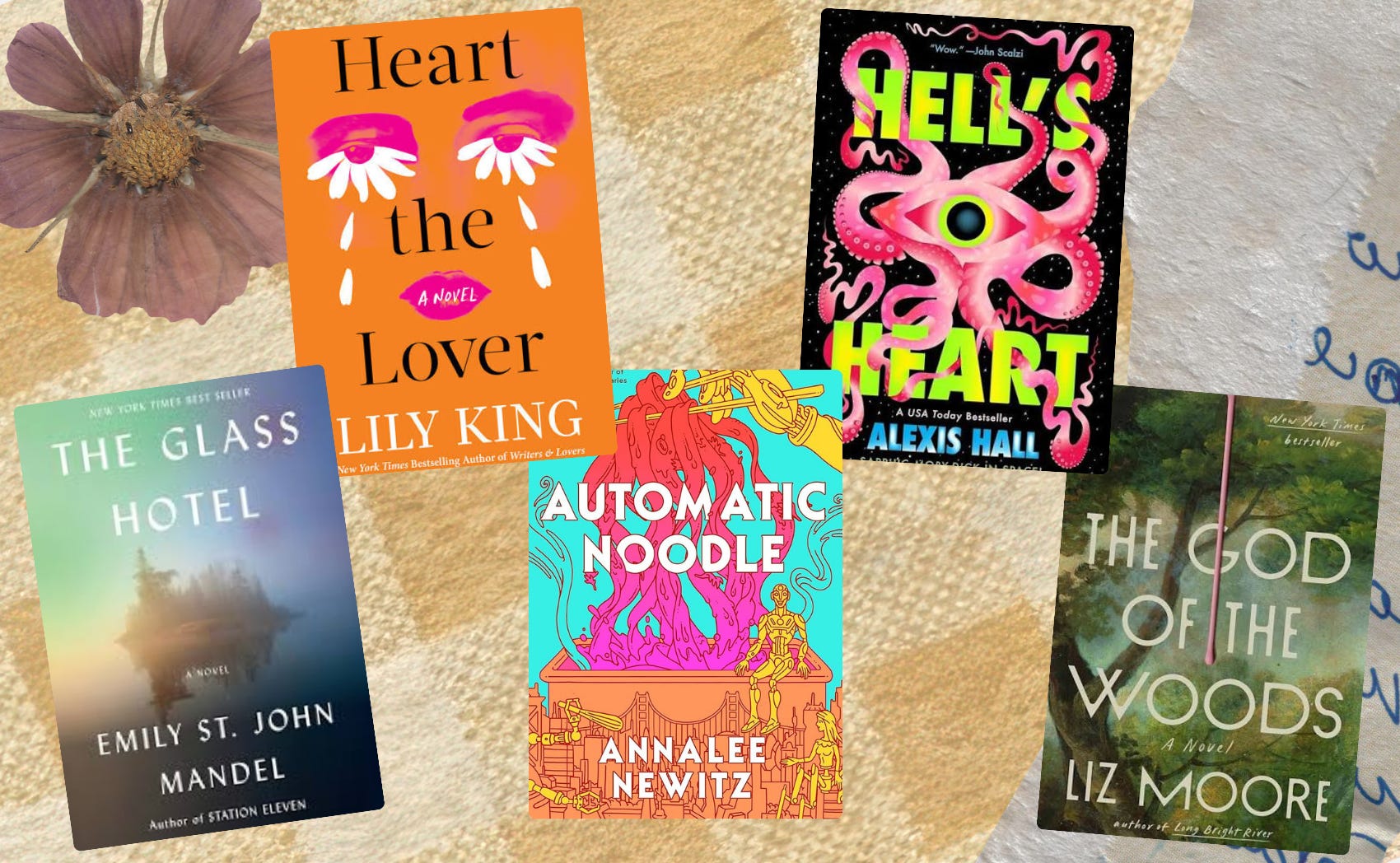
Not only are these books going to be great reads for myself and my family, but they are also going to function as mentor texts for ideas I’m noodling for two different novel ideas and a short story.
One final note on mentor texts. It’s important to have the right mindset when you sit down to read. Your chosen mentor text is going to inform a work in progress but is itself a published book that has been through multiple rounds of revision by the author and editing by a team of folks from agents to acquiring editors to copy editors and proofreaders.
Do not sit down to read and then get discouraged because your WIP isn’t as good as N.K. Jemisin’s final, polished work. Instead, know that you are doing all the right things to write the very best book you can write. And if you keep honing your craft, your book may one day be a mentor text for another aspiring author.
If you would like to learn even more tips and techniques for reading like a writer, get my free Read Like a Writer downloadable (Read Like a Writer Workbook). It’s full of exercises and book recommendations!
You found this Substack because you’re ready to dig into the type of deep revision that will go beyond line-level polish and really make your story work at a structural level. You might also enjoy Wyrd Words Weekly, my weekly newsletter where I share the personal side of the writing journey.
Experienced writers with plenty of craft knowledge, stellar critique partners, and a mature draft still struggle to get to the finish line with their books. When you’re inside this struggle, your inability to complete your revision seems like a mystery… one that keeps you banging your head against your desk and crying over your Word document (been there!).
But I’ve cracked the case:
You’re circling the same questions over and over again, stuck in an endless cycle of untangling messy plot and character threads because you are missing the deep revision strategies that will make revision a transformational (and dare I say…magical?) experience.
If you’re ready to experience this transformation, tell me a bit about your story and we can get started. I’ll help you pinpoint exactly what’s not working in your manuscript and recommend tools you can use to revise in a way that’s satisfying and successful. 🪄
Note: I am committed to being transparent and keeping my Substack free of any AI-generated content so you know that everything I post or send out is genuinely a message from me. My team and I use tools that have AI features to plan and edit these articles, but none of the words you just read were written by a robot.
Comments
Nothing yet. Say the first thing.
Sign in to join the conversation.