
I don’t want to talk about a man who has already had enough said about him. I want to talk about us.
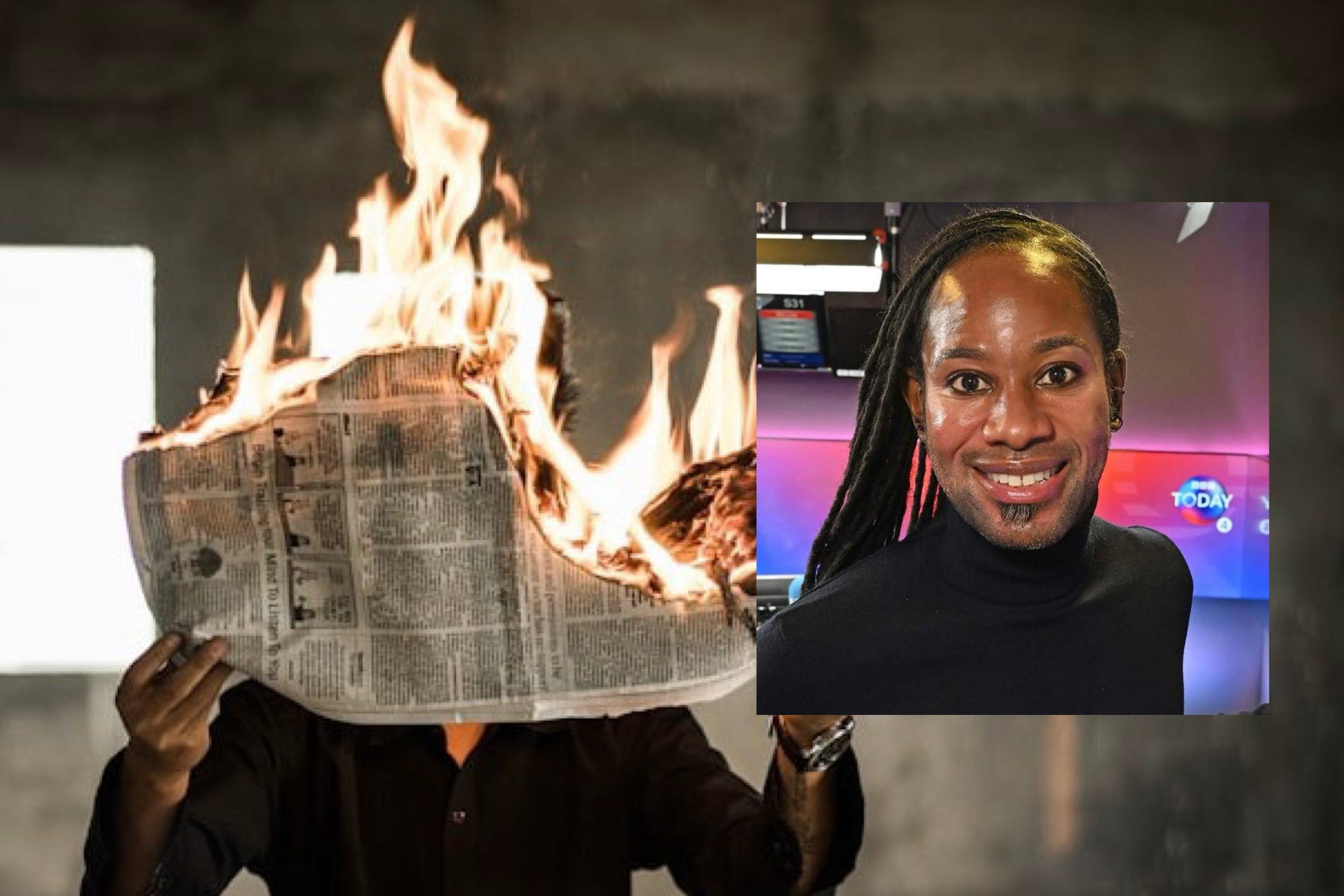
The thing I know about writing for newspapers: it’s all about the clicks now.
I used to write TV reviews for several outlets and slowly, in the last few years, the freelance budgets have dwindled and the TV reviews have been wound up altogether in some publications.
Why? Because no one clicks on them. Now it’s the zesty opinion pieces they’re after. The headlines in most places get spicier, more extreme because that equals more clicks.
It’s partly why I write so much more here now. You might not click on a piece about death or sexism, but I can still write it if I want to. An editor at a newspaper would say ‘no thank you’ because they can predict the lack of traffic.
But even as I do write here, I know you will more likely click on a one star kicking than a moderate three star review of a film or TV show.
I will never be dishonest in my reviews and editors have asked me, in the past, to change star ratings or they’ve ‘suggested’ changes to them in the hopes of achieving more eyeballs. “Could it be a two?” I always said no.
When it comes to clicks, it is no different with news stories. There is too much news, dozens of awful things happening hour by hour. So the editors decide what to prioritise. It is absolutely a choice.
The missing children with the blondest hair and bluest eyes used to take priority when I started out in news. I’m not kidding.
Some print papers still have a beautiful woman (preferably blonde) on their front page every day, even when she’s nothing to do with actual news happening around the world. Because thousands will subconsciously pick it off a newstand because of her presence.
The A level results are published every single year with a picture of two or three pretty, white young women looking elated. I don’t think The Telegraph has missed a single year.
Nigel Farage will spout racist, fascist rhetoric and thousands of people in an Essex town will vote for him because he knows how to sell their fear-based prejudices back to them as common sense.
The media (and politicians) manipulate and influence but they also mirror.
Now, something truly awful has happened. A man has killed himself. It’s not even the first time this has happened. And the cries of ‘blame the media’ are deployed readily because they ran story after story about this man.
Is there any part of you, as you blame ‘the media’, that knows you clicked on a story about Jason Arday? I know I did.
Did you ever read anything about Caroline Flack? Her suicide in 2020 is being cited as comparison a lot today. Going through a court case in the public glare, a beautiful, young woman was villified by press reports after a domestic incident with her boyfriend and ‘hounded to death’.
“Be kind” said thousands of posts in the wake of the tragedy.
And now we’re back here again, a million fingers pointed at ‘the media’ who took the story and ran with it, pulling a man apart because they’d found the flaw in him. A black man, a white woman.
If the media hounded these people to death, how on earth are we able to divorce that from our own consumer demand for the stories they published?
The Jason Arday story got traction not just because the “right wing press is racist” but no arguments here, they are. It happened because we as a society are racist.
“The Media” is not a free floating phenomenon or an alien entity. It can influence and displays bias but it is also a reflection of the people who pay for it.
If you knew about the Jason Arday story before the announcement of his tragic death yesterday, how did you know?
I read those stories and I can’t, in all conscience, point solely at the newspapers who ran those stories as if I had no part in it. Can you?
How can we say it’s just a bunch of dirty hacks in isolation, picking on people until they’re destroyed without admitting our own part in it?
Would those journalists, those newspapers, treat public figures like a blood sport if we didn’t pay them in clicks?
I am angry with ‘the media’ today, of course I am. But this doesn’t change with a couple of ‘be kinds’ and a closing of our laptops.
It changes when we look at ourselves.
Comments
Nothing yet. Say the first thing.
Sign in to join the conversation.