
According to Chinese astrology, 2025 has been the Year of the Snake, the year of transformation and shedding. I hadn’t given it much thought. I attend to astrological things in the same way that I handle the tarot, as a quizzical insight into life after it happens, but not as a predictive guide. But as the year ends, I’m noticing lots of posts about the Year of the Snake popping up in my social media feed. They perfectly describe what I have been experiencing this year. It’s been the end of a cycle, a moment of significant change, a transition where there is no going back—but in a good way. I’ve been moving toward a new self and preparing for a new phase. This is the message of the snake and I feel it in my skin.
On December 31, my business partner at The Writers Circle officially retired. I am now 100% in charge. I am terrified but also energized. We managed the transition thoughtfully over months, and have trained wonderful new staff to take on her responsibilities and fill some roles that could have been handled better when it was mostly just the two of us (and our fabulous long-distance administrator, Lisa) all these years.
I have also been shedding the essence of who I have been as an writer and working to find my voice again. No, not “again.” I am working to discover my new voice. I am not the same writer I was when I began, or a few years ago, or even yesterday. And while I am proud of the work I’ve created so far, it is not what or how I need to be writing right now.
As writers, our true selves cannot be separated from the work we create. In fact, I often discover who I am through my writing. And after the work is done, I am frequently transformed. Each story is a passage, a transition, a shedding. We change through the subtle struggles of our characters and words in ways that reflect in ourselves.
But we do not leave behind all that we once were. Birds, after all, were once dinosaurs who found it advantageous to get smaller and learn to fly. The snake sheds its skin multiple times throughout its existence; each time it is the same being, and yet somehow new.
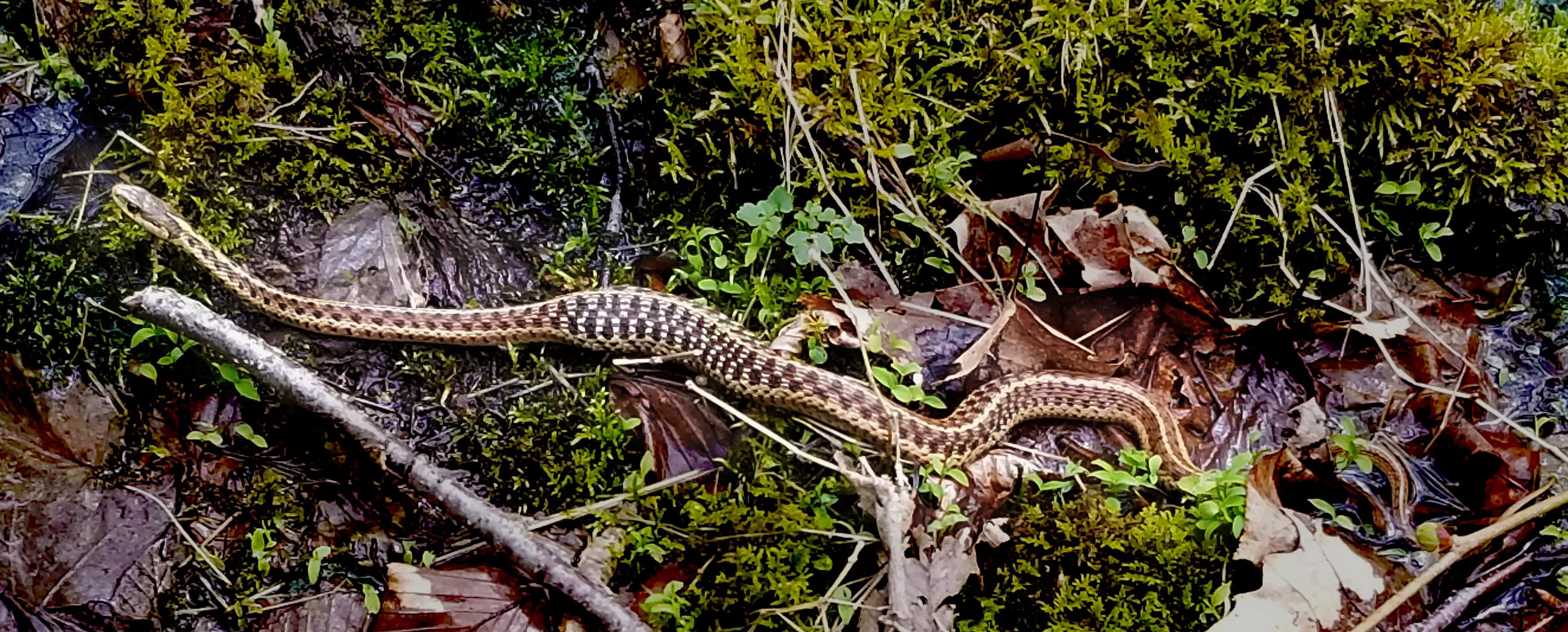
Artists of all stripes retain our inspirational pasts in our creative DNA. We are, at our core, always ourselves, but somehow different: more mature or jaded, wiser or more confused. Whatever our personal evolution and state of mine, with each new creation, our new being will be reflected in our work.
But evolution is hard, risky business as we adapt to new circumstances and absorb creative change. Creative change can mean frustration and failure, but risk is necessary for growth. Any artist who tries to repeat the work of their past—even the work that brought them success—risks hollowing their inspiration to a dry husk. The question should not be, “Can I do it again?” but “What can I create that will be alive and new?”
Each day, we work boldly to discover the new within ourselves, even if that means we have no idea what we’re doing. We come to our creation as beginners again. Our first steps are uncertain. Uncomfortable. Awkward. Like learning to move in a brand new body.
The question should not be, “Can I do it again?” but “What can I create that will be alive and new?”
As this Year of the Snake wanes—The Year of the Horse will begin on February 17, 2026—I finally feel the last itch of the loosened skin of who I have been. I will open myself to the new, not looking backward to be who I have been, not longing for something I cannot and should not reclaim. The snake cannot put on its old skin. It no longer fits. It is desiccated, cracked, torn. Rubbing on rocks, it’s been peeled away. The process is not painful. It is beautiful.
I am ready to release the struggles, triumphs, and everything in between. The past was not horrible—it was glorious! I am not shedding sorrow or pain or regret. It is simply the past. That was then. And what is to come? Now I lie resting, raw, but free.
I am not particularly fearful of snakes. In fact, I find them fascinating. I have photographed many over the years including, somewhere in my old pre-digital slides, a baby rattlesnake that was as startled that I’d stepped on it as I was. (No one was hurt. We both scrambled off in opposite directions.)
Of course, the snake or serpent gets a bad rap for luring Eve to disobey God and tempt Adam in the first pages of The Bible, which sent them both out of Eden and into the harsh world. One interpretation of the story suggests that we must have the veil lifted from our eyes and learn to face the unprotected consequences of our choices. Instead of punishment, perhaps the serpent’s goal was to help us become truly human.
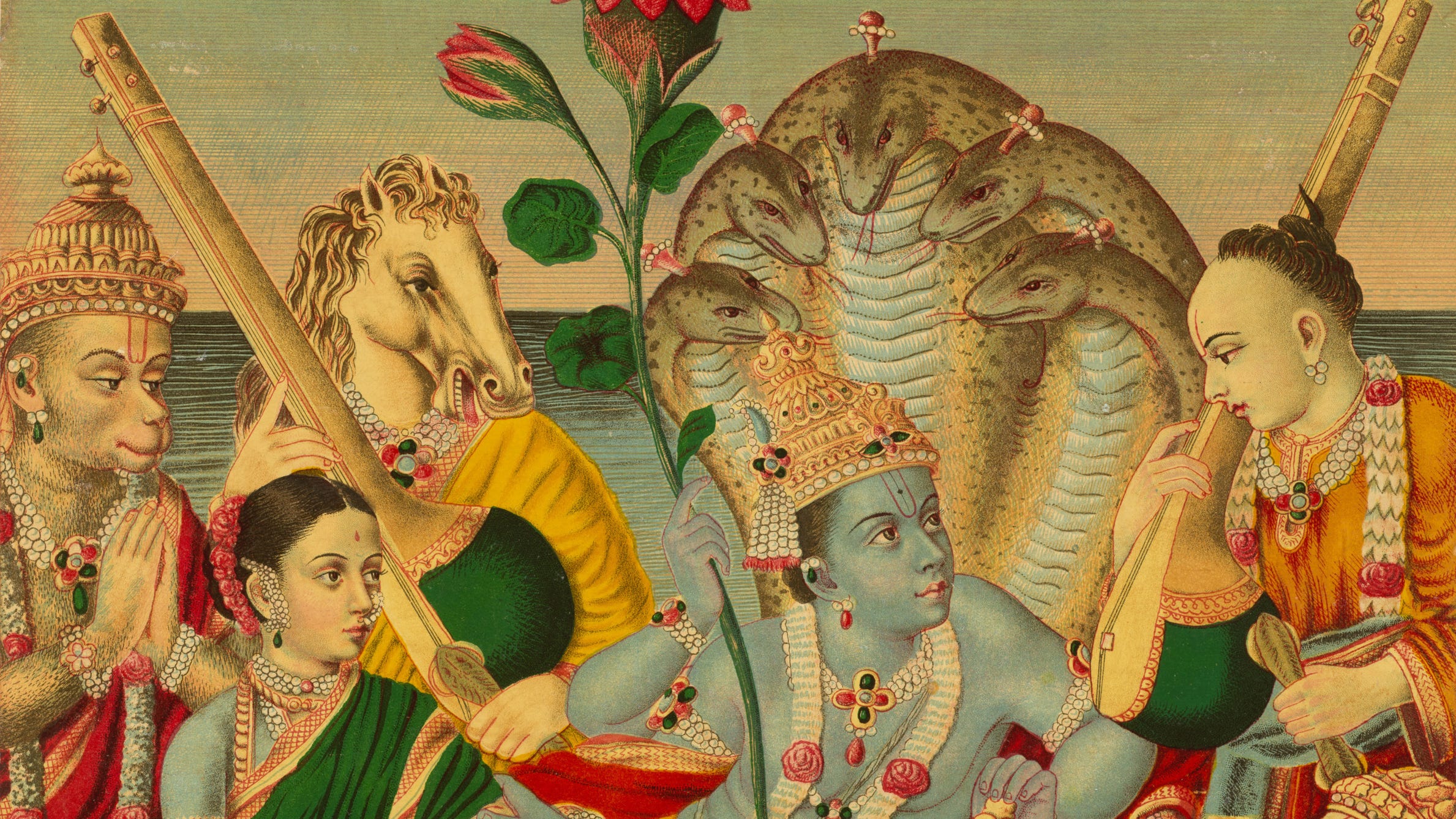
The ouroboros, the snake which eats its own tail, appears in countless cultures across history. It was found in the tomb of King Tut from 14th century BCE Egypt and in the imagery of the Greeks and Romans. In Norse mythology, it appears as Jörmungandr, the Midgard serpent, which rings round the world, both terrible and protective. It is reflected in the yin-yang principles of Taoism, and in the cosmic serpent Ananta-Shesha upon which Vishnu rests. In each case, the images and mythologies represent life’s duality, the eternal cycle of birth, death, and rebirth, the inevitability of endings which are also new beginnings.
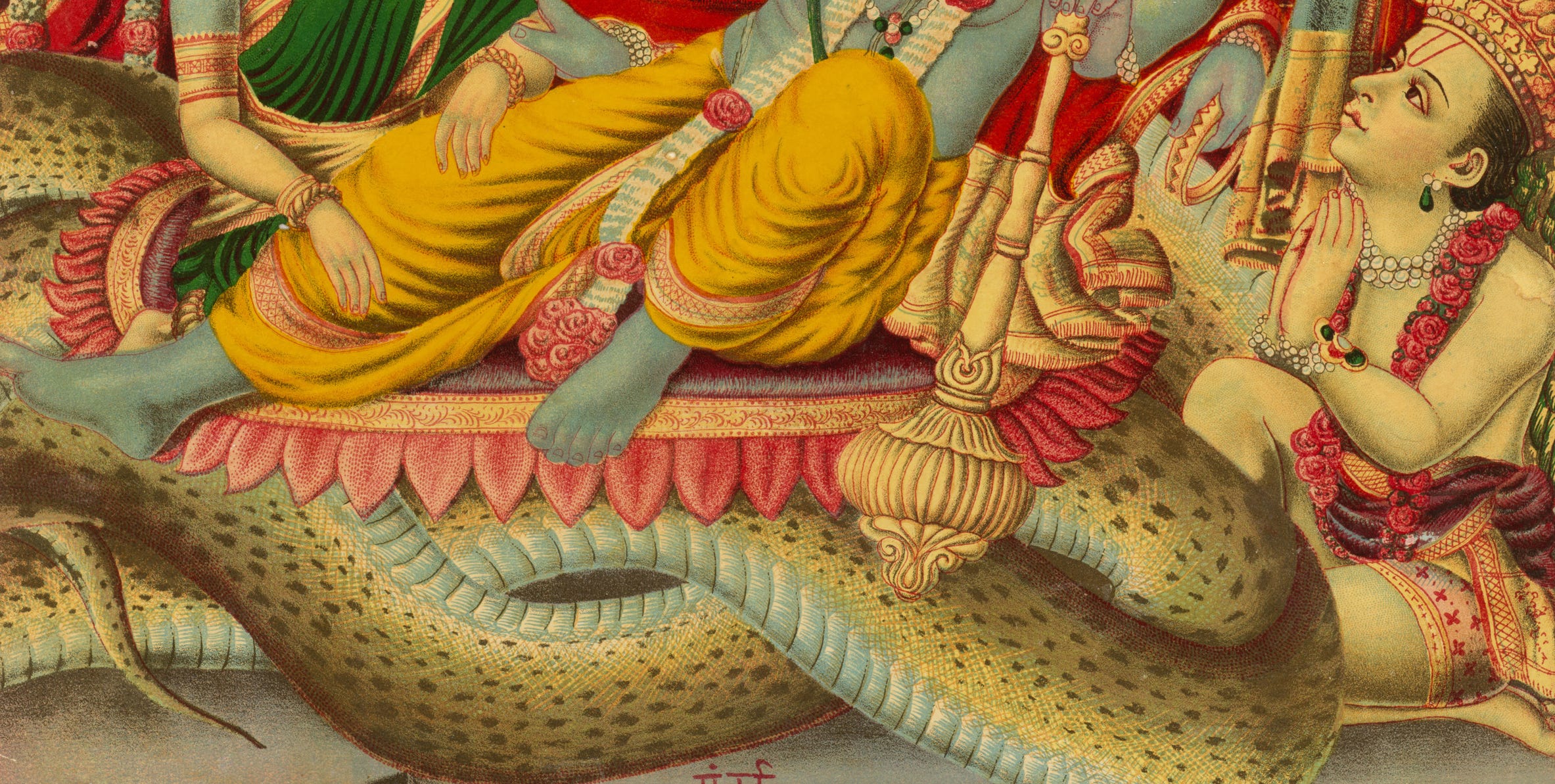
In this sense, perhaps we in the West think of time all wrong. It is not always just ahead of us, an out-of-reach future toward which we must strive. Perhaps time is really turning backward, upward, and in upon itself, giving us the chance to build on life’s countless lessons to find the strength and wisdom to go another round.
I came across this haunting reading of a beautiful, folktale-like poem by Tom Hirons titled Sometimes a Wild God. Take a listen to this video version, gorgeously narrated by Naomi Maguire, and consider “Why the Wild God’s visit?” which, by the way, includes snakes and the “endless cycles of death and birth.”
As I researched the poem’s origins, I discovered that Hirons, who isn’t otherwise well-known, has built a sort of cult following because of Sometimes a Wild God. Also, pre-pandemic, he and artist Rima Staines created Hedgespoken, “a travelling off-grid storytelling theatre run from a 1966 Bedford RL lorry, converted to be a home and a go-anywhere stage.” The project received funding from the British government (Yes, I know, American readers—just imagine!) and traveled in the UK until the challenges of Covid-19 apparently shut it down. But their whimsical endeavor speaks to me of traveling bards, Romani caravans, and long-lost oral traditions. It is proof that artists create any way that they can, and sometimes their passions lead them down unexpected paths where magic still exists and ancient stories matter.
All this talk about snakes, circles, and ends that are also beginnings makes me think of a particular exercise I share with my memoir students.
Take a moment to consider which “you” tells the tale, particularly when you are writing a personal narrative or memoir. Is it the You Then who lived through the experience, relating it, moment-to-moment, exactly as if it were happening now? Or is it the You Now who looks back with perspective and knowledge of where the events eventually led?
The You Then voice offers immediacy and urgency, bringing readers into the action and letting them “live the scene” through an authentic, naïve lens. But the You Now voice can dig deeper, lending maturity and reflection. You Now knows why and how the moment mattered, while You Then can only feel the emotions, joy or pain.
Often the best course for your writing is a combination of both where lived scenes eventually open to deeper reflections, allowing the wiser you to consider and speak.
PROMPT: Pick a moment from your life (or your character’s, if you want to try this for fiction) that still feels fresh in your mind—perhaps a moment of high emotion or hard decision, a moment of deep loss or tremendous success—and write it first as if you are reliving it. Use first person, present tense, and walk step-by-step in your old shoes, trying to revive the experience as vividly as you can.
After you’ve written the “relived” version, write down the thoughts and observations of You Now. Let that voice express feelings about that memory, realizations and understanding of why it mattered, and where the moment took you that you didn’t expect, or perhaps did. Let You Now consider whether they would change anything, or whether their deeper understanding lends compassion or reconsideration that You Then never could. If time really is circular, what would you warn yourself about? And would your former self listen?
Good luck with it. And let me know what you discover in the comments, please!
Thank you, everyone, for your support. And to my paid subscribers, you are ANGELS!
AKMARAL: a nomad woman warrior of the ancient Central Asian steppes must make peace with making war - “A crackling novel”—Publishers Weekly
“A gripping saga”— #1 bestselling author Christina Baker Kline
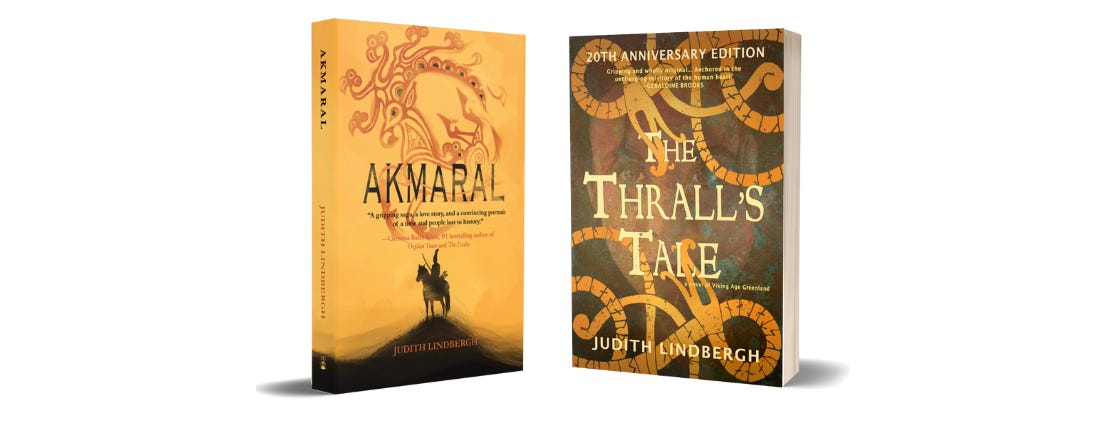
THE THRALL’S TALE: 20th Anniversary Edition: three women bound by fate in the first Viking Age settlement in Greenland - “Historical fiction at its best”—Philadelphia Inquirer
“Gripping and wholly original”—Pulitzer Prize winner Geraldine Brooks
Comments
Nothing yet. Say the first thing.
Sign in to join the conversation.