
UPDATE: Well... that didn't take long. Right after I finished writing this, another judge temporarily paused the order requiring Trump to begin turning over his financial records while his emergency appeal is considered. That doesn't mean Trump won, and it doesn't mean the BBC lost. It just means the court hit the pause button while it decides whether those records ultimately have to be produced. In other words, the fight over the books isn't over.
Donald Trump loves filing lawsuits. He loves announcing them. He loves putting gigantic dollar amounts in the headlines. Ten billion dollars. Five hundred million dollars. Pick a number big enough to make everyone stop scrolling and worry about the details later. It's a strategy that's served him well for years because the announcement is usually the story. The number becomes the headline, the outrage takes over, and by the time anyone starts asking questions, everyone has already moved on to the next news cycle.
The funny thing about lawsuits is that they don't end with the press release announcing them. Eventually they end up in front of a judge, and judges have this annoying habit of asking for evidence instead of just taking your word for it.
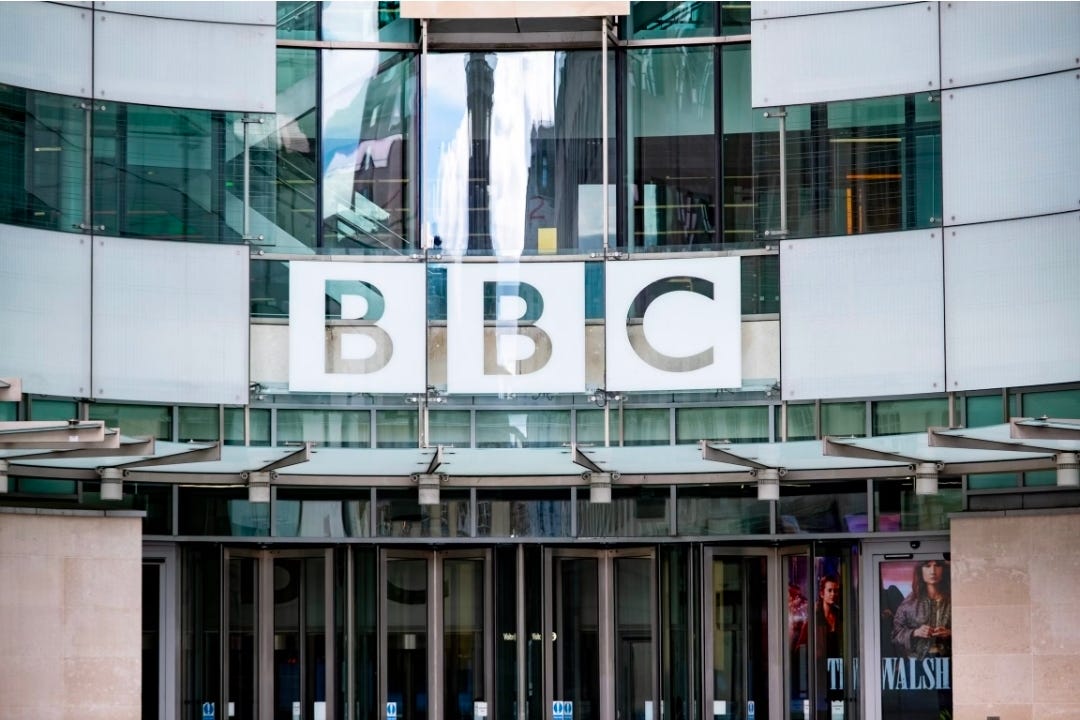
Last December, Trump sued the BBC for $10 billion over Trump: A Second Chance?, a Panorama documentary about January 6. The lawsuit centered on an edited portion of Trump's January 6 speech that omitted the section where he told supporters to protest peacefully. The BBC acknowledged the edit was misleading, publicly apologized, and two executives resigned over it. That's exactly what should happen when a news organization gets something wrong. Instead of accepting the correction, though, Trump turned it into a $10 billion lawsuit, claiming the documentary devastated the value of his businesses, his brand, and his financial empire.
Apparently, though, an apology wasn't enough. Trump wanted a federal judge to believe the documentary had caused ten billion dollars in damages. Ten billion dollars is the kind of number that's designed to make headlines, but it's also the kind of number that creates a rather inconvenient problem once you walk into a courtroom. Judges have an annoying tendency to ask where you got the number from.
Once Trump told a federal judge the BBC had wiped ten billion dollars off the value of his business empire, the finances stopped being private. They became evidence. You don't get to tell a court someone cost you billions of dollars and then act shocked when the other side says, "Okay...show us." That's not the BBC pulling some clever legal trick. That's just what happens when you sue someone for ten billion dollars.
So the BBC asked for the financial records.
The judge agreed.
The records are coming from the Donald J. Trump Revocable Trust, the entity that controls the overwhelming majority of Trump's business empire. The judge ruled that because Trump based his lawsuit on claims of massive financial losses, the BBC gets to compare the trust's financial records from before and after the documentary aired. That's a pretty straightforward way to figure out whether those ten-billion-dollar claims hold up once they're sitting next to the actual numbers.
And suddenly Trump's lawyers became a whole lot less interested in talking about financial damages.
This is the same business empire that has already been found liable for years of financial fraud. The same one tied to tax fraud convictions and falsified business records. So when the judge ruled the BBC could start looking through the financial records Trump himself made relevant by demanding ten billion dollars, the lawyers suddenly decided the case wasn't really about financial damages after all.
Now they're telling the court they want to amend the complaint and focus mostly on reputational harm instead. The business damages only started disappearing from the conversation after the judge ruled the BBC could see the records behind those business-damage claims.
They're also asking the court to hit the brakes on discovery before those records have to be turned over. The thing about filing a ten-billion-dollar lawsuit is that eventually someone gets to call your bluff. Trump made his finances part of this case. The BBC didn't. The judge didn't. Trump did. The BBC simply asked to see the evidence behind the claim.
The judge wasn't buying the sudden change in direction, either. Trump's lawyers argued that the case had "evolved," but Judge Enjoliqué Lett pointed out something that really shouldn't have needed explaining. The complaint still says what it says. If Trump wants to stop arguing billions in financial damages, he has to actually amend the lawsuit. Standing in a courtroom and announcing you'd rather not make those arguments anymore doesn't magically erase them from the complaint.
The judge's order makes this even better. Trump's trust has been told it has to start handing over financial records within ten days and keep producing them every week after that. The BBC also wants to question Trump under oath and hear from people around him who were involved in all of this. Trump, meanwhile, is asking a higher court to stop the whole thing before any of that can happen.
When this lawsuit was announced, the story was ten billion dollars. That's all anyone talked about. The number was everywhere. That's the beauty of picking a number that ridiculous. It becomes the headline.
Now the headline is paperwork.
Turns out filing a lawsuit is the easy part. Eventually somebody starts asking questions, and those questions don't care how good the press conference was or how many television interviews you did afterward. They care about whether you can back up what you claimed.
The BBC is also asking the judge to throw the case out. One of its arguments is pretty simple. Trump says the documentary destroyed the value of his business empire. The BBC says it's hard to argue one television documentary destroyed your financial future when, a few days later, you were elected President of the United States. I have a feeling the judge is going to want both sides to explain that one.
Maybe the court agrees with the BBC. Maybe it doesn't. Either way, this stopped being about a documentary a while ago. It's about what happens when somebody files a ten-billion-dollar lawsuit, gets the headline they wanted, and then discovers that judges expect receipts because he made the claim.
Sources
https://newrepublic.com/post/214034/trump-tries-pause-bbc-lawsuit-hide-finances
https://www.theguardian.com/us-news/2026/aug/05/trump-bbc-lawsuit-financial-records
https://www.politico.com/news/2026/08/05/BBC-donald-trump-lawsuit
https://breakingthenews.net/Article/Judge-pauses-order-sending-Trump-financial-data-to-BBC/66871832
https://thehill.com/regulation/court-battles/6013790-trump-bbc-judge-ruling-business-finances/
https://www.cnbc.com/2026/08/06/trump-bbc-lawsuit-financial-records-court-stay.html
No posts
Comments
Nothing yet. Say the first thing.
Sign in to join the conversation.