
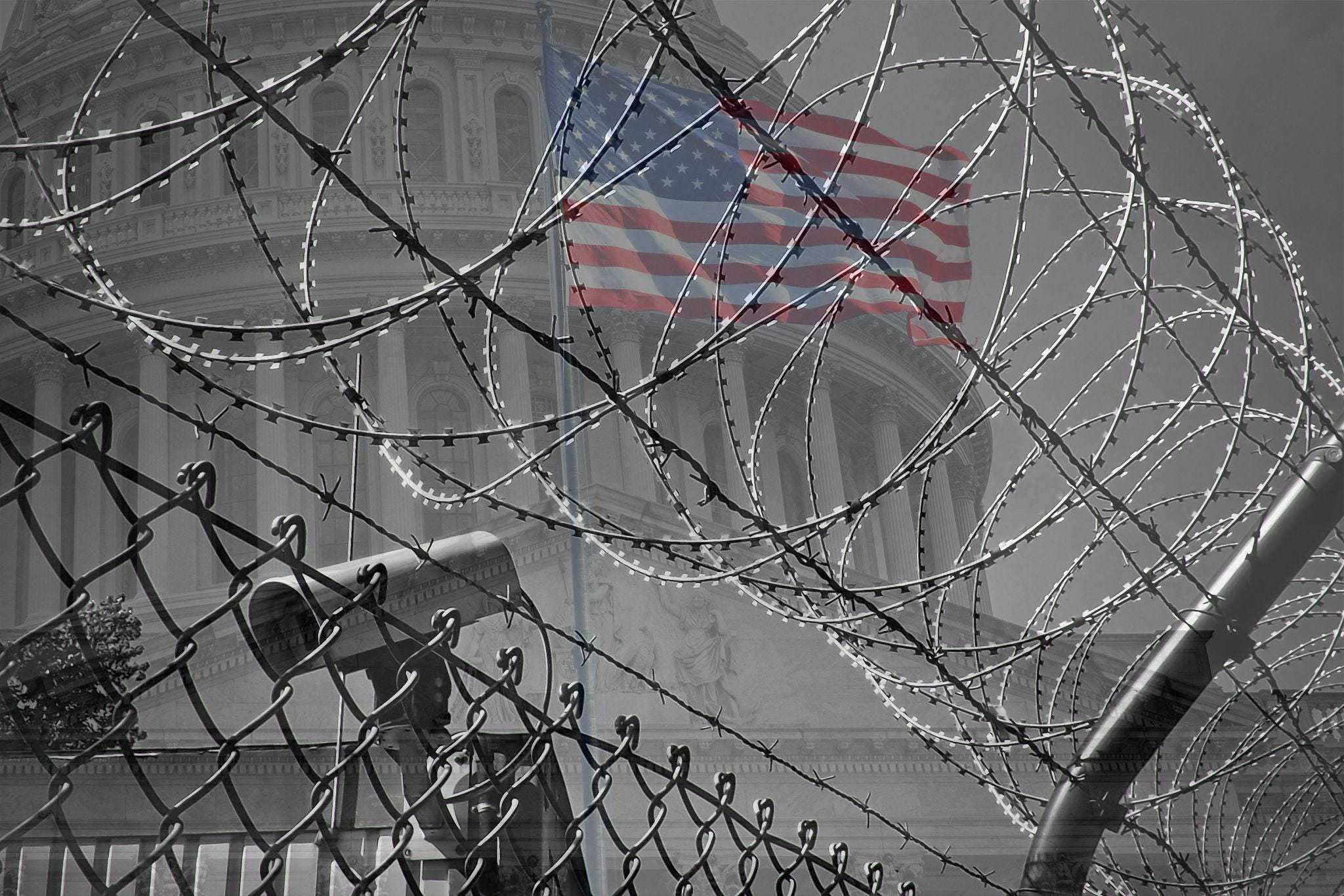
The Fourth Amendment protects all persons from warrantless government searches and seizures of their persons, houses, papers and effects. It requires that warrants be supported by probable cause of crime and specifically describe the place to be searched and the persons or things to be seized.
Last week, for the first time in the modern era, the government argued to the Supreme Court of the United States that the Fourth Amendment to the Constitution did not outlaw general warrants. General warrants were issued in the colonial era by a secret court in London. They were not based on probable cause of crime or even on articulable suspicion about a potential defendant. They did not identify a target or state what crime was being investigated.

Comments
Nothing yet. Say the first thing.
Sign in to join the conversation.