
For more than sixty years, AIPAC has defined its mission as strengthening the U.S.-Israel relationship. Its founders aimed to build a strong American commitment to Israel on a genuine belief that the two countries shared common interests and values and on long-term friendships built across party lines.
For decades, the strategy worked brilliantly. Support for Israel became one of the few truly bipartisan aspects of American politics. Congressional resolutions routinely passed by overwhelming margins. American presidents of both parties spoke of an “unbreakable” bond. Israel enjoyed a reservoir of goodwill that few allies have ever matched.
Today, that relationship is on the rocks.
Not because of Gaza alone, and not because of one election cycle. The ground beneath the relationship has been shifting for years as Israel moved steadily right, entrenched its control over the West Bank, and allowed the prospect of Palestinian statehood to further recede.
Yet, even as Israel’s governments came to be dominated by annexationists and religious nationalists, AIPAC’s approach remained consistent: defend the government no matter what and treat criticism of Israeli policy not as a disagreement but as a threat.
But the effort to define being “pro-Israel” to mean unquestioning support could not survive the changing reality.
Many friends of Israel are also critics of Israeli policy, and we have a different vision of what it means to be pro-Israel: we support Israel’s legitimacy, security, and future, and we are also committed to ending occupation and achieving Palestinian self-determination.
Needless to say, that’s why we set up a new pro-Israel, pro-peace, pro-democracy home at J Street.
Rather than aiming to broaden the coalition supporting Israel to include those who criticized its policies, it sought to punish those who dared challenge it. Hundreds of millions of dollars – much of it from wealthy donors aligned with the Republican Party – flowed into Democratic primaries to defeat candidates who challenged Israeli government policy.
It may have won some elections. But it accelerated the very trends AIPAC hoped to stop.
Money can buy advertising, consultants and television time. But it cannot buy trust or genuine friendship.
It cannot erase the images from Gaza or the West Bank. And punishing those who question Israeli policy won’t recreate lost bipartisan goodwill.
Their strategy deepens divisions within the Democratic Party. It turned Israel into a symbol for broader battles over money, influence, and establishment politics.
It polarizes the American Jewish community, where the large majority that votes Democratic can’t understand spending millions in primaries that divide the Party given the electoral stakes of these elections for our own democracy.
Most tragically, it is hurting the cause AIPAC was created to advance – supporting Israel and keeping the U.S.-Israel relationship strong.
AIPAC’s central pitch for the relationship for years was that Israel and the U.S. share values and interests. That case cannot be sustained if the Israeli government agenda is permanent occupation, annexation, and democratic erosion.
The relationship’s defenders won’t prevail if they insist that criticism itself is the problem not Israel’s actions. And the relationship certainly can’t be sustained if the core strategy is to spend millions to intimidate and instill fear.
Which brings us to Michigan.
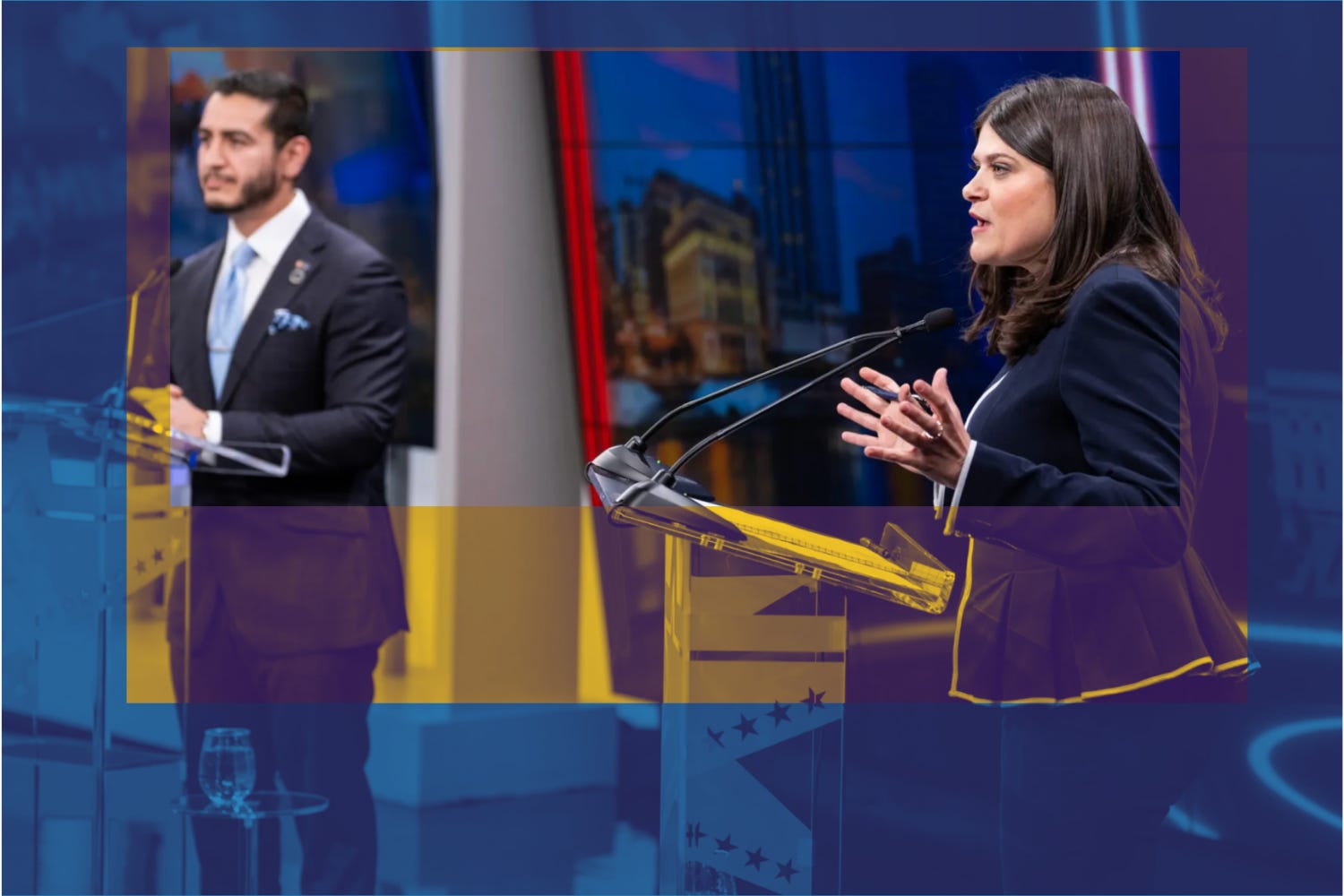
This week’s Democratic Senate primary has become the clearest indication yet of how dramatically the politics of Israel have changed. Regardless of the final vote count, the extraordinary sums AIPAC has invested underscore how high the stakes have risen.
Of course, AIPAC retains real power. The threat of AIPAC spending will continue to make some candidates and elected officials afraid to say what they think or to vote as they believe.
But the Beatles had it right nearly sixty years ago – right around the time AIPAC launched: money can’t buy you love.
I’ve spent more than two decades arguing with AIPAC, but never doubting that its leaders believed they were acting in Israel’s best interests. That’s what makes this moment so tragic.
I believe AIPAC’s leaders have fundamentally misdiagnosed the problem in the U.S.-Israel relations – and have adopted a strategy that is harming the very interests they believe they are defending.
If America and Israel are to rebuild a partnership, it will not be because advocacy groups or PACs coerce American elected officials to do so. No lobbying strategy can indefinitely sustain support for policies that increasing numbers of Americans believe contradict the values that made them admire Israel in the first place.
Support and friendship for Israel will only be restored when the country once again pursues policies that inspire confidence, admiration, and affection from the American people – and because its friends had the courage to push it to do so.
If you appreciate the work J Street does, I hope you’ll consider making a grassroots contribution to ensure our voice is heard.
No posts
Comments
Nothing yet. Say the first thing.
Sign in to join the conversation.