
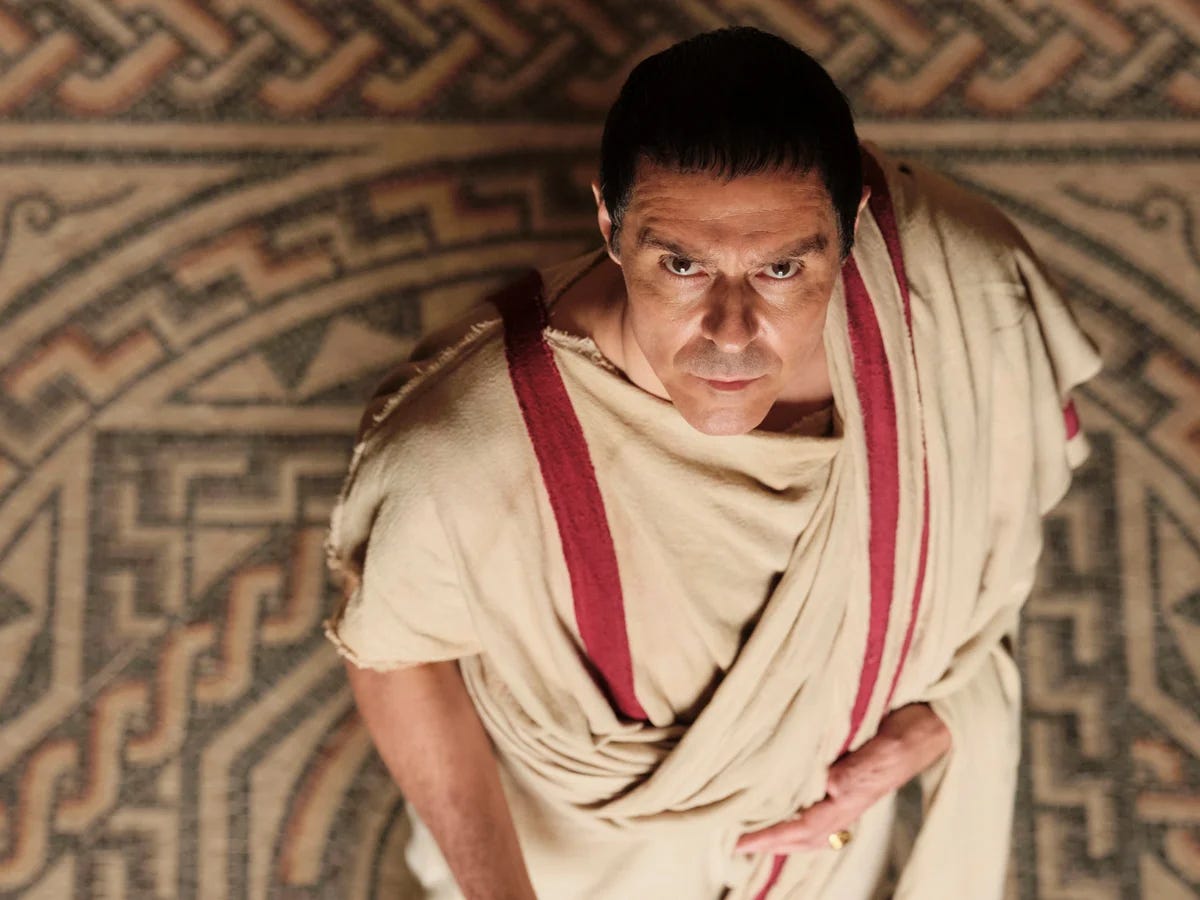
When we think about Roman emperors, we usually picture marble statues, coin portraits, or blockbuster films where larger-than-life figures demand loyalty from their subjects. But look a little closer, and you’ll see something surprisingly modern: the emperors of Rome were master brand-builders. They didn’t have Instagram feeds or LinkedIn profiles, but they understood the power of image, story, and consistency in shaping how they were remembered.
As a historian turned copywriter, I can’t help but draw parallels between their strategies and the personal branding playbook we use today. Here are a few emperors who could give today’s entrepreneurs, leaders, and creators a crash course in branding.
When Octavian became the first emperor, he faced a branding problem: he was stepping into the shadow of Julius Caesar, who had been assassinated for appearing too ambitious. So he reinvented himself as “Augustus,” meaning “the revered one.” He didn’t market himself as a dictator, but as the restorer of Rome’s traditions, the man who brought peace after decades of civil war.
Lesson for us: If your reputation carries baggage, don’t fight it. You have to reframe it. Align your brand with values people already admire, and you’ll gain both trust and longevity.
Nero knew how to grab attention. He loved performances, music, and the theater. But in the end, his brand was consumed by spectacle and self-indulgence. When the empire needed a steady hand, Nero’s image of excess backfired, and history has not been kind.
Lesson for us: Being visible matters, but substance must support style. A flashy personal brand without credibility is destined to collapse.
The “philosopher emperor” left us Meditations, a personal journal of his thoughts. He didn’t set out to publish it, but his authenticity made him timeless. He reminds us that a strong brand isn’t just about external image, it’s about internal consistency.
Lesson for us: Audiences crave authenticity. Your values and principles are your greatest assets, and when they shine through your work, they build trust.
Constantine rebranded Rome itself by embracing Christianity, shifting the empire’s identity and legacy. It was a risky move, but it defined centuries of culture and belief that followed.
Lesson for us: Sometimes your brand requires a bold pivot. If you can read the cultural moment and align with it, your influence can outlast your career.
Personal branding isn’t about logos, curated feeds, or catchy taglines. It’s about how you’re remembered. The Roman emperors understood that identity and reputation were everything. Some left legacies of peace and progress; others became cautionary tales.
So the next time you’re refining your LinkedIn profile or telling your story to clients, think like Augustus, avoid Nero’s mistakes, channel Marcus Aurelius’ authenticity, and be willing to pivot like Constantine. Your empire may not stretch from Spain to Syria, but your brand still shapes the world around you.
Would you like me to add more modern parallels or keep it focused purely on emperors and personal branding lessons?

Comments
Nothing yet. Say the first thing.
Sign in to join the conversation.