
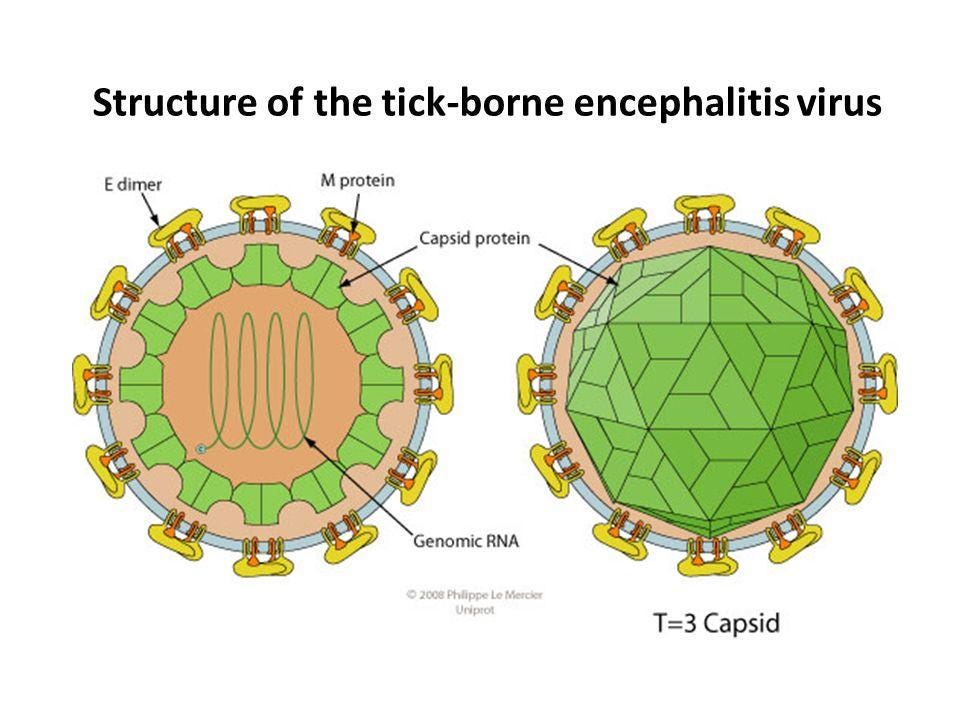
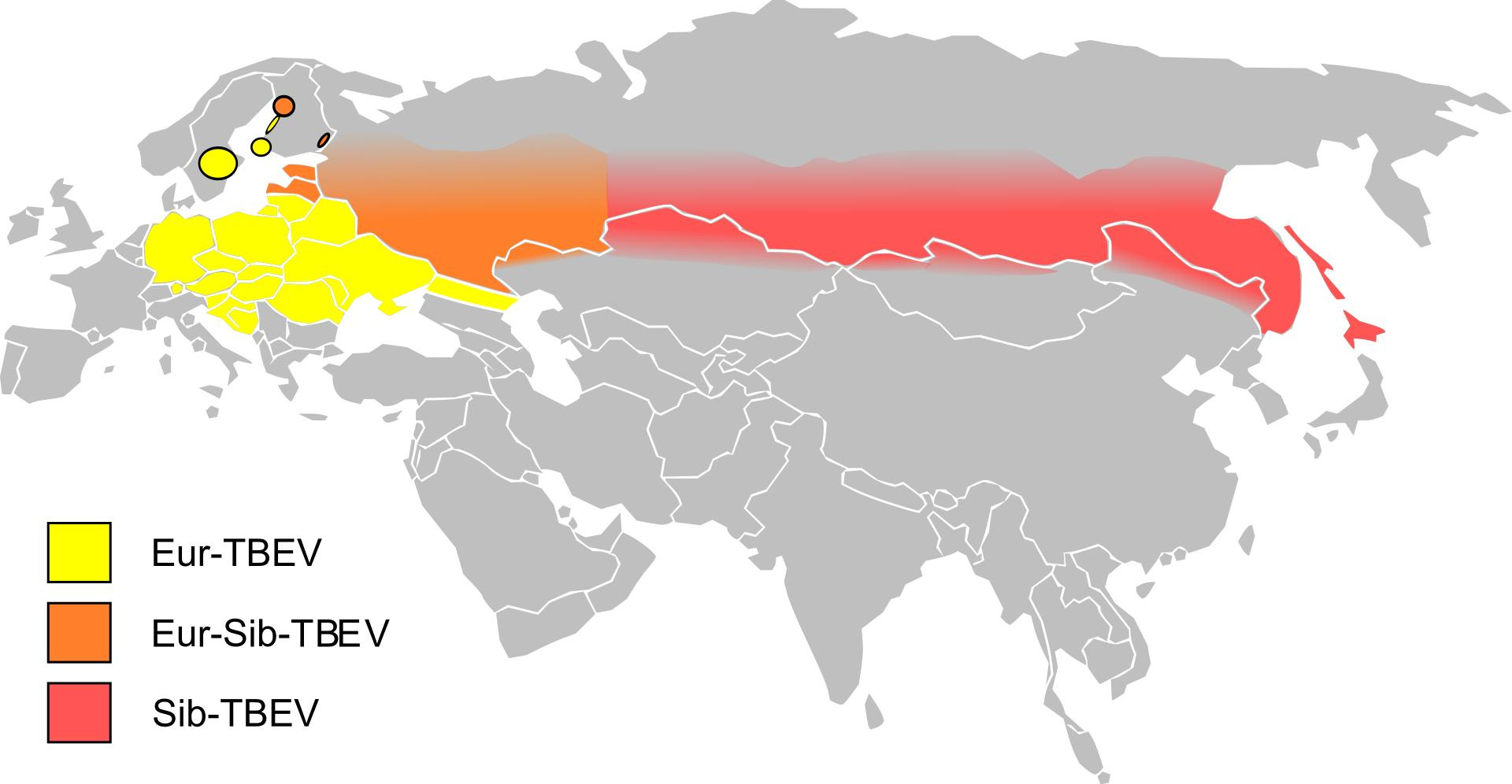
Tick-borne encephalitis (TBE) is a viral infection of the brain and nervous system caused by the tick-borne encephalitis virus, a member of the Flavivirus family. It occurs mainly across parts of Europe and northern Asia, where infected ticks transmit the virus to humans. While many infections are mild or asymptomatic, some progress to serious neurological disease.
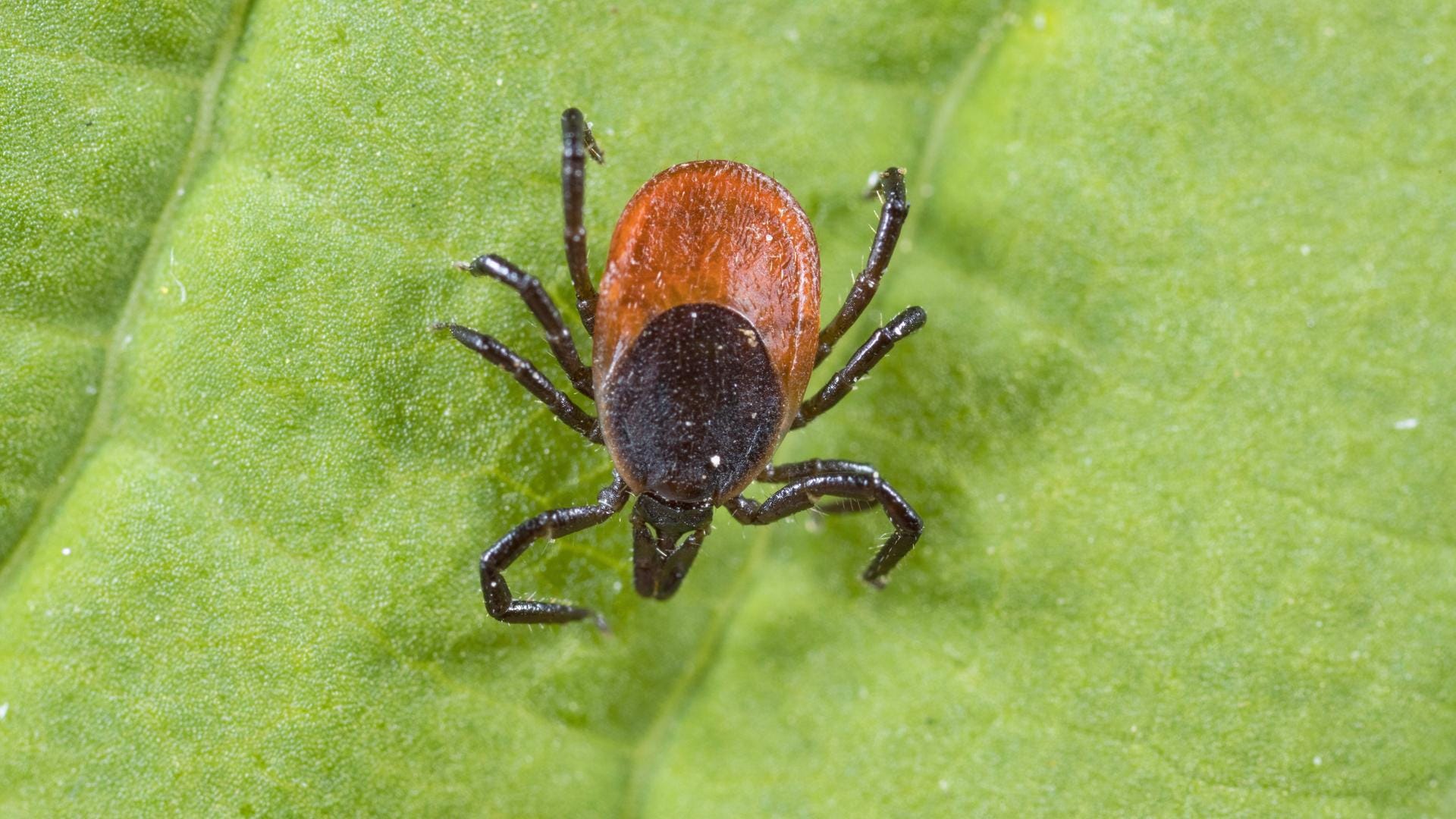
The virus is spread primarily through the bite of infected Ixodes ticks. In a smaller number of cases, people become infected by consuming unpasteurized milk or dairy products from infected goats, sheep, or cows. Risk is highest during the warmer months when ticks are most active, especially for people who spend time hiking, camping, forestry working, or engaging in other outdoor activities in endemic areas.
Many infections cause no symptoms. When illness develops, it often follows a two-phase pattern. The first phase may include fever, fatigue, headache, muscle aches, and nausea, followed by a symptom-free interval. A second phase, which occurs in only a subset of patients, can involve meningitis, encephalitis, or inflammation of the spinal cord, leading to severe headache, neck stiffness, confusion, balance problems, weakness, or paralysis. Recovery varies, and some people experience persistent neurological symptoms.
Diagnosis is based on clinical findings, exposure history, and laboratory testing, most commonly the detection of virus-specific antibodies in blood or cerebrospinal fluid. There is no specific antiviral treatment for TBE. Care is supportive and may include hospitalization, management of neurological complications, respiratory support when needed, and rehabilitation for lasting deficits.
The most effective prevention is vaccination (TicoVac) for people living in or traveling to endemic regions where vaccination is recommended (so they say). Additional preventive measures include wearing long sleeves and pants, using tick repellents, checking the body for ticks after outdoor activities, promptly removing attached ticks, and avoiding unpasteurized dairy products in areas where foodborne transmission has been reported.
Comments
Nothing yet. Say the first thing.
Sign in to join the conversation.