However, IAA researchers have proposed two main theories about what the site served as: either a major trade and industrial station or part of a currently undiscovered nearby settlement.
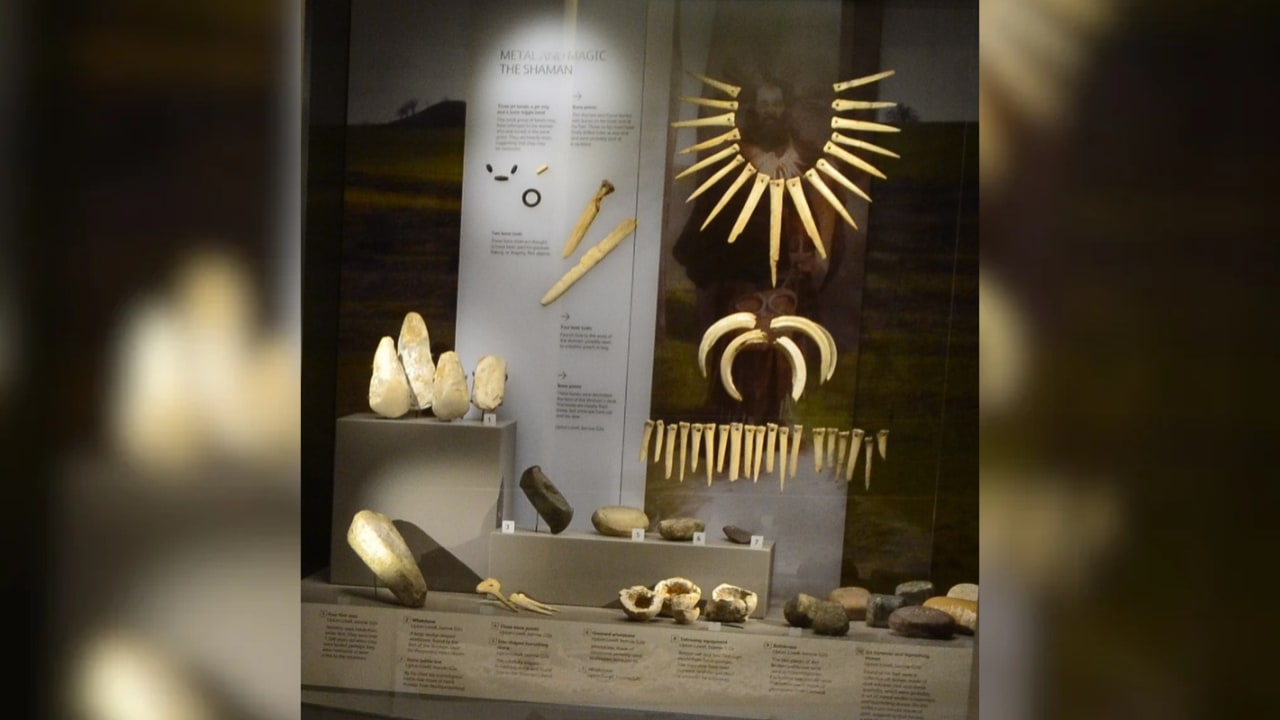
“It completely tears up previous assumptions,” Wiltshire Museum Director David Dawson told The Guardian. “It’s a fantastic revelation of the position of women in society.”
The six, four of whom are believed to be daughters of Pharaoh Amenemhat II, were rediscovered in 2020 in the Egyptian Museum after being lost for decades.
The bridge, commissioned by Emperor Constantine I and inaugurated in 328 CE, linked the ancient city of Ulpia Oescus with Sucidava in what is now Romania.
Leithy added that the layer is marked by remnants of ancient Cypriot pottery and Greek amphorae, confirming that settlement of the site began before the construction of the bathing complex.
An unfinished statue of the Greek goddess Aphrodite, a limestone gravestone depicting a seated man holding a bird, as well as the remains of a plaster sphinx statue were also found at the site.
The mosaic's design closely resembles one previously discovered in a firefighters' barracks in Ostia, the ancient port of Rome, about 30 km from the capital, the archaeological office said
Vilnius was a major center of Jewish thought, famed for both its religious tradition and modern secular Jewish culture. It was home to the 18th-century Vilna Gaon, a highly influential sage.