
Mexico City feels far and exotic, and it is. But for me, there is an instant sense of familiarity. Not because I know it well but because the Mexicans have this way of hosting, a generosity without formality, a trait that reminds me very much of Lebanese hospitality.
What I recognized wasn’t anything specific, not the mole, the mezcal or the barro negro but the architecture beneath it all. Three pillars, that hold up both Mexican and Lebanese tables, that probably hold up every table where people truly know how to make you feel at home. Ritual. Food. Color.
Rituals and traditions are what make a table feel lived-in, like it belongs to someone. They show up in the food of course, but also in the way things are laid out, in the rhythm of the meal itself. It’s about the recipes that are inherited and in the stories behind them. My favourite tradition I learned on this trip is Rosca de Reyes, the Mexican equivalent of the Galette des Rois. Same concept: a cake with a little figurine baked inside. In Mexico, it's a baby Jesus. But here's the twist. If you're the one who gets the baby Jesus in your slice, you become its guardian. And that means you're responsible for hosting Día de la Candelaria on February 2nd, which requires you to serve tamales to your family and friends. What I love about this is that the ritual doesn’t end when the cake does, it pulls you forward into the next celebration a couple of weeks later.
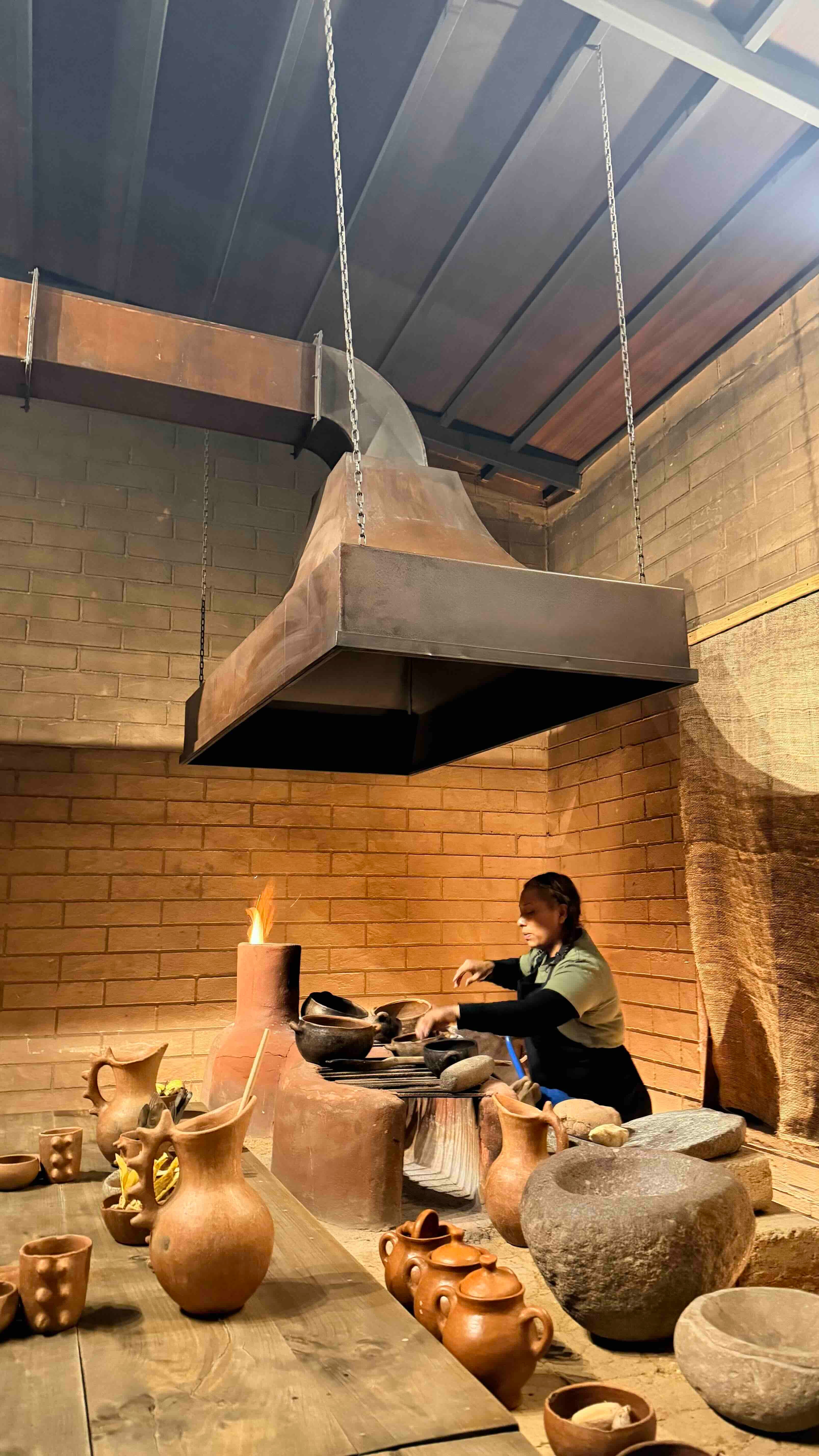
Food is at the centre of everything. When you mention Mexico to anyone here in Europe, the first thing that comes to mind is the food. Mexico City is one of the most dynamic restaurant scenes in the world, not only mexican-focused food. I went to The Lamb, a British restaurant inspired by The Pelican in London. I know, I know, I ate British food in Mexico. But it was excellent, and after ten days of tacos, I was ready for something different. Mexican cuisine is on UNESCO’s Intangible Cultural Heritage list with techniques like nixtamalisation (the ancient process of treating corn with lime water to unlock nutrients and flavor, essential for proper tortillas) or mole-making centuries-old system.
Those are the facts.
But wander around Mexico City and you’ll understand that it’s not just about the food itself, it’s also about the ritual of sharing it.
One of my favourite discovery this time was Las Mañanitas, a couple of hours outside of Mexico City. Not for the food, it was good but for the feeling I had when I stepped into this place. I had already fallen in love with San Ángel Inn in Mexico City, which has a very similar vibe but Las Mañanitas takes it up a notch. Think a beautiful townhouse with a garden in the back, peacocks and turtles roaming around freely, parrots just hanging around, and everywhere you look: families, kids, groups of friends, all under the sun with drinks, some are having lunch and no apparent plans to leave. There’s a warmth to these places, a certain familiarity. They’re restaurants, technically but they feel like someone’s home. Like you’ve been invited, not just seated.

It reminded me of Lebanese Sunday lunches, the ones where you sit for hours around the table, where lunch stretches into evening and nobody minds. Different architecture, same idea: time doesn't matter when the table is good. The more I ate and talked to people, the more I understood that Mexican cooking doesn’t take any shortcuts. Take mole, an insane number of ingredients, hours of work and knowledge passed down through hands rather than written anywhere. This is what it’s about and what makes the meal alive.
Finally, colour. Colour as warmth, not decoration. If you’ve been to Mexico, you’ll know what I mean: there is something about the colors there. Part of it is cultural, color is woven into everything. But I think it’s also the light itself. I went to Oaxaca for the first time having seen countless pictures of those painted walls and beautiful flowers. I always thought they looked stunning. But nothing prepared me for how vivid and alive the colours are in person.
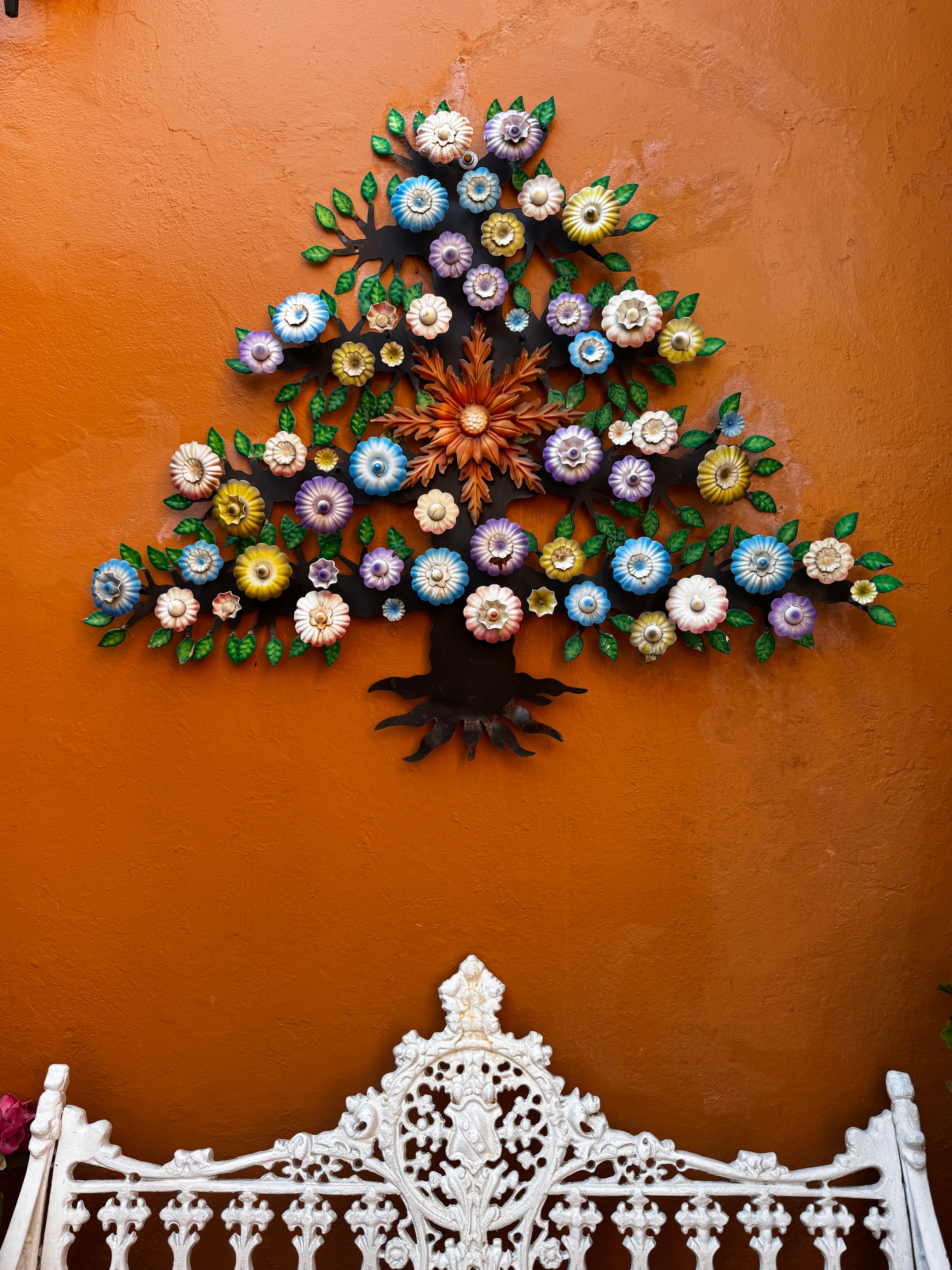
And this shows up at the table, of course. Colour here is generous, unapologetic. It’s the opposite of the curated table we see everywhere now. It makes you feel something before you even sit down.

I came home wanting to rethink my own table. Not to copy Mexican style exactly, let’s be honest, that would look slightly ridiculous in London but to be more confident about it. To stop worrying whether the colours “go together” or whether it’s too much. I’ve written about letting go of perfect tables (read here). Mexico reminded me why: people remember how a table feels, not how flawless it appeared.
I’m already planning my own Mexican-inspired table, and I’ll share it here soon.
Thanks for being here. Stay cosy until next time, Jx.
If you like this please drop a ❤️ , share it with a friend, leave a comment, or subscribe! For more JOSI, you can follow us on IG.
No posts
Comments
Nothing yet. Say the first thing.
Sign in to join the conversation.