

Summer arrives every year like a surprise party you knew was coming but somehow still weren’t ready for.
One minute it’s the last day of school, kids bursting through the door with crumpled artwork and lunch boxes that have gotten really, really gross, and the next it’s only 9:47 AM on a Tuesday in June and everyone’s bored out of their minds.
Before the season fully kicks in, here’s what I want to offer:
A way of thinking about summer that takes some of the pressure off, a few mindful practices that help keep you connected and present, and some practical hacks that I reach for every year.
Think of this as your joyful summer survival guide.
There’s a kind of magic that lives inside childhood—a sense of wonder, of time stretching, of the world being both safe and endlessly interesting.
Summer is one of the last places we get to let kids dwell in it.
This precious “bubble” of childhood deserves our fierce protection. In our instant-gratification, achievement-oriented society, it’s easy to forget that free play isn’t just something children do for fun—it’s how they learn about themselves and their world. It’s through unstructured play that children develop creativity, flexibility, problem-solving skills, and resilience. A child who spends an afternoon building a fairy house from sticks and grass develops these skills without a curriculum or coach in sight.

The real world will come knocking soon enough. We don’t need to hurry it along.
And yet we can accidentally crowd that bubble out in summertime—with camps stacked on activities stacked on playdates, plus the pressure to make everything feel memorable.
Our parents’ generation didn’t overthink this. They sent us outside, told us to drink from the garden hose when we got thirsty, and called it a day. We came home when it got dark or someone was bleeding, whichever came first.
They knew (or maybe they just didn’t think about it that much) that boredom isn’t something to save our children from. It’s actually how they find their way to their most creative play and most imaginative adventures. When children push through that initial restless frustration, they discover inner resources they didn’t know they had.
Resist the urge to fill every gap. They can fill it themselves. And what they come up with is almost always better than anything we would have planned.
The less we direct, the more they discover.
Get them outside—every day, rain or shine, muddy or otherwise. Let them get grubby. Protect the unscheduled hours. You don’t need to curate a perfect summer, you just need to protect the space for them to have one. Let go of the pressure to create perfect memories, and you’ll find the real ones arrive on their own.
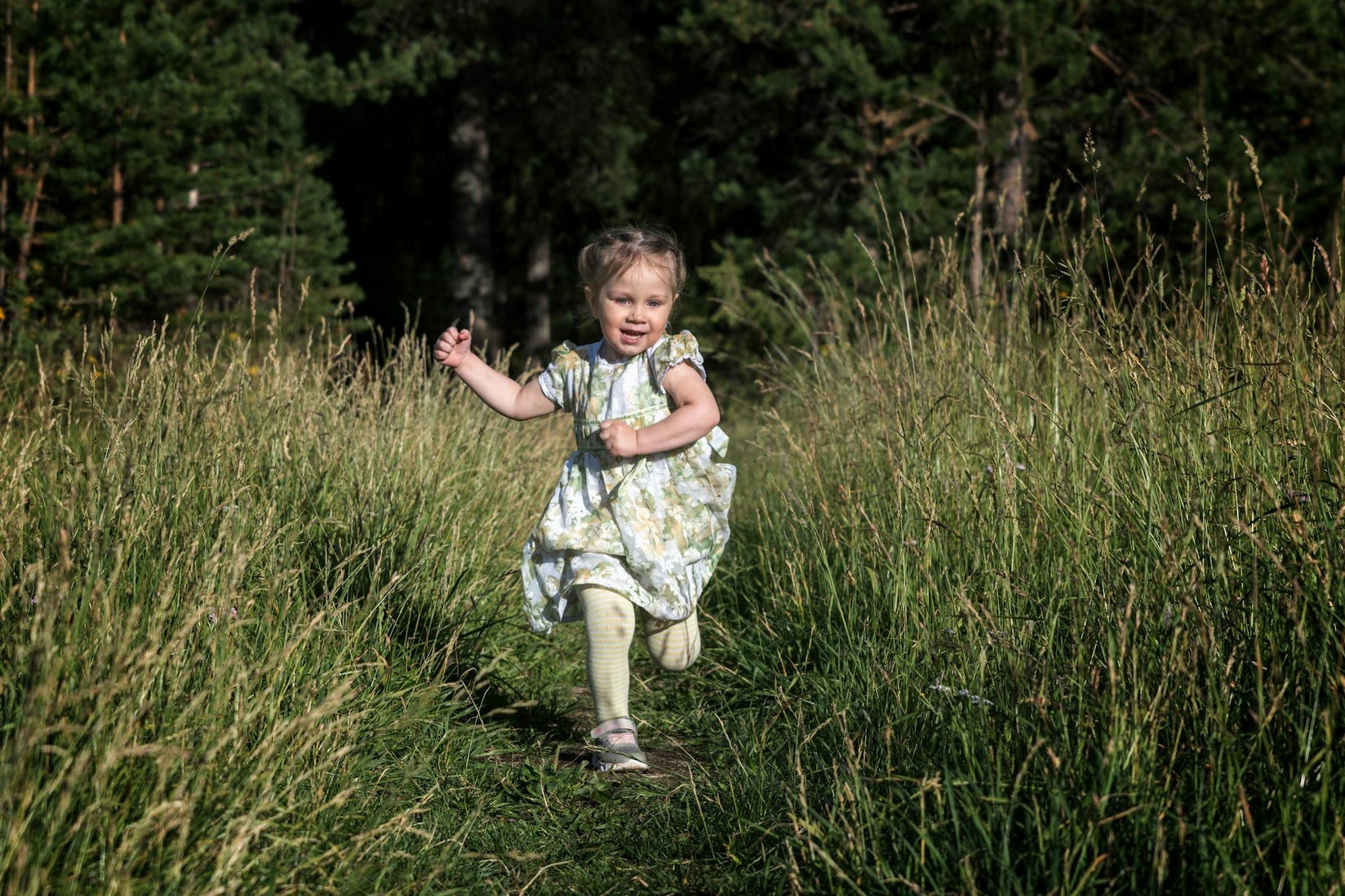
The mindful connection practices I lean on most aren’t elaborate or time-consuming—they’re short, playful, and designed to fit into regular days. Summer is a great time to build them in, using daily routines as anchor points. Try them during the easy moments first, and when you find the ones that stick, keep them consistent as mindful touchstones throughout your day.
When was the last time you moved your body just because it felt good—not to get your steps in, but just because it’s…fun? Dancing with no agenda works like magic, dropping you straight into the pure joy of the moment. Your child already knows this as they twirl and shimmy without one bit of self-consciousness. Who cares what you look like? You’re not on Dancing with the Stars. Just put on a great tune and MOVE. Two minutes is all I ask, and a dance party is an incredibly joyful and fun way to start the day with your child. Song suggestions: Shake It, Roller Coaster, or Make a Splash!

Summertime means you get to deal with all three meals every day! Hooray! (Eye roll.) When the table feels chaotic or your gobble monster is done eating before you’ve even sat down, try this one: Slow Like a Sloth. Invite your child to eat like a sloth—nature’s slowest creature. (You do it too!) Pick up your fork in slow motion. Bring the food to your mouth even more slowly. How slowly can you chew? Count to twenty together. S l o w l y ! Be super dramatic. It’s silly, and it works. Slower eating, calmer table, more fun at mealtime.
Try the S.T.O.P. Break–it works for all ages. When things are spiraling, try this simple exercise: Stop. Take a breath. Observe what’s happening (out loud if it helps: “I’m noticing that it’s getting really loud, and I’m feeling frustrated”). Proceed, hopefully with a bit more calm and clarity. It interrupts the momentum before it becomes something bigger.
Summer bedtimes are their own special chaos—later sunsets (oh, the joy of trying to put toddlers to bed when it’s still bright and sunny…), overtired bodies that somehow still have energy, sleep schedules that have left the building. Try Bear Breath: have your child pretend they’re a sleepy bear, settling in to hibernate for the winter. Get them super comfy in their cozy cave. Say: Breathe slowly in and out through your nose, just like bears when they take their long winter rest. Keep taking really long breaths in and out, and feel how relaxed, safe and warm your cozy cave is.
Repeat until someone falls asleep, even if it’s you.
These practices are from my new book The Joyful Child. The book includes full scripts, plus QR codes to songs and videos of the practices!
It sounds a lot more fun than dinner, even though that’s what it is. On the nights when actual cooking is just not happening, I throw some combination of rotisserie chicken pieces, cucumbers, carrots, cherry tomatoes, hummus, crackers, cheese and whatever fruit I have onto one big board. Hand out some plates and waters; let kids have at it. I don’t know why this works so well, it just does.
The simplest change of venue can transform the whole vibe at mealtime—and costs you exactly zero extra effort. Floor picnics are where it’s at: spread a blanket, lay out the food, and suddenly the same dish they’d ignore at the table becomes fascinating fare worth trying. Other ideas: try a candlelit meal—we call it “fancy dinner.” (Battery-operated tea lights work just fine.) Your child will consider it fine dining. Head into another room and eat around the coffee table, or move it outside if the weather is nice. Let everyone sit under the table! The location doesn’t matter; the novelty does.
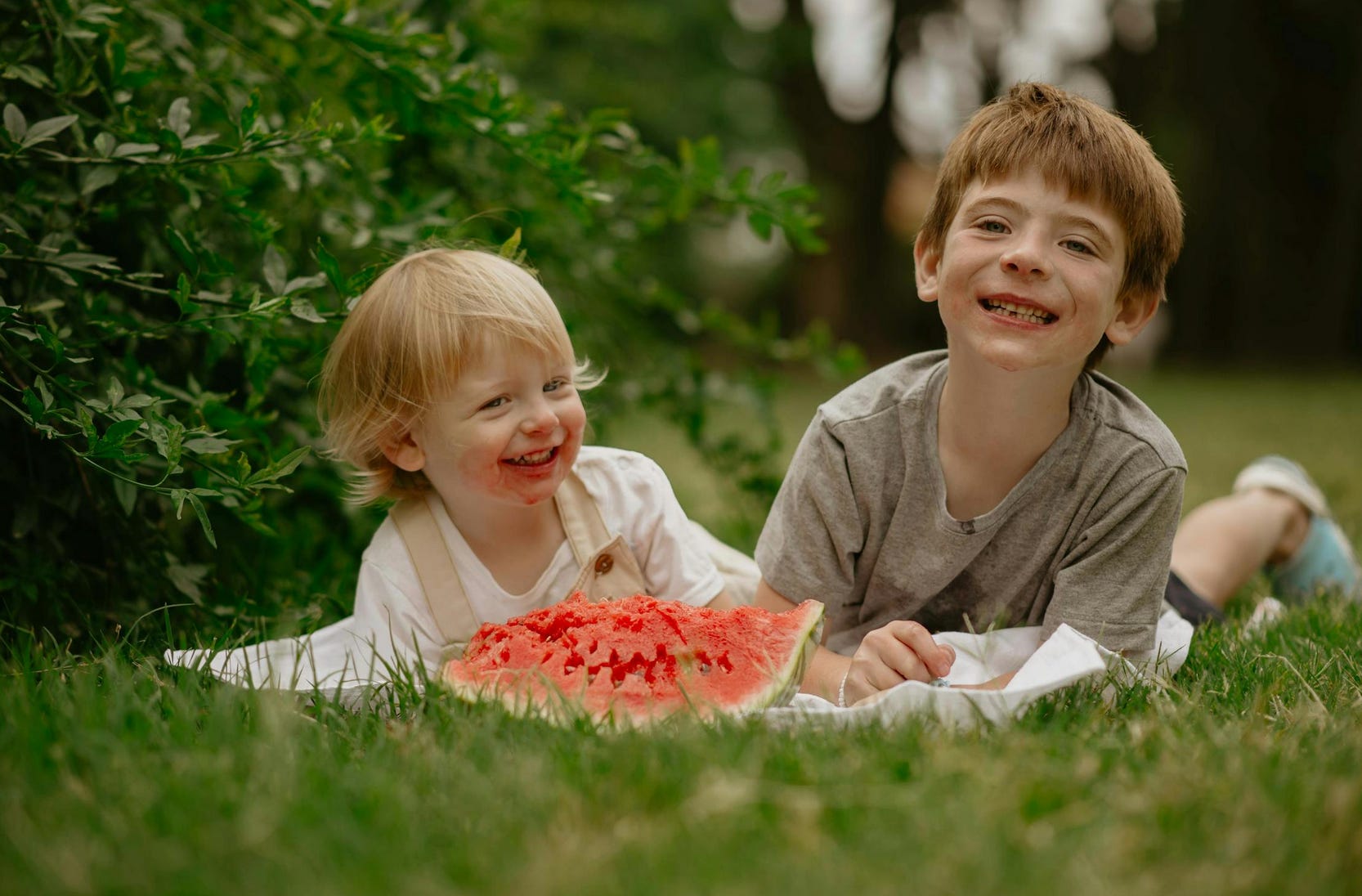
Keep a dedicated box or bin stocked with simple things to spark creativity when the moment calls for it: sidewalk chalk, a card deck, fresh colored pencils. We’re not talking about expensive toys, more like a $1 bouncy ball from the bargain bin that you saw at checkout. In it goes to the Box of Fun, to be pulled out when needed.
So simple, and makes things a ton easier. Your pool bag, park bag, all-purpose outing bag–whatever yours is, keep it stocked and ready with the essentials. Non-perishable snacks, diapers and wipes, plastic bags for wet things, sunscreen and bug spray, whatever your family needs when you’re on the go. When you come home from an outing, clean it out and restock it right then, if you possibly can. Future You will be so, so glad you did.
One more thought for working mamas: for those of you working through the summer months (like me), I see you. Summer doesn’t have to be all-or-nothing, but you can still find pockets of lazy, magical summer fun. It takes a village; lean on yours to find them where you can. Two awesome women on my team share childcare and work from the community pool on Monday mornings—laptops out, sitting at tables under umbrellas while the kids swim. It’s not a day sipping iced tea on chaise lounges, but it’s something!
Summer is long; it’s also over in a blink. You don’t have to do it perfectly to do it well.
What’s your best summer hack? Drop it here—I’d love to collect these and share!
Kira
P.S. - Want some of my best summertime resources? Check out my Summer Mindfulness Bundle. It’s got summer-themed coloring pages, yoga & mindfulness videos, playlists, and more to help you have a gentler summer.

Comments
Nothing yet. Say the first thing.
Sign in to join the conversation.