
Whenever I encounter a mess someone left behind, I think about this scene in the 1995 film Kicking and Screaming.
In the movie, recent college grads live together in mild squalor and lassitude. One of the roommates encounters a pile of broken glass on the kitchen floor. Rather than cleaning it up, he sweeps it into a pile with his foot and carefully places a sign over the shards: BROKEN GLASS.
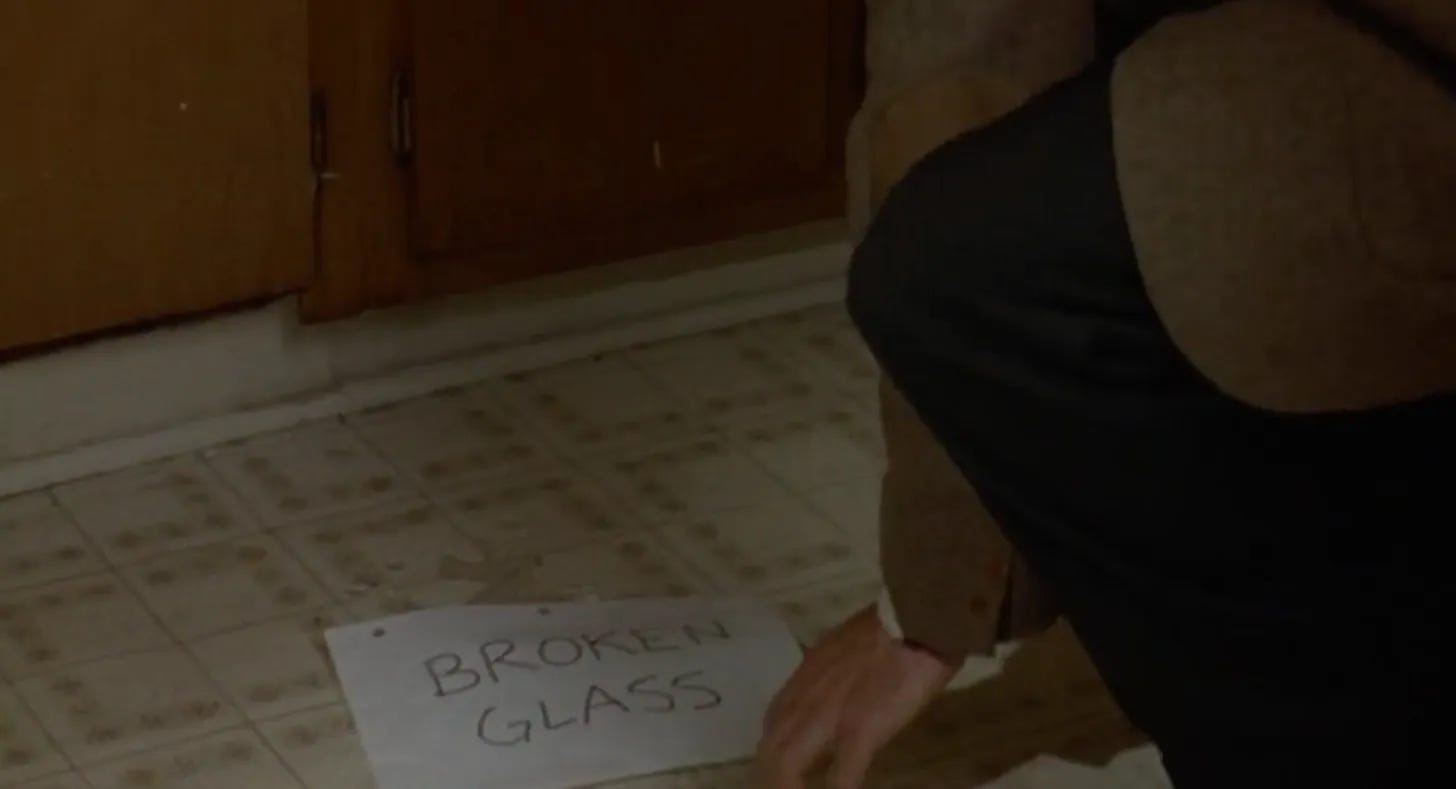
Surely none of us would be so unscrupulous, but in the field of web design, this kind of apathetic oversight feels regrettably familiar.
About a decade ago, when I started at Journey Group, there was a phrase Josh and Zack Bryant would say to us and to each other: Sweep between the studs.
What did they mean? “Sweep between the studs” references the work of house framing. As a building is framed, all sorts of sawdust and debris gathers between the studs of the house. These little piles are covered up by drywall eventually. The home owner will never know about the rats’ nests left behind. But the Bryant Brothers’ encouragement was to take pride in your work: Sweep up every mess you leave behind.
In other words: Take great care in your work, even the work that no one else will ever see.
What does this have to do with design?
Even though many (most) of us designers are pushing pixels, it helps to recall more analog guides.
To stay in the vein of woodworking, take the master carpenter: the person who is vocally opinionated about the right way to dovetail a dresser drawer or the ideal nails to use on the back of a wardrobe. Will the owner of such a dresser ever see or notice such things? Probably not. Does it still matter? Yes, incredibly so.
Why? Because the great craftsperson is invested in every aspect of his or her craft, including exercising mastery of tools and tight control of a complex process.
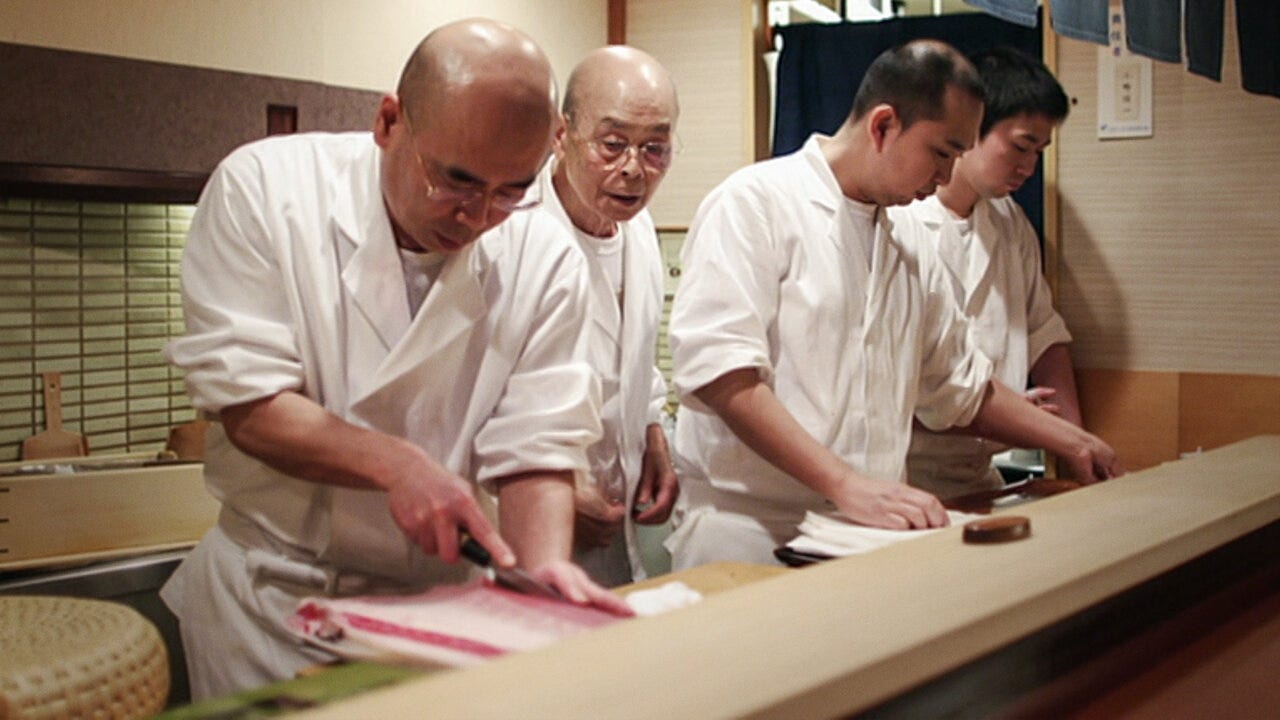
I think of celebrated sushi chef Jiro Ono, of Jiro Dreams of Sushi, weighing and shaping tiny slabs of raw tuna in his knowledgeable hands. I think of his insistence on the way water is used and rags are folded. Will the diner ever notice or even know about such niceties? No. Does it matter deeply to Jiro’s exercise of his craft? Yes.
In this same way, sweeping between the studs expresses a deep pride in one’s vocation.
We’re honored by the work we get to perform, on behalf of our clients. We take great care in the tiny things we do.
Like: Cleaning up and organizing our Figma files. Fixing something small that’s broken without being asked by the client. Tidying the marginal, nigh invisible, part of the codebase for which we have responsibility. Shipping the work with behind-the-scenes labor that’s clean, that would make us proud if someone went over it with a fine-tooth comb.
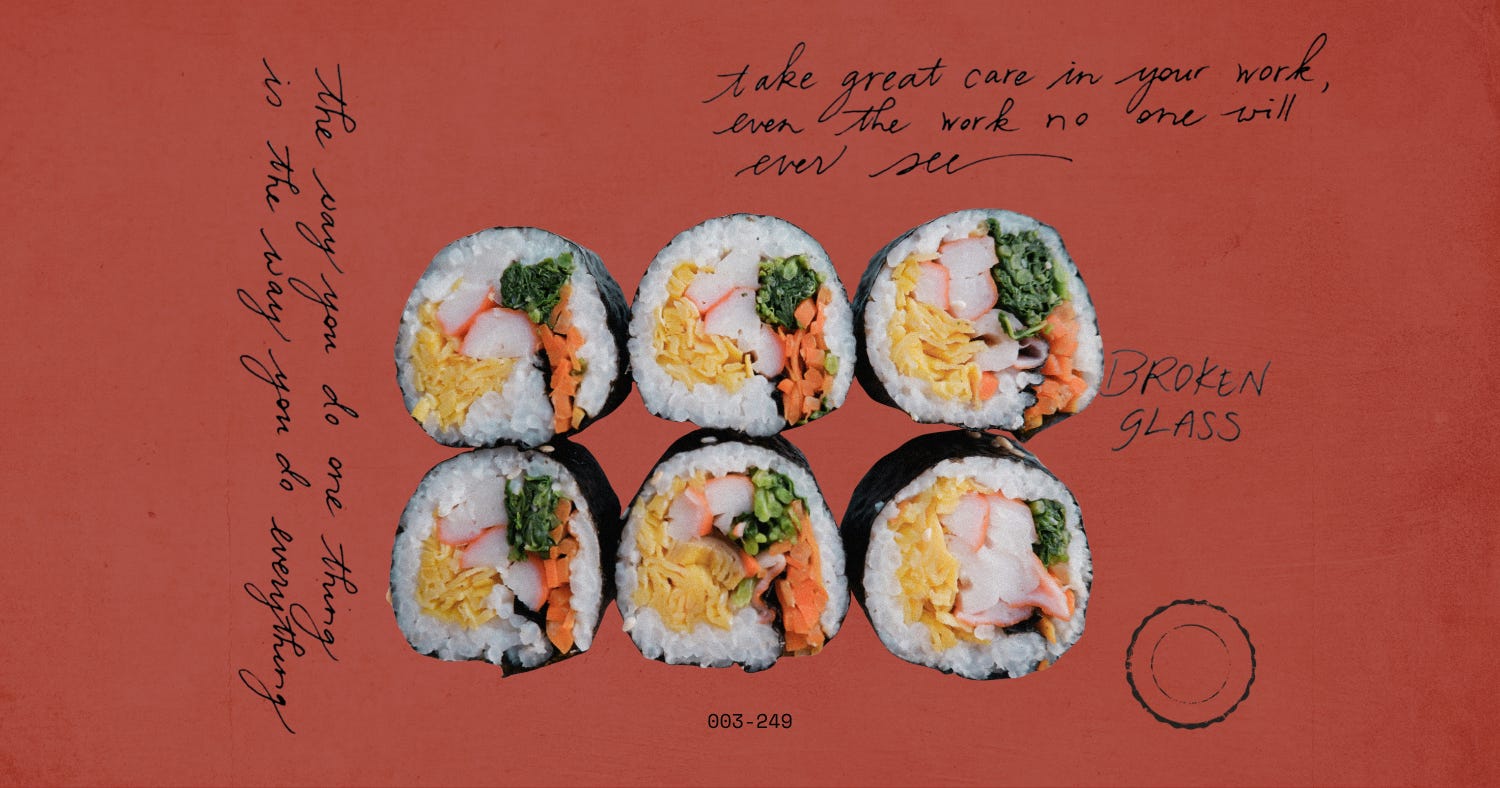
Sweeping between the studs isn’t about being a perfectionist, nitpicker, or a micromanager. It is, instead, about finding delight in doing the small things well. Taking pride in skillfully executing the invisible tasks. And, importantly, not leaving messes for someone else, even if it’s unlikely they’ll ever discover them.
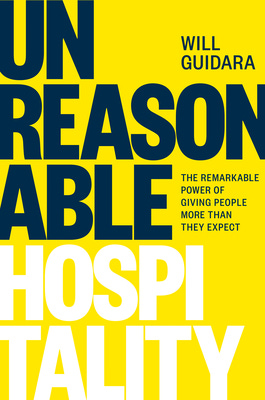
One of our guiding lights, restauranteur Will Guidara, said in his book Unreasonable Hospitality:
“The way you do one thing is the way you do everything.”
Imprint this on your heart. Take it back with you to your desk. There is no separation between life and work, so get out your broom.
ENTRY: 003
SOURCE: Josh Bryant and Zack Bryant, by way of their carpentry background
No posts
Comments
Nothing yet. Say the first thing.
Sign in to join the conversation.