
I recently heard a tech journalist and researcher discuss the hallmarks of the “American personality.” A longitudinal study of young people suggests that Americans are becoming more neurotic, less extroverted, and less conscientious over time.
In other words, we’re trapped in narrow worlds of our own making, seduced by an easy narcissism and suffering from compounding isolation.
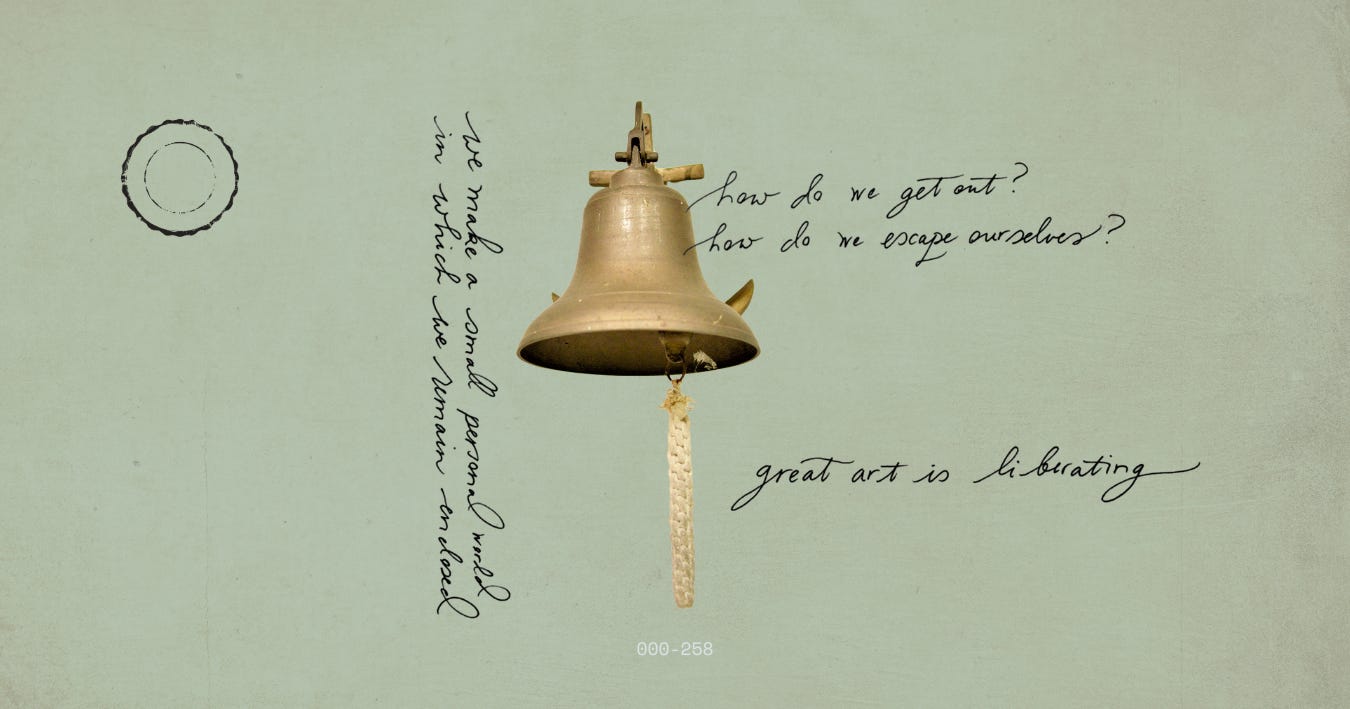
How do we get out? How do we escape ourselves? Thankfully, philosopher and novelist Iris Murdoch has a suggestion.
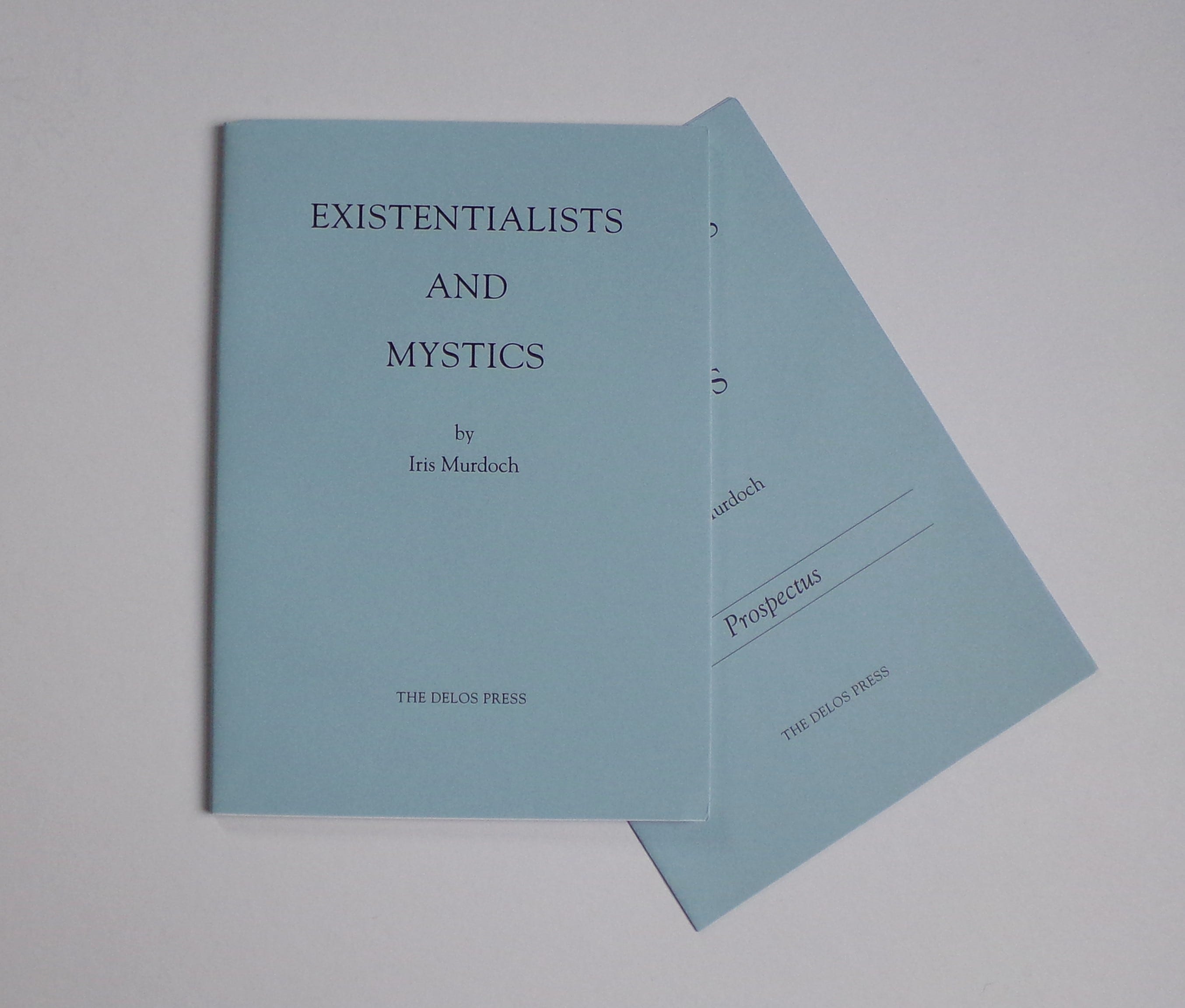
In her book Existentialists and Mystics, Murdoch says:
“Good art is good for people precisely because it is not fantasy but imagination. It breaks the grip of our own dull fantasy life and stirs us to the effort of true vision. Most of the time we fail to see the big wide real world at all because we are blinded by obsession, anxiety, envy, resentment, fear. We make a small personal world in which we remain enclosed. Great art is liberating, it enables us to see and take pleasure in what is not ourselves.”
Murdoch goes on to make a distinction between good and bad art (a delightful can of worms for another letter) but emphasizes that great art offers us freedom from ourselves.
Through an encounter with a great novel, painting, or song, we can focus on other people for a change. And in this way, we can leave behind our constricted, lonely, self-indulgent ways and regain our imagination: a deeper, truer vision for the “big wide real world.”
No posts
Comments
Nothing yet. Say the first thing.
Sign in to join the conversation.