
Happy 2023~
Maddie and I spent New Years’ Day (two days before I turned 32—an auspicious inversion of 2023?) under one of the oldest (and girthiest) trees in the world, El Árbol del Tule in Oaxaca. The tree, a Montezuma Cypress, is at least 1400 years old according to Aztec legend, when it was planted by a priest of the wind god Ehecatl—but could be up to 2,000 years old.
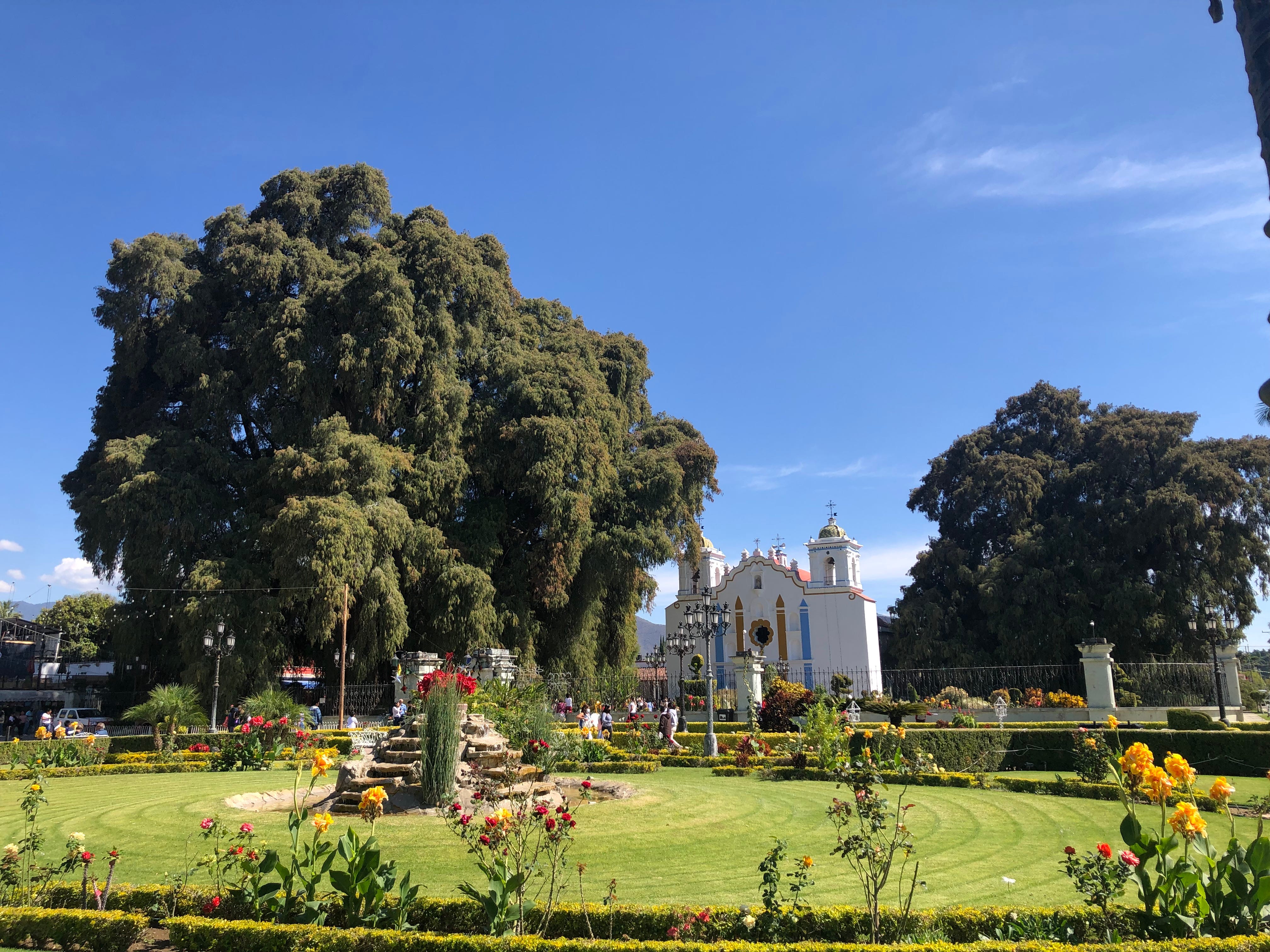
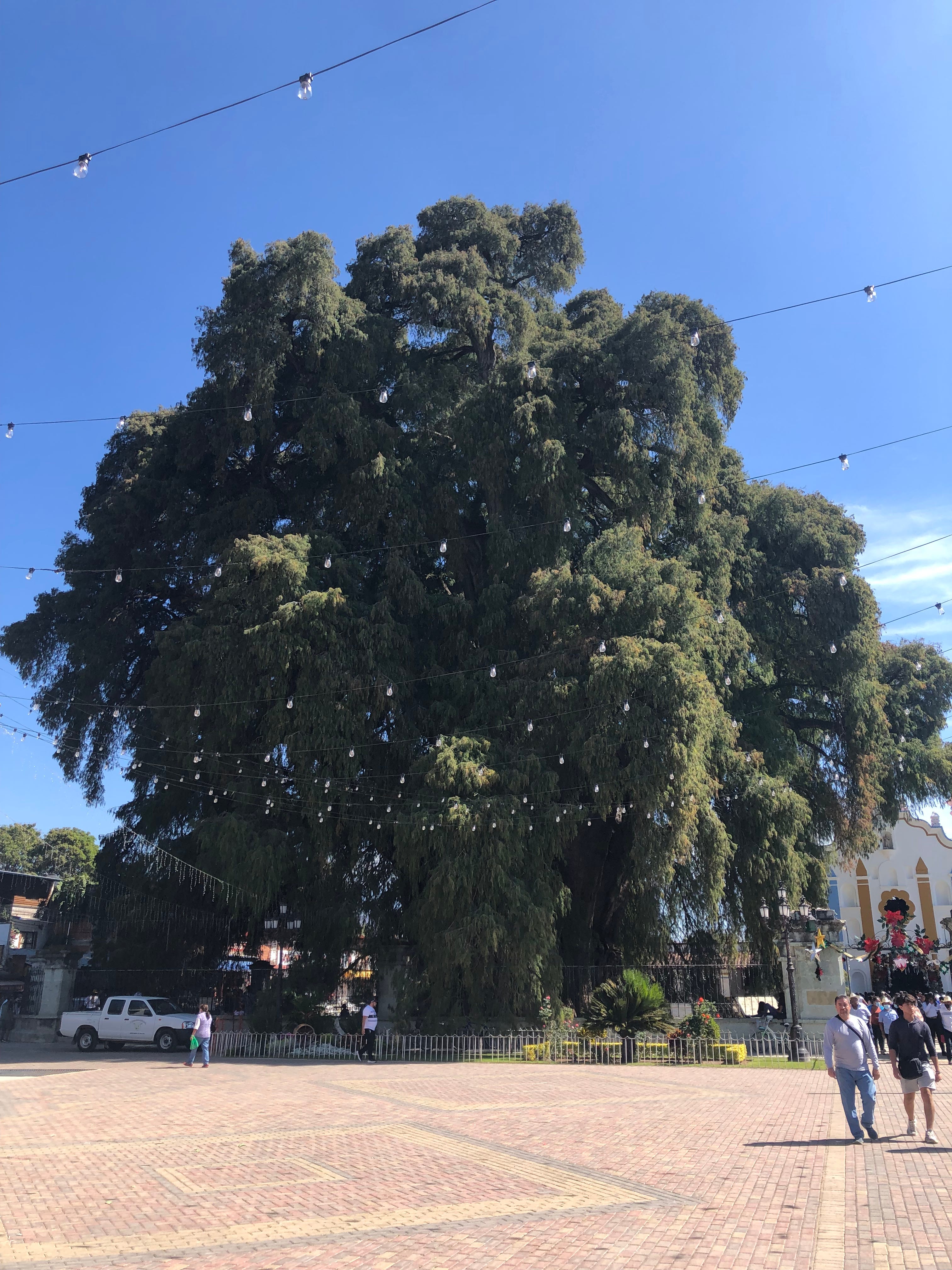
Supposedly, the tree has been slowly dying for the last 40 years due to the damage a local highway has done to its root system. (it still looked lively to us, though)

Seeing the tree made me think about records, about time, about what’s worth recording. It was a happy reminder of how little remains of our debased (to use my friend Lee’s term) little lives, our little Substacks. So, after getting back home, I decided to start a monthly record here.
I’ve always thought of months as the perfect container. Not too long or short—feels like a lot happened, but not so much that narrative possibilities branch out too wildly. The German Monat is not too different from Leibniz’s monad, which perhaps unconsciously causes me to imagine months as round. A little glass orb, perfectly preserving four weeks like a snow globe’s miniature village, to be studied but mainly cherished for its clarity and simplicity. The only way a month could be more perfect is if it had only three weeks! (3 being a more beautiful number than 4).
Alas, here are some things from this month that I enjoyed.
~
Film:
Edward Yang - The Terrorizers (1986)
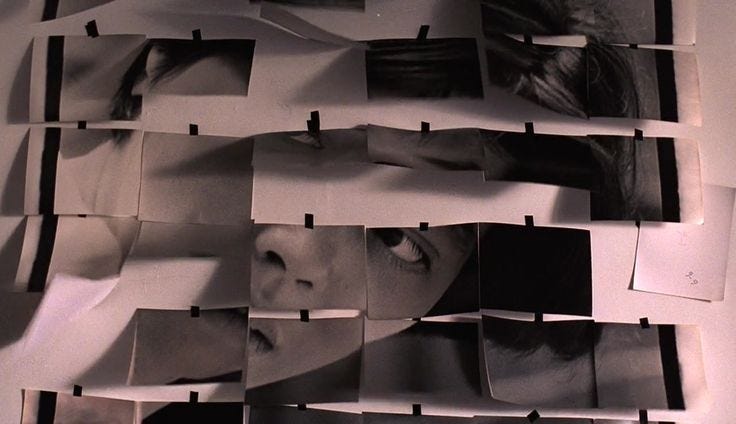
Stories quietly teasing connection, only analogous, but an analogy that can cross over into the real, the way the novelist character both is and isn’t writing about her real life, the way the photographer character’s desire both is and isn’t for the runaway girl he captures on film. My friend George called it Edward Yang’s “coldest” film. Maddie fell asleep during some of the best scenes. I loved it.
~
Kore-Eda - Broker (2022)
It’s sweet! There’s a baby, and a scene where a woman turns off the lights and goes around the room telling everyone “Thank you for being born” and it worked. I kept joking that this was the happy version of Decision to Leave, another film from last year set in Busan. I was told that’s a dumb comparison. This was the only movie I saw in theaters this month.
~
Music:
January is mainly for ambient music. Here’s some of the new stuff I encountered and liked:
Sophie Birch & Antonina Nowacka – Languoria (2022)
Duval Timothy – Meeting With a Judas Tree (2022)
Oren Ambarchi – Shebang (2022)
Jeff parker – Forfolks (2021)
David Behrman – Leapday Night (1987)
Fievel is Glauque – Flaming Swords (2022)
~
Readings:
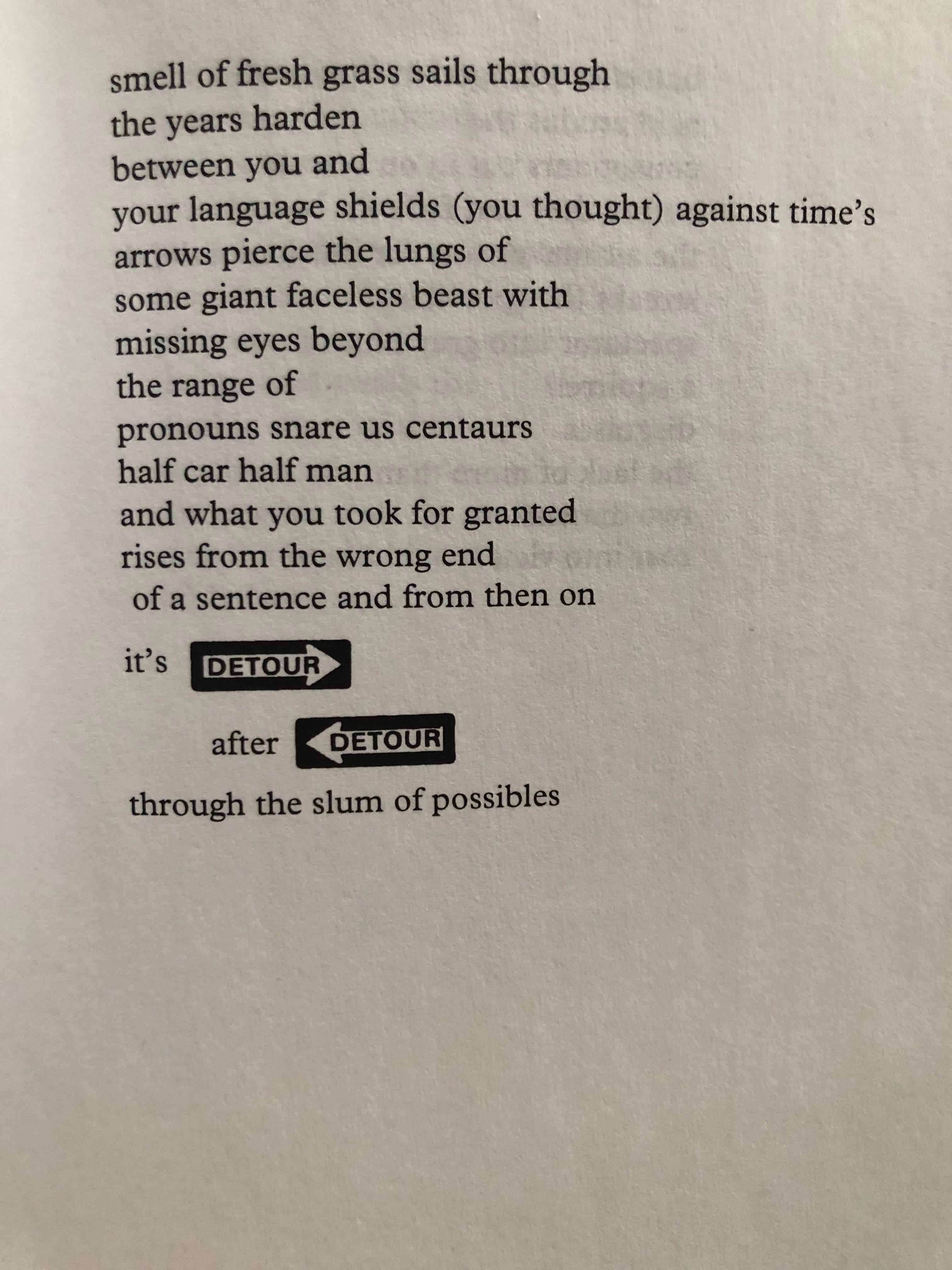
Rosmarie Waldrop – Another Language (Talisman House, 1997)
a selected poems which includes a lot of her early work I had never read before—some of it a bit more personal which was a nice surprise, and some cool experiments—like a long poem called “The Road is Everywhere or Stop this Body” about being in a car, filled with images of ominous road signs – a kind of phenomenology of driving…
~
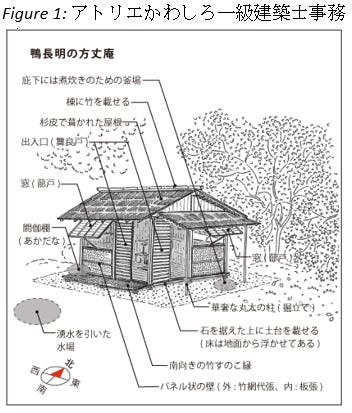
Kamo no Chōmei – Hōjōki
An account of the impermanence of life in a capital in a 12th c. “late age” beset with plagues, fires, political chaos, and earthquakes, and the pleasures of retreating to a mossy forest hut. Chōmei wanders the hills picking wild mushrooms and radishes with the forest-warden’s child, playing zither for the winds, and tearing up at the sound of crickets in the moonlight. In the end he scolds himself for writing with too much relish about hut-life! A great reclusive January read.
~
Iris Murdoch – The Sea, The Sea (1978)
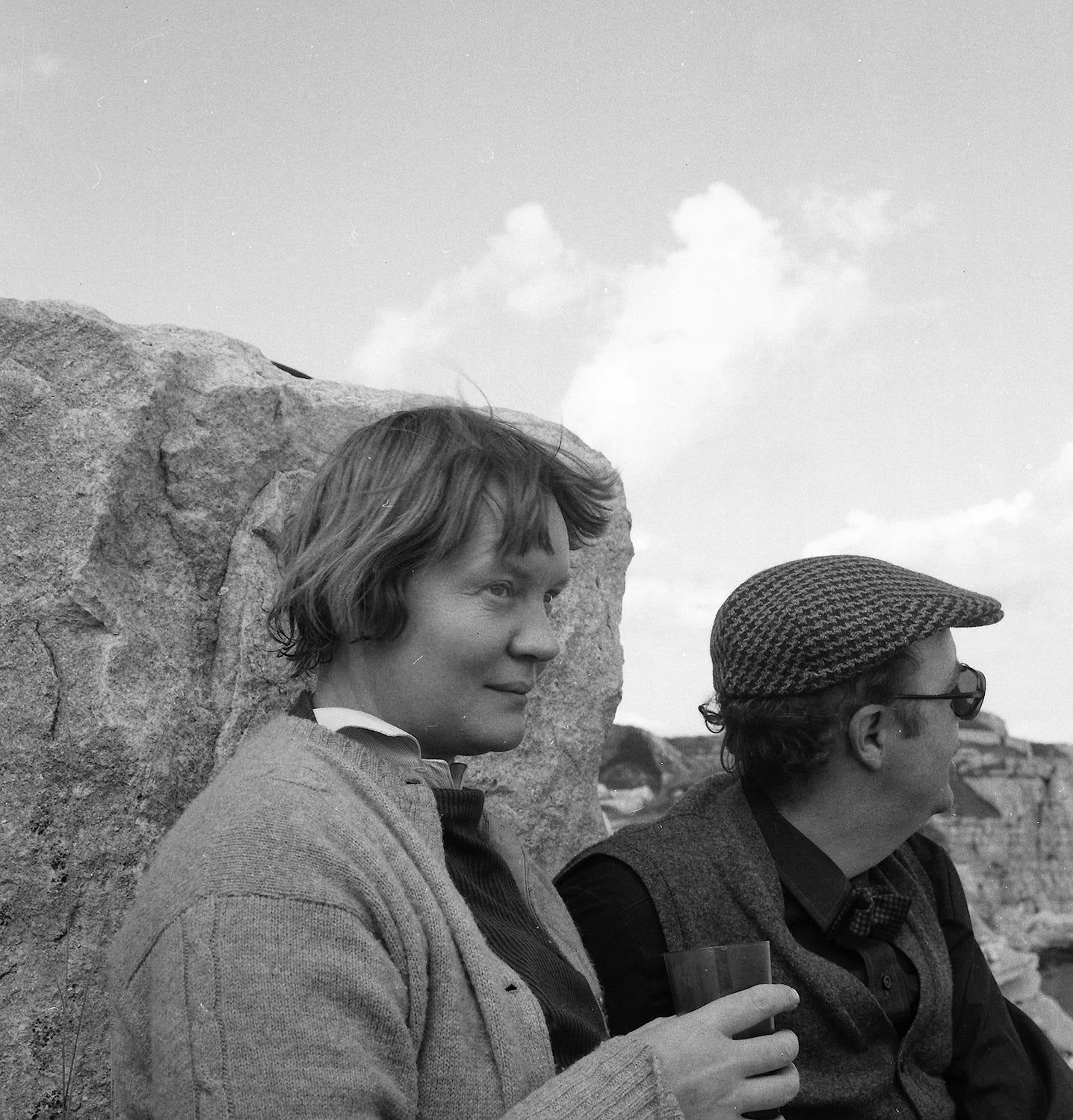
The Sea the Sea is genius for the way Murdoch uses meals as rhythm and a break from the drama (and for the narrator Charles Arrowby, an escape whenever his self-analysis seems to reach any territory even a little painful to contemplate, or when the chaos he causes gets out of hand). “One of the secrets of a happy life is continuous small treats, and if some of these can be inexpensive and quickly procured, so much the better.”
The meals are simple and mostly from a can, employing Arrowby’s “4-minute feast” method of preparation (which was supposedly based on Murdoch’s actual diet). Like Arrowby they are both charming and a little disgusting. But the Chōmei side of me is into it. I tried to make a bean & celery dish with anchovy toast, and it was honestly pretty good!
I learned that this book is a bit famous for these passages. It even turns out that the poet Aditi Machado has a Twitter account that tweets out Charles Arrowby’s infamous treats.
~
Etel Adnan – Shifting the Silence (Nightboat Books, 2020)
Finally got around to Adnan’s final testament. She’s a genius I guess, in that she seems at times to be saying both everything and nothing, each just as intensely. Always light, light, even writing about death, which is mainly what this book is about. I guess that’s what “shifting the silence” is all about:
The universe makes a sound—is sound. In the core of this sound there’s a silence, a silence that creates that sound, which is not its opposite, but its inseparable soul. And this silence can also be heard… This silence is a preparation of things to come, but is not free standing. It’s rather the shadow of whatever is, which precedes or follows at will any element that presents itself to this world. Its favorite time is night.
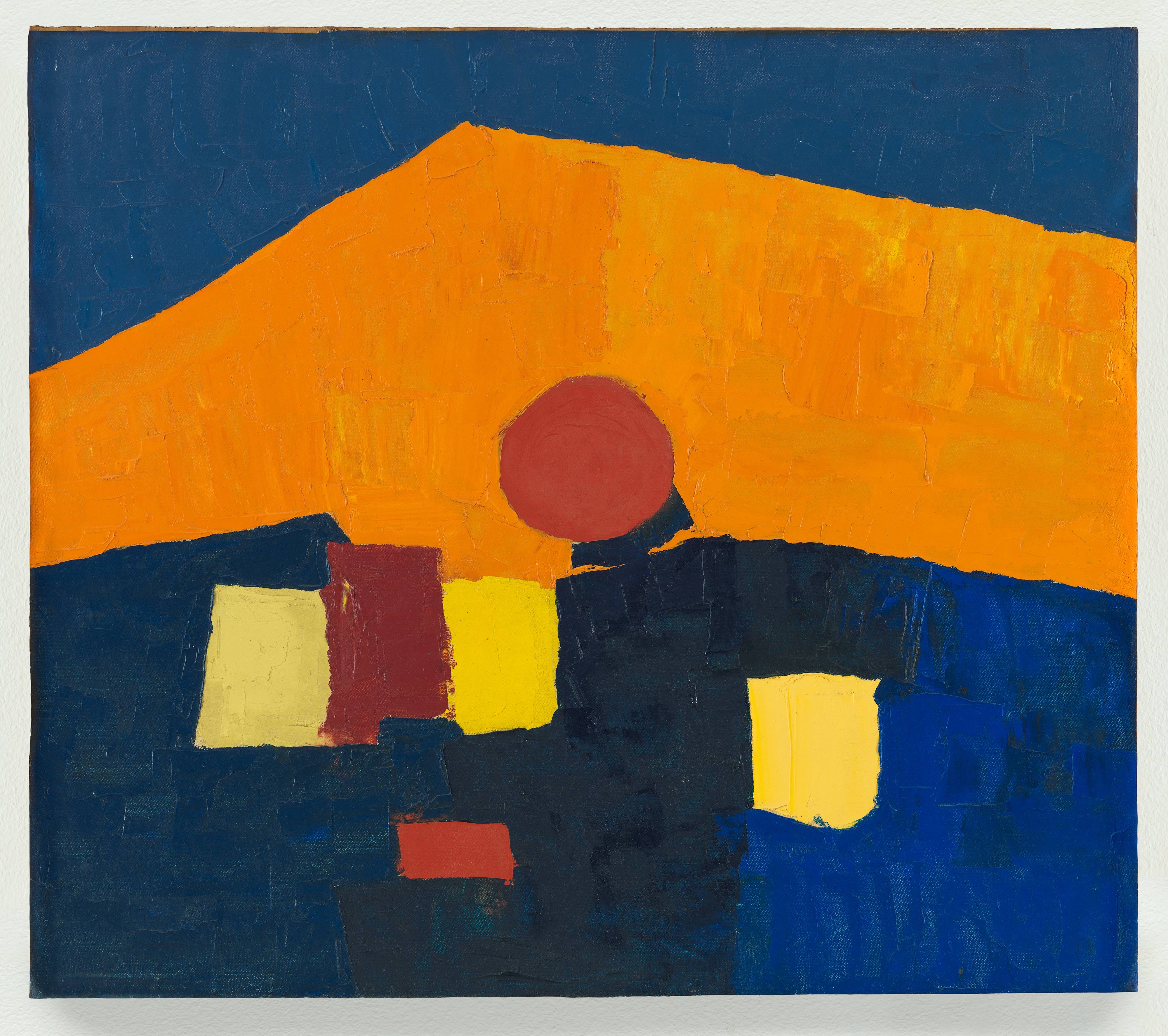
There’s a note of resignation in the book that can feel cynical, but I remember that Adnan wrote this at 95, and had seen and lived a lot. Her attention, when it’s not drawn to rest, is on dailiness and memory and friends and the way they reflect eternal things: mountains, the still-alive Greek gods, the echoes of a near-enchantment—wanting, as she writes, to be carried to die at Delphi.
~
Henri Bergson - Matter and Memory (1896)
Read this for a long-running book club with my friends Lee, Yun Ha, Nick, and Will. A bit of a slog but its central thesis is interesting both for its historical relevance for modernism, etc as well as its considerations on the mind-body problem… the ‘vitalist’ thesis that all of memory is intrinsically connected to action, a bodily repository of actions that helps us sort through the data of perception in order to act, seems true and helpful…
It is toward action that memory and perception are turned; it is action that the body prepares.
Bergson’s vitalism also made me think more metaphorically about historical memory, and the way historical action can activate memory… the way Chris Marker mourns radical history as falling constantly away into the overall forgetfulness of inaction: “forgetting is not the opposite of memory, but rather its lining.”
~
Hugh Ferrell - The Strategy of Composition (2023, Ill Will)
Finally, an essay theorizing the importance of the Defend the Atlanta Forest movement, showing how it is paradigmatic of the kind of territory-based resistance we can expect to see from here on out. You can sign on to a letter expressing solidarity with the efforts to defend the Atlanta forest here, or donate to the Atlanta Solidary Fund here.
~
ETC
I’ll end with a video of Canadian researchers using drones to study narwhals. Hope you all had a nice month too!
yours,
joshua
No posts
Comments
Nothing yet. Say the first thing.
Sign in to join the conversation.