
I love a good road trip, and all the strange encounters they bring.
Isaac, my husband, and I were recently on our way home from North Carolina, where we had gone for his niece’s wedding. It had been a beautiful trip, and like all beautiful trips that involve driving from New England to the South and back again, it also involved a tremendous amount of time in the car. On the way home, instead of simply pushing through, we decided to break up the ride with stops every couple of hours so we could stretch our legs, get some air, and see a few places we had never seen before.
One of those places was Petersburg National Battlefield in Virginia.
Petersburg was the site of a major battle during the Civil War, as well as the center of a long and brutal campaign that stretched from June of 1864 into April of 1865. For more than nine months, Union forces worked to cut off the roads and rail lines that supplied Petersburg and nearby Richmond, while Confederate forces tried to hold on. It became a landscape of trenches, assaults, exhaustion, and loss. Tens of thousands of soldiers were killed, wounded, captured, or went missing during the campaign, and by the time Petersburg fell, Richmond could not hold much longer either. The end of the war was close, but it had come through terrible suffering.
So, as you might imagine, I was taking a little bit of a leap of faith by going there.
I’m not always good with museums and historic sites, and often have to leave them. I’ve learned over the years that I can usually tell, fairly quickly, when a place is going to be too much for me.
And battlefields are not exactly known for being light and breezy.
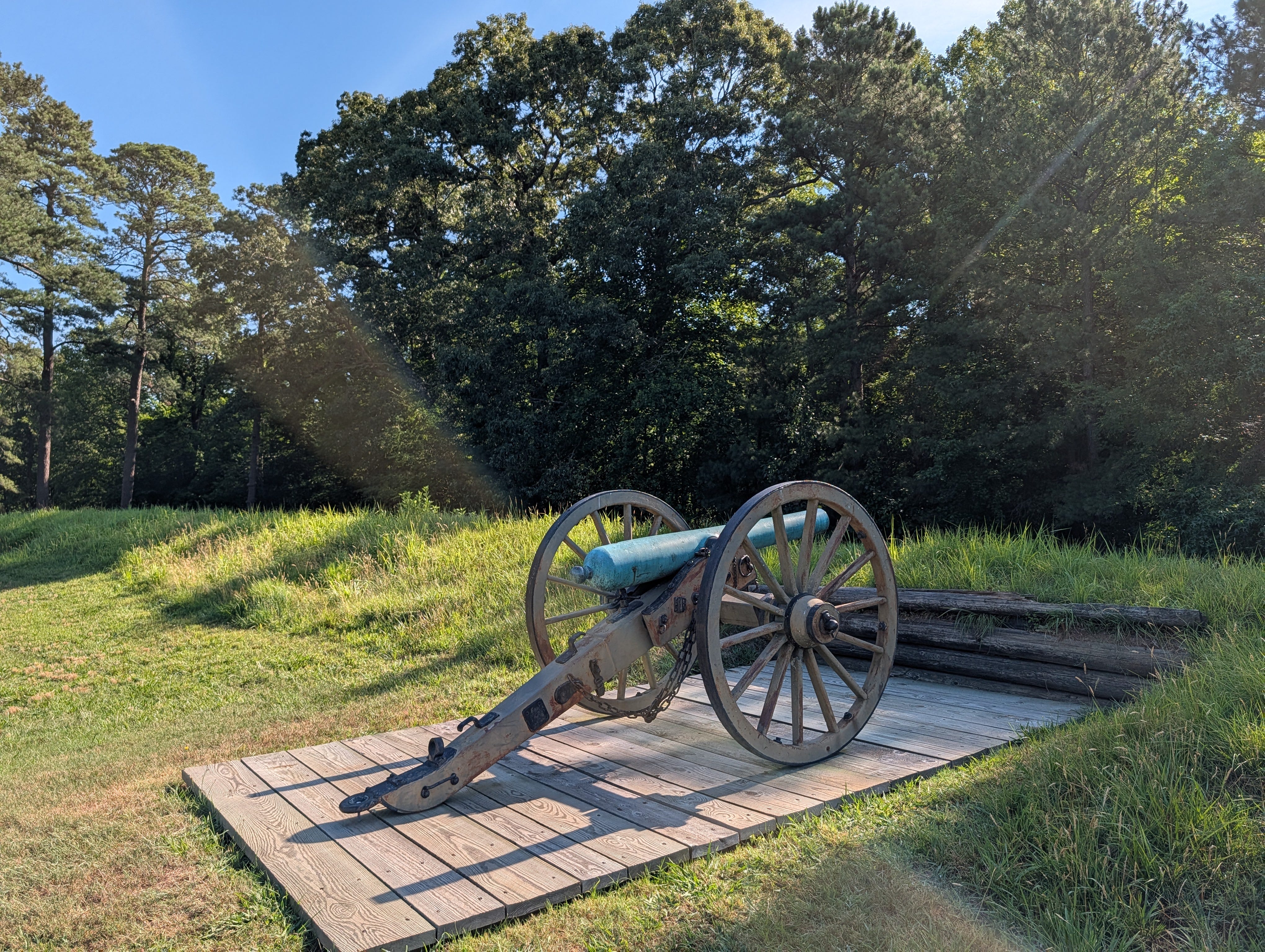
I expected the weight on my chest and a sense of dread. I expected to have to take a deep breath, give it my best, and possibly tell Isaac that I needed to go back to the car.
Instead, I felt peace. It was as if the place had been tended to. It felt calm, quiet, somehow softened, with a sense of serenity I absolutely did not expect. As I stood with it, trying to understand what I was feeling, the impression that came through was very specific.
Buddhist monks had been there.
I know how strange that sounds. I also know that if I had been trying to guess what kind of spiritual energy I might encounter at an old Civil War battlefield in Virginia, Buddhist monks would not have been at the top of my list. But that was what I felt. I felt monks. I felt prayer, and blessings. I felt people who had walked through with intention and compassion, doing work to bring peace to the land and release whatever was still connected to that place.
It was subtle, but it was clear.
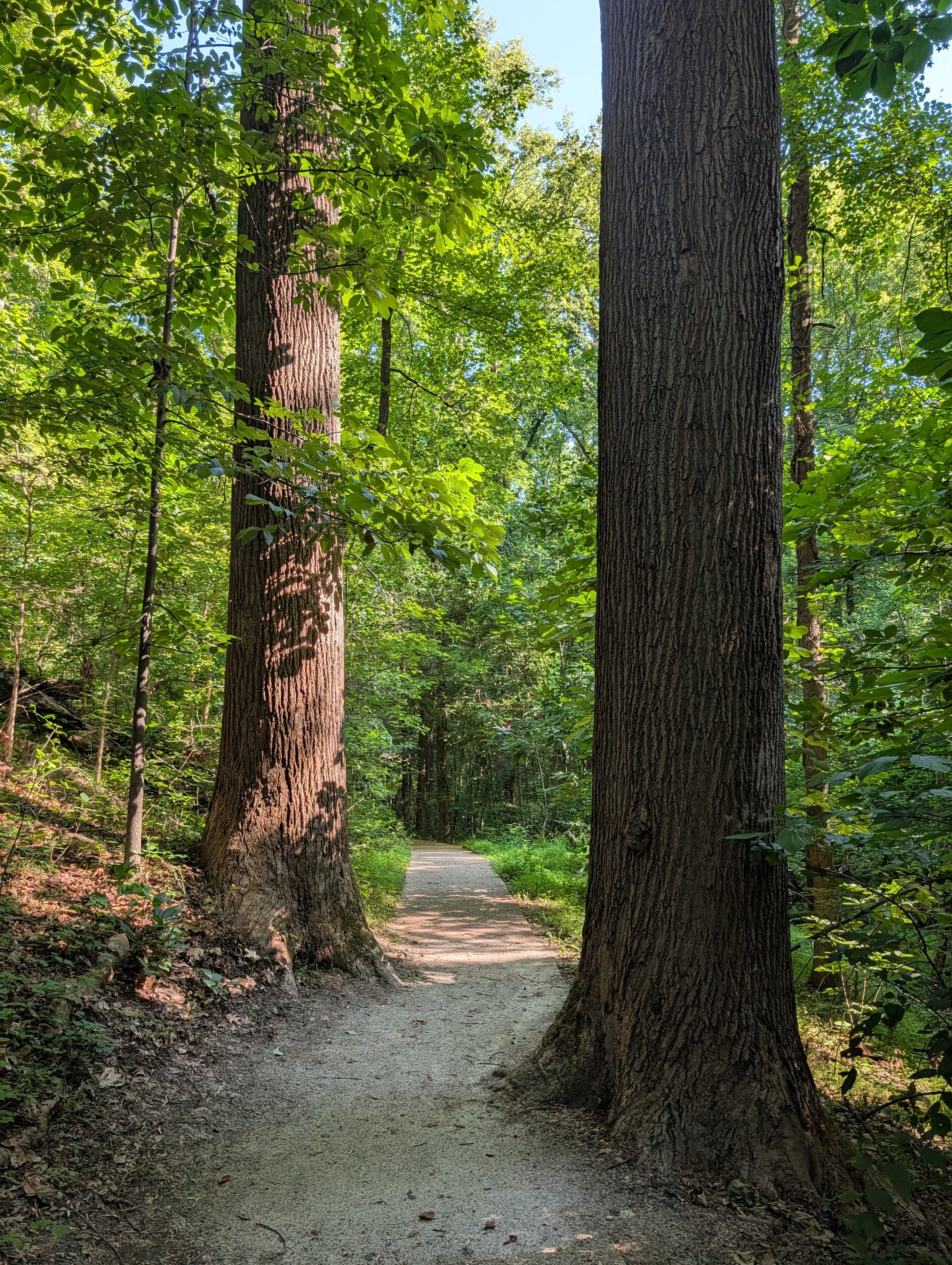
This is often how information comes through for me. It is not always a booming voice from the sky, nor is it usually the dramatic movie version of mediumship. Standing there at Petersburg, I found the translation not complicated but surprising. The feeling was peace, and its source felt connected to Buddhist monks.
After we left, I sat with the experience for a while, because sometimes I like to let these things breathe before I go looking for explanations. Eventually, though, curiosity got the better of me, as it tends to do, and I did what any reasonable modern spiritual person does when Spirit hands them something oddly specific.
I Googled it. I searched for Buddhist monks and Petersburg Battlefield in Virginia, and there it was.
In January of this year, about two dozen Buddhist monks had walked through Petersburg as part of a Walk for Peace. They had been traveling from Texas to Washington, D.C., on a long march meant to bring prayers for peace, compassion, unity, healing, and loving kindness to places throughout the United States. They walked with volunteers, supporters, and a rescue dog named Aloka, which somehow makes the whole process even more beautiful. As they passed through communities, they offered blessings, carried their prayers, and brought their presence to places in need of peace.
And they had come through Petersburg.
I do not know exactly where they stood, what they chanted, what they prayed, or what they intended for the battlefield itself. I do not know whether they walked the same path I walked or touched the same ground I stood on. What I do know is that when I arrived months later, something of their work still seemed to be there.
Whatever they did in January worked. I felt it.
That is not something I say lightly, and it is not something I need everyone to understand the same way I do. But for me, this was one of those moments where spiritual information and tangible information met each other in the middle. I felt something first, without knowing the story. Then, when I looked it up, the information was there.
That validation is important because this is how we learn the language of Spirit. We feel something, receive something, sense something, or know something, and then we pay attention to whether we can find confirmation. Over and over again, these validations help us distinguish between imagination and information. They help us understand what it feels like when something comes from outside us rather than from our own thoughts, fears, hopes, or assumptions. They teach us the texture of truth in our bodies.
That is such an important part of spiritual work, because the languages of Spirit are often subtle. We do not have to believe every random thought that crosses our minds, nor turn every feeling into a message from Spirit. At the same time, we also do not have to dismiss everything subtle simply because it is subtle. We can learn. We can practice. We can validate what we can validate. We can stay humble when we cannot. We can notice the difference between fear and intuition, between projection and perception, between our own inner noise and a message that comes from an external source.
And yes, even when we cannot validate something with information or data, we can still be right in our energetic assessment.
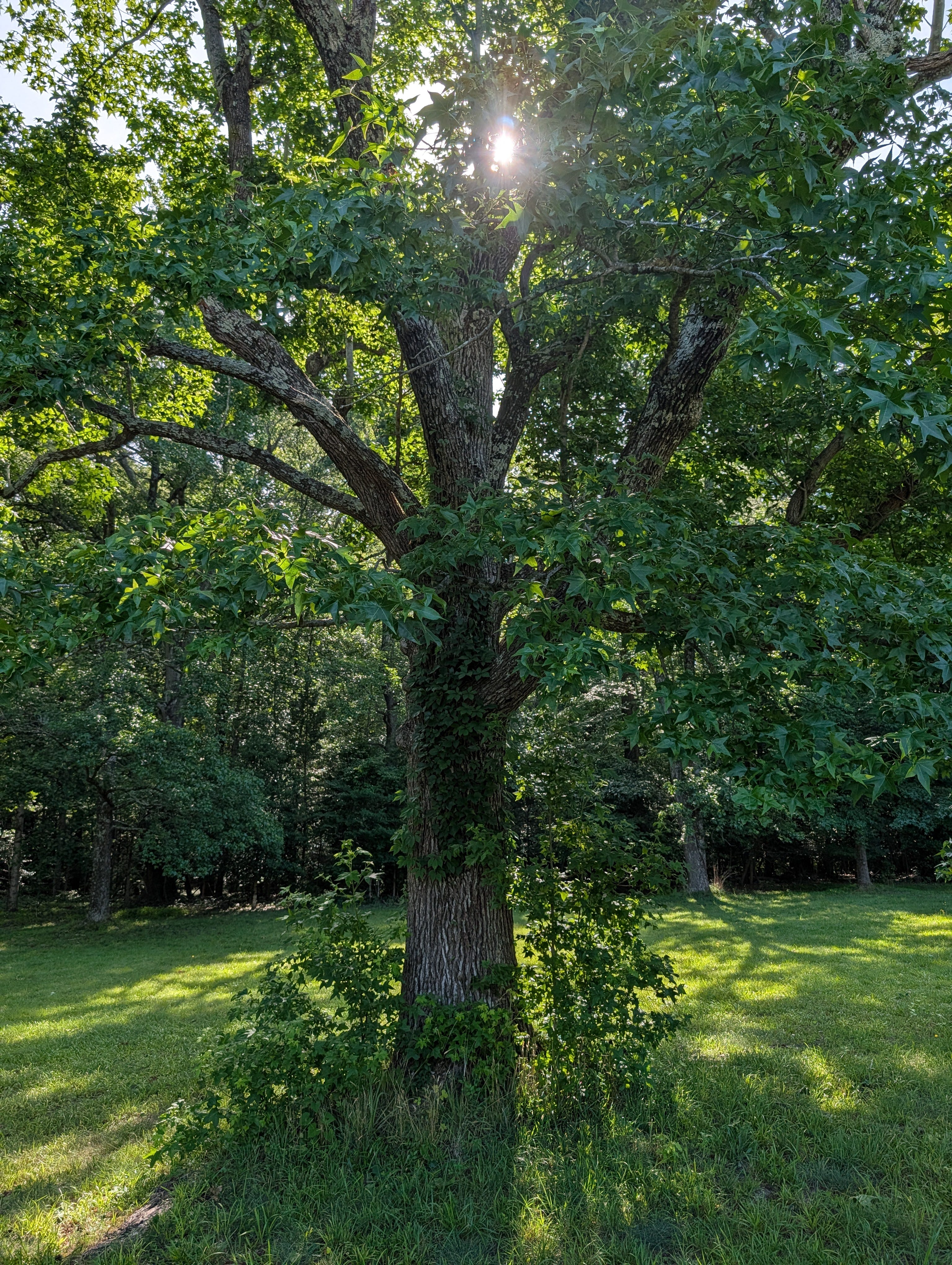
There are places that feel wounded, and places that feel watched over, prayed over, healed, or held. There are places that carry grief, and there are places where grief has been tended. The land remembers, but the land can also receive care. Prayer and blessing matters. Compassionate presence matters. The work we do in a place can ripple beyond the moment we are doing it.
That is what I felt at Petersburg. I expected pain, and I found peace.
I expected heaviness, and I found a place that felt as if someone had gently laid a hand over an old wound. I expected to brace myself, but instead I found myself grateful for Buddhist monks who had passed through months earlier, carrying prayers across the country on foot, in their voices, with their dog, and with their devotion to peace.
I am grateful for their efforts. It would have been a different day for me if they had not done what they did.
No posts
Comments
Nothing yet. Say the first thing.
Sign in to join the conversation.