
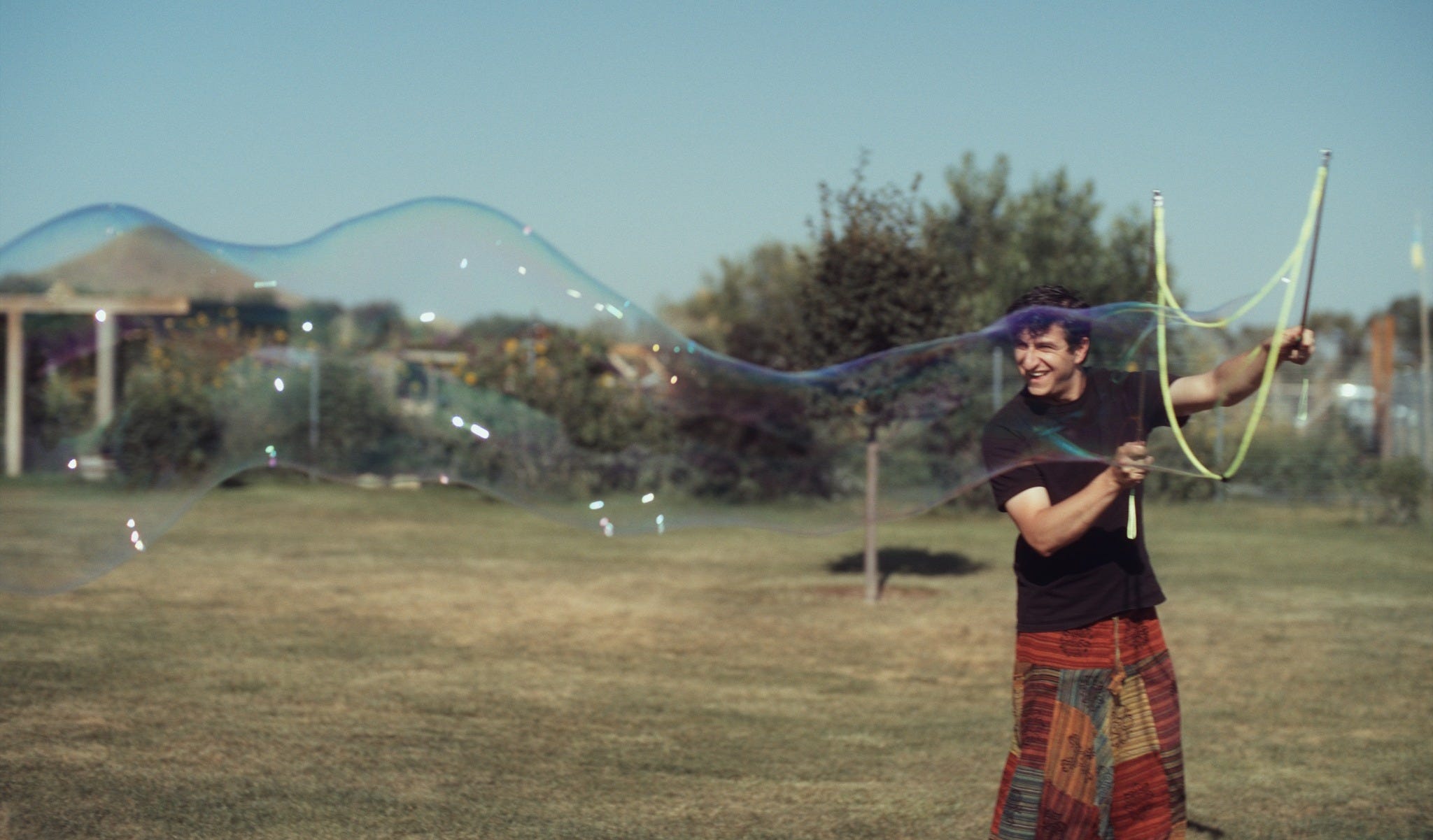
I got sucked into a debate about AI at a post-concert dinner the other night. In general I feel that AI, like Donald Trump, is one of the most lousy subjects language affords access to—because what is there to say besides that it’s almost definitely a completely bad development for the human race propelled forward by some of the most cynical and self-interested people in the world?1 This particular conversation was mitigated by the fact that its participants included a former cult member; a delightful pair of Russian former fashion designers; their friend and longtime benefactor (also Russian) who believes in ancient alien civilizations; her partner, a hippie American farmer; and two fraternal twin girls about to begin their junior year of high school.
So while this conversation was not exactly boring, it was still dispiriting. It began with the high schoolers discussing homework assignments they’d AI’d—a practice apparently so ubiquitous that it’s become a verb. This opened the floodgates for everyone to share the ways in which they rely on or have befriended AI for tasks ranging from identifying parasitic worms to wholesale outsourcing of creative projects. The former cultist segued into a monologue about AI’s power to liberate people from the tyranny of institutional gatekeepers and Western education. Either that or, he said, it’s the end of the world as we know it. Which he seemed to think was not entirely a negative thing?
Deflating in my chair, I raised my pom-poms on behalf of the millions of jobs that may be displaced or minimized; of the unauthorized appropriation of every book ever written, every song ever composed, every work of art ever made; of the chasm between information and critical thought. I was, everyone determined, a curmudgeon. The revolution was irreversibly upon us.
Probably true. Despite being vehemently against AI, I engage with it more than I’d like to admit. I’ve leaned on it when I need to crank out a grant application and my usual trusted copy editors are unavailable. I ask for its recommendation when I can’t find the wine store employee to explain what kind of wine goes with chicken (as if it makes a difference to me). On the day of my grandpa’s 90th birthday party, I beseeched it for information regarding viral contagion when my uncle insisted on attending despite probably having pink eye.
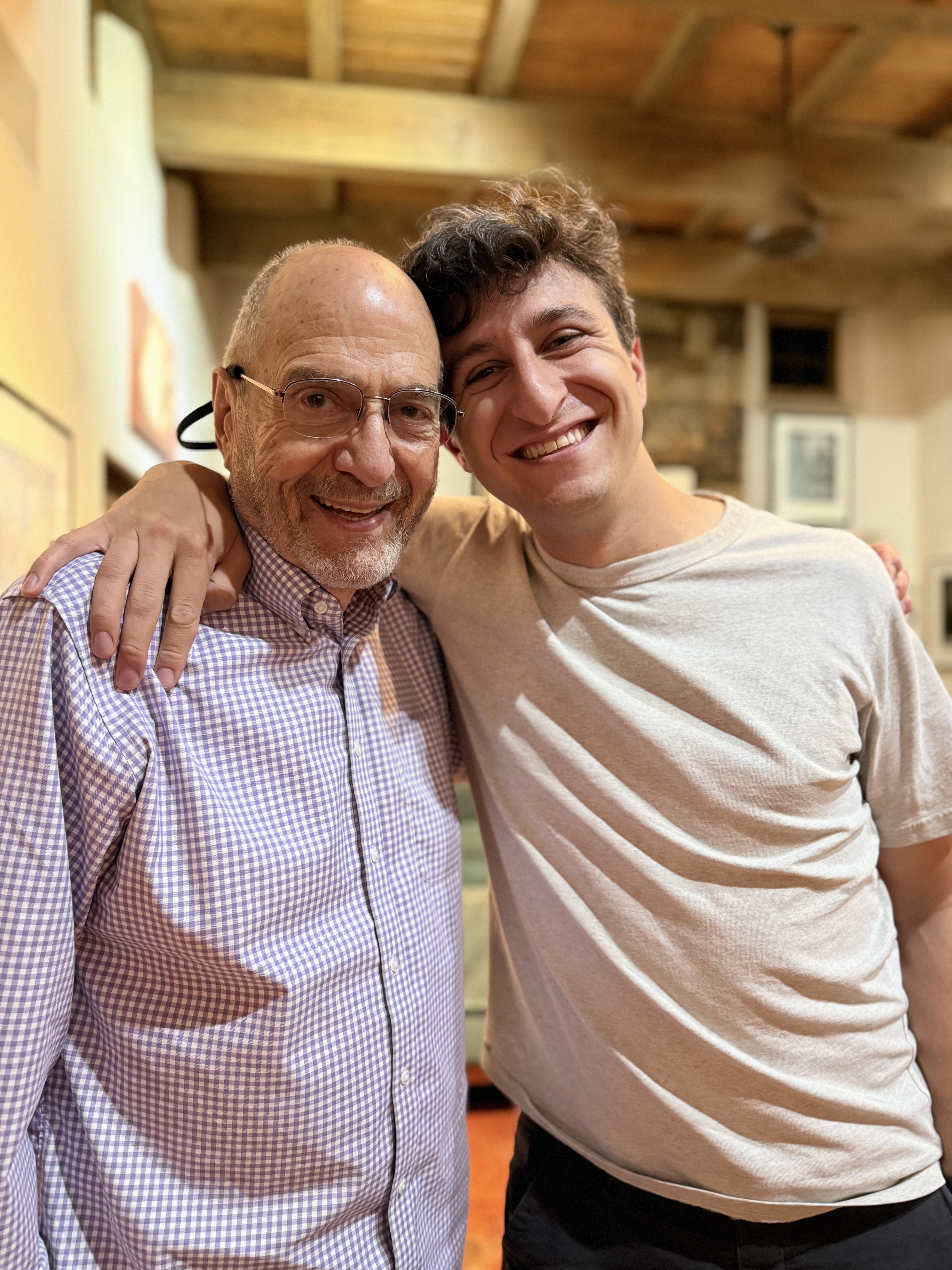
Sometimes…I feed it my writing. I know, I know. I preface it by saying, “a friend wrote this and sent it to me. Be honest: do you think it’s shitty?” It insists that it’s not only not shitty, it’s actually “quietly brilliant.” I think the soulless robot is indulging my charade. The shame I feel is worse than when I accidentally saw porn for the first time.
I do this only when I work alone for long stretches and crave hollow praise dumped indiscriminately on my insecurities. That is to say, I only do it incredibly frequently. To me, this doesn’t seem any more criminal than applying a flattering filter to a selfie, or asking a non-confrontational friend if you’re being a dick when you are definitely being a dick. I’m only human, and like any ordinary human these days, I need a little emotional support from that which will eventually supplant me.
What I can’t understand, yet see almost everywhere these days, is artists and thinkers putting out work that has clearly been at the very least heavily manipulated, if not created outright by, AI. A MacArthur Genius Grant winner I follow posts thinkpiece carousels to his Instagram account bearing the unmistakably slick and strident tone of AI prose. Concert presenters that extoll the virtues of human creativity advertise with AI graphics. While visiting two of my donors the other day, both in their eighties, I admired the faded photographs hung above their breakfast nook in which they, a half-century younger and hotter, perch on motorcycles and in front of single-engine aircraft. From a pile of loose papers and junk mail, they picked a bright new photo taken in an AI photo booth at a recent music festival gala in which they’re rendered stiffly side-by-side, de-aged and attired in ‘80s disco garb. “It’s AI!” they said, bewildered, and cast it aside.
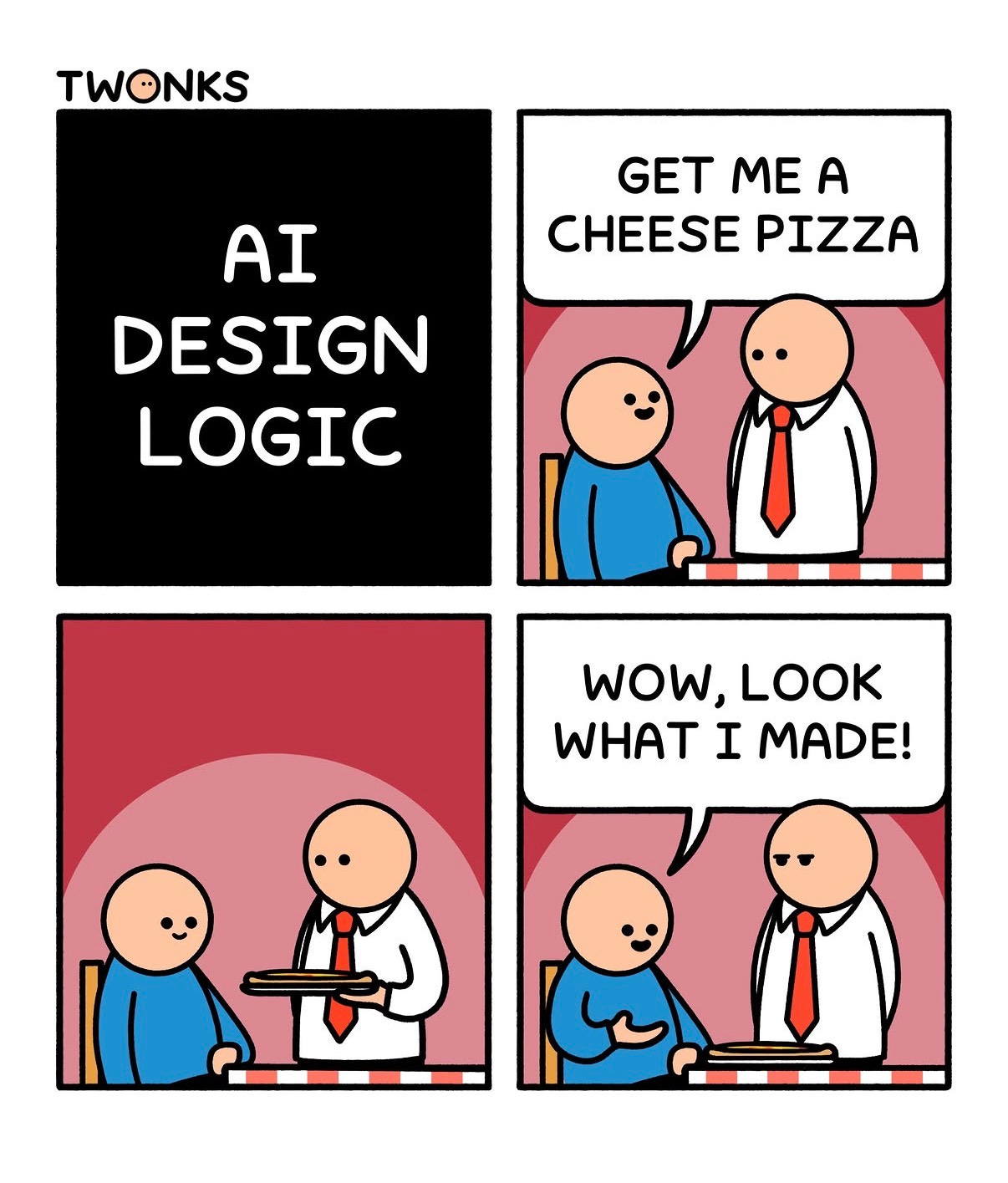
I remember, a few years ago, the first time I completed a grant application with help from ChatGPT. It was like a drug—so clean, so easy. Drafting a promotion email, I resorted to it again. Someone asked for feedback on a lengthy document. Boom, done. I couldn’t believe the time I was saving.
But what did I do with the time I saved? I have, like, at least three jobs. There’s always more to do. This miracle timesaver, I’ve come to realize, just enables us to stack our days with more automated tasks and avoid dedicating long hard thought to anything at all. The Economist has dubbed this “cognitive surrender.” These days, as I receive one word-perfect email after another, or scan my friends’ social media posts with paragraphs-long captions, it’s hard not to imagine their so-called authors slumped over their screens, arms scarred with digital track marks.
I’m trying to say I’m working to be less of a hypocrite. Chatting with those twin girls the other night about their AI’d essays, I was keenly aware that I haven’t posted anything to Substack since late February. As I declared “it’s fun to think hard about stuff!” to my dinner companions, the asshole on my shoulder snidely asked, “what’s up with those three abandoned essays rotting in your Google Drive?” (For some reason this character is a sinewy old woman wrapped in a faded bathrobe smoking unfiltered cigarettes?) I announced to the table, “I love to write!” The asshole took another long puff and answered, “so you say…so you say.”
I don’t mean to suggest that I haven’t been thinking hard or writing. Honestly, this spring and summer have been full of incredibly rewarding projects which, if you follow me on Instagram, you might have some vague idea about. And I’ve been squeezing time in for other things—like friends, irregular exercise, and dating (don’t ask). The sustained effort required to write has felt like an insurmountable commitment.
So with that overlong introduction, and by way of catching up from my long-ish absence here, I thought I’d return to this platform to share a few things I’ve done/seen/participated in lately that reminded me of how fun and cool and inspiring it is to do analog human stuff with human people.
I have to start with the theater. Late this spring I had the sudden realization that I live in New York but may not forever, and while I do I ought to suck it up and experience unforgettable theater, exorbitant ticket prices be damned.
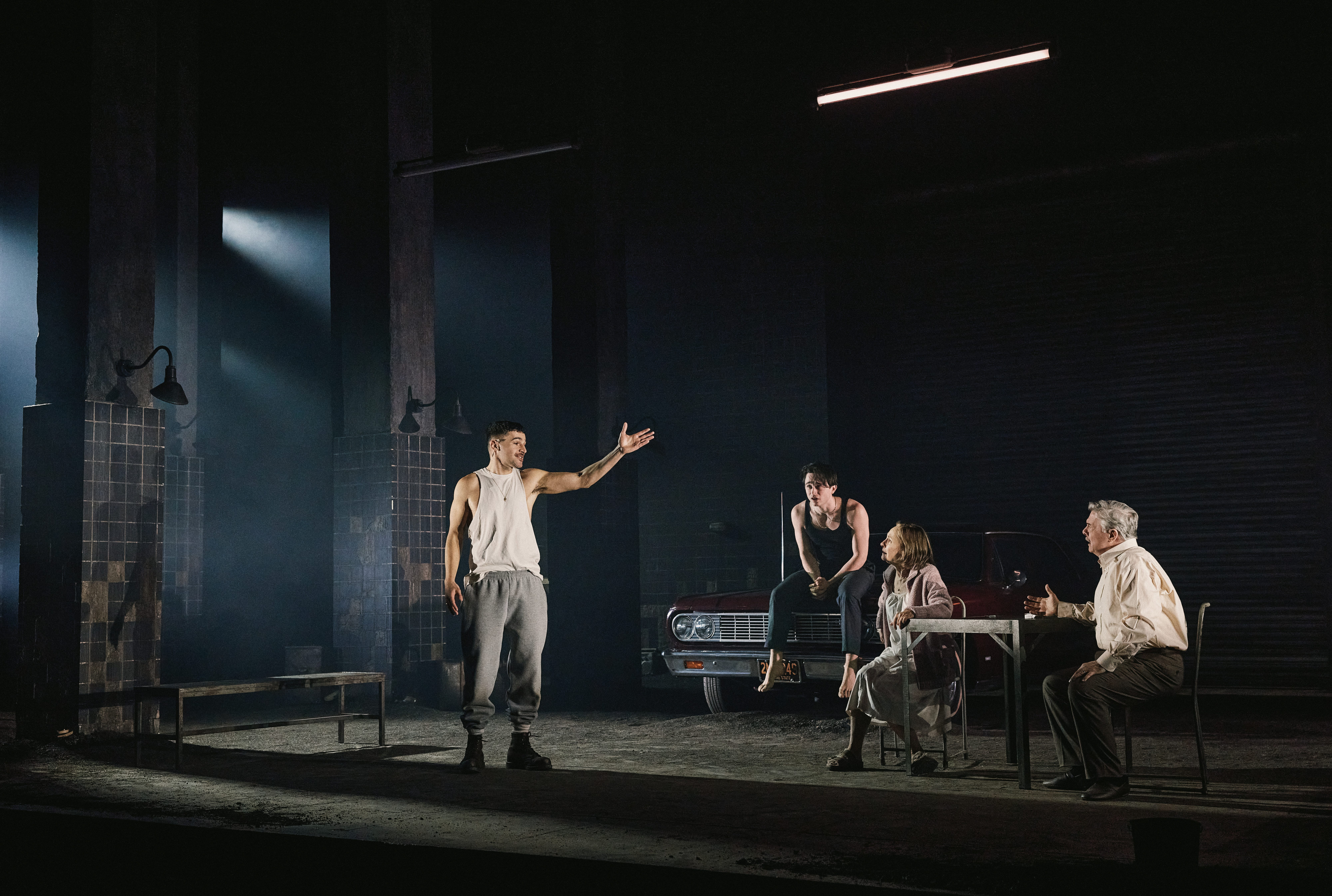
Cut to me stumbling through the crowd at the Wintergarden Theater at intermission of Death of a Salesman, holding my breath so as not to let loose uncontrollable torrents of sobs in all directions. Cut again, to me hunched and trembling in my seat, cocktail napkin pressed to my runny nose as Biff stands over his dad’s open grave. And again, to me clutching a lightpost by the stage door waiting for Nathan Lane to emerge so security can pull me off of him as I, I don’t know, cry on his shoulder? (Lucky for him, he never appeared.)
Before the lights dimmed for Act I, I glibly texted a friend, “Okay I need to go watch a heartbreaking magnum opus on the tyranny of capitalism.” That is what I was prepared for. What I was not prepared for was a family tragedy with a searingly familiar father-son dynamic at its center. Or to completely forget that this was pretend, written in 1949. Or to be inconsolable to the point of speechlessness for hours after the play ended.
I know this may not exactly sound like a ringing endorsement, depending on what you like to get from your entertainment. But cut to me, slowly walking home from the Franklin Avenue A station, making a phone call that I’ve needed to make for years.
In other words: go see a play. Like me, you may barely be able to afford it, but you really can’t afford not to.
At the end of June, my family took an overnight trip to my sister-in-law’s family’s remote cabin past Ward in Colorado. It’s a short drive from Boulder, but there’s zero cell reception, electricity, or running water. So you’re really “in it,” as they say, by which I mean “out there,” as they also say.
My technology addiction runs deep, but I felt almost instantly liberated upon arrival. I was suddenly not only aware of the incredible silence, but absolutely at peace with it too. A hummingbird flitting around on the cabin’s front porch almost brought me to tears. The colors dancing on a nearby pond teeming with damselflies and Rocky Mountain pond-lilies appeared brighter and more vivid than reality. I felt like a newborn, or like one of those Narnian creatures flushing back to life after the White Witch’s spell breaks.
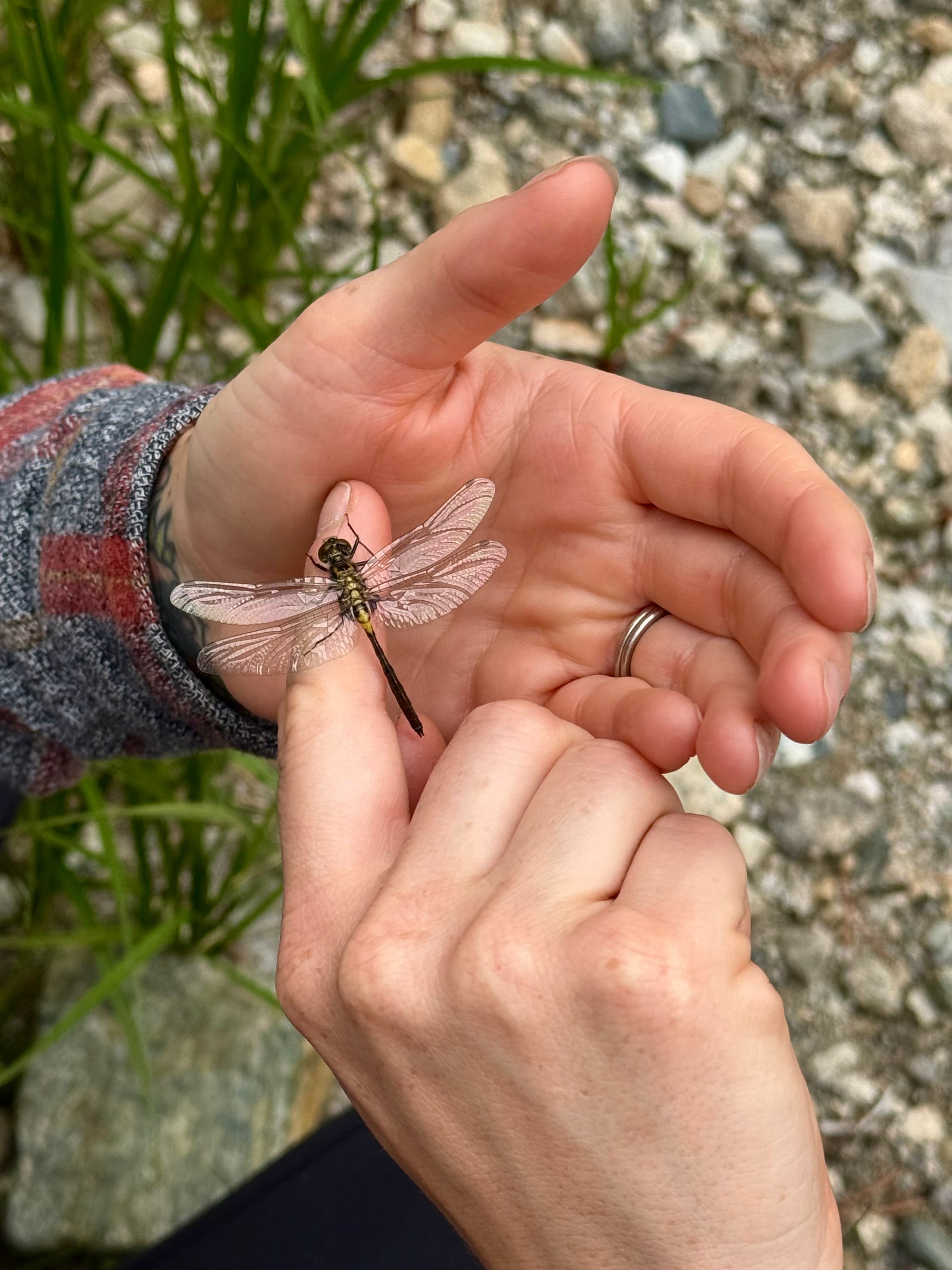
We cooked hamburgers on an open fire, traipsed around the woods, held dragonflies in our open palms. I violently raked my arm shooting a bow and arrow, and made my family listen to Hamlet Gonashvili2 as we traced old logging paths into the hills. But the real revelation was the cabin’s 1913 Victrola.
Have you ever used an old Victrola? I’m talking about the ones with the hand crank on the side and the cabinet doors as the only means of volume control. If you haven’t, I truly cannot convey the magic of this machine. The cabinet was stocked with records by Menuhin and Heifetz and Rubinstein and Toscanini, and though I’d heard them before, this was like encountering them for the first time. To listen as the needle’s fuzz imbued the room with warmth, as Heifetz’s violin rose, sweeter and rounder than I’ve ever heard it, out of this old wood cabinet, was like being visited by a ghost. It was bracing for this music to feel utterly transformed.
So obviously I need to find a Victrola of my own. Or do I? Would the novelty of this technology—the miraculousness of Yehudi Menuhin existing beyond the reach of cell towers—be dimmed if I had it within arms’ reach at home? Part of what’s so sadistic about our phones and social media and streaming and chatbots is how ever-present they are. It’s amazing that we can reach out to a long-lost friend at any moment, or take a deep dive into the movies of Jimmy Stewart, or research any bit of trivia we want. But because we always can, we rarely do.
I went straight from the peace of nature to the most anxious evening you can imagine. My best friends were visiting Denver for a wedding, and I volunteered to watch their eight month-old, Avery, while they went out for the night. Before I continue, worry not: everyone is alive and well. No babies were harmed in the making of this story.
But that’s just it: it began as an extremely sweet afternoon—first with the parents, two of my favorite human beings on Planet Earth, then just watching this little guy rocket around on all fours, slobbering on everything he could get his hands on, me attempting to prevent him from rolling into things like a bowling ball, holding him as we danced to Leon Bridges,3 feeding him his goopy dinner, watching him giggle his way through bathtime. As I put him down for bed is when the trouble started. Cradling him in the dark closet where his parents had put his crib and white noise machine, I saw him do a double-take at me. “You’re not my mom!” I could hear him think. At that, he started to cry.
I texted his dad. “Is it normal for him to be crying when you leave the room?”
“Yeah that’s fine,” he replied.
“This part is easy to feel like you’re fucking up,” I said.
“Trust me I’m his dad and I feel like I fuck it up all the time. You’re good.”
“And I assume there’s no way to ensure he stays on his back? Looks like he rolled over,” I said.
His dad answered: “Yeah he’s all good.”
“I hope I don’t ruin your baby.”
Then, the crying stopped. And naturally I began to worry he was dead. We’ve all heard those stories, where the parents put their kid down and then they just never wake up again. So, for the next four hours, I did what any sensible person would do: sat on the couch silently contemplating the many ways my life would be ruined if I killed my best friends’ baby, then crept upstairs at twenty minute intervals to check he was alive. I slithered through a crack in the door and, in the darkness and white noise, bent as if to join the Islamic call to prayer, pressing my forehead to the ground to make out his tiny breaths.
I realize now that this ritual was a kind of prayer. I remember first meeting this little boy, just seven hours after his birth. As I rode the elevator to the maternity ward it occurred to me that usually, you realize someone is important to you long after actually meeting them. But there I was, thirty seconds from meeting a child I already loved, whom I would know the rest of my life. At that point he was just a little lump, in a ward full of little lumps. Now, on the floor of a closet, I knew this baby. I knew how when he smiled he looked just like his dad. I knew the power “The Itsy-Bitsy Spider” had to reverse his tantrums. I knew how he had transformed my best friends into exemplary parents. In the center of all this beauty, I was huddled in the dark, fearful and in love.
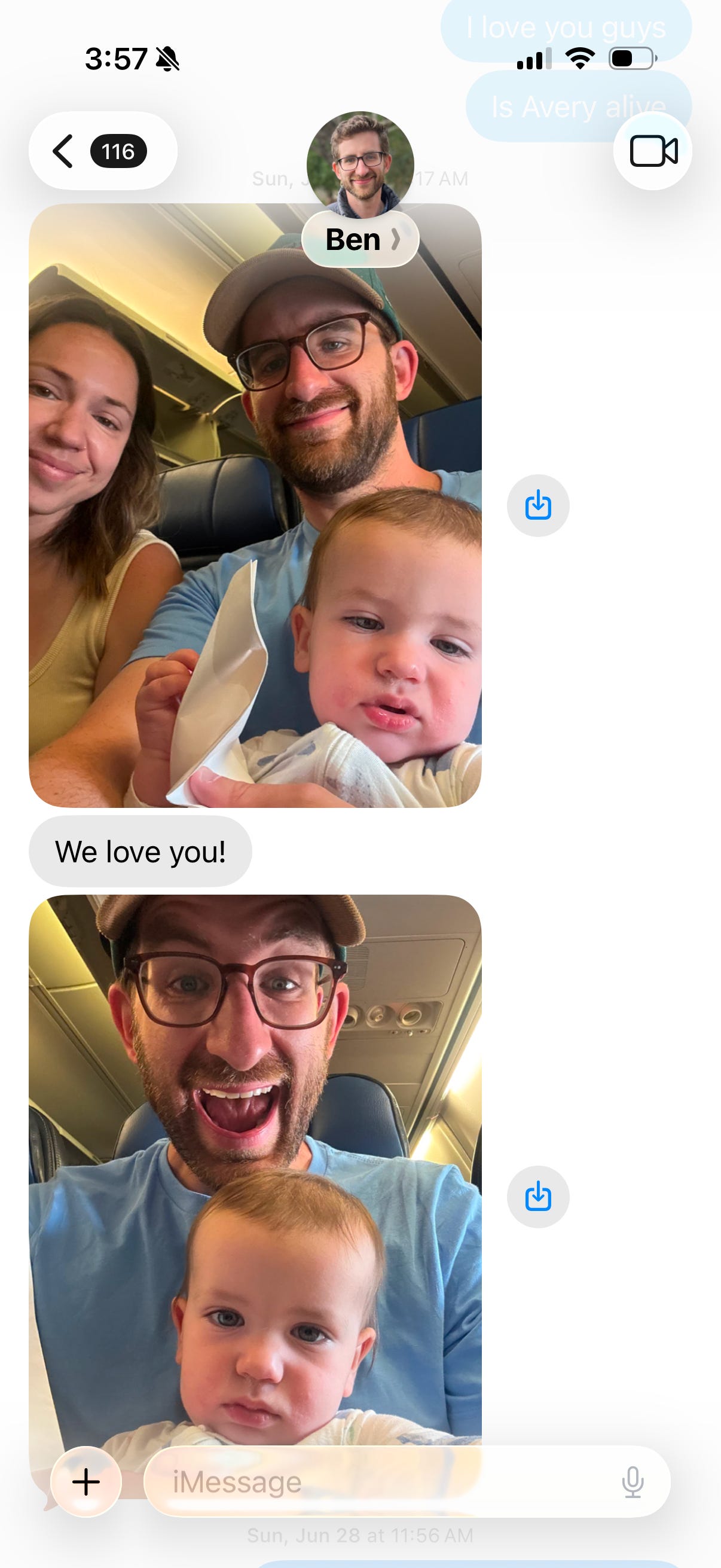
At 9 am the next morning, my friend texted me, “We love you!” accompanied by a photo of the three of them on their flight home, Avery on their laps looking confused but indisputably alive.
It’s good to be writing again, and to be back here. The last few months have not been so much a relapse into what I shared in Signs of Life as a detour from writing into everything above as well as some highly personal projects, grubby as can be with human fingerprints. In my next post, I’ll share more about one of them. I truly couldn’t be more excited about it.
Till soon!
If you want to feel bad, listen to this interview with technology ethicist Tristan Harris.
(On a record player, by the way. The vinyl obsession has begun!)
No posts
Comments
Nothing yet. Say the first thing.
Sign in to join the conversation.