
I’ve read a lot this summer, more actually than in the previous few years. I realized its mostly because my kids are getting older. Rather than reading to them, I am often snuggled up on a couch reading alongside them. My daughters are grinding through age-appropriate fiction at an impressive pace (if anyone has recommendations for good pre-teen book series, please please send them my way in the comments). Even my three year old son seems content to turn pages through picture books in our presence, rather than needing constantly entertained.
It’s awesome, actually. We spend a lot of evenings talking about what we are reading and sharing our favorite parts. I can’t wait until they start being able to read some of the same books I am reading (crossing my fingers they’ll be into theology and ministry, too). Below are three books I didn’t just enjoy myself, but also made for great conversation fodder with my kids.
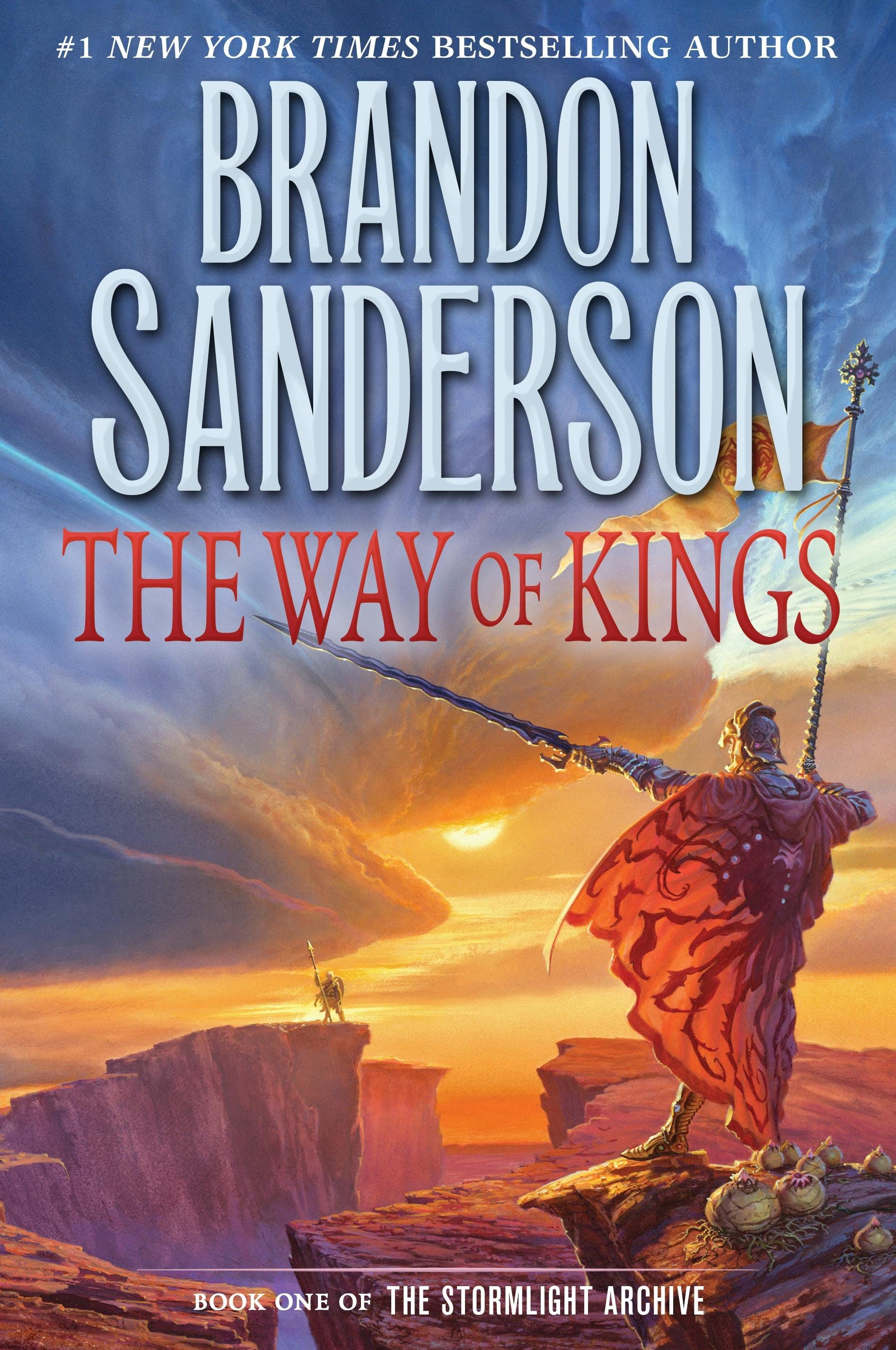
Another shift in my reading habits this year has been a serious uptick in my fiction intake. I typically struggle with fiction—mostly because I hate wasting time. It irks me to get half way through a novel and feel obligated to finish the story despite not being enthralled. With non-fiction I have less of a problem putting mediocre books down, or speed-reading the rest. I find that harder to do with narrative writing in general. The main cause for this however is my belated discovery of Brandon Sanderson. He’s likely the premier fantasy writer of our era—ostensibly is a genre I love via Tolkien and Lewis. But have just never been able to find anything quite on their level in terms of originality and moral vision. Sanderson, however, makes a pretty good run. He stumbles I think in some of his later works. The Stormlight Archives books 1-3 are incredible. I wish he’d stopped the story right about there. His character development sorta goes sideways and he starts to import values that feel foreign to his universe in books 4-5. But still, all in all, its been a great ride. I recommend picking up “The Way of Kings” soon so you can say you read the book before it becomes a Game of Thrones level hit on Apple TV+.
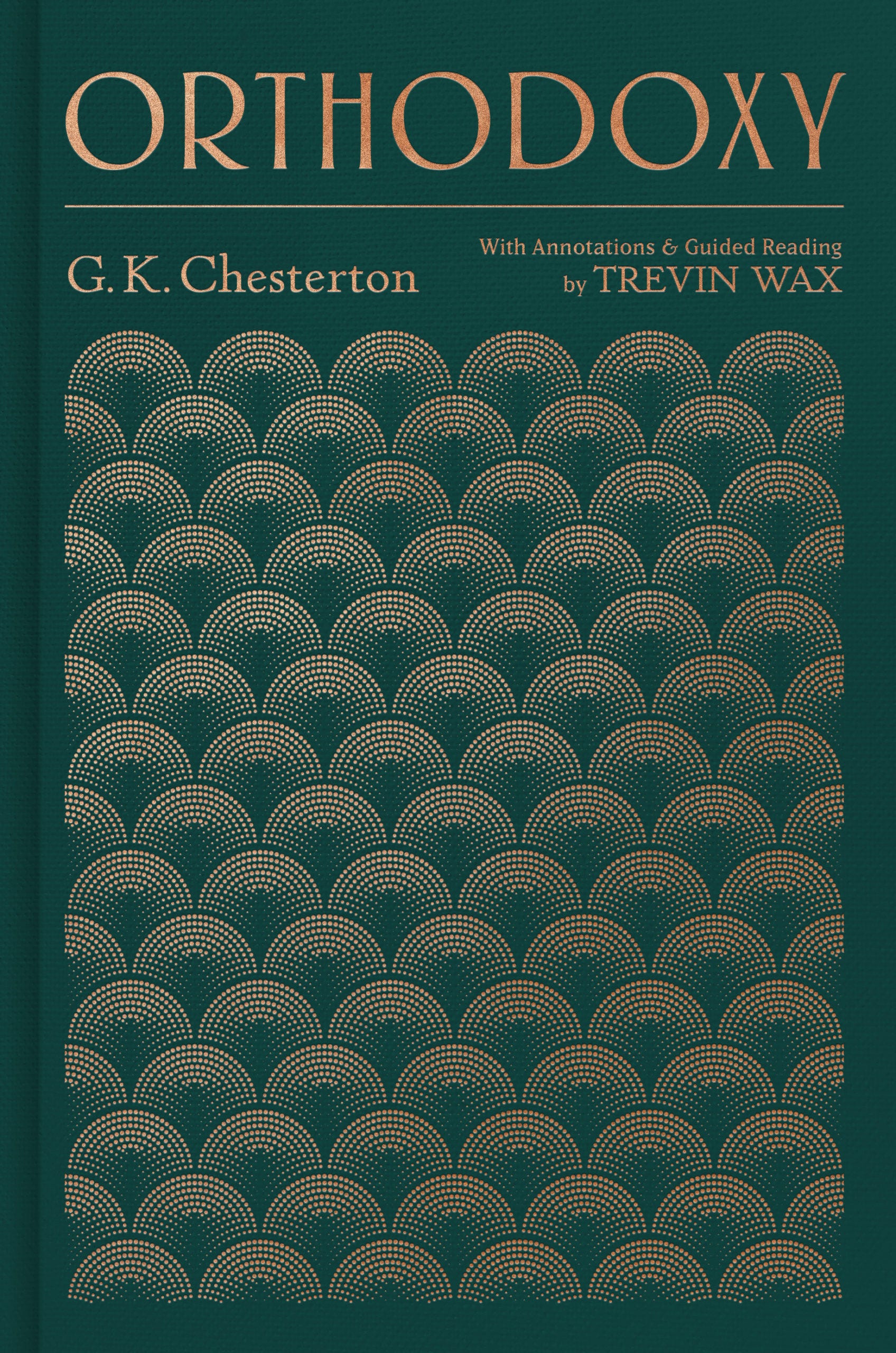
Earlier I mentioned C.S. Lewis’s originality, which is ironic because this book reminded me that no one is ever truly original. We all stand on the shoulders of others. Lewis had a formative influence on 20th century Christian thought, and continues to resonate widely today. Well, Lewis picked up many of his resonant vibrations from G.K. Chesterton. Reading Orthodoxy feels a bit like reading proto-Lewis. You can see where he picked up some his convictions and apologetic emphases. I enjoyed this book for that reason alone, having read most of Lewis’s work. But there were also ideas within I’d never considered. Orthodoxy reminded me that when we reason for Christ, we reason not just with logic but also with pathos, and appeals to what people understand to be culturally valuable or true. Chesterton’s humility is also striking. He writes persuasively, but ultimately as himself, never presenting as an expert—only honest. I hope having read this will make me likewise into a more humble but persuasive ambassador for the Kingdom.
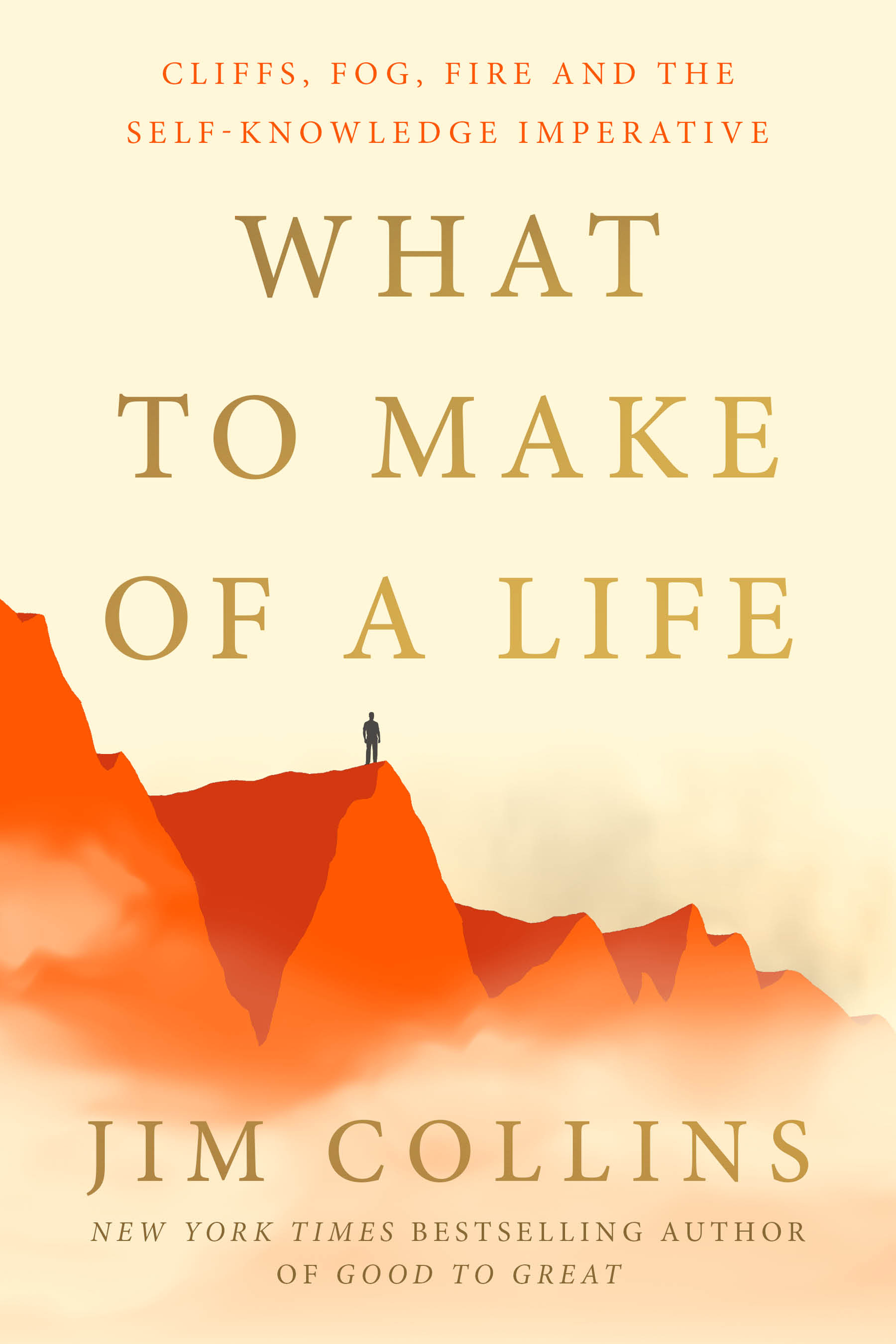
I’ve mostly lost interest in self-help literature, even when it has a Christian bent. Once upon a time I read every leadership book I could get my hands on, and regularly kept up with the year’s best sellers. Nowadays they feel monotonous. Also, most feel like they could have just been a short paper or article—rather than 300 pages and cost $18.99. Maybe it has something to do with the publishing environment. Anyways, it took a few recommendations from people I admire to convince me to pick what apparently is Jim Collin’s Magnum Opus. It’s a great read. My favorite part is less so his conclusions, and more so the stories he tells. The book is organized around short biographies of well known people (John Glenn, Robert Plant, Charles Colson, Michael J. Fox, and Alan Page, just to name a few). I knew most of their names and what made them famous. But I didn’t know their backgrounds, the trials they overcame, or what happened to them after their lives left the spotlight. Overall, Collins presents us with compelling insight into the power our choices have even in the face of adverse circumstances, and what it takes to flourish in every stage of life.
These were all worth the read for sure. I killed about a dozen other titles these last few months, but if could convince you to read only three, these would be it. Maybe I’ll do a longer list later this year. For now, however, I’d love to hear your top three in the comments. Help me build out my reading list for the fall!
Comments
Nothing yet. Say the first thing.
Sign in to join the conversation.